Tag

Earths Magnetic Field

All articles tagged with #earths magnetic field

Earth's Magnetic Weak Spot Expands to Nearly Half of Europe

Originally Published 5 days ago — by SciTechDaily

Featured image for Earth's Magnetic Weak Spot Expands to Nearly Half of Europe
Source: SciTechDaily

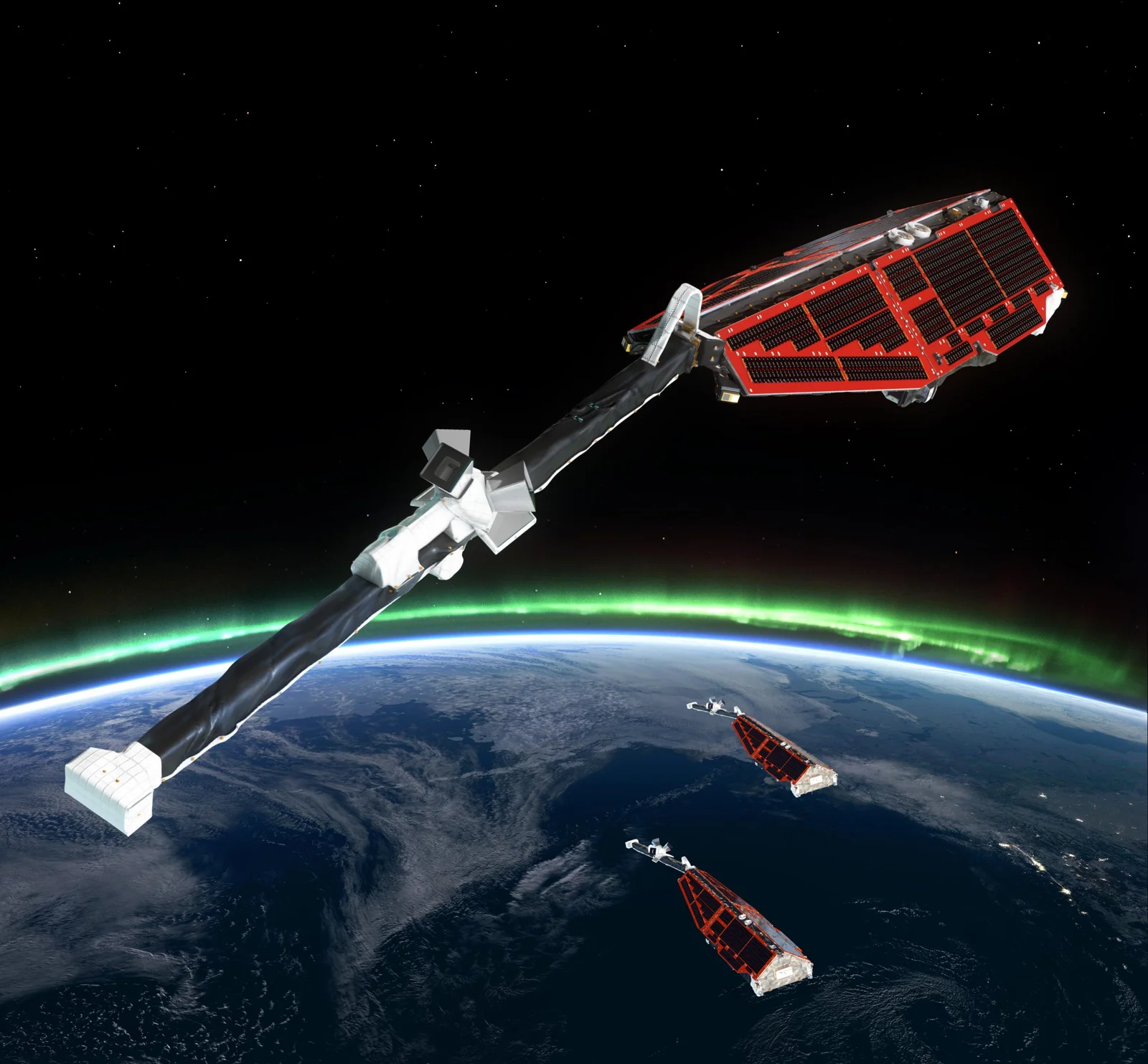
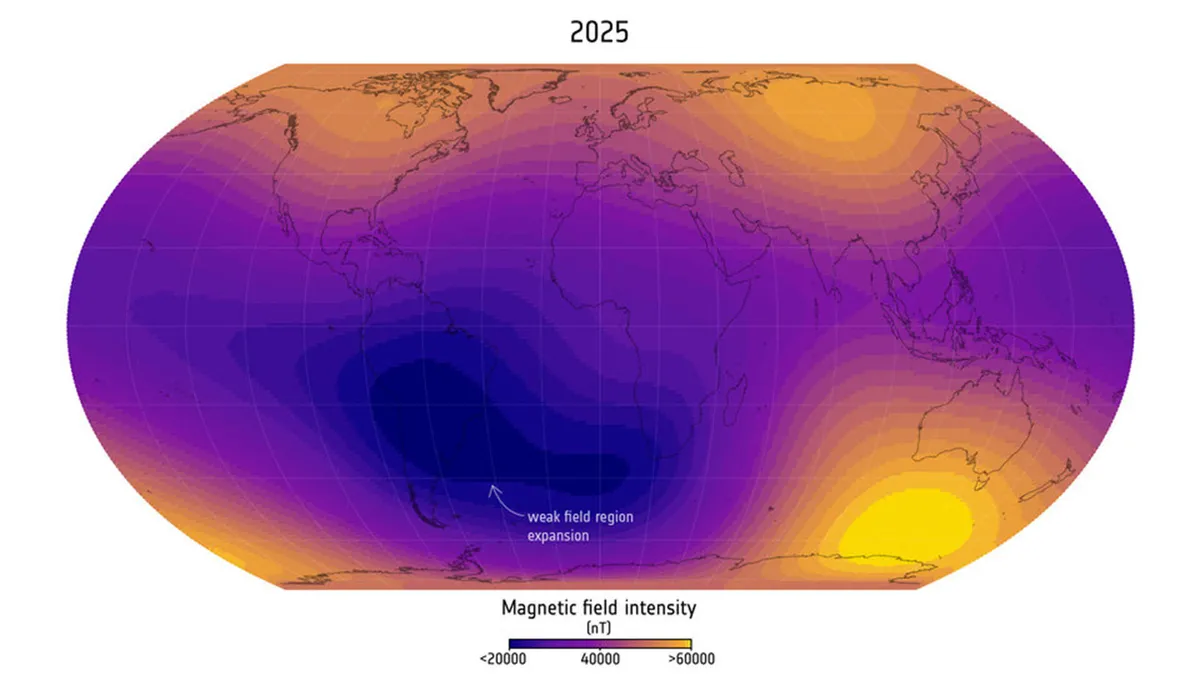
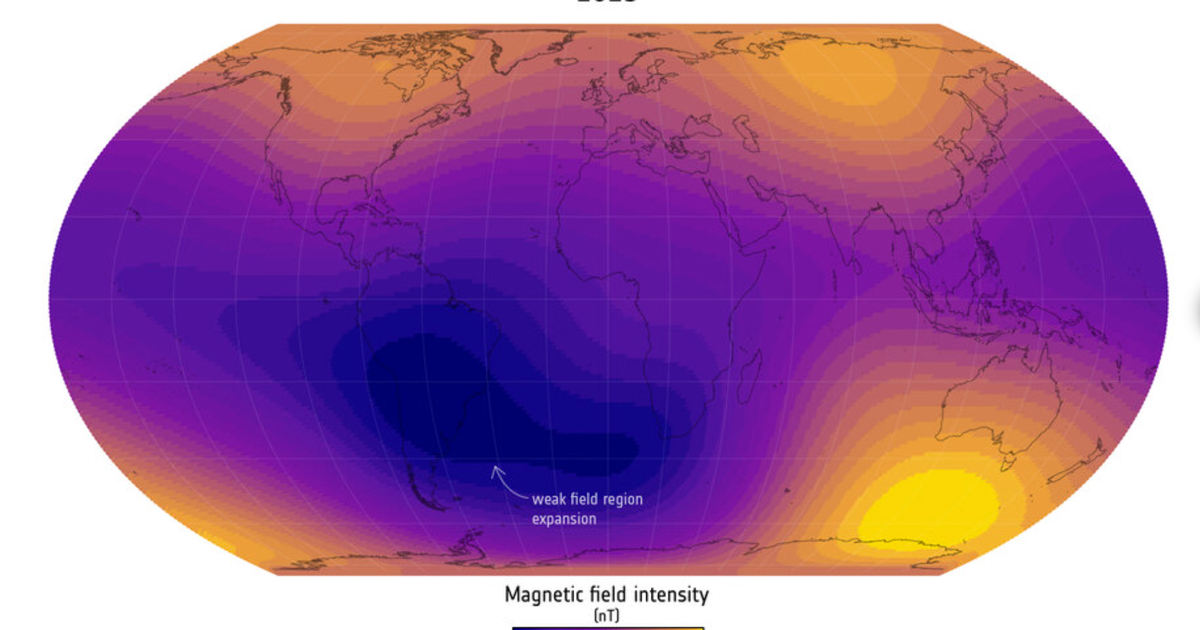
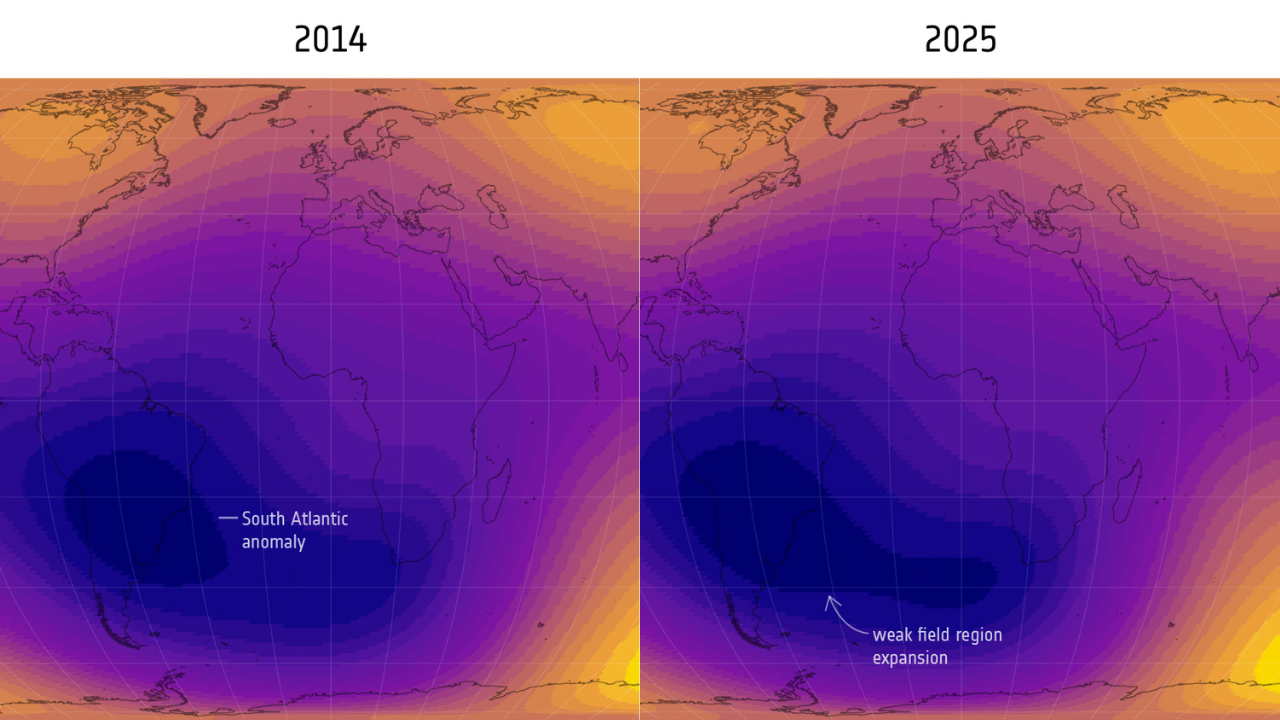
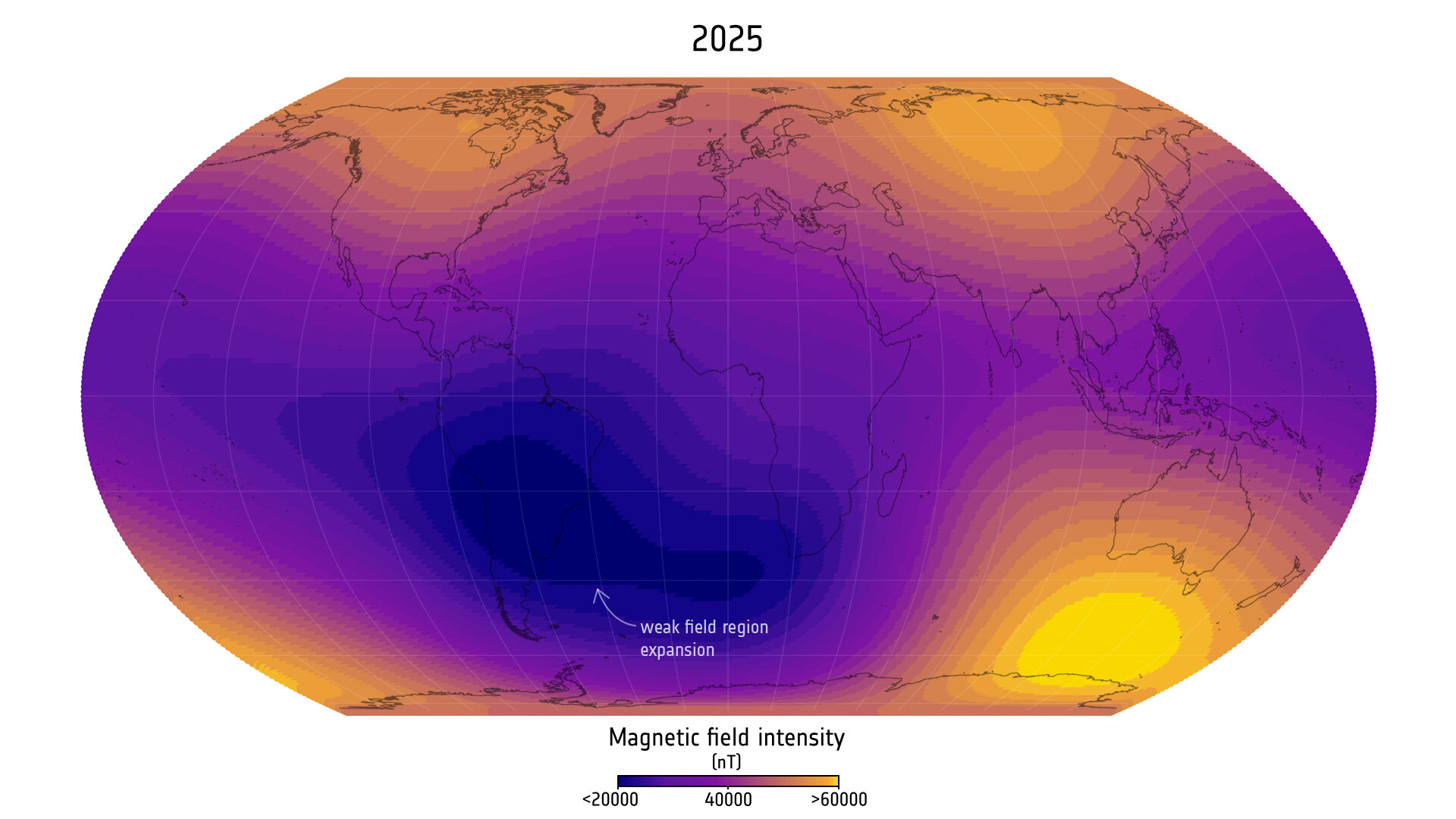
Long-term data from ESA's Swarm satellites reveal that the South Atlantic Anomaly, a weak spot in Earth's magnetic field, has expanded significantly since 2014, driven by complex processes in Earth's core, with implications for space safety and navigation.

The South Atlantic Anomaly: Earth's Magnetic Crisis and Its Global Impact

Originally Published 2 months ago — by The Independent

Featured image for The South Atlantic Anomaly: Earth's Magnetic Crisis and Its Global Impact
Source: The Independent

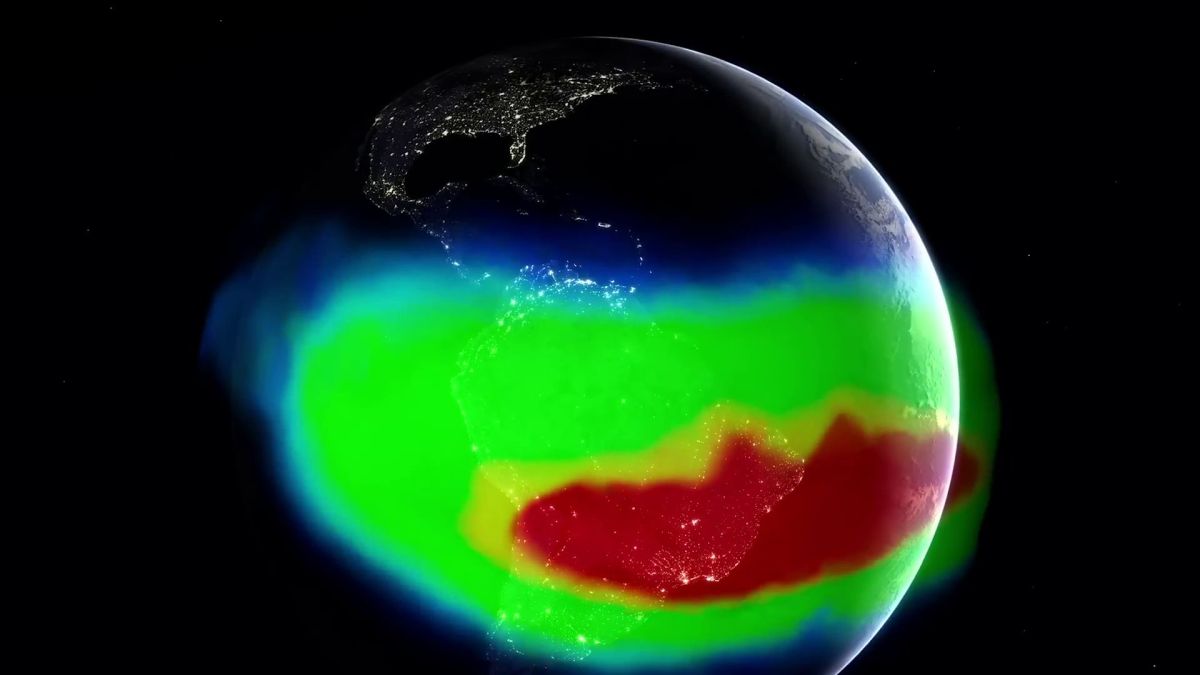
A growing weak spot in Earth's magnetic field called the South Atlantic Anomaly could cause satellite malfunctions, blackouts, and increased radiation exposure for spacecraft and astronauts, with the anomaly expanding significantly since 2014 due to changes at the Earth's core boundary.

Expanding Weak Spot in Earth's Magnetic Field Raises Concerns

Originally Published 2 months ago — by ZME Science

Featured image for Expanding Weak Spot in Earth's Magnetic Field Raises Concerns
Source: ZME Science

A growing weak spot in Earth's magnetic field over the South Atlantic, known as the South Atlantic Anomaly, is expanding since 2014, increasing exposure to solar radiation for satellites and astronauts, though no signs of magnetic reversal are detected. This change poses risks to space infrastructure and human spaceflight, emphasizing the need for hardened spacecraft and further study of Earth's magnetic dynamics.

Ancient Magnetic Field Flips Reshaped Earth's History

Originally Published 2 months ago — by The Brighter Side of News

Featured image for Ancient Magnetic Field Flips Reshaped Earth's History
Source: The Brighter Side of News

Scientists studied ancient rocks in Morocco to uncover a period around 565 million years ago when Earth's magnetic field was highly unstable and rapidly changing, which may have influenced the emergence of life and provides insights into the planet's magnetic behavior over deep time.

Scientists Uncover 500-Million-Year-Old Magnetic Anomaly in Earth's Rocks

Originally Published 2 months ago — by IFLScience

Featured image for Scientists Uncover 500-Million-Year-Old Magnetic Anomaly in Earth's Rocks
Source: IFLScience

Researchers have uncovered a pattern in rocks from Morocco's Anti-Atlas Mountains indicating rapid and chaotic shifts in Earth's magnetic field during the Ediacaran Period, challenging previous assumptions and offering new insights into Earth's magnetic history and plate tectonics.

Ancient Magnetic Anomaly Explained After 500 Million Years

Originally Published 2 months ago — by ScienceAlert

Featured image for Ancient Magnetic Anomaly Explained After 500 Million Years
Source: ScienceAlert

A new study analyzing rocks from the Ediacaran period suggests that the chaotic magnetic signatures from over 500 million years ago were caused by erratic Earth's magnetic field, not rapid continental movement, providing a clearer understanding of Earth's magnetic history and its impact on plate tectonics.

Expanding Weak Spot in Earth's Magnetic Field Raises Satellite and Global Concerns

Originally Published 2 months ago — by CNET

Featured image for Expanding Weak Spot in Earth's Magnetic Field Raises Satellite and Global Concerns
Source: CNET

The Earth's magnetic field is experiencing an expansion of its weak spot, the South Atlantic Anomaly, due to unusual behaviors in Earth's core, which poses risks to satellites but not humans. The ESA's Swarm mission has been monitoring this change, which is within normal variation but important for future space technology planning.

Unusual Changes Detected in Earth's Magnetic Field

Originally Published 2 months ago — by Gizmodo

Featured image for Unusual Changes Detected in Earth's Magnetic Field
Source: Gizmodo

The South Atlantic Anomaly, a weak spot in Earth's magnetic field over the South Atlantic, has expanded significantly over the past 11 years, as revealed by ESA's Swarm satellites. This region's weakening is linked to complex patterns at Earth's liquid core boundary, and it poses risks to space missions by exposing satellites to higher radiation levels. The study highlights ongoing changes in Earth's magnetic field, which is vital for protecting the planet from cosmic and solar radiation.

Growing Weak Spot in Earth's Magnetic Field Poses Satellite Risks

Originally Published 2 months ago — by Space

Featured image for Growing Weak Spot in Earth's Magnetic Field Poses Satellite Risks
Source: Space

A recent study using ESA's Swarm satellites shows that the South Atlantic Anomaly, a weak spot in Earth's magnetic field, has expanded and weakened significantly over the past decade, potentially impacting satellite safety and navigation systems due to increased radiation exposure and magnetic pole shifts.

Growing Weak Spot in Earth's Magnetic Field Detected by Satellites

Originally Published 2 months ago — by CBS News

Featured image for Growing Weak Spot in Earth's Magnetic Field Detected by Satellites
Source: CBS News

Satellite data over 11 years reveal that the South Atlantic Anomaly, a weak spot in Earth's magnetic field, is expanding and weakening more rapidly since 2020, with regional variations indicating complex changes in Earth's magnetic dynamics, which could impact satellite operations and Earth's protection from cosmic radiation.

Growing Weak Spot in Earth's Magnetic Field Detected by Satellites

Originally Published 2 months ago — by Live Science

Featured image for Growing Weak Spot in Earth's Magnetic Field Detected by Satellites
Source: Live Science

A significant and growing weak spot in Earth's magnetic field, known as the South Atlantic Anomaly, has expanded since 2014, posing risks to satellites and spacecraft. This growth is linked to complex flux patterns at Earth's outer core, with changes also observed over Canada and Siberia, indicating ongoing shifts in Earth's magnetic dynamics.

Expanding Weak Spot Detected in Earth's Magnetic Field

Originally Published 3 months ago — by ScienceAlert

Featured image for Expanding Weak Spot Detected in Earth's Magnetic Field
Source: ScienceAlert

Satellites have revealed that the South Atlantic Anomaly, a significant weakening in Earth's magnetic field, is expanding and becoming more complex, likely due to internal and external geophysical processes, which could impact navigation, satellite safety, and radiation exposure.

South Atlantic Anomaly: Growing Weak Spot in Earth's Magnetic Shield

Originally Published 3 months ago — by European Space Agency

Featured image for South Atlantic Anomaly: Growing Weak Spot in Earth's Magnetic Shield
Source: European Space Agency

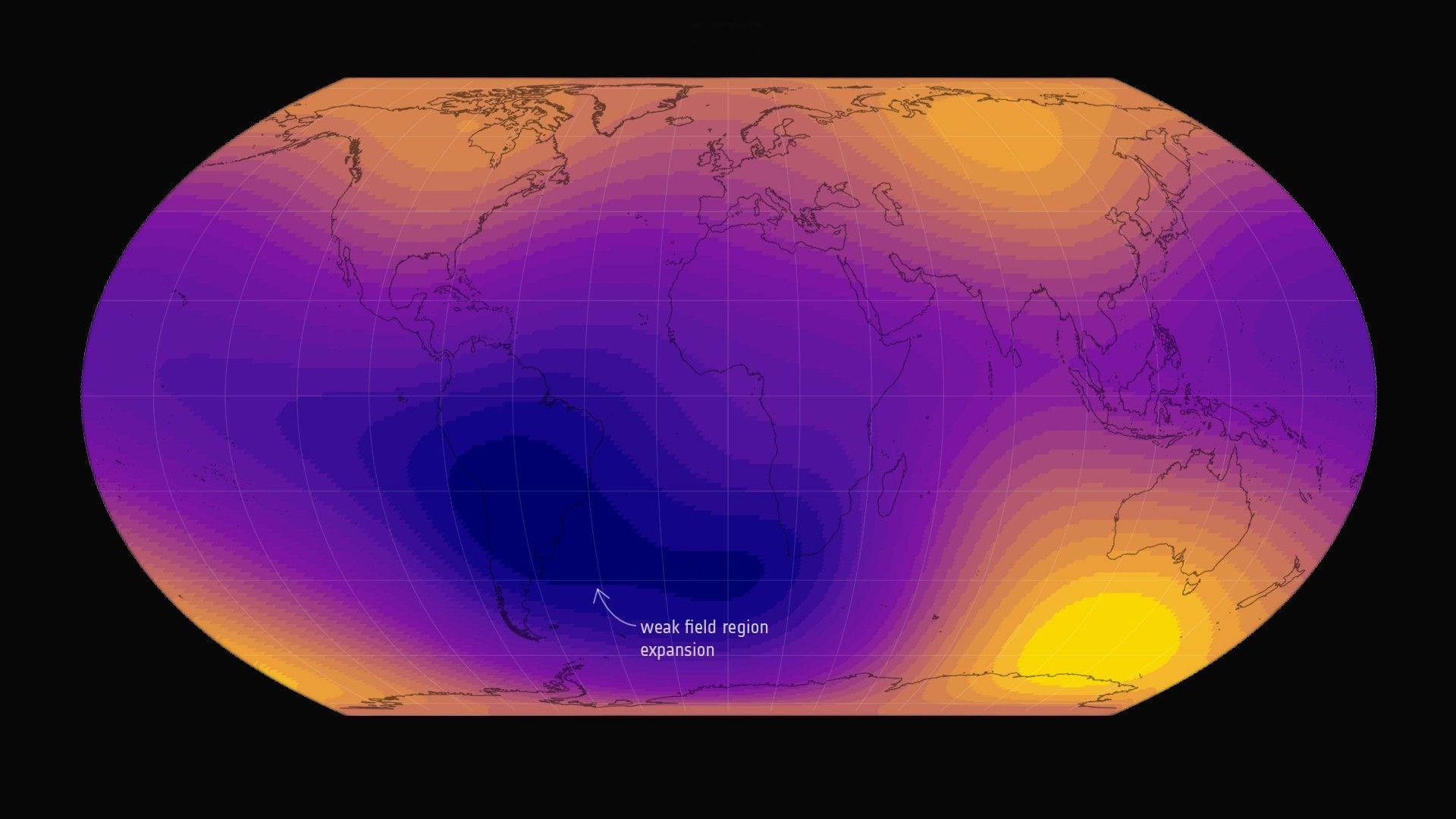
Using 11 years of data from ESA's Swarm satellites, scientists have found that the South Atlantic Anomaly, a weak spot in Earth's magnetic field, has expanded significantly since 2014, with faster weakening near Africa since 2020, which poses risks for satellites and space safety. The study also highlights dynamic changes in Earth's magnetic field over Siberia and Canada, linked to complex processes in Earth's core.

NASA Warns of Spreading Earth Anomaly Linked to Deep Crust Forces

Originally Published 3 months ago — by Evidence Network

Featured image for NASA Warns of Spreading Earth Anomaly Linked to Deep Crust Forces
Source: Evidence Network

NASA warns about the South Atlantic Anomaly, a growing weakness in Earth's magnetic field caused by deep geodynamic processes, which poses risks to satellites and space technology. The anomaly is expanding and splitting into two lobes, complicating predictions and increasing danger for space missions, though it is not an indicator of a magnetic pole reversal.

Scientists Uncover Billion-Year-Old Secrets of Earth's Magnetic Field

Originally Published 3 months ago — by SciTechDaily

Featured image for Scientists Uncover Billion-Year-Old Secrets of Earth's Magnetic Field
Source: SciTechDaily

Scientists have developed a new computer model demonstrating that Earth's magnetic field could have existed over a billion years ago when the core was entirely liquid, shedding light on the planet's magnetic history and its role in supporting life and modern technology.