
"Experiencing Eclipses: Harnessing Technology for Inclusive Sensory Experiences"
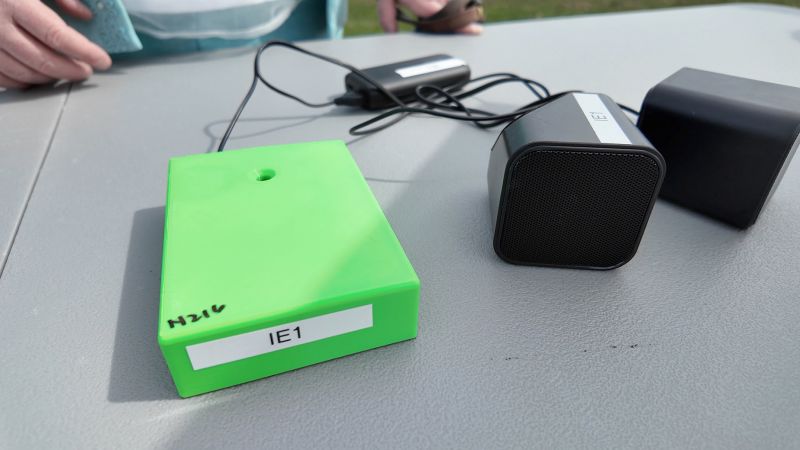
Harvard University astronomers have developed a device called LightSound that converts the intensity of light during a solar eclipse into audible tones, allowing people with blindness or low vision to experience the event. The project aims to make astronomical phenomena accessible through sonification, and the devices will be distributed at eclipse-viewing events. Additionally, the Eclipse Soundscapes app and partnerships with organizations like NASA and the National Park Service aim to provide multisensory experiences for people with disabilities during the eclipse. The team behind LightSound hopes to inspire young scientists and expand the initiative globally.
- What an eclipse sounds like — and why it matters CNN
- Thunderstorms in the forecast? Here are ways to still enjoy the eclipse NPR
- April 8 solar eclipse: What you need to know before you watch The Associated Press
- Blind People Can Hear and Feel 2024's Total Solar Eclipse With New Technology TIME
- They Can't See the Eclipse, but This Device Will Help Them Hear It The New York Times
Reading Insights
0
1
5 min
vs 6 min read
91%
1,070 → 94 words
Want the full story? Read the original article
Read on CNN