
space-and-science7.52 min read
Europe Boosts Space Budget Amidst Competition and Funding Challenges
2 months ago•Source: Space

The latest space and science stories, summarized by AI
The article features Keith Cowing, a space and astrobiology journalist and former NASA employee, highlighting his background and involvement in space exploration communities.
NASA Watch•8 months ago
Florida Today•1 year ago
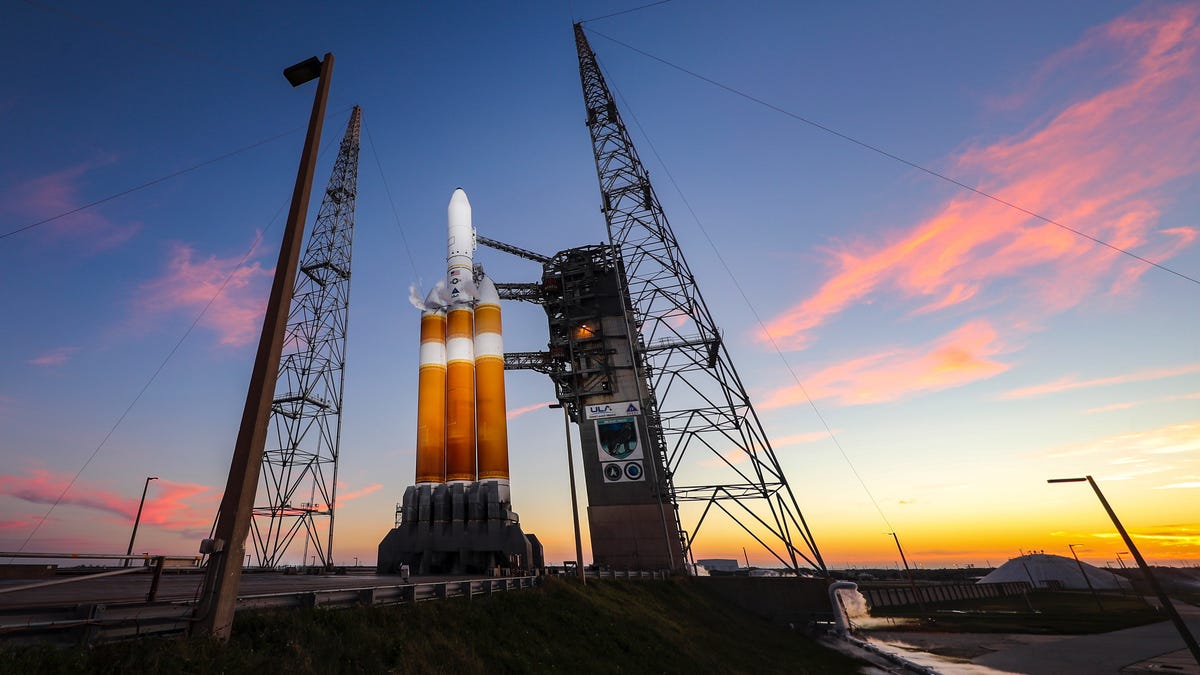
The Delta IV Heavy rocket, known as "the most metal of rockets," is set to launch for the last time from Cape Canaveral, delivering a National Reconnaissance Office mission to space. United Launch Alliance (ULA) is replacing the Delta IV Heavy with the next-generation Vulcan, which had a successful maiden flight earlier. The rocket, with three core stages, is known for its powerful thrust. The launch is scheduled for Tuesday, April 9, and will be visible in many parts of Florida and the Bahamas. ULA will provide live coverage, and viewers can watch the launch online.
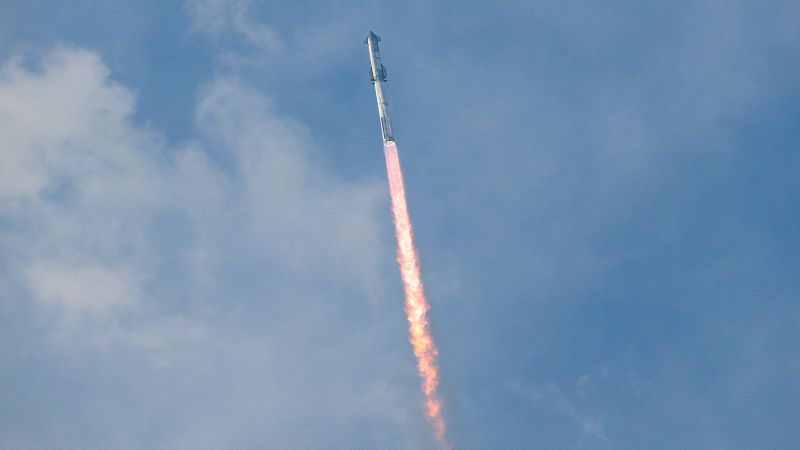
SpaceX's Starship, the world's most powerful rocket, completed its third test flight, achieving multiple milestones before ending prematurely and likely breaking apart. The spacecraft was expected to splash down in the Indian Ocean but lost signal shortly after reentering Earth's atmosphere. Meanwhile, researchers have discovered how Stone Age humans wore their piercings, axolotls manage to stay forever young, NASA's Voyager 1 spacecraft experiences a communication glitch, and scientists are preparing to observe animal behavior during the upcoming total solar eclipse.
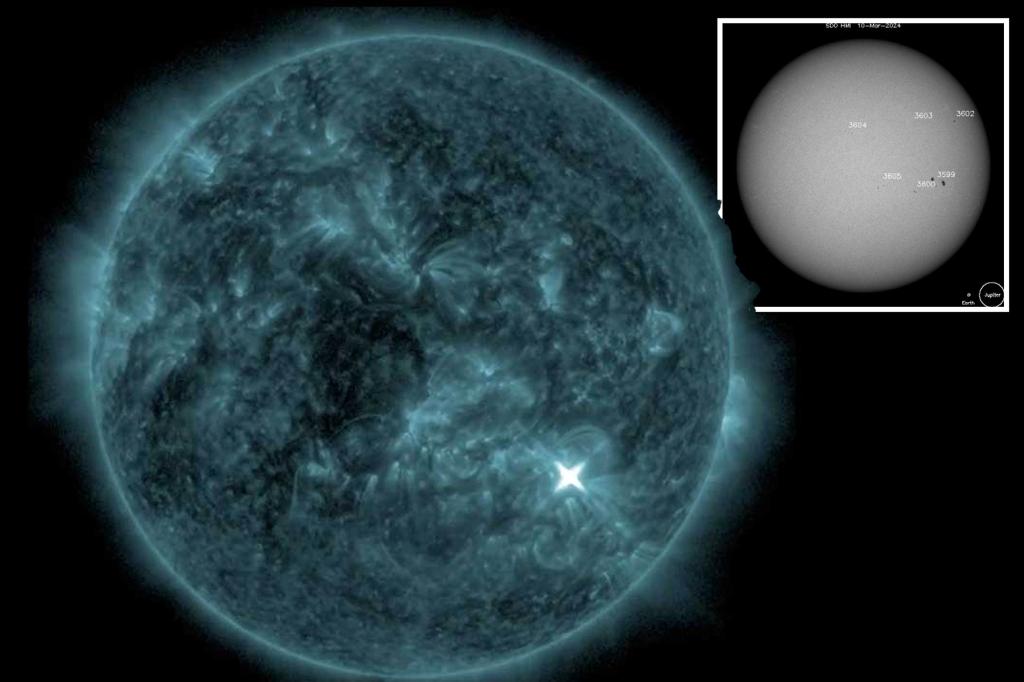
A strong M-Class solar flare erupted from the sun on Sunday, potentially causing limited radio blackouts in parts of North and South America. The flare, classified as an M7.4, was captured by NOAA's GOES East satellite and originated from Active Region 3599. While powerful solar flares can disrupt high-frequency radio communications and pose risks to space activities, the general public is not directly affected as the energetic particles do not reach low enough into Earth's atmosphere. NOAA's Space Weather Prediction Center is predicting moderate radio blackouts, lasting "tens of minutes," in affected regions.
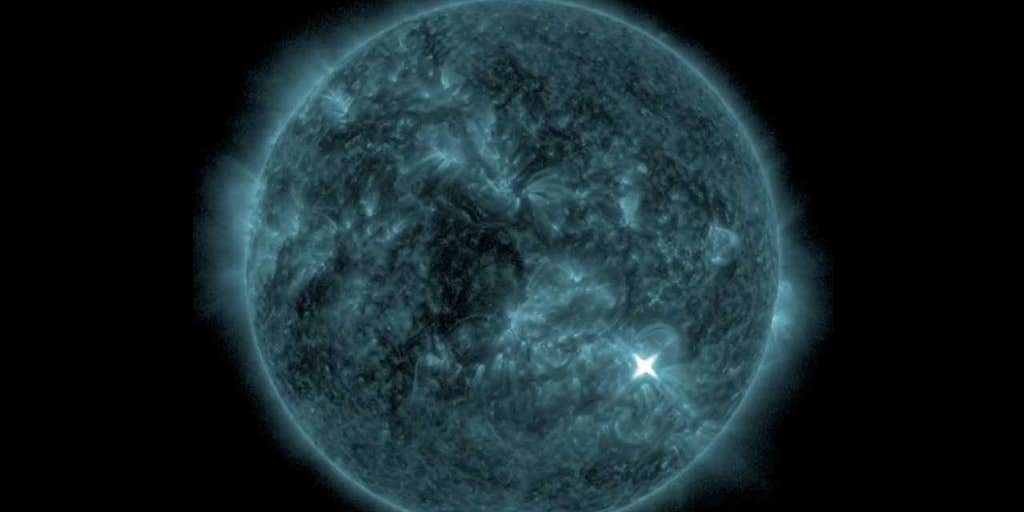
A powerful M7.4 X-ray solar flare peaked on Sunday morning, causing limited high-frequency radio blackouts in parts of North and South America. The flare originated from Active Region 3599 on the Sun and was captured by NOAA's GOES East satellite. While solar flares can pose risks to space launches and spacecraft, most people do not need to be concerned as the energetic particles do not reach low enough into Earth's atmosphere to affect the public.
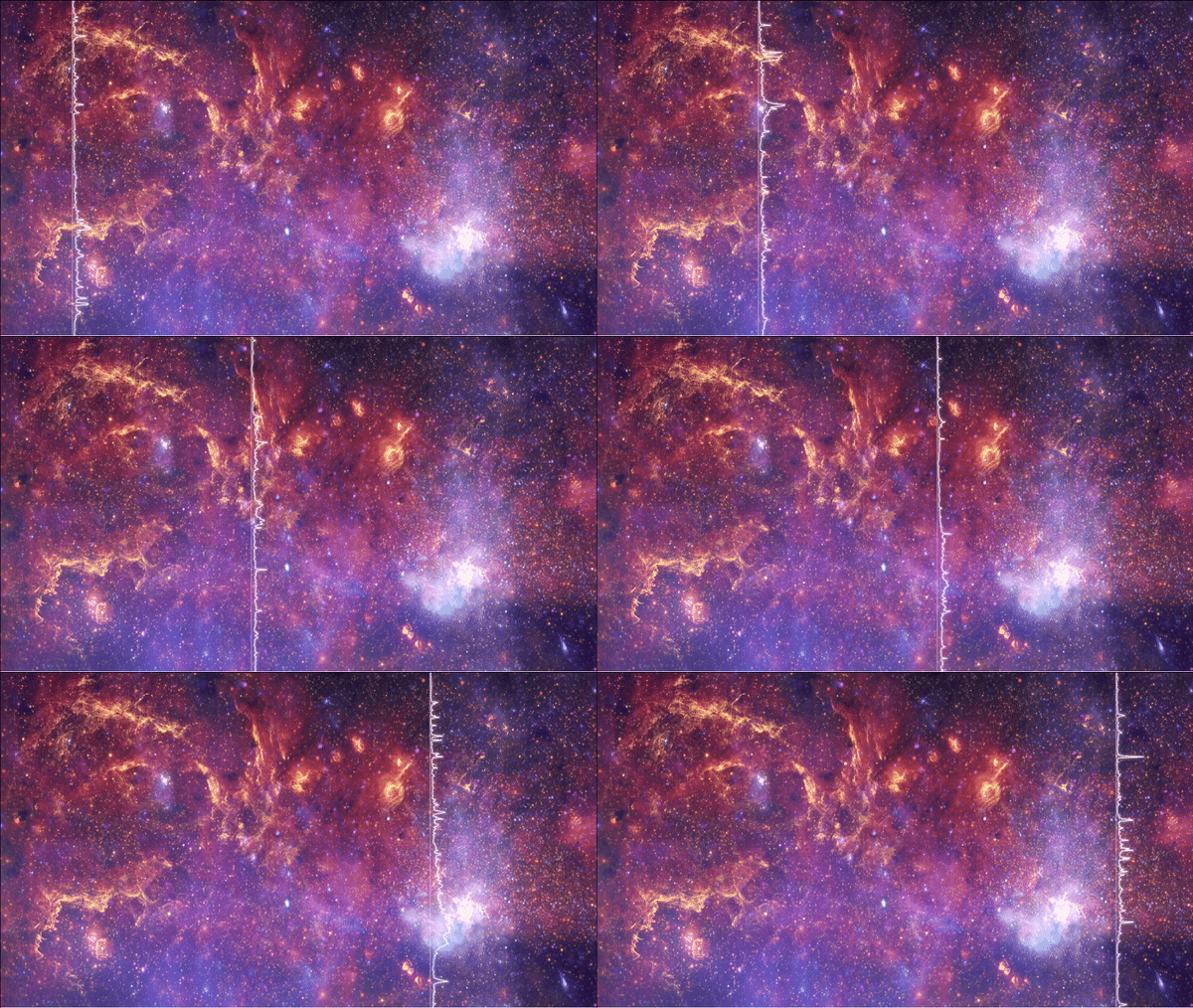
NASA has launched a project that translates cosmic discoveries into sound through a process called sonification, making the beauty of the universe accessible to the visually impaired. The project, showcased in the documentary "Listen to the Universe," accompanies new images of celestial objects observed by NASA's space telescopes. The sonifications, available on NASA's new streaming platform, offer a unique way to experience space imagery and have a broad impact on the blind and low-vision community.
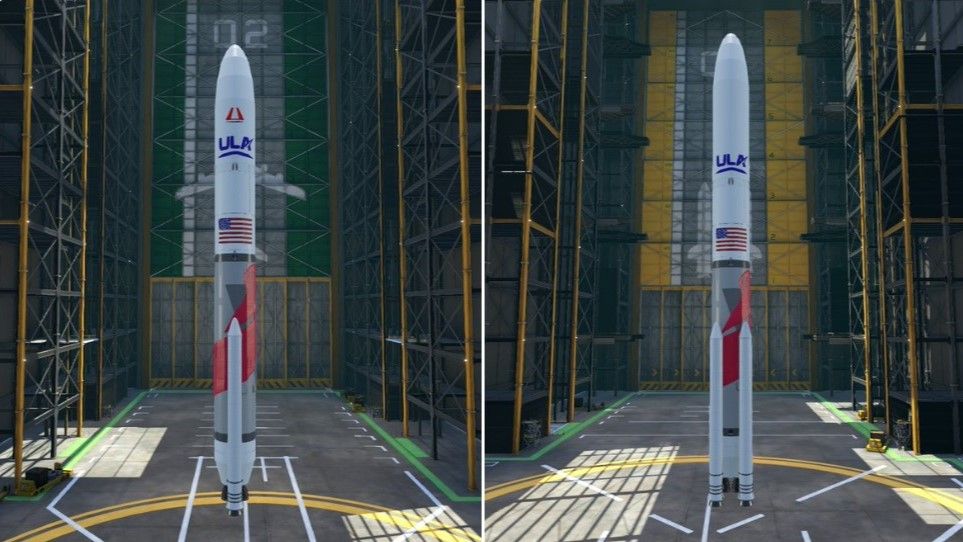
Kerbal Space Program and United Launch Alliance (ULA) partnered to challenge users to recreate ULA's Vulcan Centaur rocket in the Kerbal universe, with the winner being The Space Peacock for their near-perfect recreation. Both companies recently completed significant launches, and ULA's CEO Tory Bruno expressed positivity about the contest and the game's impact on STEM education. KSP2, the sequel to the popular spaceflight simulation game, aims to make rocket science accessible and engaging for players at any skill level, while ULA's Vulcan rocket had a successful first flight and is manifested for six flights in 2024.
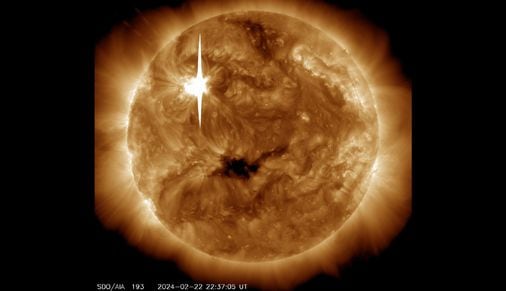
NASA captured images of the largest solar flare in years, with three powerful eruptions observed in 24 hours, temporarily affecting shortwave radio communications on Earth. The most intense flare, rated X6.37, occurred late Thursday afternoon. Solar flares are rated by intensity, and the recent activity indicates an increased period of solar activity as the sun follows its 11-year solar cycle. While harmful radiation from flares cannot physically affect humans, they can impact radio propagation and spark geomagnetic storms. Scientists dispelled any connection between the recent flares and a cellular network outage in Massachusetts, emphasizing that the worst impacts come from coronal mass ejections, not the initial flares.
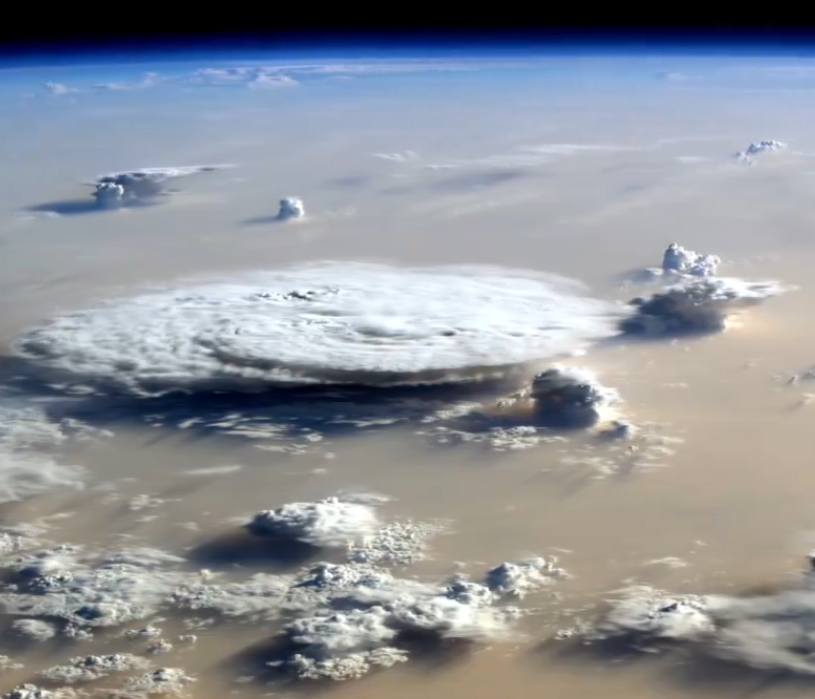
NASA's Johnson Space Center captured stunning footage of the Sahara Desert from space, showing sandstorms and cumulonimbus clouds covering the desert, giving it an "alien-looking planet" appearance. Internet users were mesmerized by the view, with one user commenting on the unique perspective it offers of Earth's diverse landscapes. The Sahara Desert, located in Northern Africa, is the largest hot desert in the world, known for its harsh climate and diverse landscapes.
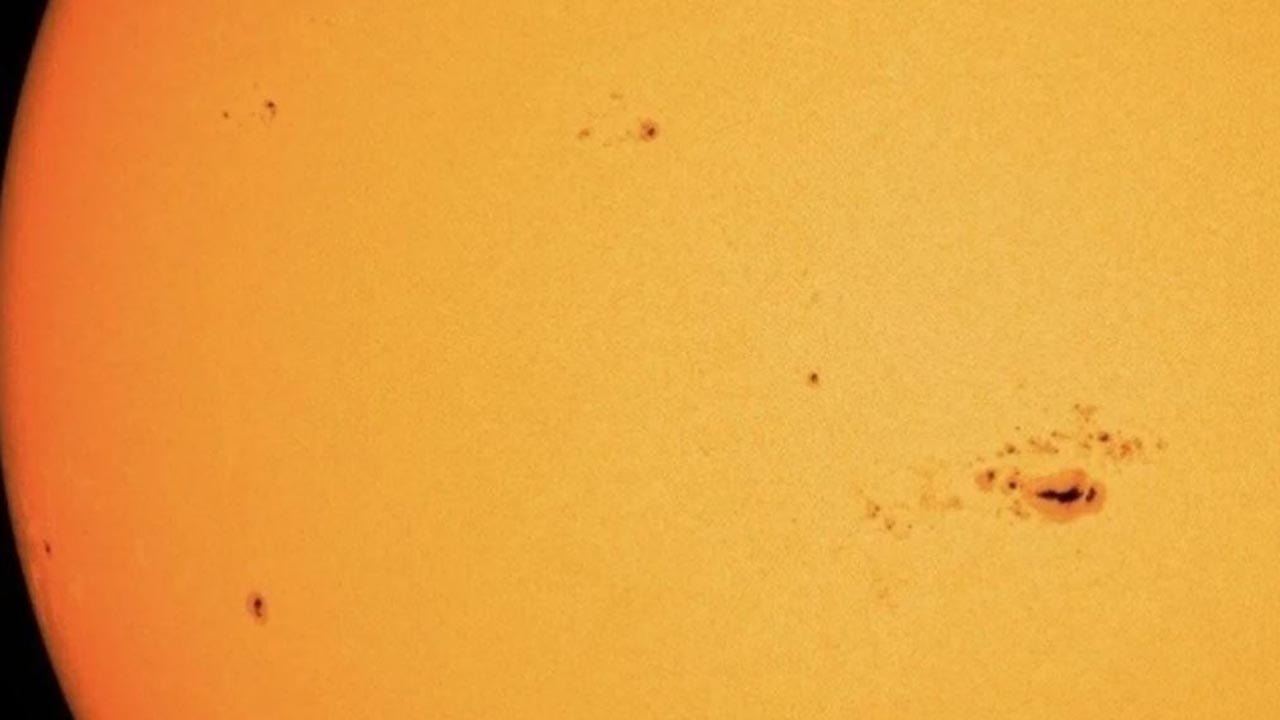
NASA has detected a large cluster of sunspots, known as AR3576, which has increased in size and could cause strong solar flares, posing risks to spacecraft, astronauts, radio communications, power grids, and navigation signals. The sunspots, larger than Earth, were first discovered at the end of last month and are now facing Earth. NASA's Solar Dynamics Observatory captured a massive solar flare on Friday, and the sunspot group is around 93,200 miles long, nearly four times the circumference of Earth.
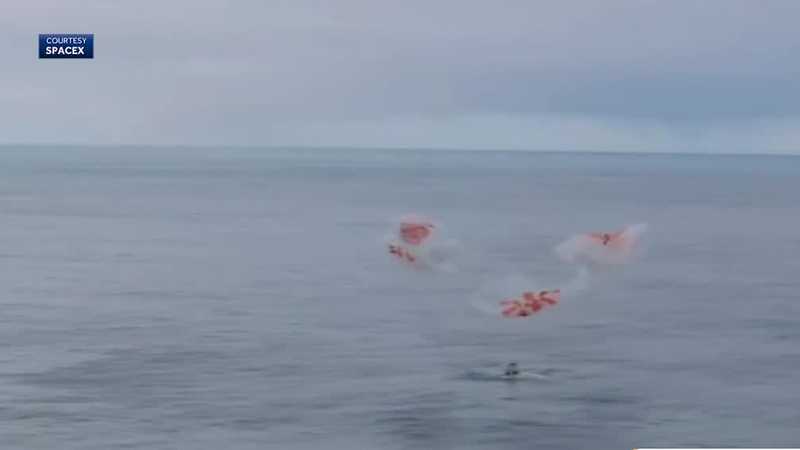
Central Florida residents were startled by a loud boom around 8:30 a.m., which turned out to be an apparent sonic boom from the Axiom crew's splashdown off the Florida coast. The boom was captured on a security camera in Sanford, prompting social media discussions and causing bewilderment among residents. The event coincided with the Axiom crew's re-entry, highlighting the increasing presence of space activities involving astronauts.