Tag

Planetary Parade

All articles tagged with #planetary parade

Six-Planet Parade Captured Over Dorset
science20 hours ago

Six-Planet Parade Captured Over Dorset

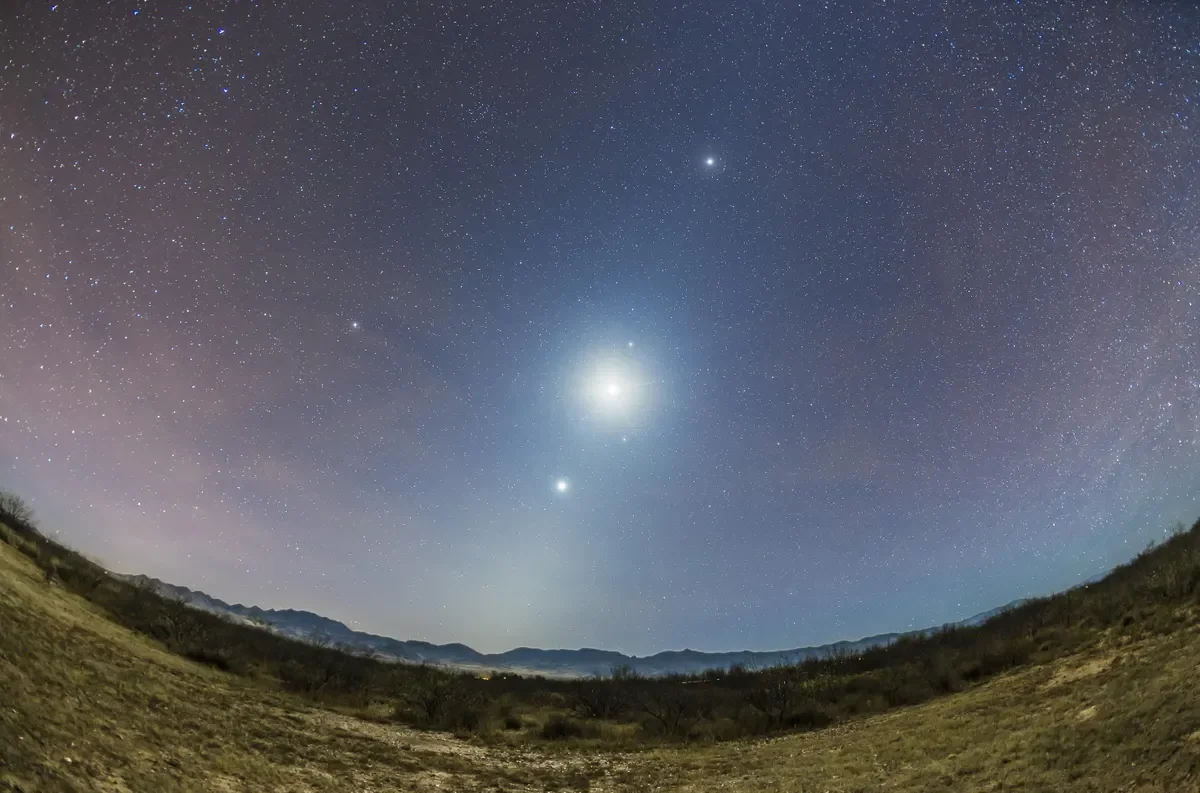
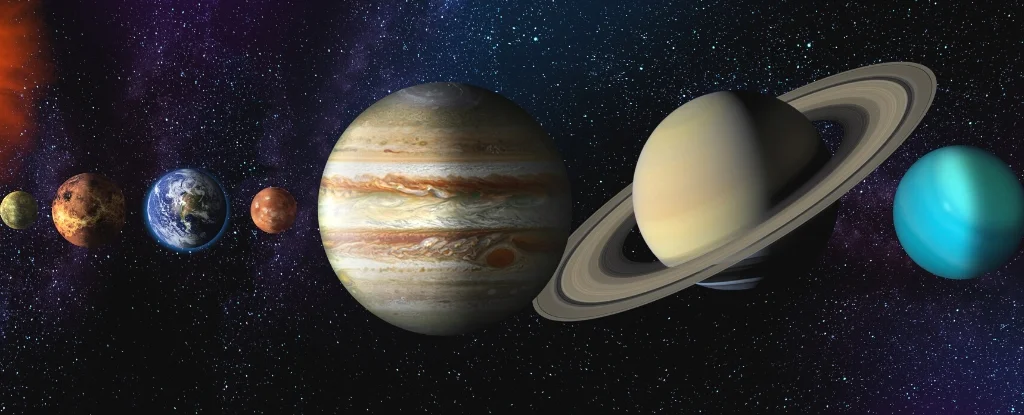
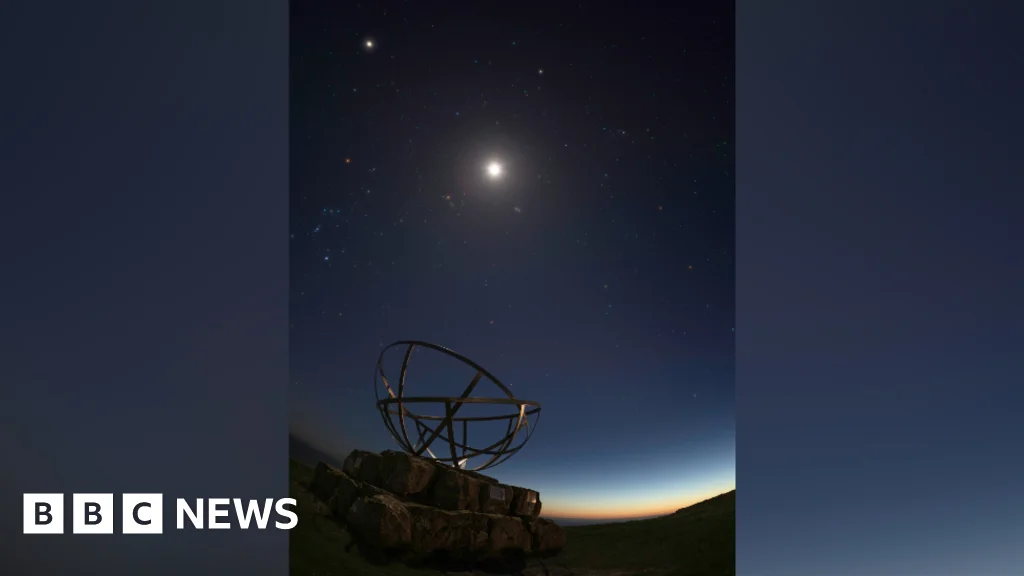
A Bristol photographer, Josh Dury, captured a planetary parade from Worth Matravers, Dorset, featuring Earth and six other planets (Mercury, Venus, Jupiter, Saturn, Uranus and Neptune) plus the Moon in a single wide shot, after a long journey and timing with sunset; another view is expected after Saturday sunset.
Jupiter at Opposition Sparks Winter Sky Parade and March Lunar Eclipse
science1 month ago

Jupiter at Opposition Sparks Winter Sky Parade and March Lunar Eclipse

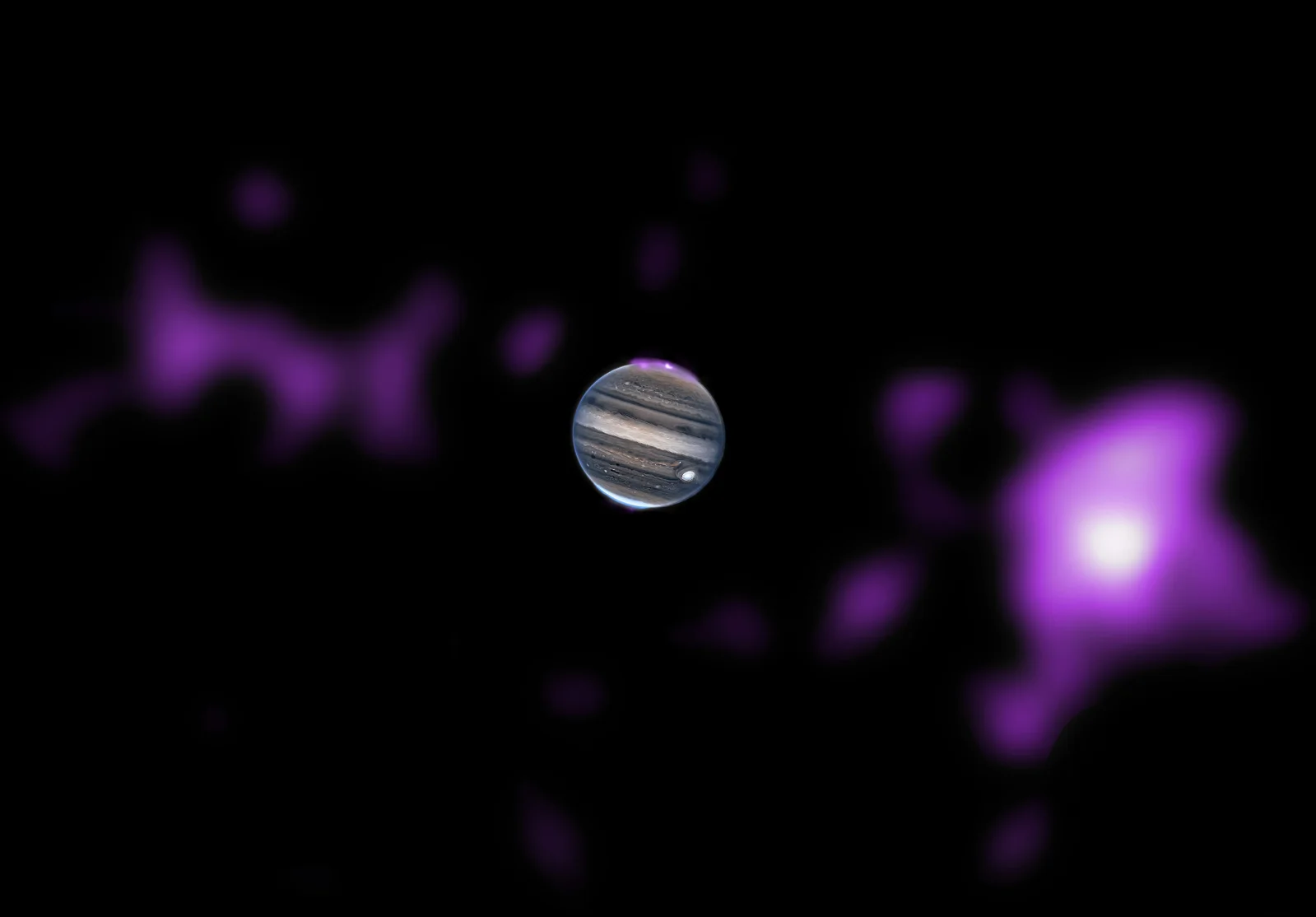
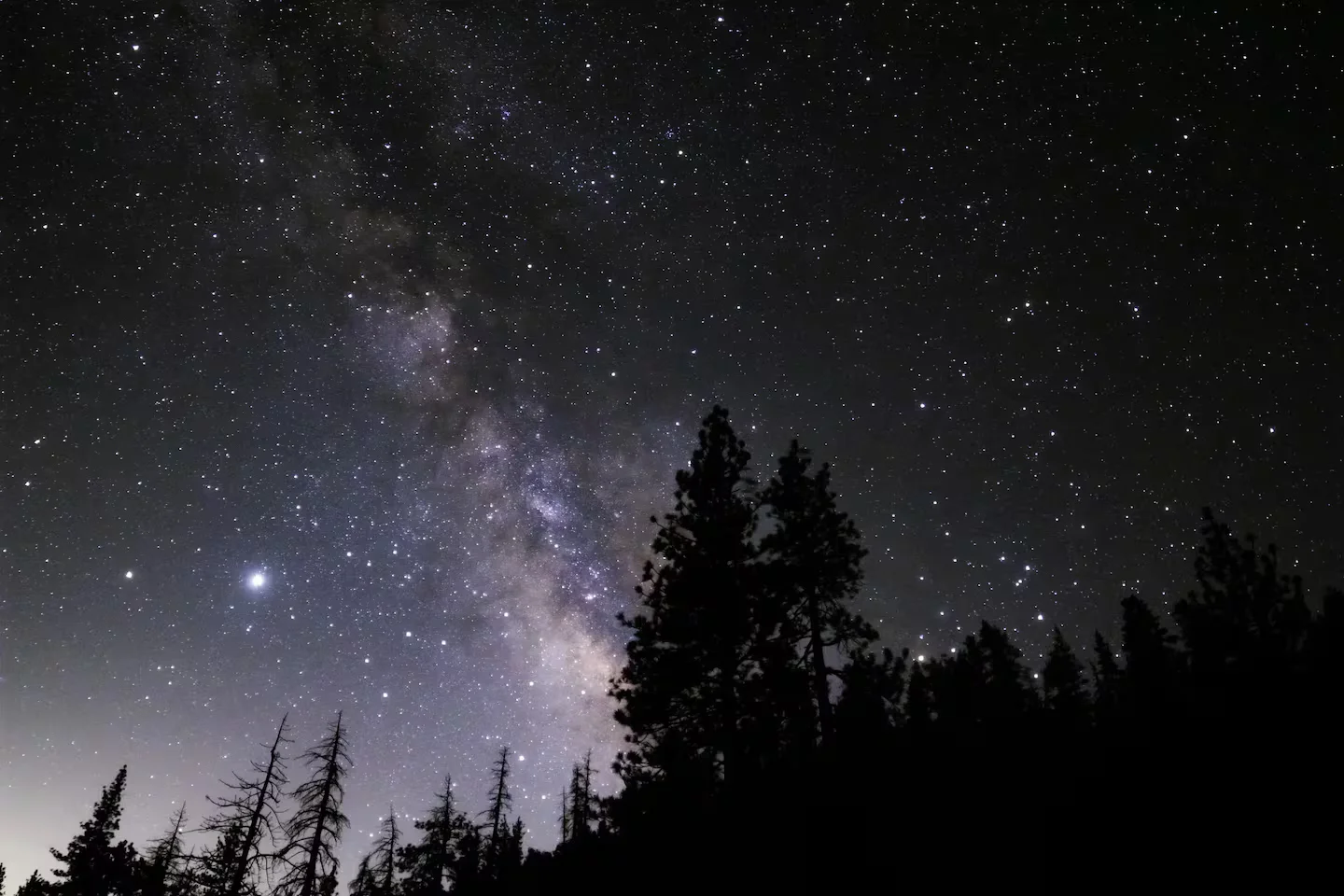
Winter nights offer several celestial events: Jupiter is at opposition in January, bright at magnitude -2.7; on February 28 a six-planet parade will unfold after sunset (Venus, Jupiter, Saturn, and Mercury visible to the naked eye; Uranus and Neptune with binoculars); a total lunar eclipse on March 3 will produce a 'blood moon' visible in parts of North America and the Pacific; Venus re-emerges in late February into March after a January 6 super conjunction; the piece also highlights easy stargazing with Orion, Taurus, Gemini and the Winter Triangle and notes three annual supermoons (Wolf Moon in January, Beaver Moon in November, Cold Moon in December).

Six-Planet Parade to Grace Morning Sky on June 3
science-and-astronomy1 year ago

Six-Planet Parade to Grace Morning Sky on June 3

NASA and Astronomers Without Borders advise stargazers to wait until June 29 for a better view of the planetary parade, as the alignment on June 3 will be obscured by the sun's light. Jupiter, Mercury, and Uranus will be too close to the horizon and difficult to see. The end of June will offer a clearer view of six planets, including Jupiter, Uranus, Mars, Neptune, and Saturn, along with the moon.

"Six-Planet Alignment to Grace Night Sky on June 3rd"
science-and-astronomy1 year ago

"Six-Planet Alignment to Grace Night Sky on June 3rd"

A "planetary parade" will see six planets align in the morning sky, with Mars, Saturn, and Jupiter visible to the naked eye. The best viewing time in Europe and North America is Sunday, half an hour before sunrise. Binoculars or a telescope can help spot Uranus and Neptune. This alignment is a common occurrence and not a true spatial alignment of planets.

"Get Ready for the Upcoming Planetary Parade"
science-and-space1 year ago

"Get Ready for the Upcoming Planetary Parade"

Following a rare solar eclipse and northern lights, a "planetary parade" will occur on June 3, with Mercury, Mars, Jupiter, Saturn, Uranus, and Neptune aligning. However, only two planets may be visible to the naked eye. A more visible alignment of Mars, Jupiter, Saturn, and the three-quarter moon will happen on June 29. Additionally, a nova outburst is expected before September, offering a rare stargazing opportunity.

Don't Miss the Planetary Parade: 5 Aligned Planets Visible in March Sky.
skywatching2 years ago

Don't Miss the Planetary Parade: 5 Aligned Planets Visible in March Sky.

On March 27, a planetary parade consisting of Mercury, Jupiter, Venus, Mars, and Uranus will be visible in the sky. This event coincides with the Messier Marathon, where amateur astronomers try to spot all 110 deep sky objects cataloged by Charles Messier. To see the planetary parade, stargazers should find an unobstructed view of the western horizon and use binoculars. Venus will be easy to spot, while Mars will be visible near the moon. Uranus will be faint and greenish in color.

Don't Miss the 'Planetary Parade' of 5 Aligned Planets on March 27.
science2 years ago

Don't Miss the 'Planetary Parade' of 5 Aligned Planets on March 27.

Five planets, Mercury, Venus, Mars, Jupiter, and Uranus, will align simultaneously in a small 50-degree sector of the sky, creating a rare planetary alignment or "planetary parade" visible to skywatchers just one week after the vernal equinox. The alignment will become visible on March 25, with the optimal day of observation being three days later on March 28. To view the event, it's recommended to set up just after sunset in a clear, unobstructed area away from light pollution. Apps like NightSky can help locate the planets in the sky.

Don't Miss the Rare Cosmic Event: 5 Planets Align in the Sky!
astronomy2 years ago

Don't Miss the Rare Cosmic Event: 5 Planets Align in the Sky!

Five planets, Jupiter, Mercury, Venus, Uranus, and Mars, will align in an arc formation on the nights of March 25 through 30, alongside the Moon. To spot all five planets in one night, timing, dark skies, and a clear view of the horizon are key. Venus will be the easiest to spot with the naked eye, while Uranus and Mercury may be harder to see. An astronomy app like Sky Tonight or SkySafari can help identify the planets. Jupiter and Mercury will appear side-by-side shortly after sunset, followed by Venus and Uranus. Mars will appear bright red and high up in the southwest sky.