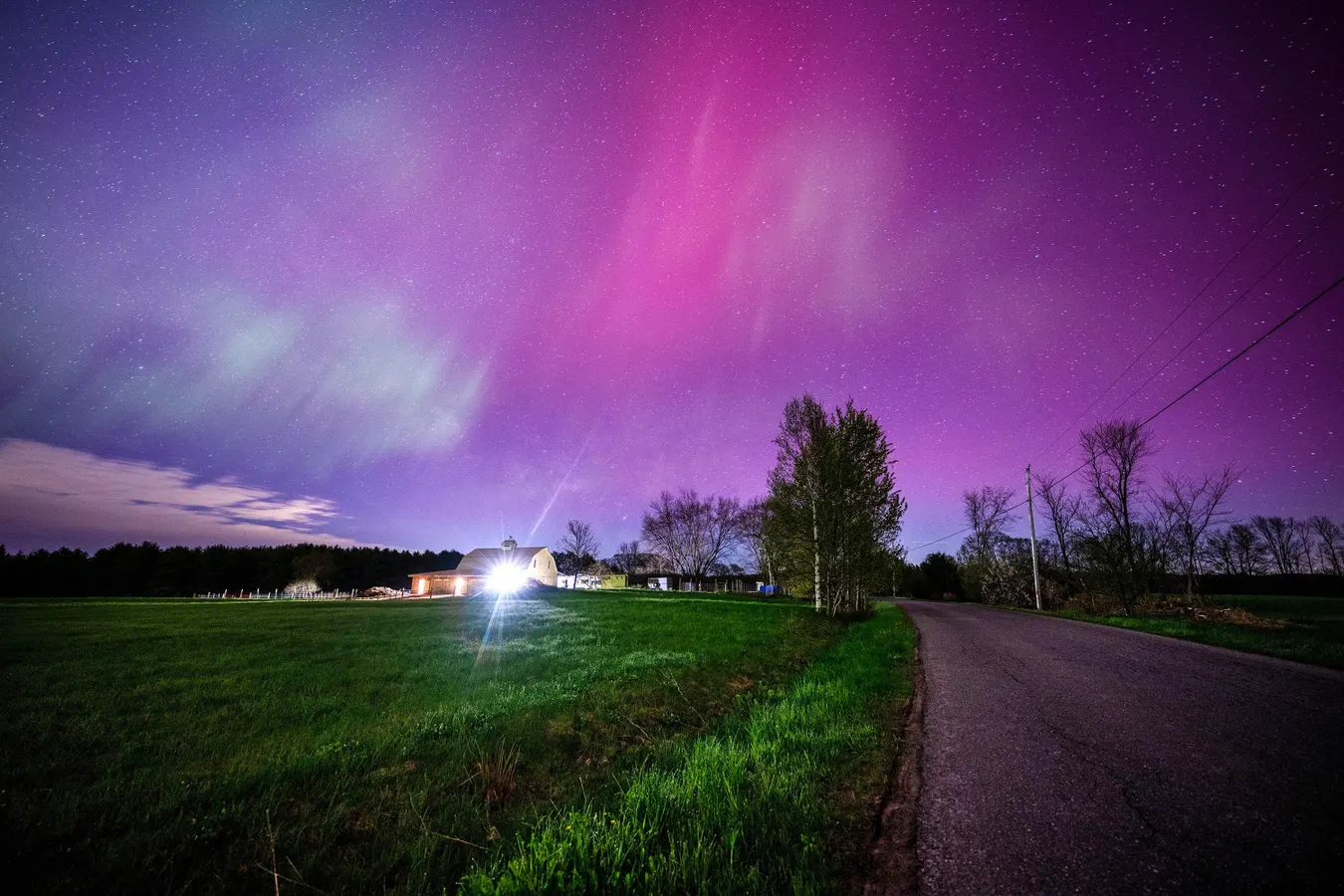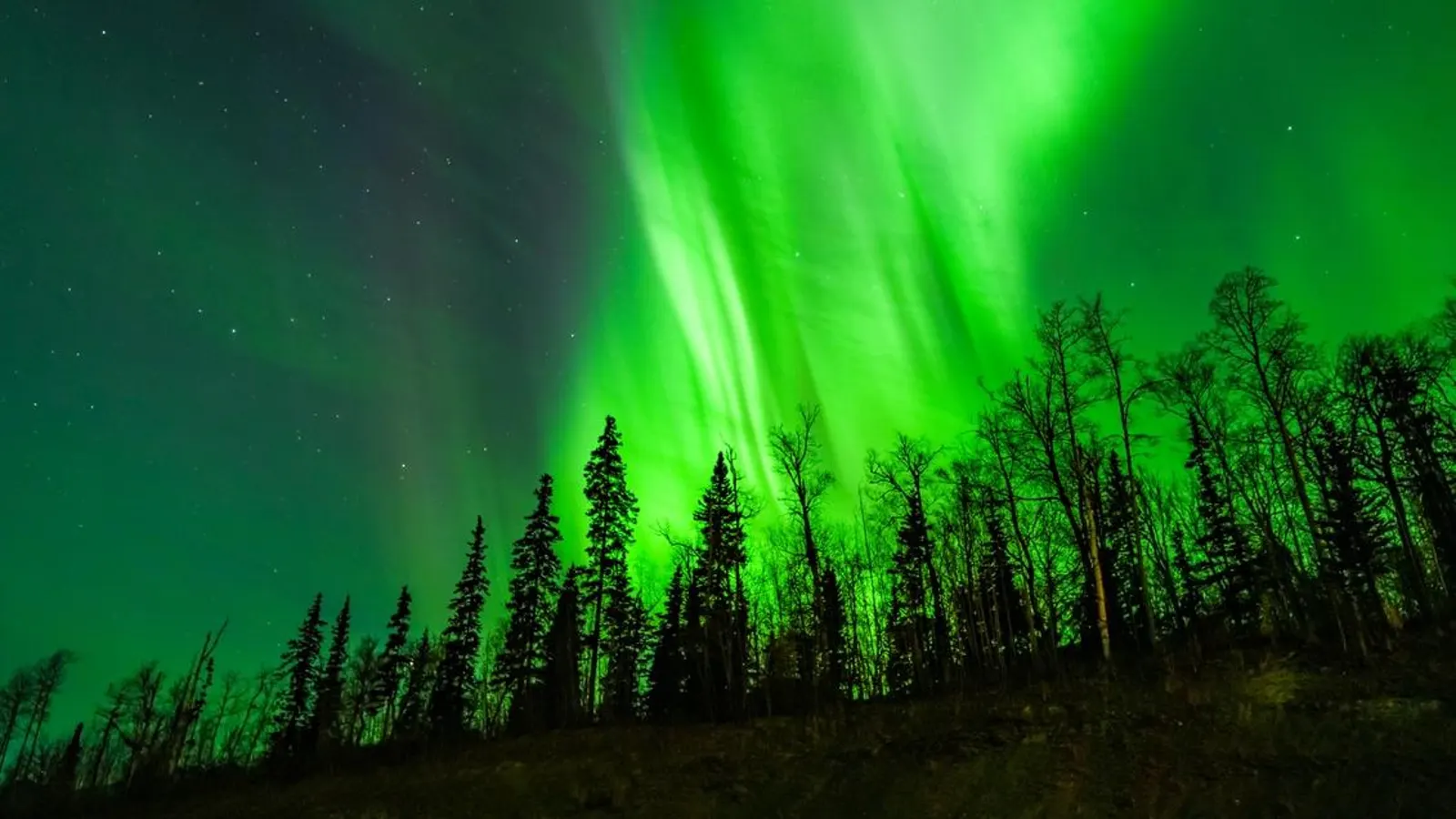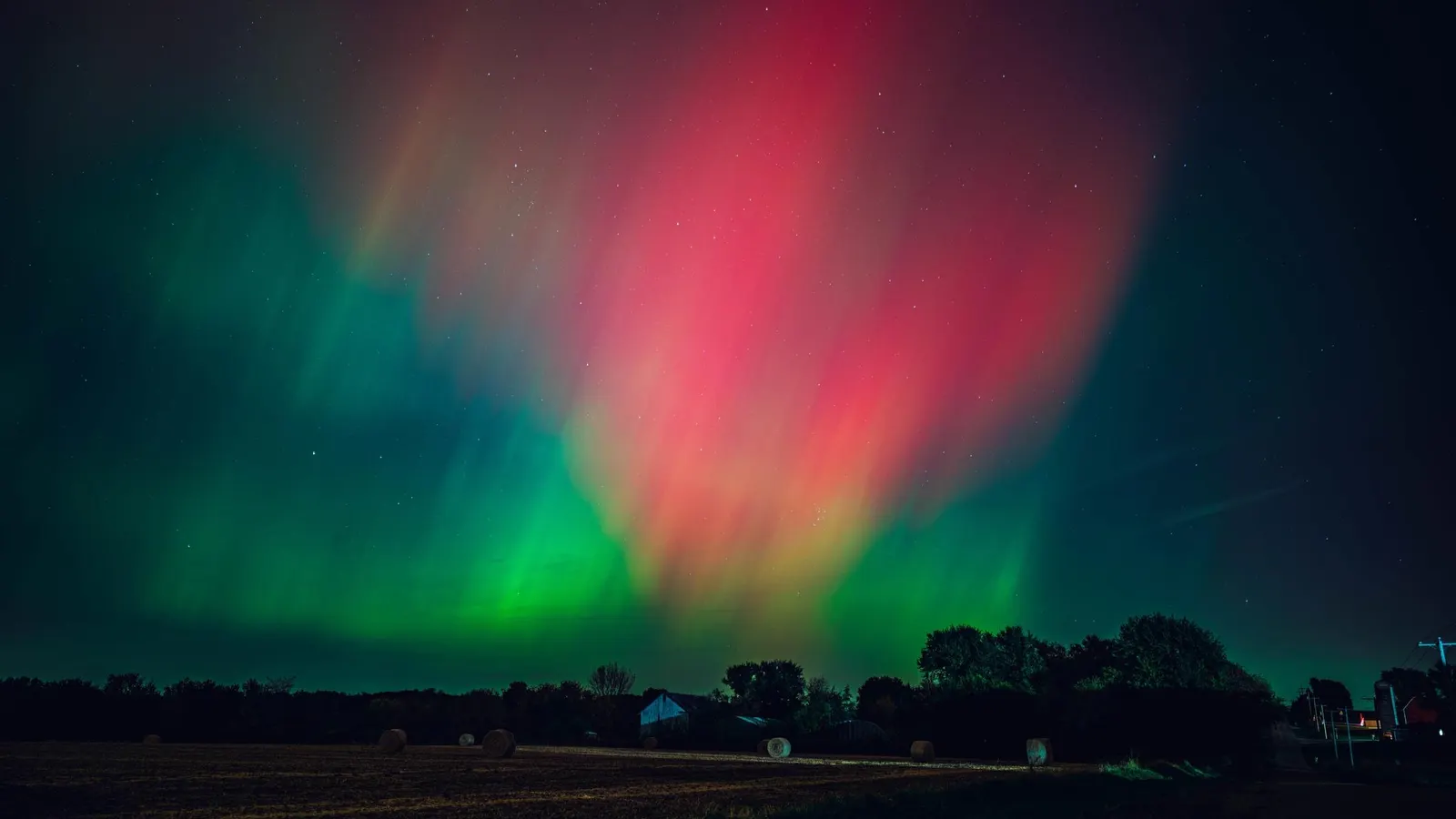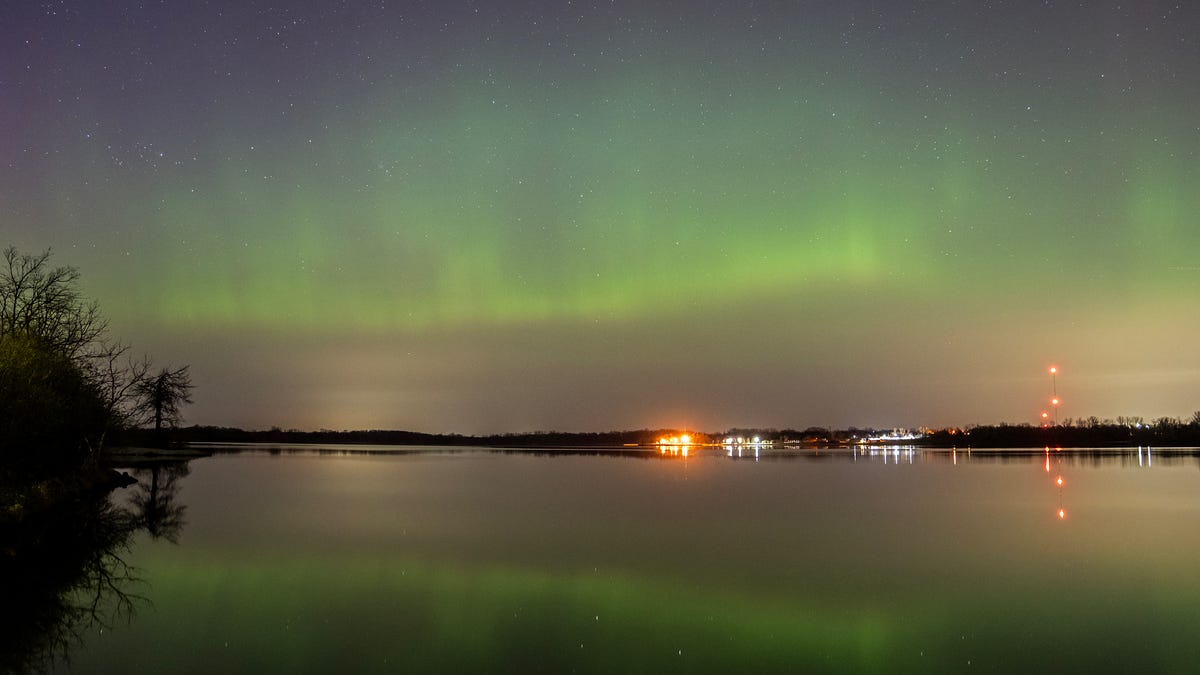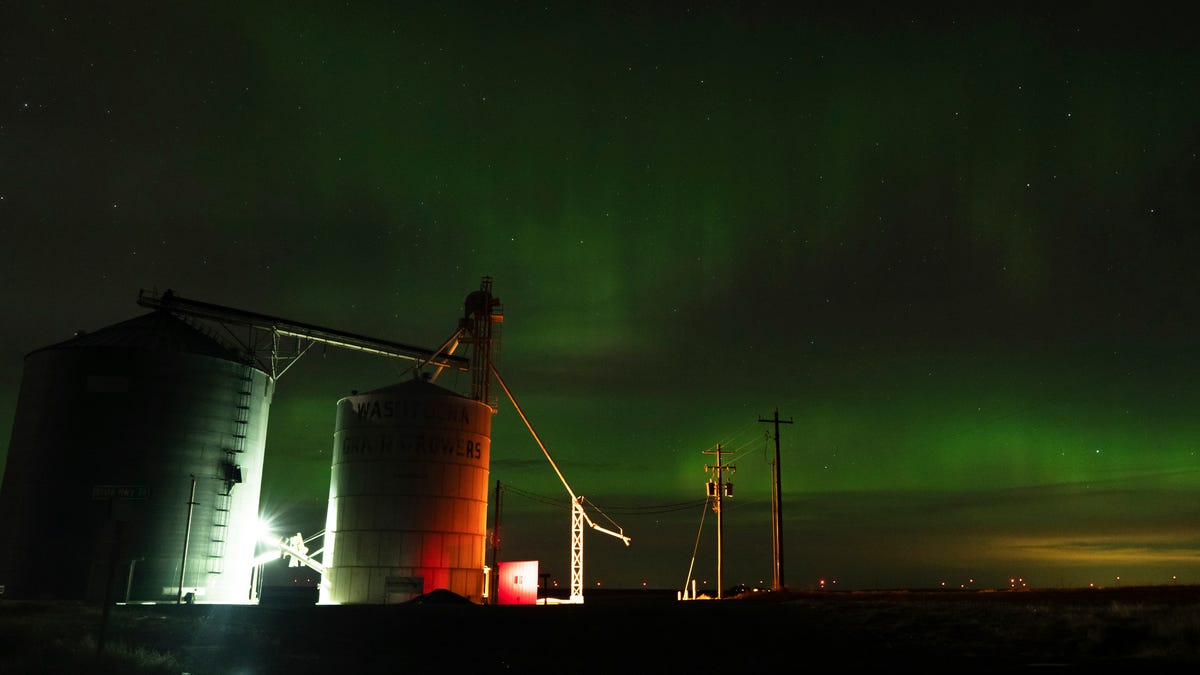
The northern lights may be visible in several northern U.S. states on Wednesday due to geomagnetic storms caused by solar winds and a coronal mass ejection, with brighter and more widespread displays possible as a result.
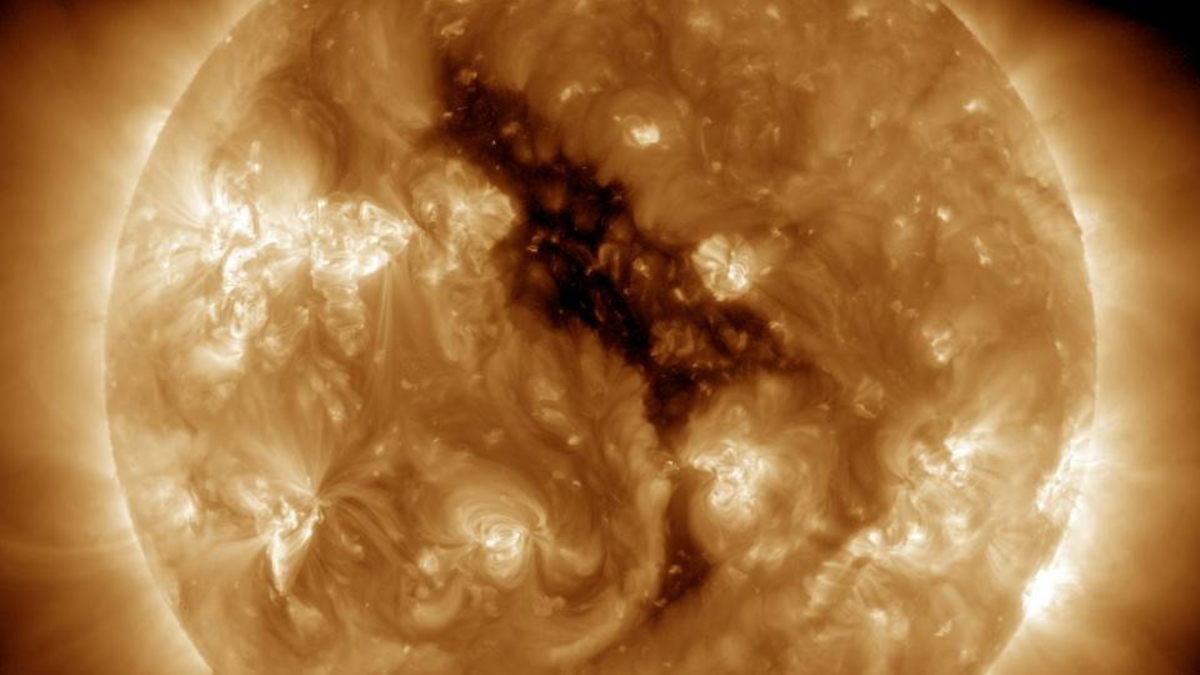
The northern lights may be visible from several U.S. states along the U.S.-Canadian border tonight due to minor geomagnetic storms caused by solar winds from coronal holes on the Sun, with the best viewing conditions being northward and around midnight.
Forecasters at NOAA have issued a geomagnetic storm watch, increasing the chances of seeing the northern lights across 10 U.S. states and parts of Canada on Wednesday night, due to solar winds interacting with Earth's magnetic field, with the best viewing times between 10 p.m. and 2 a.m.
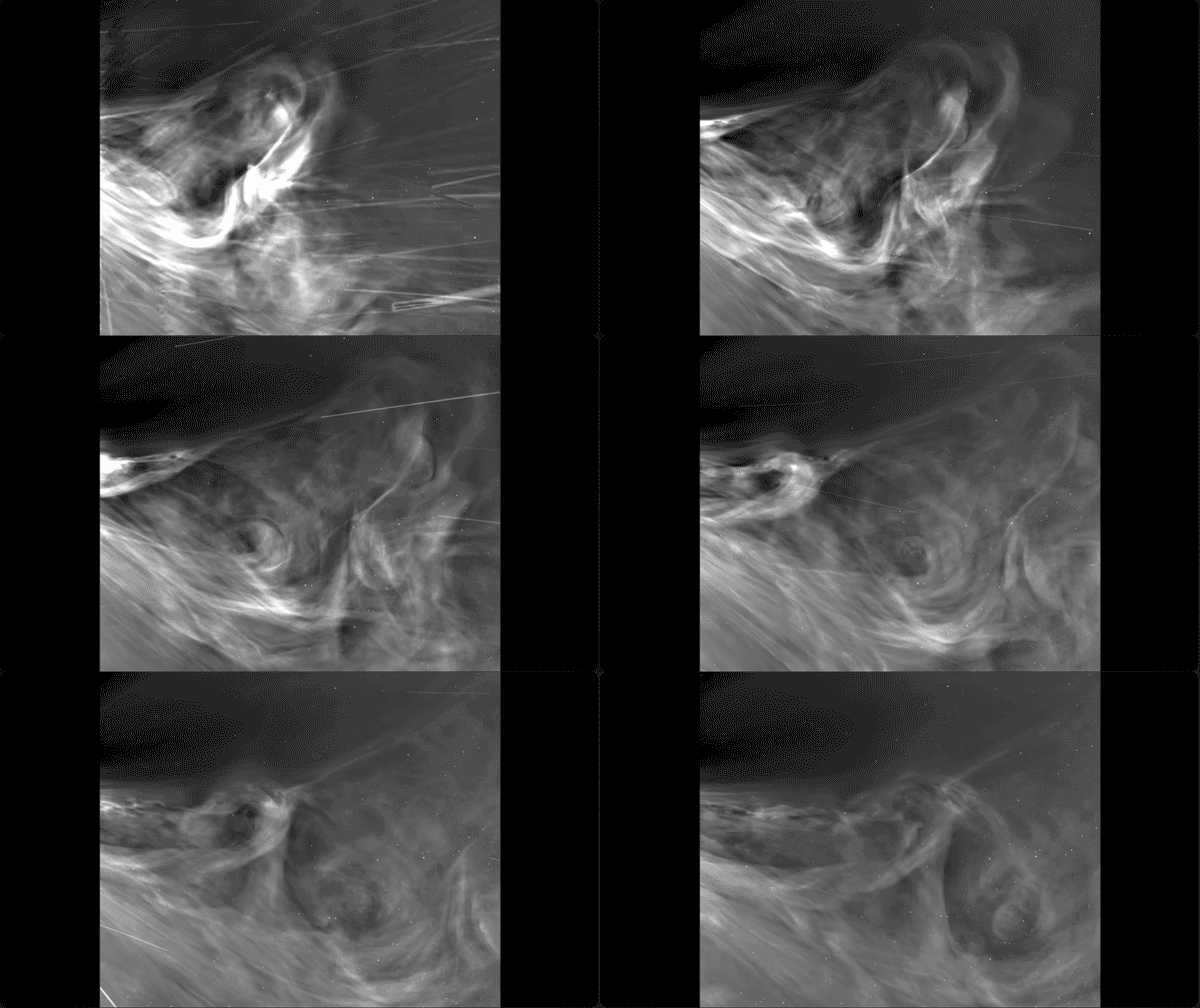
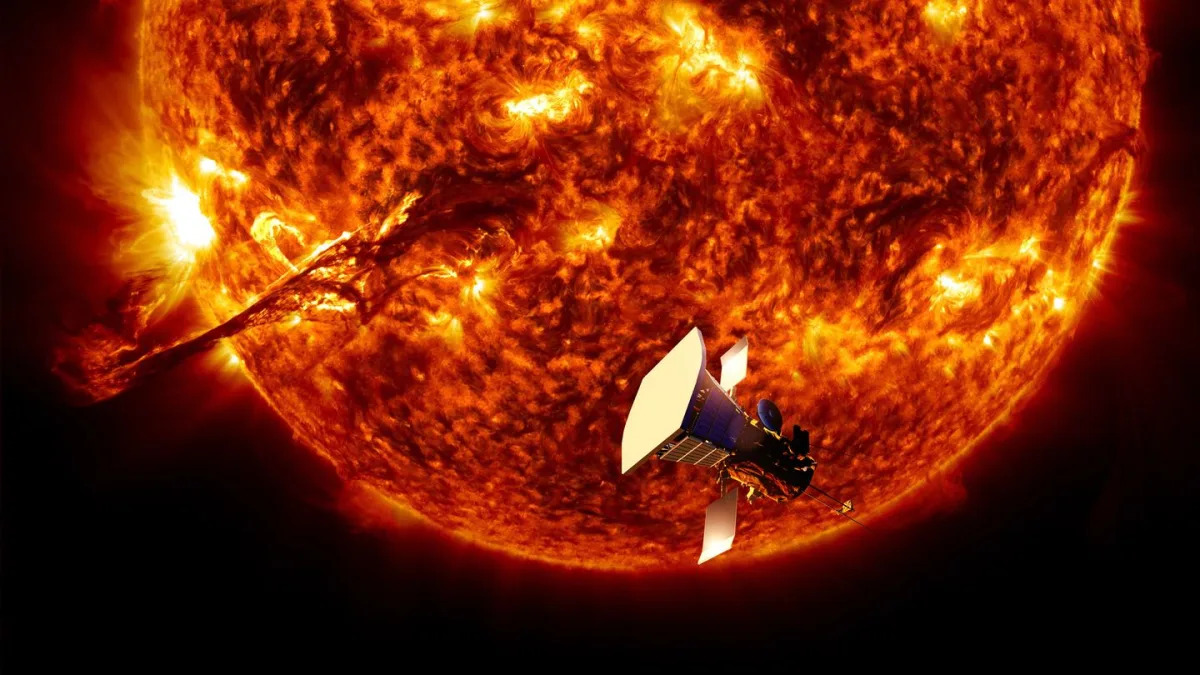
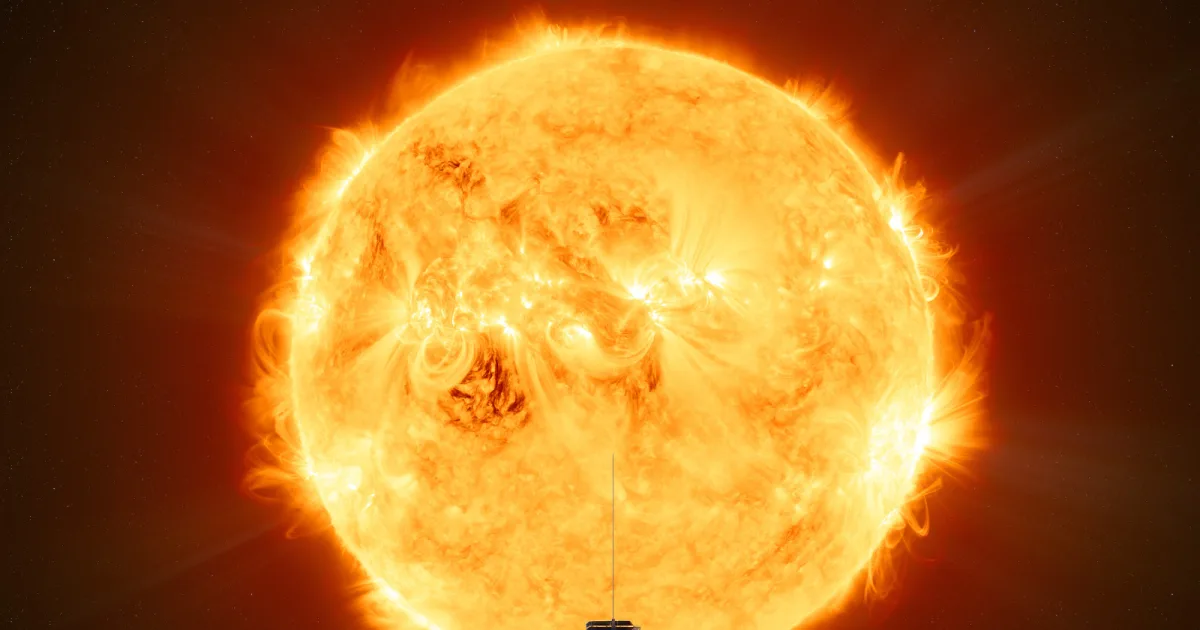
NASA's Parker Solar Probe flew through the sun's corona, capturing the closest images and videos of the sun's atmosphere and solar wind, which will help improve understanding of space weather, solar phenomena, and potentially enhance astronaut and satellite safety.
NASA's Parker Solar Probe will make its closest ever approach to the Sun on December 24, 2024, coming within 3.83 million miles of the Sun's surface. The spacecraft, which has been on a six-year mission, aims to study the Sun's hidden forces and gather data on solar winds and waves within the Sun's atmosphere. This close approach will provide valuable insights into the processes that heat the solar wind, potentially answering long-standing questions about the Sun's behavior.
The northern lights, also known as the aurora borealis, were visible in the skies of northern Michigan on Saturday night. This astronomical phenomenon, caused by solar winds and Earth's magnetic field, is typically seen closer to the North and South poles but can occasionally be spotted closer to the equator. The best months to see the northern lights in Michigan are from September to April.
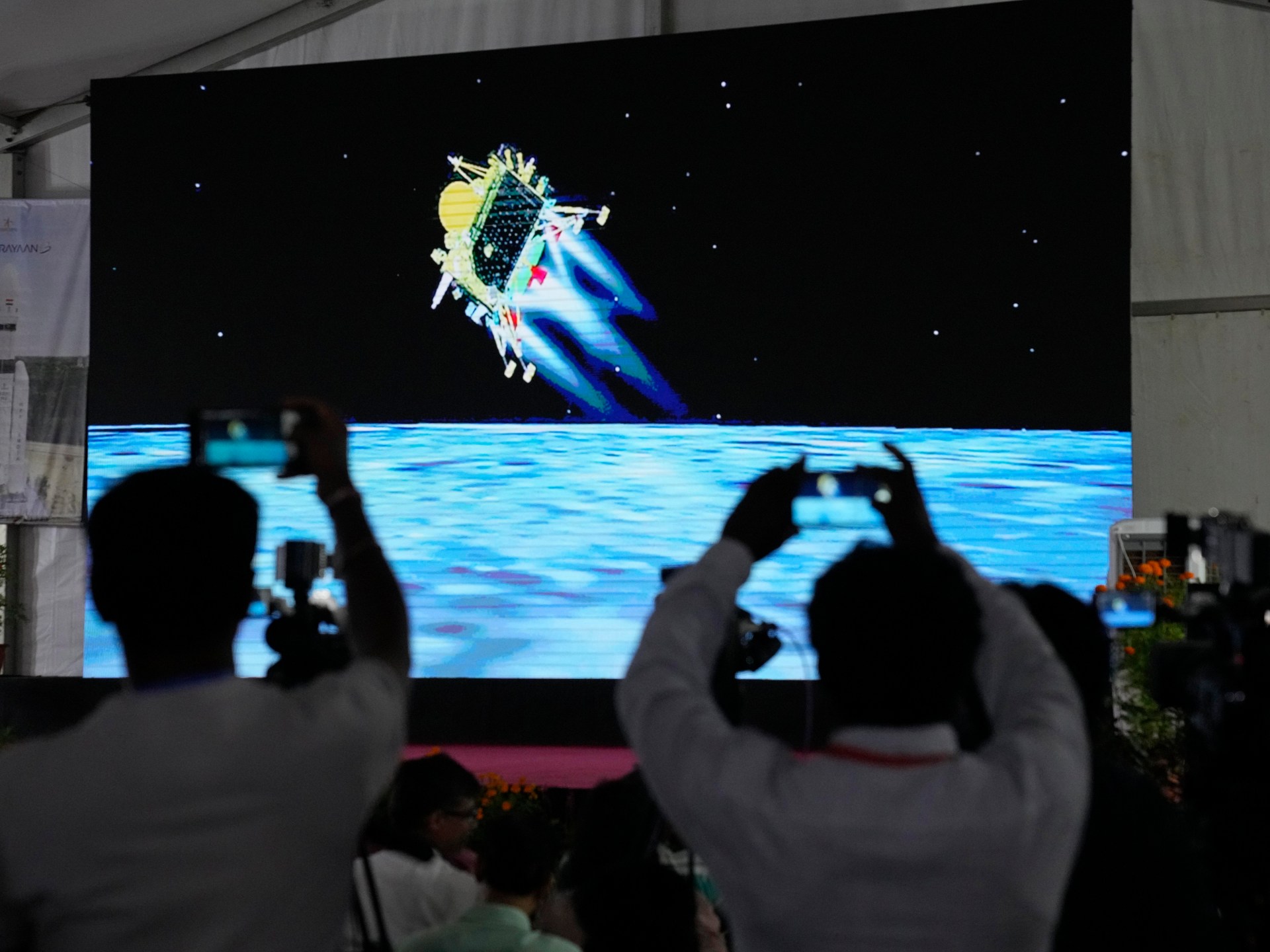
India is set to launch its first space-based observatory, named Aditya-L1, on September 2 to study solar winds and their impact on Earth. The probe will be launched from Sriharikota using the PSLV launch vehicle and will travel about 1.5 million km to reach its observation point. Aditya-L1 will carry seven payloads to observe the sun's outermost layers and will be placed in a halo orbit to provide continuous clear views of the sun. This marks India's first mission to study the sun, following its recent successful moon landing. India's space program has been growing rapidly, with plans for future missions to the moon and Venus.
The Solar Orbiter spacecraft has potentially discovered the source of solar winds, capturing images of "picoflare jets" emanating from a dark region of the sun called a coronal hole. These jets, which are much weaker than solar flares but still contain substantial energy, could be responsible for producing the charged particles that make up solar winds. Scientists have long known that coronal holes are source regions for solar winds, but the mechanism of how plasma streams emerge from them has remained a mystery. The discovery of these picoflare jets could provide the answer and help explain the high temperature of the sun's corona.
The Solar Orbiter spacecraft has observed small-scale jets of energy, known as picojets, emerging from dark holes in the sun's outer atmosphere for the first time. These picojets could be the source of energy and matter for solar winds, which are high-speed outflows of hot gas from the sun. The picojets were observed in extreme ultraviolet images and are the smallest and weakest type of jets in the solar corona. The team believes that magnetic reconnection, the breaking and reconnecting of magnetic field lines, is driving these picojets. The discovery could help solve the mystery of why the sun's outer atmosphere is hotter than its surface.
The northern lights, or aurora borealis, may be visible in 17 U.S. states this week, but are unlikely to stretch into Iowa. The University of Alaska Fairbanks Geophysical Institute forecasts highly active auroral displays visible in parts of Canada and the U.S., including Minnesota and Wisconsin. To best see the lights, it is recommended to get away from city lights. The phenomenon is caused by solar winds colliding with Earth's magnetic field, producing a colorful glow in the upper atmosphere.
The northern lights, also known as the aurora borealis, could be visible in northern parts of 17 U.S. states on July 13, according to the University of Alaska Fairbanks Geophysical Institute. The best chance of viewing the aurora borealis is between 10 p.m. and 2 a.m. local time, away from city lights. The last major northern lights event in the U.S. occurred in late April, visible in 30 states.
NASA's Parker Solar Probe (PSP) is on a mission to prevent solar storms from disrupting internet signals on Earth. The probe, launched five years ago, collects data on solar winds and their potential to create solar storms that could cause months-long internet outages. A recent study published in The Astrophysical Journal reveals new insights into the source and behavior of solar winds. Understanding these winds is crucial for protecting communication networks and mitigating the impact of geomagnetic storms. The research highlights the importance of studying solar winds to safeguard internet access and improve our understanding of the sun's energy release.
NASA's Solar Dynamics Observatory (SDO) has observed multiple streams of solar winds and a CME hurtling towards Earth, which could trigger a G1-class Geomagnetic storm and result in solstice auroras at high latitudes. Solar flares can cause major damage to power grids and radio communications. The SDO carries a full suite of instruments to observe the Sun and collect data from various solar activities.
NASA's Parker Solar Probe has detected structures inside coronal holes that are responsible for "fast" solar winds. Researchers have identified streams of high-energy particles that match the supergranulation flows within the Sun's coronal holes. By identifying areas of supergranulation, the team believes they've determined how the fast solar winds are formed, through a concept called magnetic reconnection. The discovery of how fast solar winds form couldn't come at a better time because the Sun's 11-year activity cycle is approaching its most energetic period, meaning more solar storms that could be a major problem for our increasingly electrified society.