Tag

Solar Probe

All articles tagged with #solar probe

spaceflight2 years ago

"Aditya-L1 Solar Probe Captures Stunning Selfie with Earth and Moon"

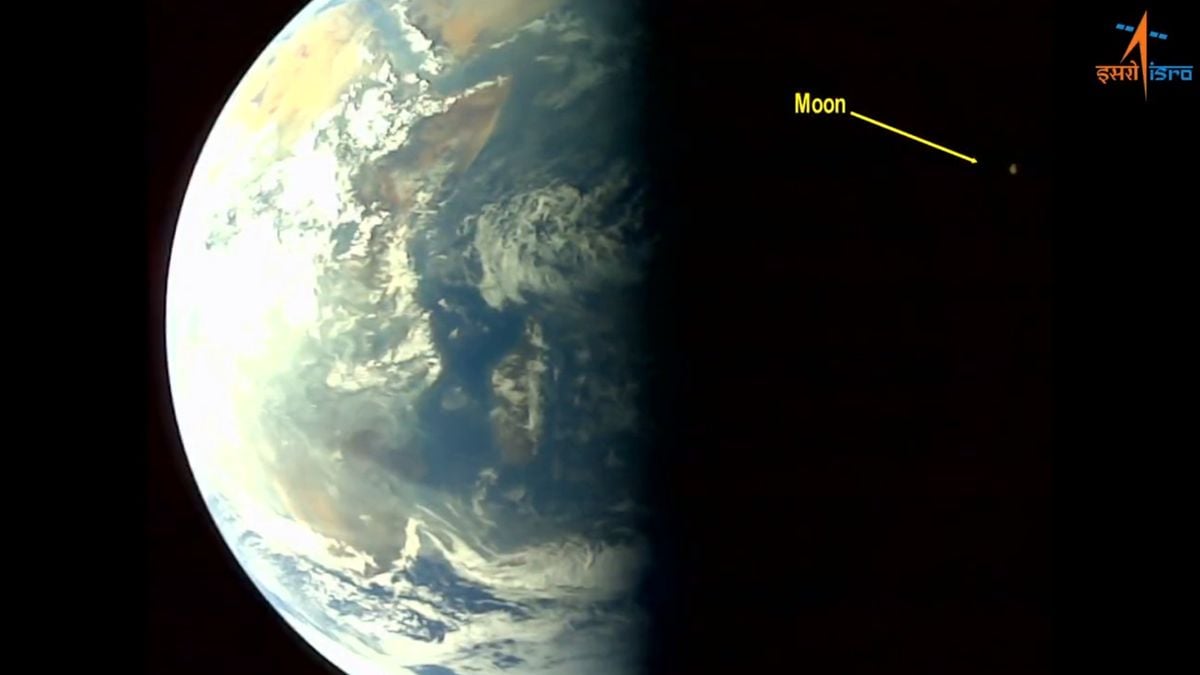
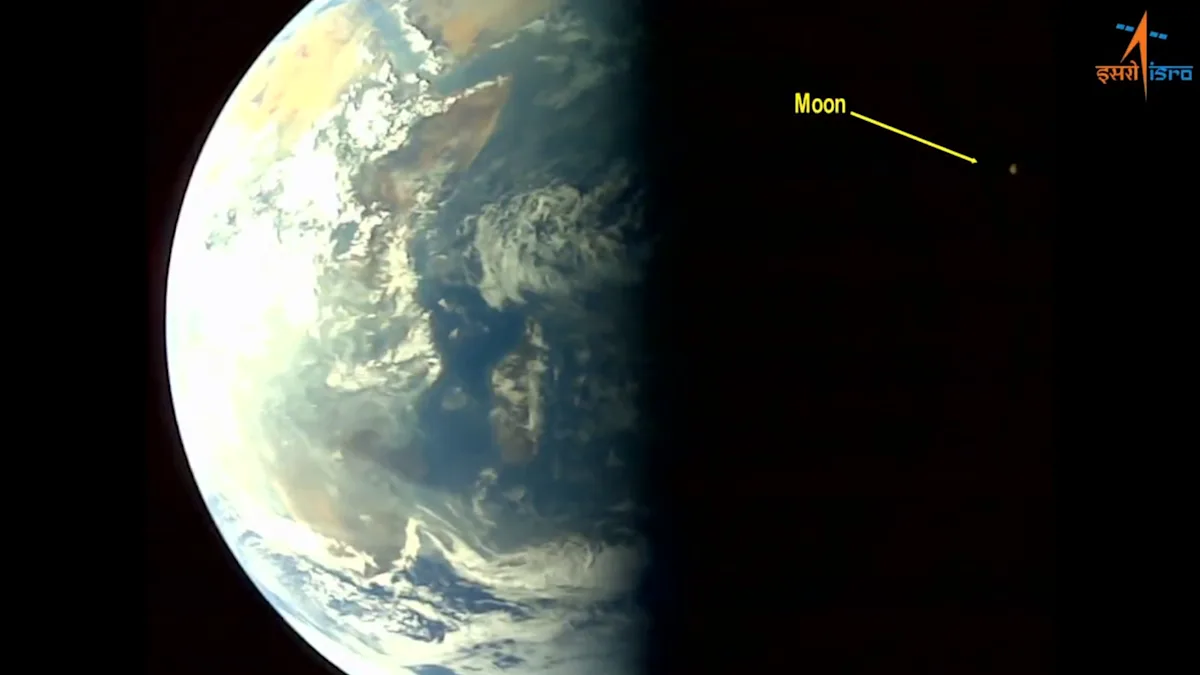
India's Aditya-L1 solar probe, launched by the Indian Space Research Organisation (ISRO), has captured a selfie in space along with images of Earth and the moon. The probe is currently in low Earth orbit and will eventually reach the Earth-sun Lagrange Point 1 (L1) to study the sun. Aditya-L1 aims to observe solar activities, such as solar flares and coronal mass ejections, and investigate the mystery of the sun's ultra-hot outer atmosphere.

space2 years ago

"Aditya-L1 Solar Probe Captures Stunning Selfie with Earth and Moon"

India's Aditya-L1 solar probe, launched by the Indian Space Research Organisation (ISRO), has captured a selfie in space along with images of Earth and the moon. The probe is currently in low Earth orbit and will eventually reach Earth-sun Lagrange Point 1 (L1) to study the sun. Aditya-L1 aims to observe solar activity, such as solar flares and coronal mass ejections, and investigate the mystery of the sun's ultra-hot outer atmosphere.

space2 years ago

India's Aditya-L1 Solar Probe Launch: Watch Live on Sept. 2 and Discover its Mission

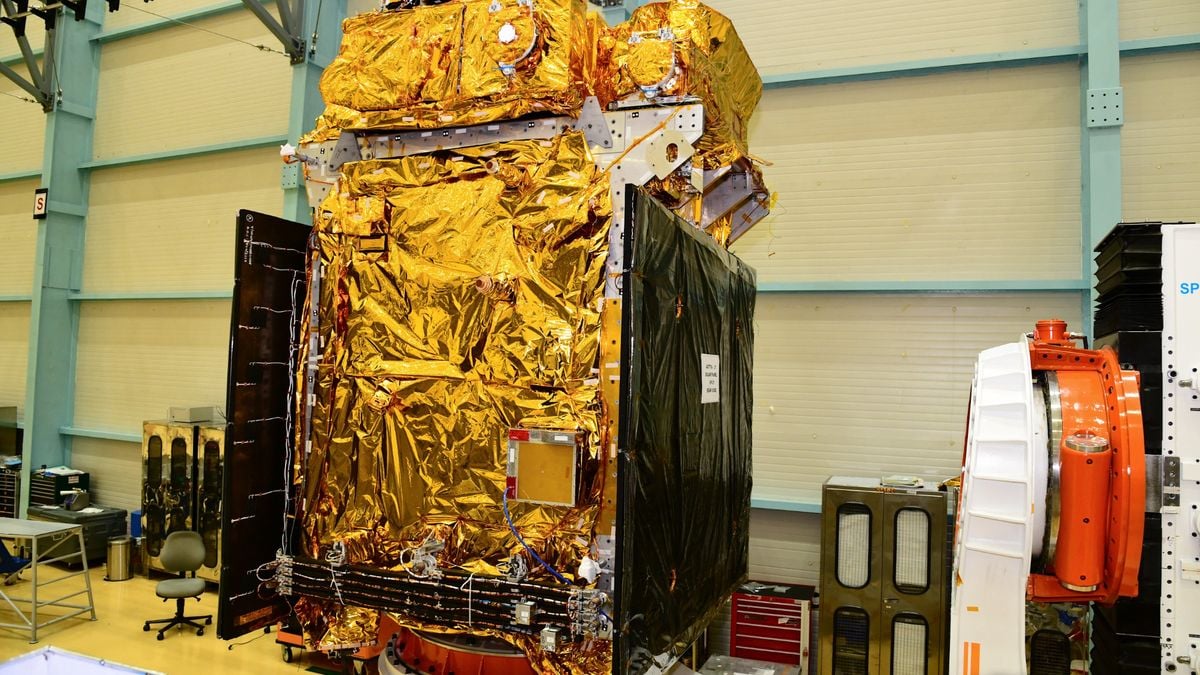
India's space agency, ISRO, is set to launch its first solar observatory, Aditya-L1, on September 2. The spacecraft will study the sun's atmosphere, surface, magnetic fields, and particles, with a particular focus on the coronal heating problem. Aditya-L1 will investigate why the sun's outer atmosphere, the corona, is much hotter than its surface. The mission will also examine solar flares, coronal mass ejections (CMEs), and their impact on Earth's space weather. By studying these phenomena, Aditya-L1 aims to improve our understanding of the sun and its effects on our planet.

spaceflight2 years ago

India's Aditya-L1 Mission: From Moon to Sun, Exploring Solar Mysteries

India is set to launch its first sun-studying spacecraft, Aditya-L1, on September 2, 2023. The spacecraft will study the sun from Earth-sun Lagrange Point 1, providing continuous observations of solar activities and their effects on space weather. Aditya-L1 will investigate solar flares, coronal mass ejections, and the mystery of the sun's hot outer atmosphere. The mission follows India's recent success with the Chandrayaan-3 lunar mission.

space-science2 years ago

India's Aditya-L1 Mission: Unlocking Solar Mysteries

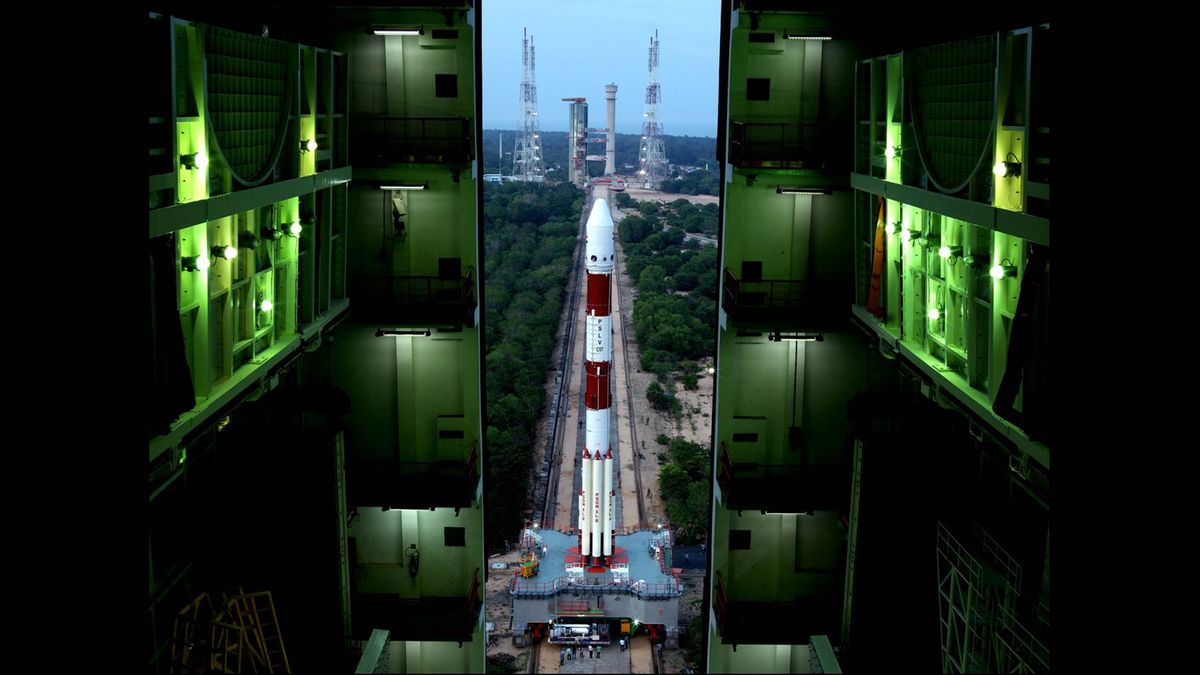
India is set to launch its first space-based observatory, named Aditya-L1, on September 2 to study solar winds and their impact on Earth. The probe will be launched from Sriharikota using the PSLV launch vehicle and will travel about 1.5 million km to reach its observation point. Aditya-L1 will carry seven payloads to observe the sun's outermost layers and will be placed in a halo orbit to provide continuous clear views of the sun. This marks India's first mission to study the sun, following its recent successful moon landing. India's space program has been growing rapidly, with plans for future missions to the moon and Venus.

space2 years ago

India's Aditya-L1 Mission: Unlocking Solar Mysteries with September Launch

India's space agency, ISRO, has announced that the country's first space-based solar observatory, Aditya-L1, will be launched on September 2. The probe aims to study solar winds and their impact on Earth. Named after the Hindi word for the sun, Aditya-L1 will be launched using India's PSLV rocket and will travel approximately 1.5 million km. The mission was allocated around $46 million in funding, and India has gained a reputation for successful space launches at low costs.

science2 years ago

Solar Eruption on Far Side of Sun Sends Shockwave to Earth

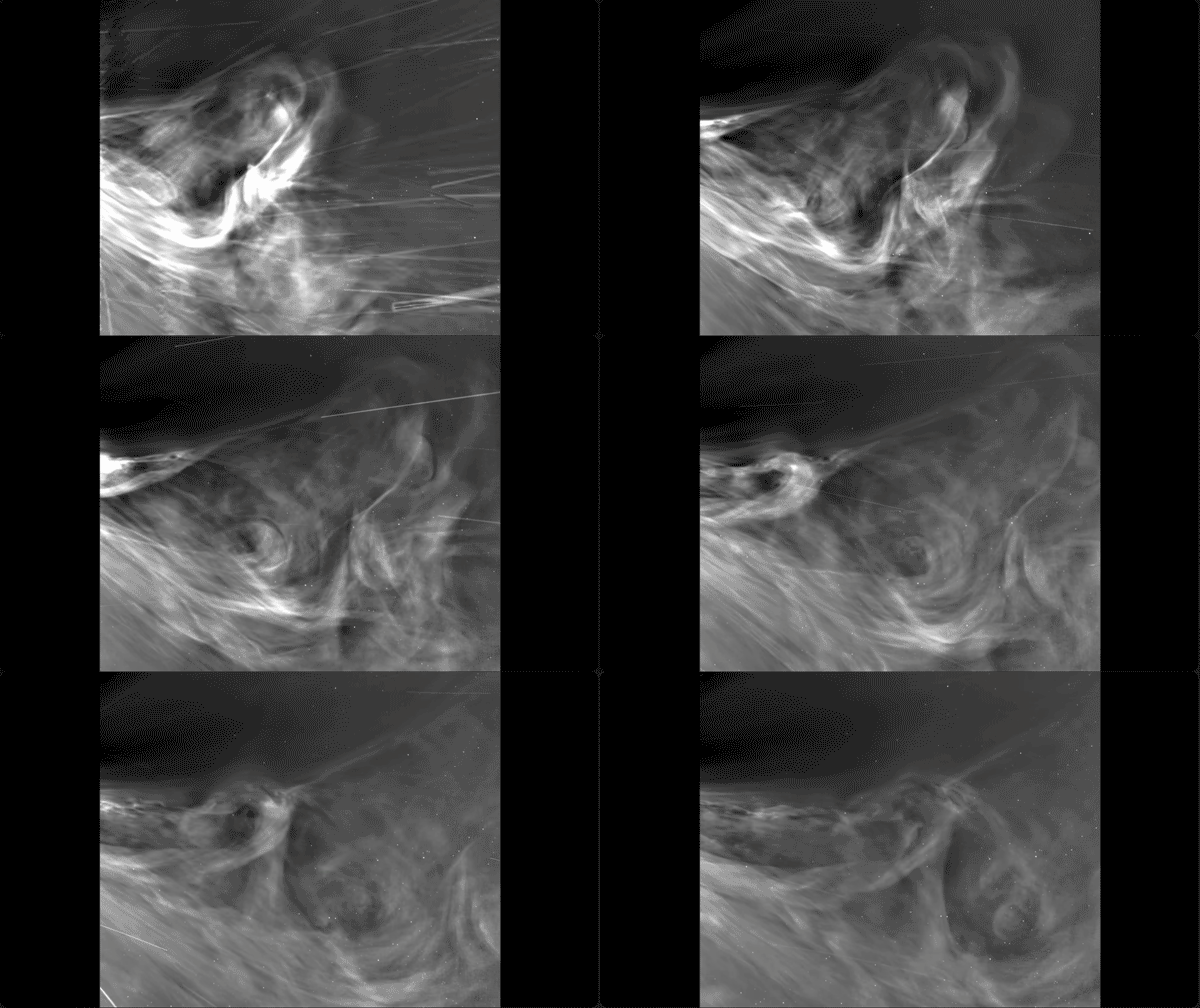
A powerful coronal mass ejection (CME) erupted from the far side of the sun on March 12, 2023, and impacted Earth. The CME was detected by NASA's Moon to Mars Space Weather Office and was classified as a rare type CME due to its unusually fast speed of 2,127 kilometers per second. The CME is likely to have hit NASA's Parker Solar Probe head-on, and solar energetic particles were detected by spacecraft orbiting Earth. Researchers are still analyzing the event to learn more about its far-reaching effects.