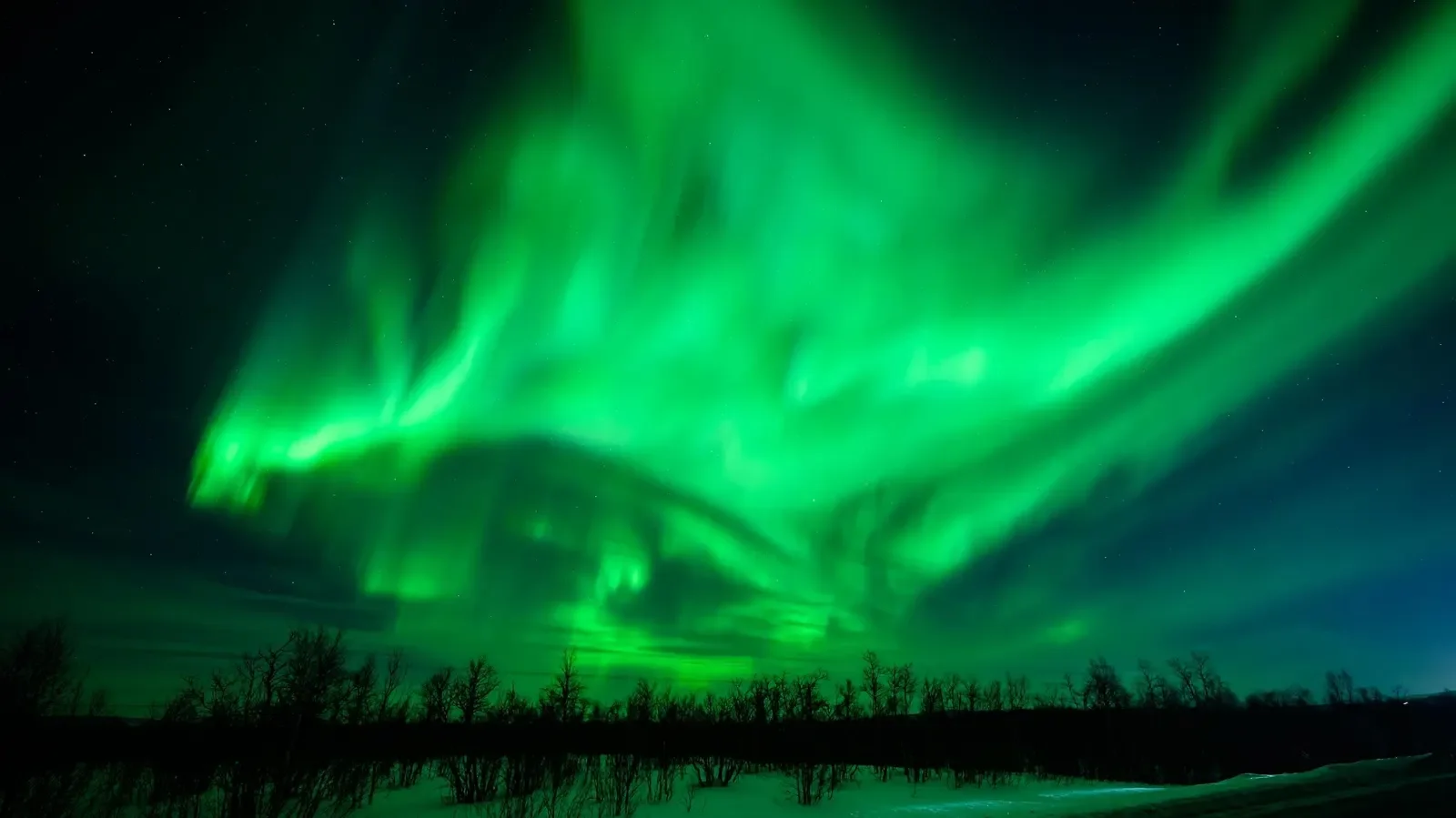
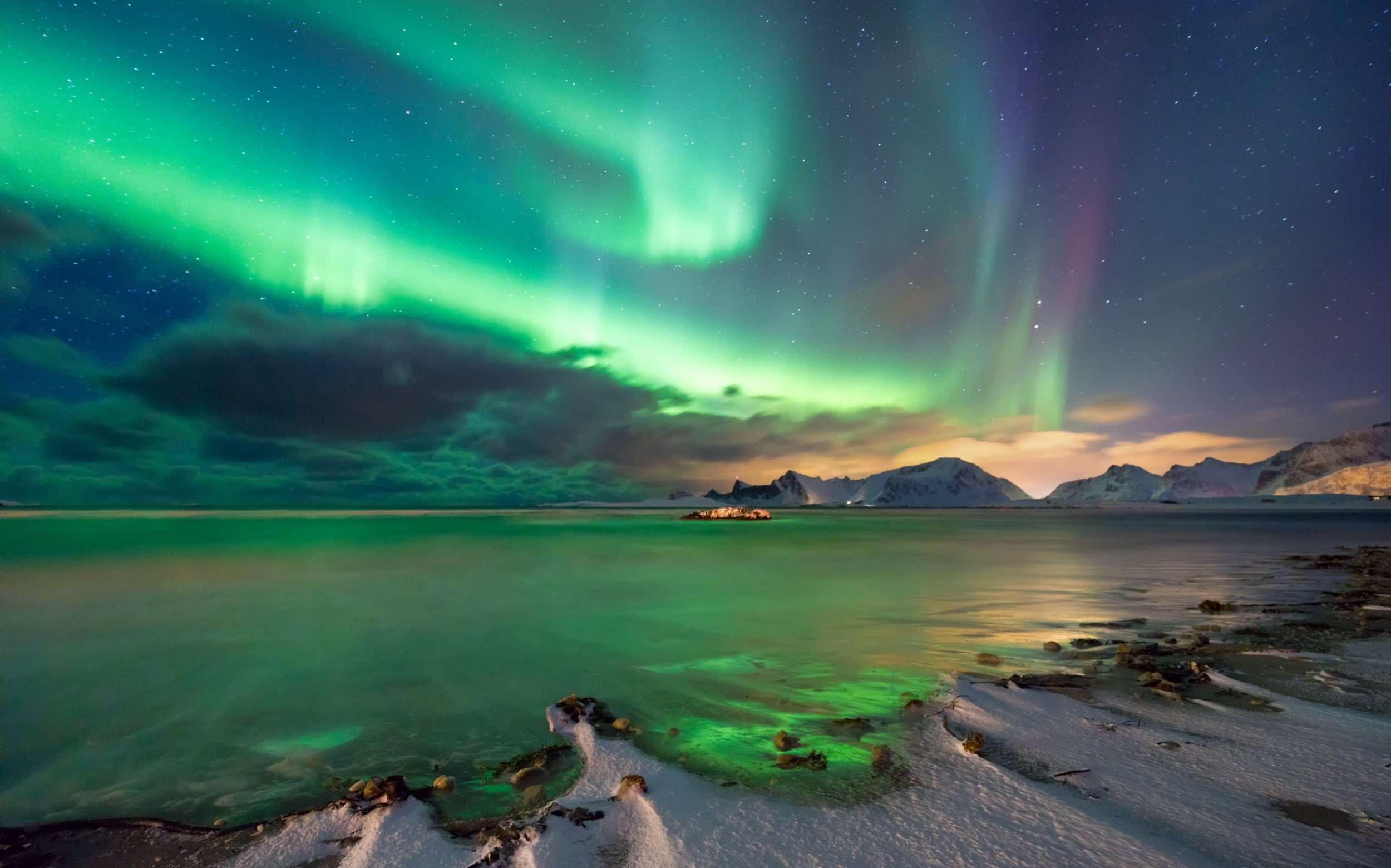
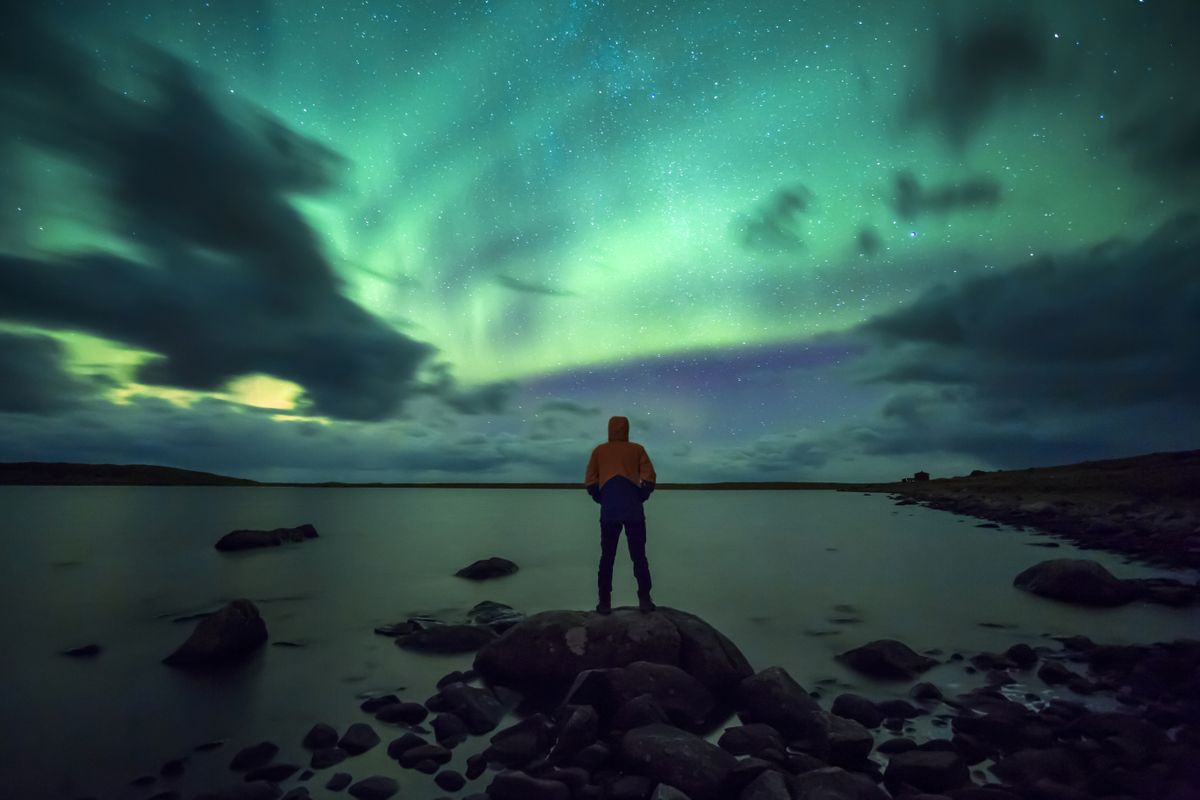
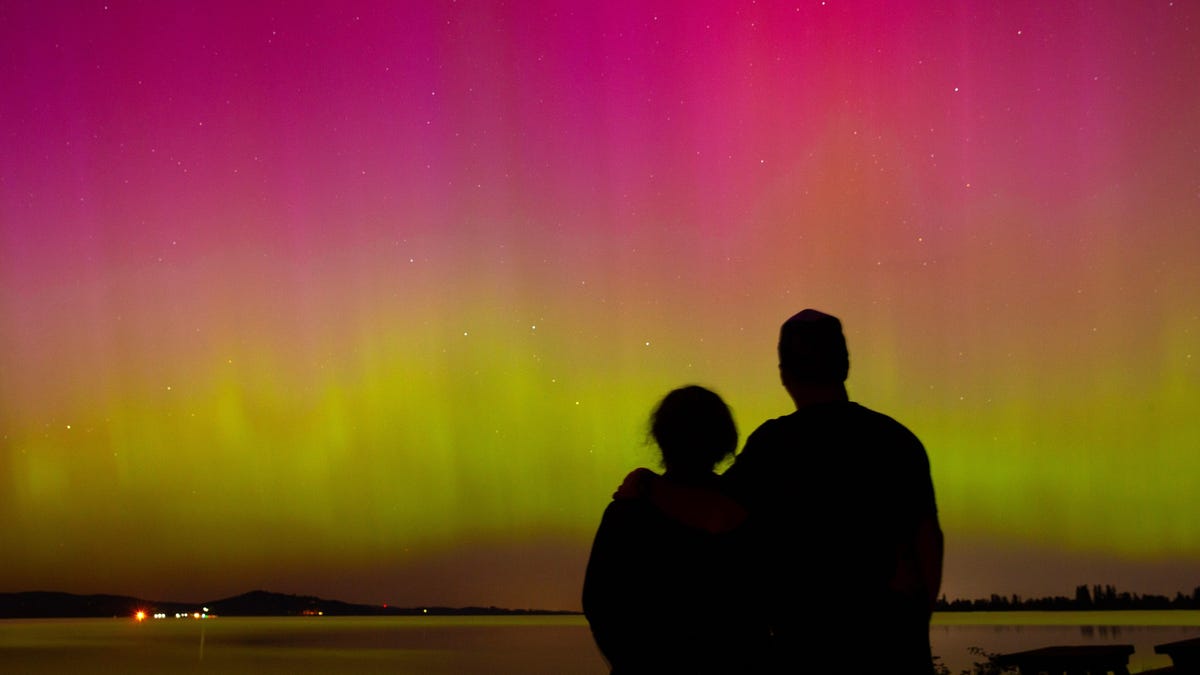
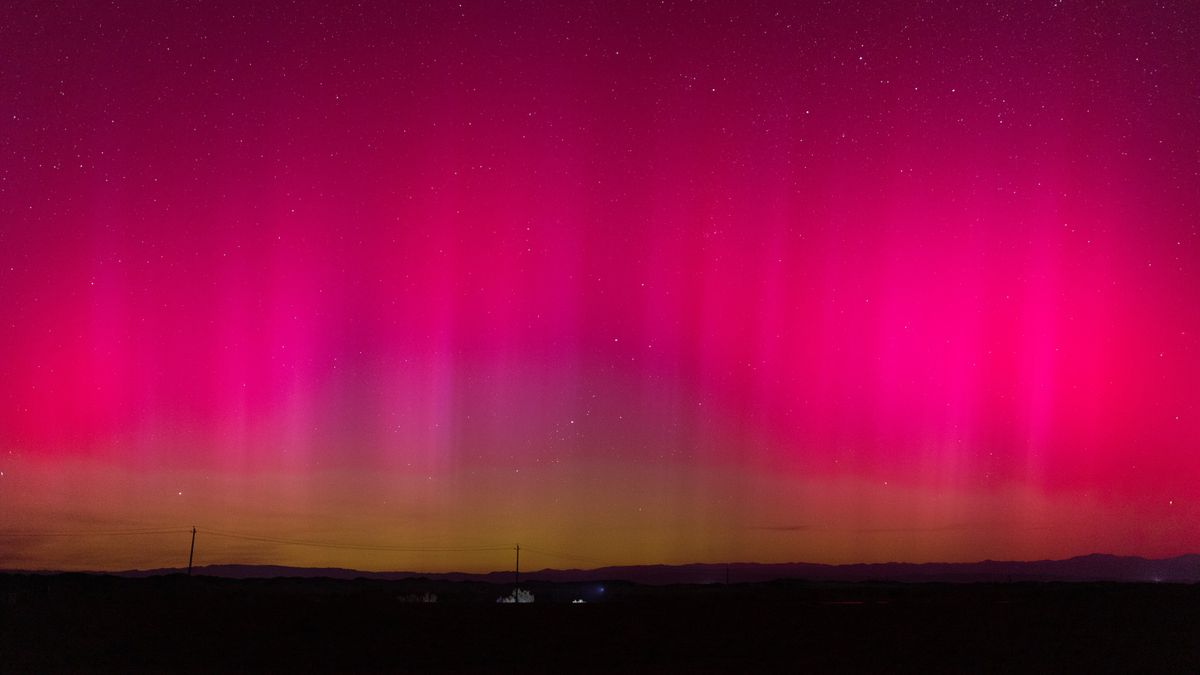
A planned geomagnetic storm could bring visible auroras to 15 U.S. states on Friday night, with the best viewing in dark, northern locations after sunset. Monitor NOAA space-weather forecasts and local KP indices; clear skies and minimal light pollution boost the odds for seeing the northern lights, though intensity may vary by location.
NOAA has issued G1 to G2 watches from January 1-3, 2026, indicating expected increased geomagnetic activity due to coronal mass ejections (CMEs), which may cause minor to moderate disruptions in HF radio and navigation signals.
A study finds a correlation between increased geomagnetic activity during solar storms and higher rates of heart attacks, especially among women aged 31-60, suggesting space weather may influence cardiovascular events. The research highlights the need for further investigation to understand causality and potential preventive measures.
A five-month study suggests that solar storms and space weather phenomena like solar wind and cosmic rays can influence heart rate variability and potentially impact cardiovascular health, highlighting the need for further research and consideration in emergency planning.
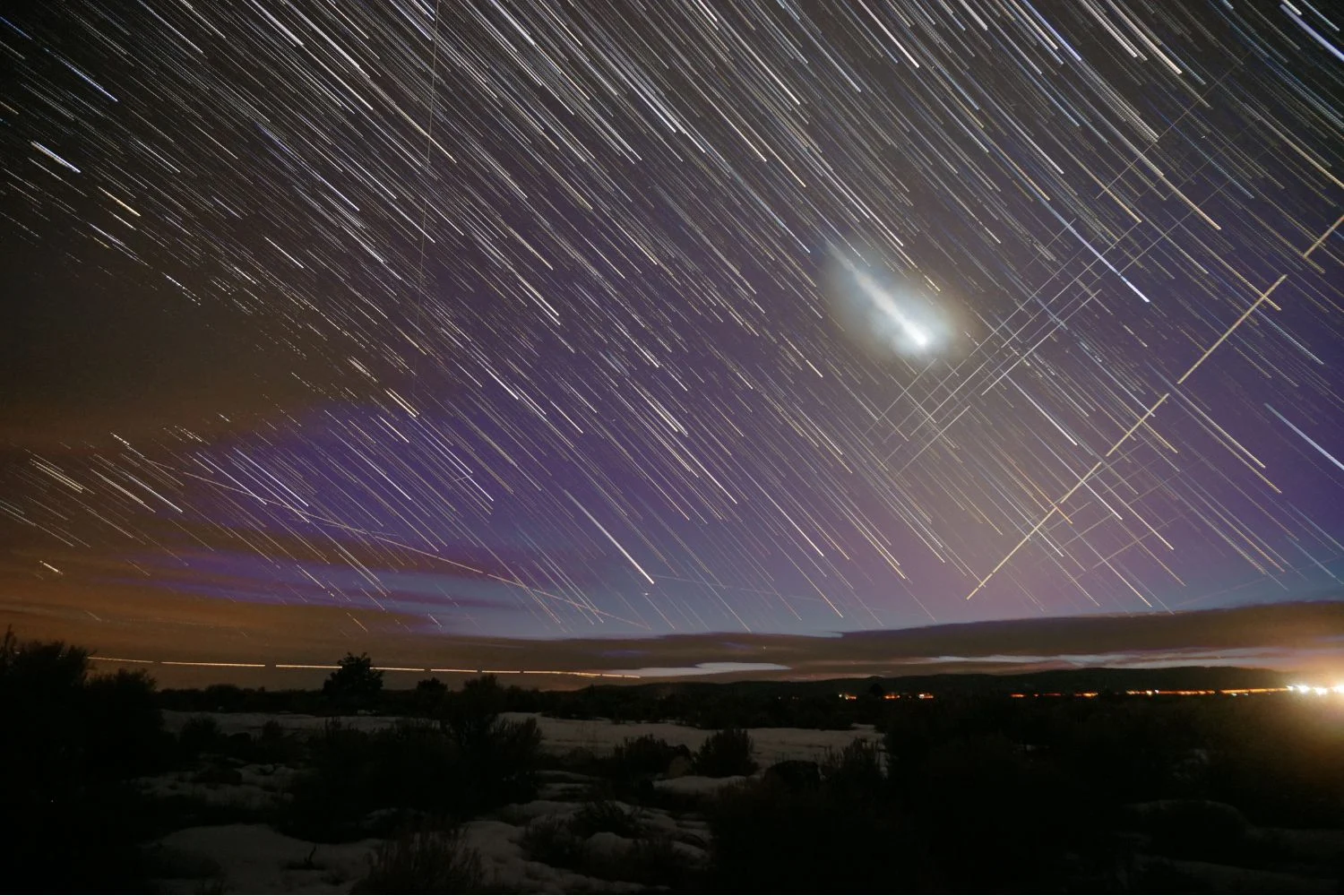
Research indicates that increased solar activity shortens the lifespan of SpaceX's Starlink satellites and may cause them to reenter Earth's atmosphere at higher velocities, potentially increasing debris risks. The study highlights the impact of geomagnetic storms on satellite orbit and reentry, emphasizing the growing challenges of managing the increasing number of satellites in Earth's orbit.
The northern lights may be visible at high latitudes tonight, particularly above the Arctic Circle, with a predicted Kp index of around 3. This is due to potential geomagnetic activity from a large Earth-facing coronal hole. While the sun has been quiet, any upcoming solar flares or coronal mass ejections could enhance auroral displays. The Bz value of the Interplanetary Magnetic Field is crucial for aurora visibility, with a strong southward Bz increasing the chances of seeing the lights.
The National Oceanic and Atmospheric Administration (NOAA) predicts that the northern lights may be visible across parts of the U.S. on November 12, with the best chances in Canada and Alaska. The aurora borealis, caused by solar activity, may also be seen in states like Montana, North Dakota, and Minnesota, though visibility is less likely. The NOAA advises finding a high vantage point away from city lights for optimal viewing, typically between 10 p.m. and 2 a.m. local time.
The northern lights, caused by solar flares and geomagnetic activity, may be visible in the U.S. again soon, but Binghamton is unlikely to see them this week. Meteorologist Michael Kistner notes a 25% chance of a solar flare in the next 48 hours, but it would need to produce a coronal mass ejection to create an aurora. Future opportunities to see the northern lights in New York may arise as the solar cycle continues.
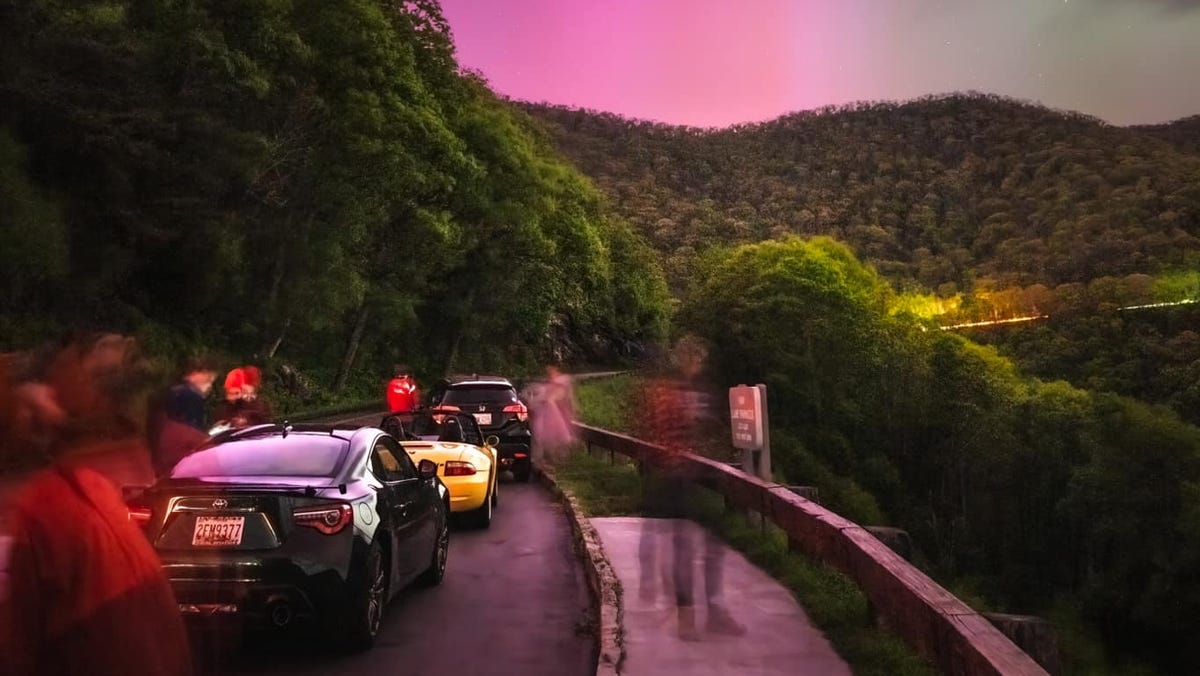
Western North Carolina residents may have another chance to see the northern lights in early June, as the sunspot responsible for the May 10-11 auroras will face Earth again. While no strong storms are currently predicted, increased solar activity makes it possible for auroras to be visible in the area. Keep an eye on NOAA's Space Prediction Center for short-term forecasts.
The northern lights may be visible again in early June due to the reappearance of a massive sunspot, AR3664, which previously caused powerful geomagnetic storms in May. The best viewing opportunities will be around the new moon on June 6, when the night sky is darkest. This period coincides with the peak of the sun's 11-year activity cycle, potentially leading to more frequent and intense solar flares.
A severe geomagnetic solar storm is currently in progress, with the potential to cause auroras visible as far south as Alabama and Northern California. The storm has been classified as G4 on the NOAA Space Weather Scale, indicating intense geomagnetic activity with potential impacts on power grids, satellite operations, and natural phenomena such as the Northern Lights. The storm's intensity is gauged by the Geomagnetic K-index and is expected to reach Kp-6 levels, offering a rare opportunity to witness the aurora in regions where it's rarely seen. The Space Weather Prediction Center advises staying informed and prepared for potential impacts while appreciating the natural wonders of our universe.
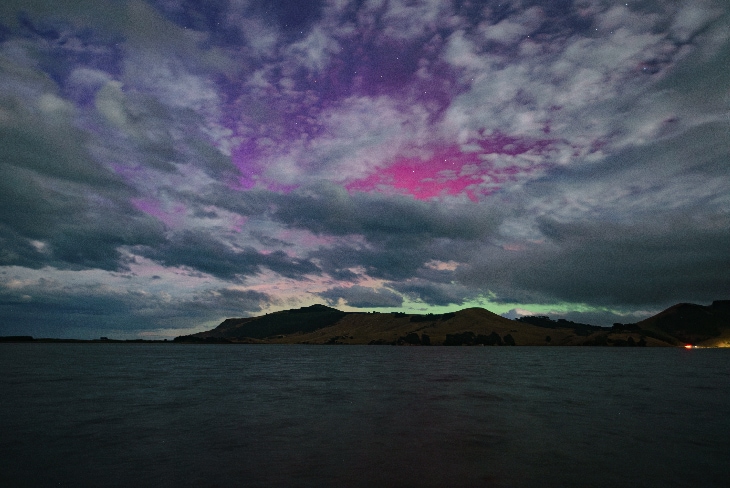
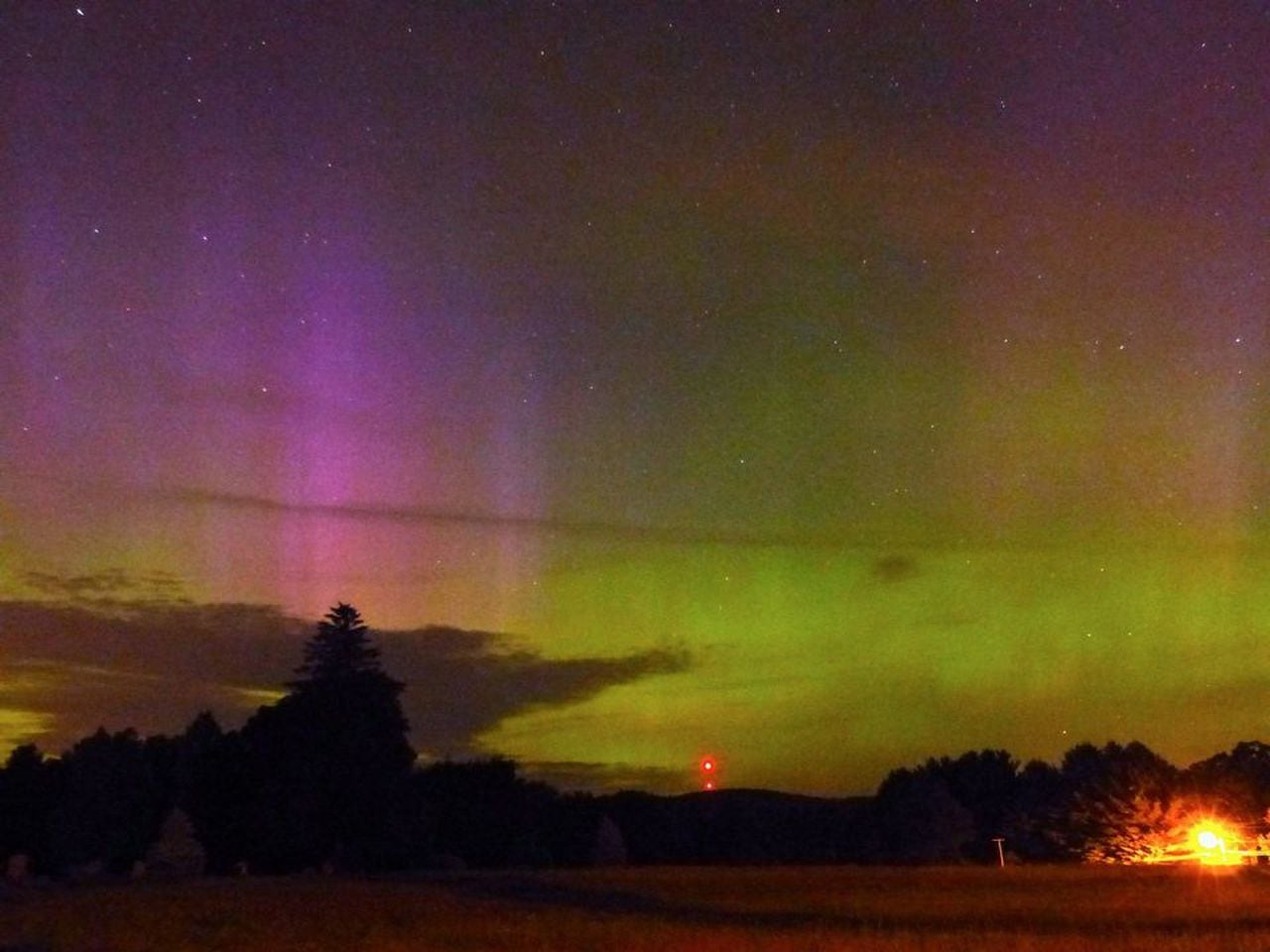
The fastest-moving solar storm in at least five years triggered beautiful green, purple, and red auroras across Europe, New Zealand, and parts of the northern United States. The auroras were caused by a surge of solar particles from the sun, exciting molecules in Earth's upper atmosphere and creating a geomagnetic storm. Despite the storm quickly weakening, skywatchers in some locations were still able to witness the dancing lights. Scientists expect more auroral activity in the coming months as the sun ramps up to the peak of its current solar cycle.
Ongoing geomagnetic storm activity is expected to create dazzling auroras in the skies of northern states on Friday night. The solar storm activity peaked on Thursday night and is still forecasted to continue, with a possibility of auroras becoming visible over the far Northern Tier states. Multiple coronal mass ejections (CMEs) can still impact Earth as our magnetosphere "bounces back." The strength of the storm is expected to weaken overnight, but auroras may still be visible in Maine and Michigan's Upper Peninsula. Clear skies and staying away from city light pollution are key for spotting the phenomenon.
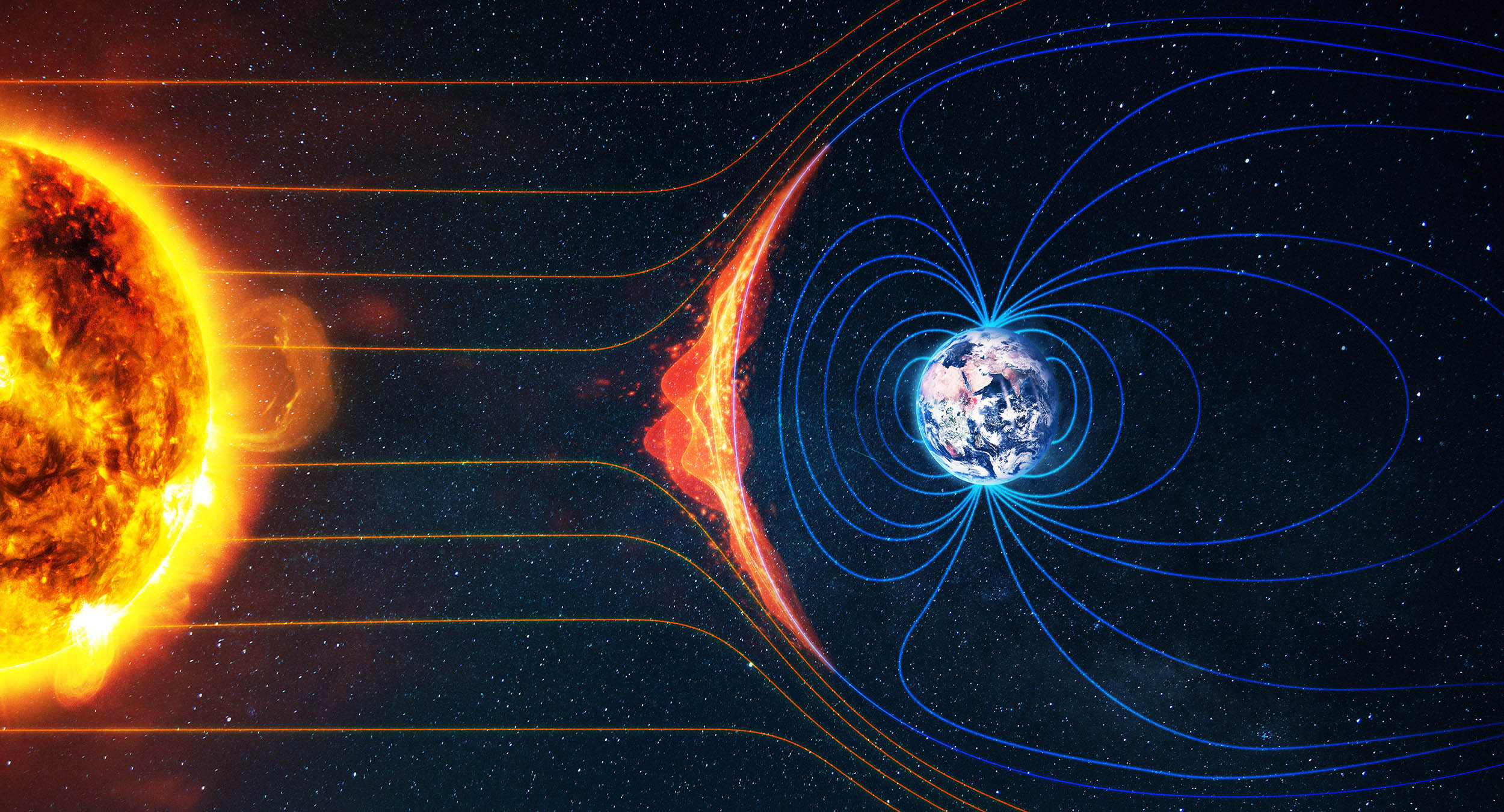
The Earth's magnetic field, generated by the movement of conducting layers in the planet's core, plays a crucial role in protecting us from harmful radiation and space weather. Scientists have observed the north magnetic pole moving over time, and this could potentially indicate the beginning of a field reversal, where the north and south magnetic poles switch places. Field reversals occur over thousands of years and can have significant impacts on Earth's climate and technology. The Earth's magnetosphere, created by the magnetic field, acts as a protective bubble, shielding us from cosmic radiation and interacting with solar wind to create space weather. Mapping and tracking the movement of Earth's magnetic field can help scientists understand and prepare for future changes.
The northern lights, also known as the aurora borealis, may be visible in northern Massachusetts, as well as other parts of New England, on Saturday night. The Space Weather Prediction Center of the National Oceanic and Atmospheric Administration has forecasted the appearance of the aurora. To best see the phenomenon, viewers should find a location with an unobstructed view towards the north or south, away from city lights and the full moon. The best time to observe the aurora is usually within an hour or two of midnight. The aurora is caused by the interaction of the solar wind with Earth's magnetic field, resulting in the production of light when electrons collide with atoms and molecules in the upper atmosphere.