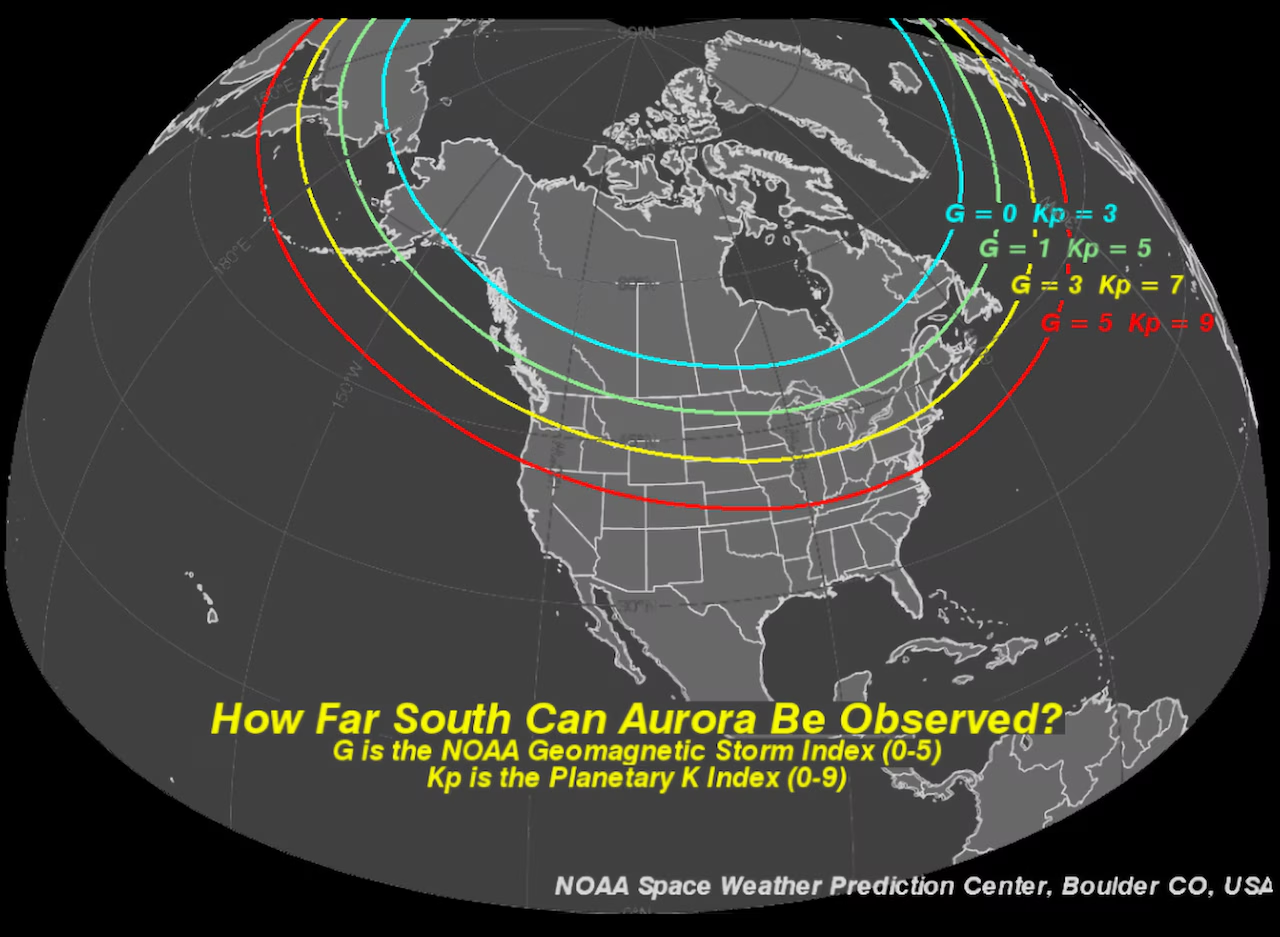
NOAA's Space Weather Prediction Center forecasts periods of G1–G2 (Minor–Moderate) geomagnetic activity on Jan 10–11, 2026 as a CME released on Jan 8 arrives, signaling a moderate geomagnetic storm risk with potential effects on space- and radio-related operations.
NOAA has issued G1-G2 watches for January 3-4 due to expected CMEs from solar activity, which may cause minor to moderate geomagnetic storms, affecting HF radio and navigation signals.
NOAA has issued G1 to G2 watches from January 1-3, 2026, indicating expected increased geomagnetic activity due to coronal mass ejections (CMEs), which may cause minor to moderate disruptions in HF radio and navigation signals.
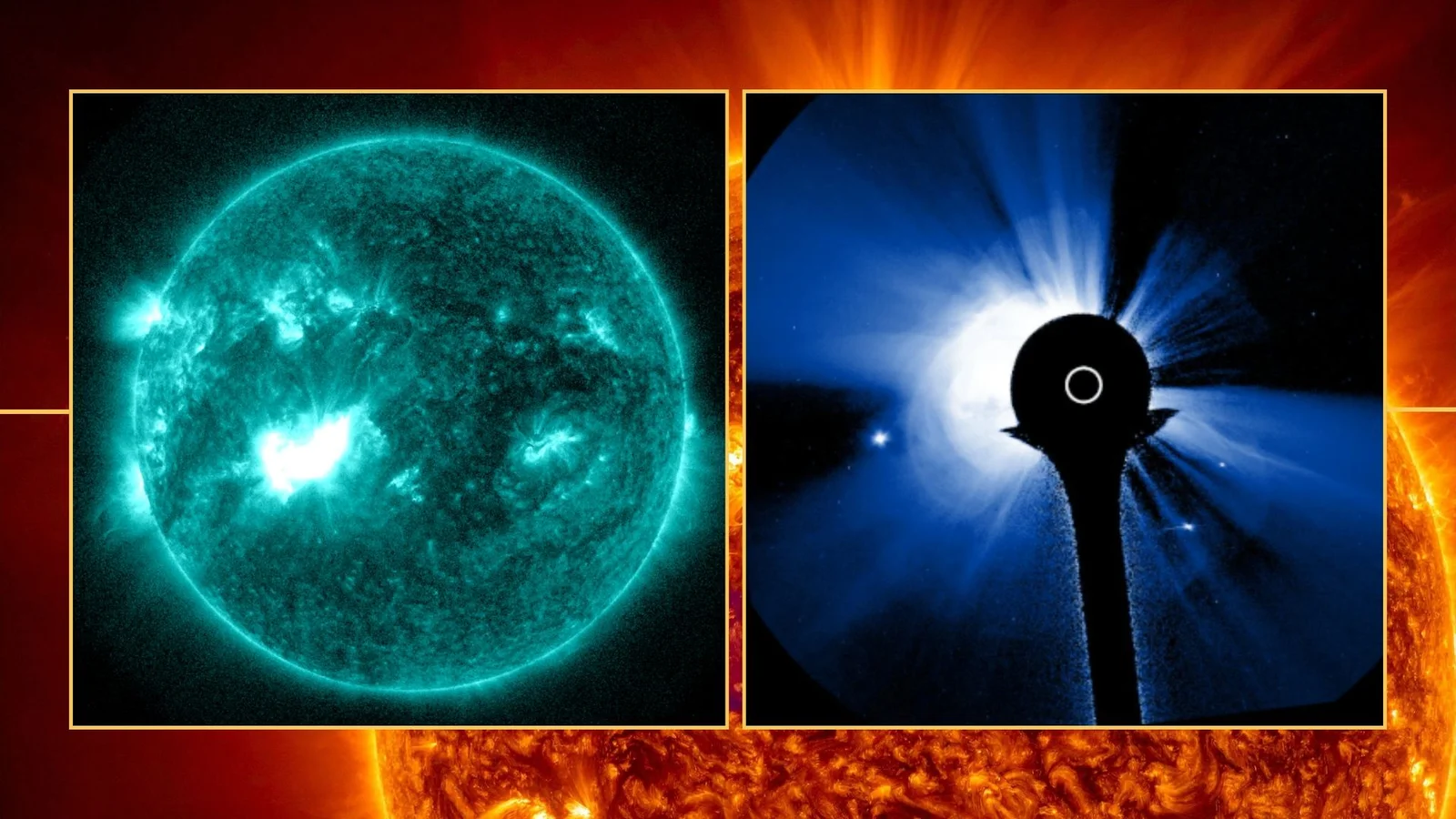
A significant M7.1 solar flare occurred on December 31, 2025, originating from sunspot region 4324, accompanied by a coronal mass ejection (CME) that is expected to cause minor G1 geomagnetic storm conditions on Earth by January 2, 2026, with the majority of the CME heading away from Earth.
Silver and gold futures declined sharply after the CME increased margin requirements due to market volatility, following a year of significant price surges driven by supply constraints and industrial demand for silver, and geopolitical fears for gold.
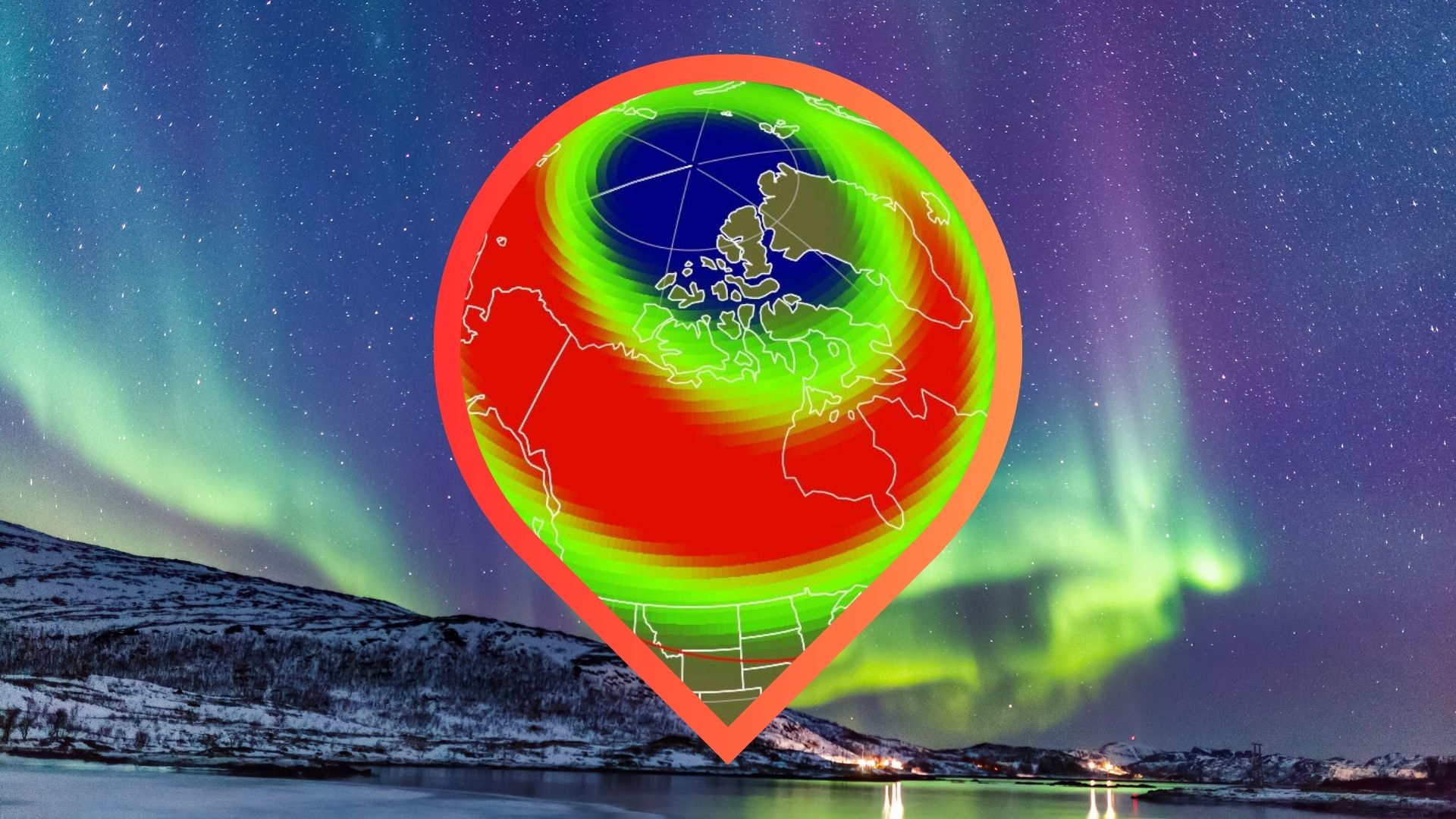
A solar wind stream and a coronal mass ejection are expected to cause auroras visible in up to 15 U.S. states tonight, with the best viewing times between 4 p.m. and 4 a.m. EST, depending on geomagnetic activity, weather, and sky conditions.
NOAA has issued a G2 (Moderate) geomagnetic storm watch for December 3-4 due to a coronal mass ejection associated with an X1.9 solar flare, which may impact radio communications and navigation systems.
CyrusOne has enhanced its backup cooling capacity at its Aurora, Illinois data center supporting CME Group after a 10-hour outage caused by overheating, which disrupted global markets and highlighted vulnerabilities in the reliance on centralized data centers for major financial exchanges.
NOAA has issued geomagnetic storm watches from November 11 to 13 due to coronal mass ejections (CMEs) impacting Earth, with storm levels ranging from minor to moderate, and ongoing analysis to refine forecasts.
A CME has arrived and is passing over Earth, causing geomagnetic storms mostly in G1-G3 levels, with a G4 storm still possible tonight, leading to minor disruptions in HF radio and navigation signals.
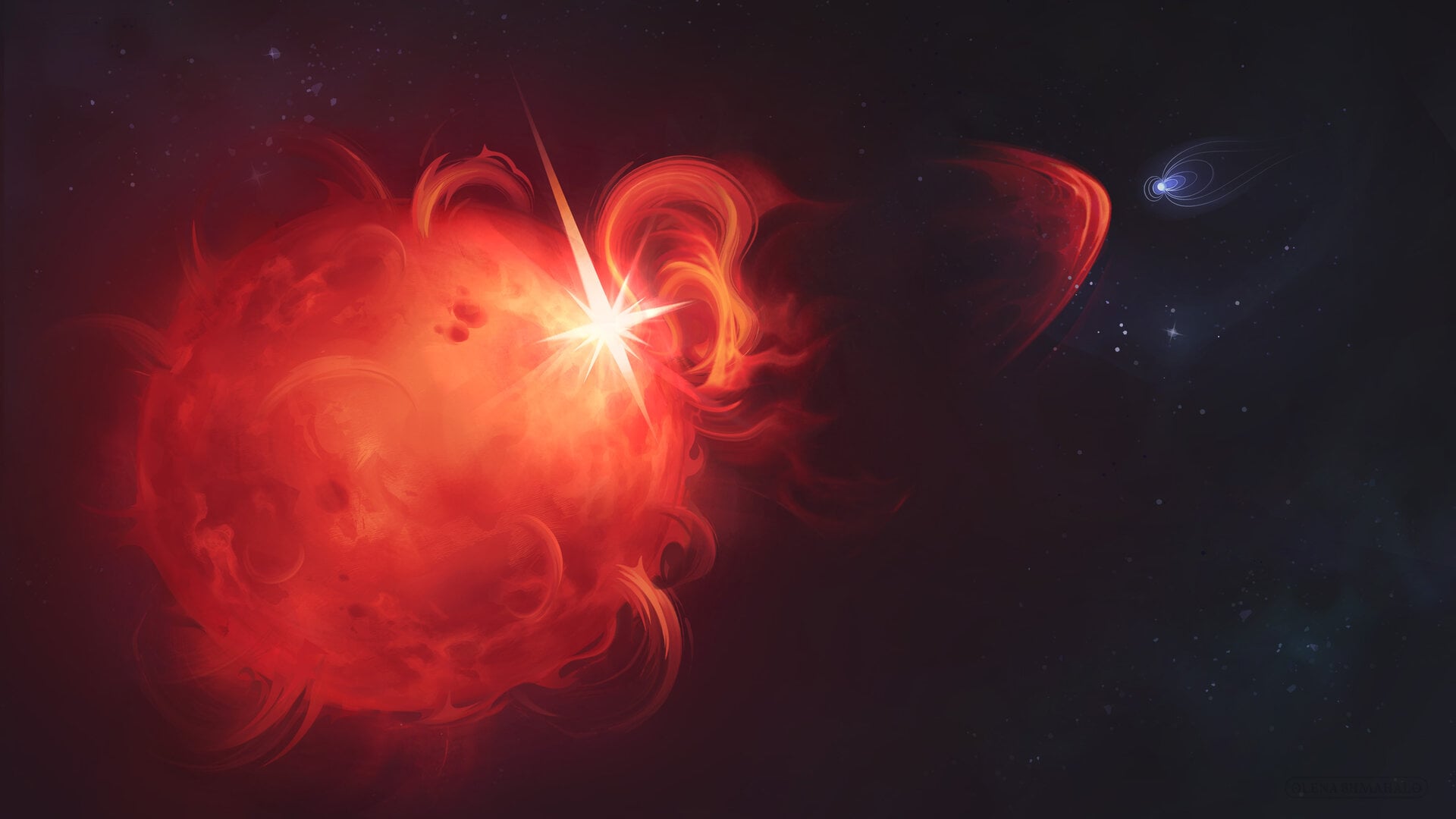
Astronomers have confirmed the first observation of a coronal mass ejection (CME) from a star other than the Sun, using ESA's XMM-Newton and LOFAR telescopes. The CME, originating from a red dwarf star 130 light-years away, was extremely fast and dense, capable of stripping away planetary atmospheres, which has significant implications for the habitability of planets orbiting active stars.
A severe geomagnetic storm watch has been issued for the U.S. due to multiple coronal mass ejections from the sun, with the strongest expected to hit Earth on November 12, 2025. This could lead to spectacular northern lights visible as far south as Alabama and California, but also poses a risk to critical technology infrastructure. The storm's intensity is classified as G4, a rare level, and observers are encouraged to find dark skies for a chance to see the auroras.
A fast-moving Coronal Mass Ejection (CME) has been observed from the Sun on November 11, complicating space weather forecasts due to multiple CMEs from recent days, with potential impacts on Earth's geomagnetic environment and communication systems.
A powerful X1.2 solar flare from sunspot region 4274 has launched a likely Earth-directed coronal mass ejection (CME), which may arrive within 12 hours and potentially cause moderate to strong geomagnetic storms on November 12, 2025.