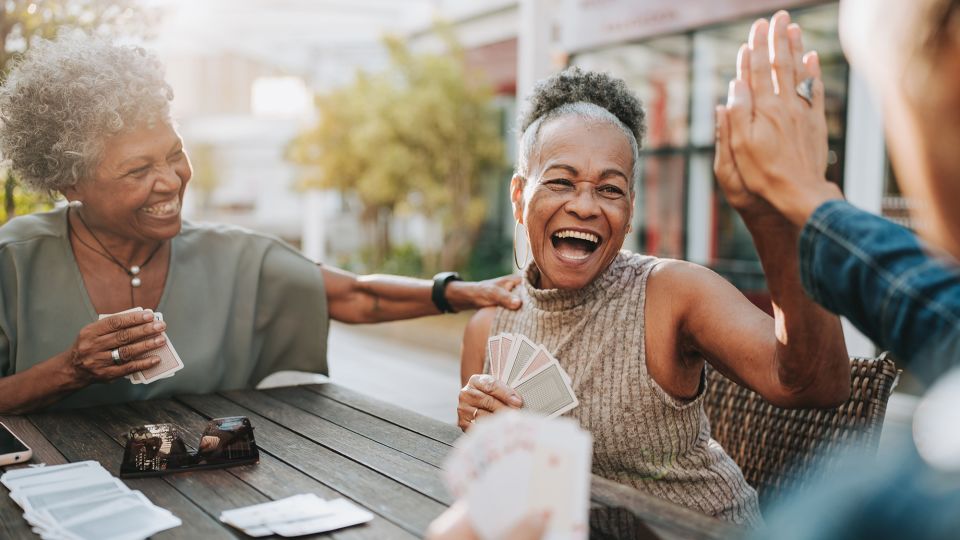
The article emphasizes that small, consistent lifestyle changes such as regular exercise, social engagement, and cognitive activities can significantly improve health and extend lifespan, with expert insights and research supporting the benefits of these habits at any age.
The article highlights ten key abilities that, if maintained past 65 without assistance, indicate exceptional physical, mental, and emotional health, emphasizing that aging well involves staying active, engaged, and self-reliant. It encourages younger individuals to adopt habits that support healthy aging and celebrates those who thrive in later years.
The Harvard Study of Adult Development, an 85-year-long research project, reveals that strong, supportive relationships are the most significant factor for happiness and longevity, outweighing money or fame. Quality relationships, emotional resilience, healthy lifestyle choices, and social engagement are key to a fulfilling life, emphasizing that nurturing meaningful connections is vital for health and well-being.
The article highlights that it is possible to improve health and well-being at any age through consistent exercise, maintaining social connections, and addressing mental health, with research showing older adults can regain strength and thrive even after setbacks. Florene Shuber's story exemplifies how staying active and engaged can lead to a vibrant, fulfilling life in later years.
A study finds that lifelong social advantages, from childhood to adulthood, can slow biological aging and reduce inflammation, highlighting the importance of sustained social connections for health and longevity.
Research shows that lifelong social advantages, including supportive relationships and community engagement, can slow biological aging by affecting epigenetic markers and reducing inflammation, highlighting the importance of sustained social connections for healthy aging.
The article highlights six simple daily habits—continuous learning, prioritizing relationships, staying active, protecting sleep, engaging with purpose, and letting go of unnecessary commitments—that can help people thrive in their 70s, emphasizing that aging well is about consistent, integrated lifestyle choices rather than extreme measures.
The article highlights seven surprising signs of healthy aging that go beyond appearance, such as maintaining physical coordination, cognitive flexibility, diverse social connections, willingness to be a beginner, good sleep, auditory processing, and future planning, emphasizing that staying engaged and adaptable is key to aging well.
Decisions made at age 60—such as strength training, maintaining social connections, and engaging in challenging new learning—significantly influence whether you'll thrive or decline by age 80. These choices create a positive or negative cascade affecting mobility, mental sharpness, and social engagement, emphasizing that healthy aging is largely within personal control and should be prioritized now.
Betty Parker, at 96, exemplifies how maintaining social connections, staying active, and embracing change contribute to a vibrant and purposeful life in old age. Experts emphasize starting new hobbies, diversifying social networks, and focusing on giving as key factors for enjoying longer, healthier years. The article encourages people of all ages to adopt these practices to enhance their well-being and longevity.
A leading neurologist suggests that just 20 minutes a day of enjoyable activities, regular moderate exercise, walking, maintaining social connections, and monitoring blood pressure can significantly boost brain health, reduce cholesterol, lower blood pressure, and decrease dementia risk.
The article emphasizes that graceful aging is achieved through consistent, actionable daily habits such as regular movement, prioritizing sleep, nourishing the gut, learning new skills, practicing mindfulness, and maintaining social connections, all of which contribute to vitality and well-being over time.
The article explores how attitudes towards location sharing vary across generations, with Gen Z generally being comfortable and seeing it as convenient, millennials being divided due to concerns about surveillance and intimacy, and Gen X showing indifference, reflecting broader shifts in social relationships and technology's role in our lives.
A wave of new dating apps is challenging established platforms like Tinder and Hinge by addressing user fatigue and introducing innovative features. These startups are experimenting with alternatives to swiping, such as limited daily profiles and AI-powered matchmaking. Some focus on in-person events to foster connections, while others, like social apps Posh and 222, facilitate organic interactions that may lead to romance. This shift is driven by a desire for more meaningful connections and is attracting venture capital interest.
Many Gen Z and baby boomers are experiencing a paradox of feeling both happy and lonely simultaneously. Despite engaging in various social activities, individuals like Harry Samtur and Donna Basztura find that loneliness persists due to a lack of deep, meaningful connections. Research indicates that loneliness and happiness follow a U-shaped curve throughout life, with both being higher in younger and older adulthood. Social isolation and loneliness are distinct, and while social interactions can boost happiness, they don't necessarily alleviate loneliness.