The article explores how location sharing has evolved from a safety tool to a social norm among friends, especially younger generations, serving as a modern form of emotional closeness and trust, despite potential conflicts and privacy concerns.
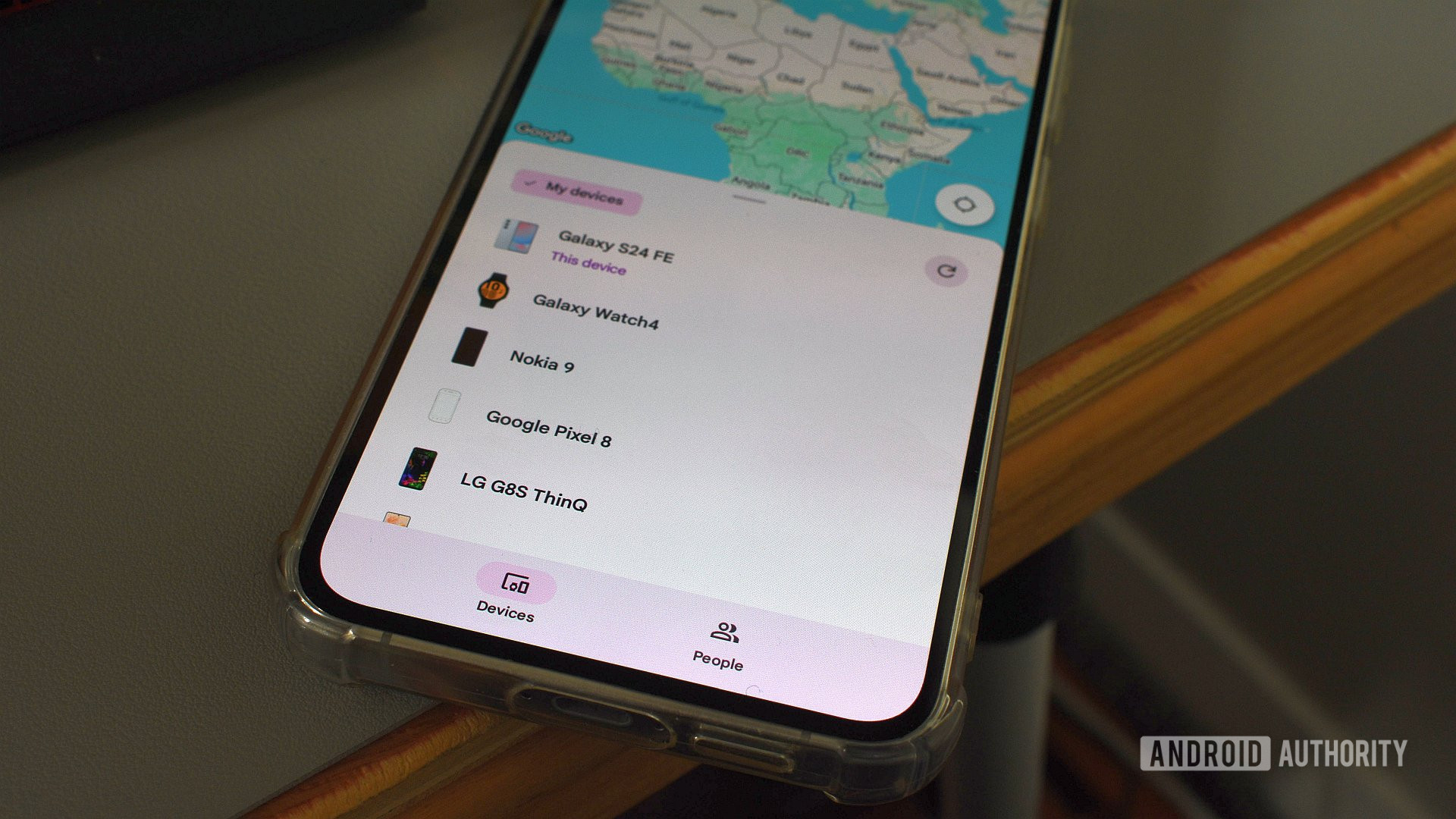
Google's Find Hub app is undergoing visual updates aligned with the Material 3 Expressive style, including larger headers, centered device images, and redesigned map and contact pages, indicating Google's effort to unify its app design language and introduce new features like quick access shortcuts and enhanced location sharing.,
Pebblebee has upgraded its Clip tracker with a new Alert Live subscription that allows users to share real-time location with up to five trusted contacts during emergencies, along with a silent mode for discreet alerts, enhancing safety features for its AirTag alternative.
The article discusses how location sharing was popular among Gen Z, but concerns about privacy and the way Instagram has implemented it have made it less appealing and somewhat uncomfortable for young users.
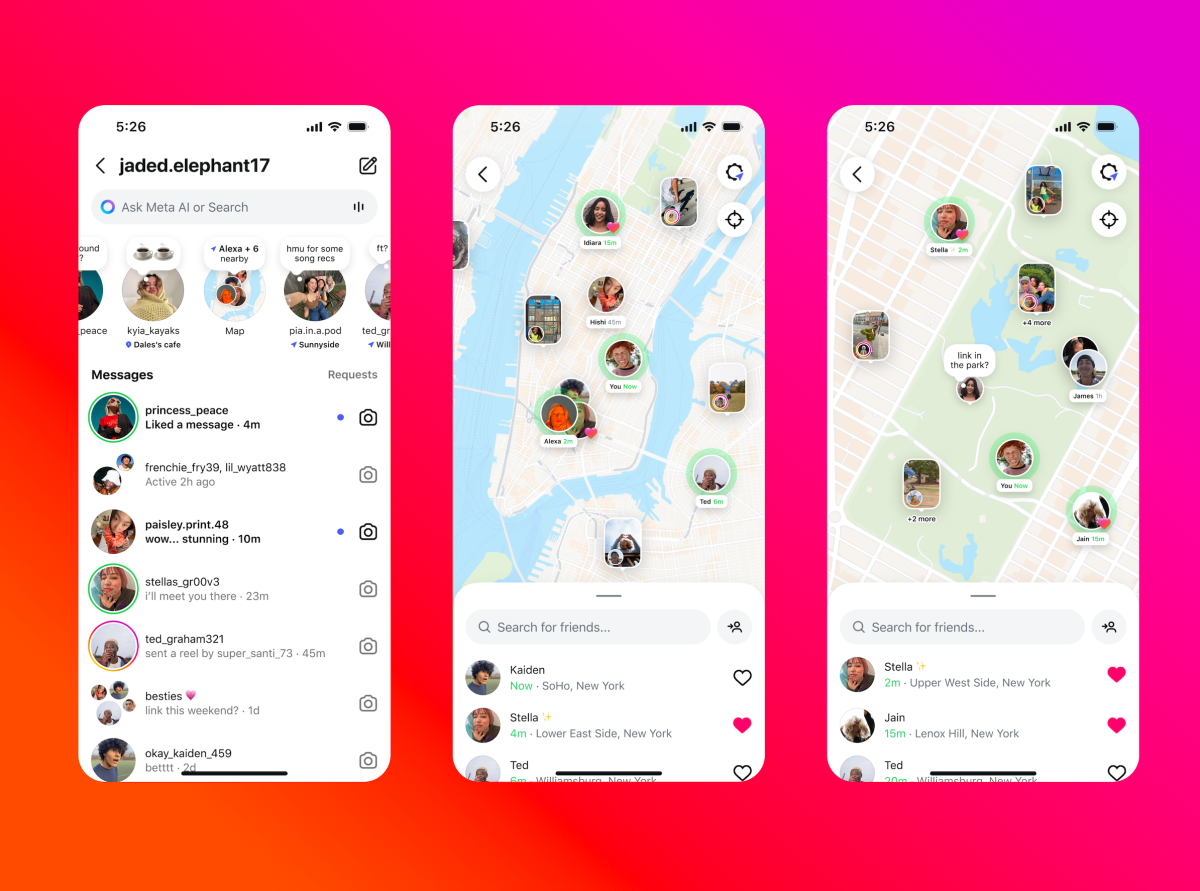
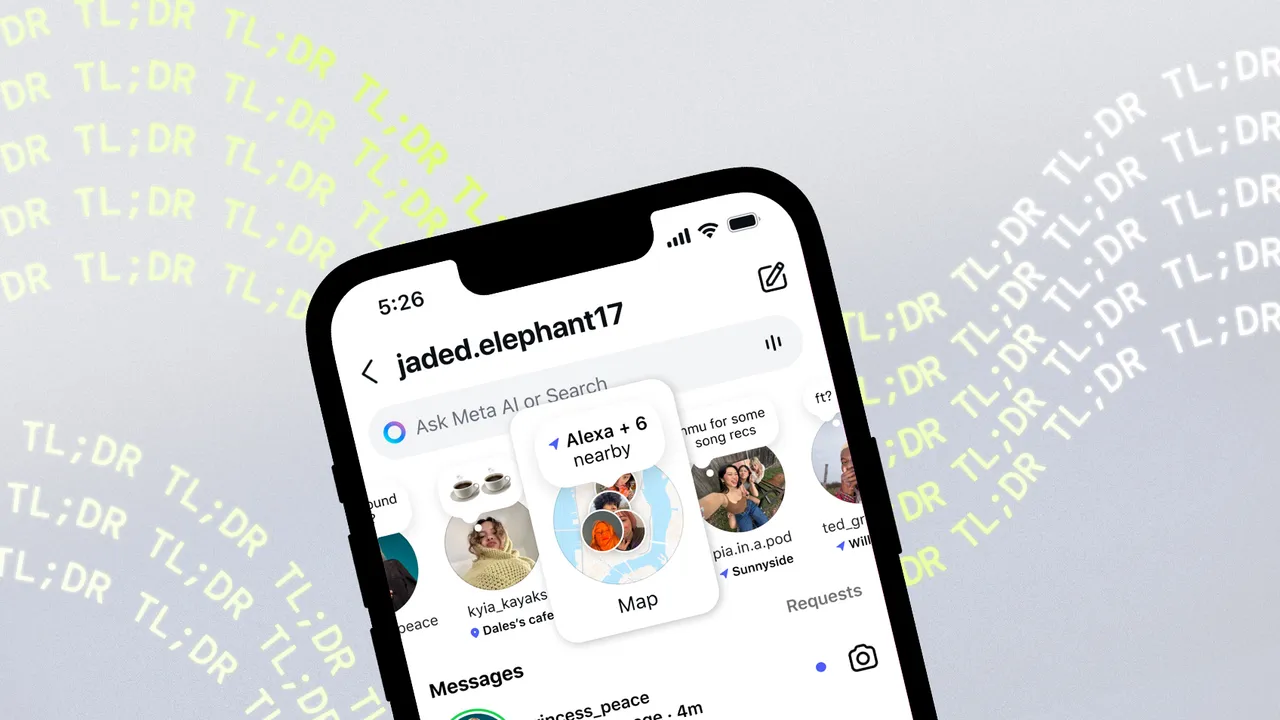
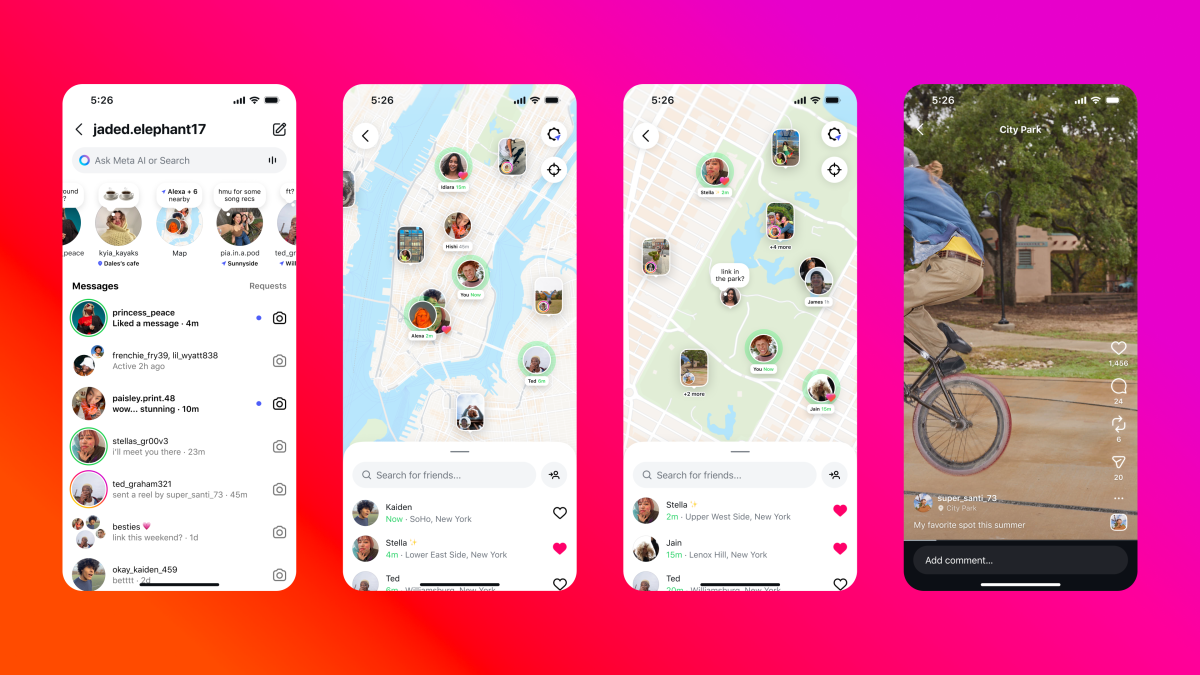
Instagram's new Map feature, which allows users to share and view live locations, has sparked privacy and safety concerns despite being opt-in and off by default. Users and officials have expressed fears about stalking and unintended location exposure, prompting Meta to promise improvements and clearer explanations.
Lawmakers from both parties are urging Meta to shut down Instagram's new map feature, citing concerns over child safety and potential exposure to predators, criticizing Meta's safety record and calling for stronger protections.
Instagram's new Map feature allows users to share their real-time location with selected friends, but privacy experts are concerned about potential safety risks and data exposure, especially for younger users. The feature is off by default and requires user opt-in, but confusion and social pressures may lead to unintended sharing. Experts advise caution when using location-sharing features on social media.
Instagram's new map feature does not automatically share users' locations with everyone; it only shares with friends or selected contacts if opted in. Despite this, many users mistakenly believe it is invasive or automatically sharing their location, likely due to misunderstandings about how phone and app permissions work, combined with general distrust of Meta. Instagram has been trying to clarify the feature's privacy settings amid user confusion and concern.
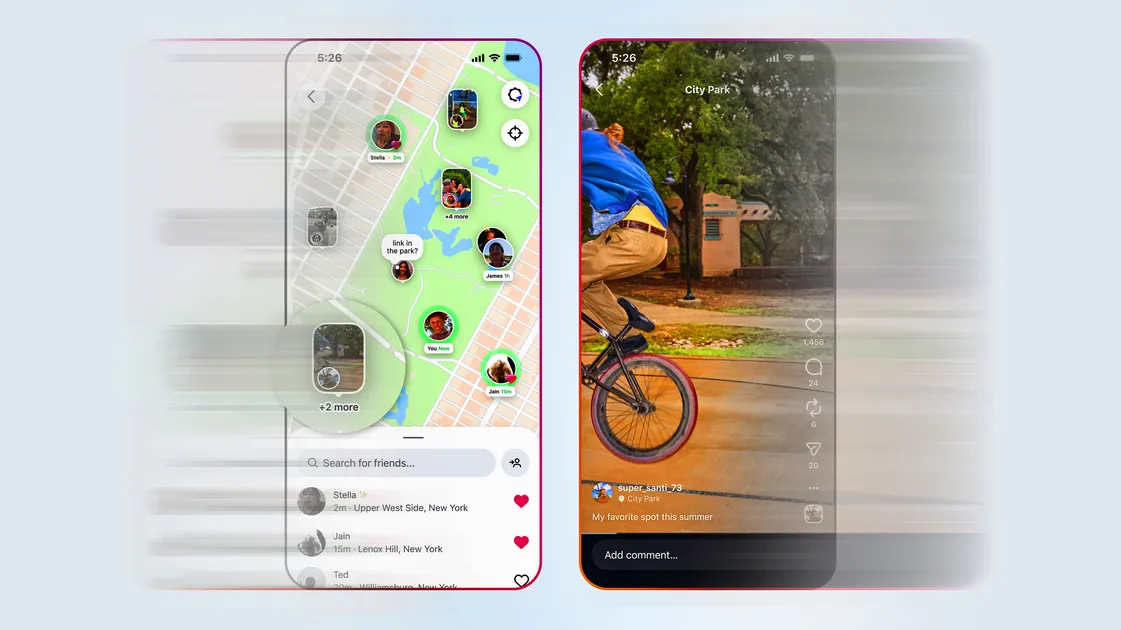
Instagram has launched a new Map feature that allows users to share and discover location-based content, but it is opt-in and users must explicitly choose to share their location. The feature pulls in location tags from Stories and Reels, and users can control who sees their location through privacy settings. Location updates only occur when the app is open or running in the background, not in real-time, and users can adjust their sharing preferences easily. The article emphasizes the importance of understanding how the feature works to protect privacy.
Instagram has launched a new Map feature that allows users to share and browse location-tagged posts, but it is opt-in and can be turned off through settings. Users are concerned about privacy and potential stalking, especially since the map shows posts from users who haven't enabled location sharing. Instagram assures that live location sharing is not active unless users choose to share it, and they plan to improve the feature's design soon.
Instagram has introduced a new Map feature that allows users to share their real-time location with mutual followers, raising significant privacy concerns as it can expose sensitive personal information and routines, potentially aiding stalkers or law enforcement. Experts advise caution and recommend turning off the feature unless necessary, and to be mindful of who is granted access to one's location data.
Instagram's new Map feature allows users to share their location with selected followers, sparking safety concerns, especially among women, due to potential stalking and privacy risks. The feature requires explicit opt-in, but backlash persists over safety and surveillance issues.
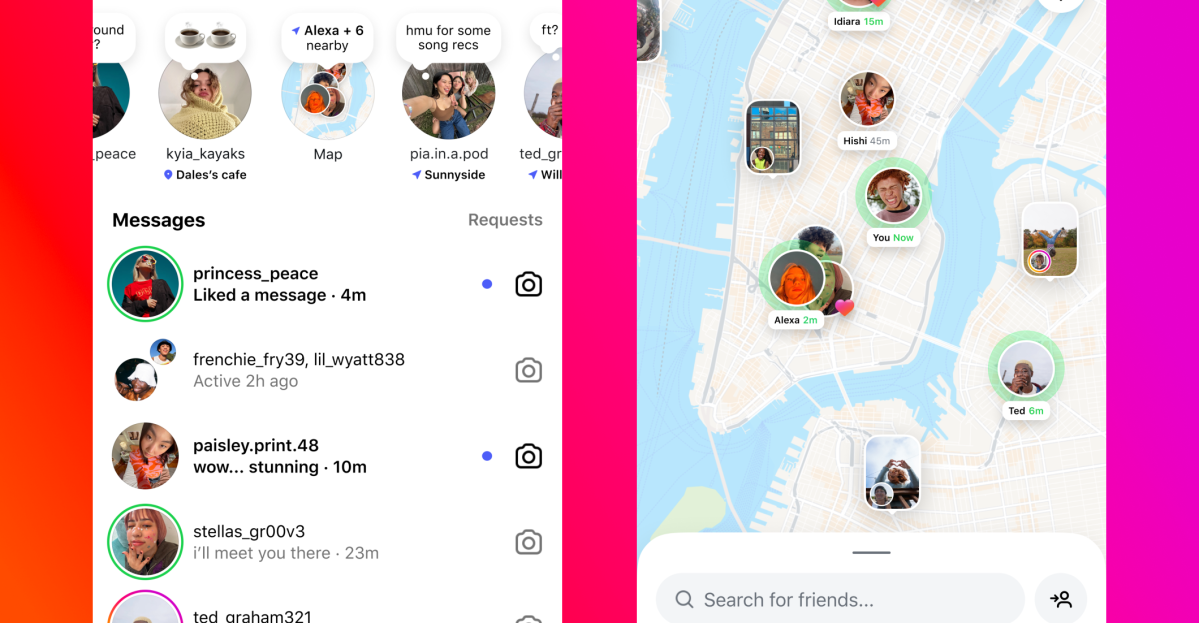
Instagram is launching a new 'Instagram Map' feature to compete with Snapchat's Snap Map, allowing users to share locations and discover location-based content, with default off and limited real-time sharing. It also introduces reposts for reels and posts, and a global 'Friends' tab in Reels, expanding content sharing and discovery options. The features aim to enhance social coordination and content engagement on the platform.
The article explores how attitudes towards location sharing vary across generations, with Gen Z generally being comfortable and seeing it as convenient, millennials being divided due to concerns about surveillance and intimacy, and Gen X showing indifference, reflecting broader shifts in social relationships and technology's role in our lives.
Instagram has launched a new feature allowing users to share their live locations with friends via direct messages for up to one hour, challenging similar services like Apple's Find My and Snapchat's Snap Map. This feature, currently available in select countries, aims to help users coordinate meetups or find friends in crowded areas. Additionally, Instagram introduced customizable nicknames in DMs and 17 new sticker packs. The location-sharing feature is more limited in duration compared to WhatsApp's eight-hour option, suggesting potential future updates.