Mark Cuban prefers email over phone calls for communication because it allows for more thoughtful responses and easier reference, highlighting a broader trend of younger generations experiencing telephobia and favoring digital communication methods over traditional calls.
The article lists humorous and relatable 'hot takes' from millennials that highlight their preferences and frustrations with modern technology, consumer culture, and social habits, making them feel 'old' or out of touch with current trends.
A study found that people in their seventies today are less likely to develop dementia compared to past generations, likely due to improvements in education, healthcare, and cardiovascular health, although the total number of dementia cases may still grow as more people live longer.
The article explores the phenomenon of the 'Gen Z stare,' a blank, expressionless look observed in younger workers, especially in customer service roles, discussing its possible psychological roots, cultural implications, and how it reflects broader generational differences and upbringing influences. It also touches on other current issues like federal workforce reductions, retail return fraud, and young entrepreneurs shifting to small business ownership.
A survey of Business Insider readers found that nearly 60% have experienced the 'Gen Z stare,' a TikTok-viral expression associated with Gen Z, sparking debate about its meaning and implications for social skills and generational dynamics.
The so-called 'Gen Z stare' is a debated phenomenon where Gen Z individuals appear blank or unresponsive in interactions, but many in Gen Z see it as a response to older generations' behavior. The trend has gained attention on TikTok and is part of broader generational stereotypes, which often serve as a focal point for societal judgments. However, the actual significance of the stare and related behaviors may be overblown, reflecting more about societal perceptions than about Gen Z itself.
A viral social media trend called the 'Gen Z stare' features young workers responding to questions with a blank, expressionless look, sparking debates about generational communication styles and tensions across age groups.
The article explores the phenomenon of the 'Gen Z stare,' a term describing Gen Z's tendency to stare blankly during interactions, and discusses whether it reflects social awkwardness, boredom, or a broader societal shift. Experts suggest it may be more about authentic communication and the impact of screen time than a unique generational trait, emphasizing the importance of understanding larger social contexts.
The article explores how attitudes towards location sharing vary across generations, with Gen Z generally being comfortable and seeing it as convenient, millennials being divided due to concerns about surveillance and intimacy, and Gen X showing indifference, reflecting broader shifts in social relationships and technology's role in our lives.
A survey by Empower reveals that while most Americans prioritize happiness over wealth as a measure of success, they still associate financial success with a high income, averaging over $270,000 annually. Gen Z sets this bar even higher at $587,000, while baby boomers consider just under $100,000 sufficient. Despite these figures, only 27% view wealth as the top success indicator, with happiness, free time, and physical well-being ranking higher. The survey also highlights that hard work, talent, networking, and luck are seen as key to achieving success, though many feel they may never reach their desired level of success.
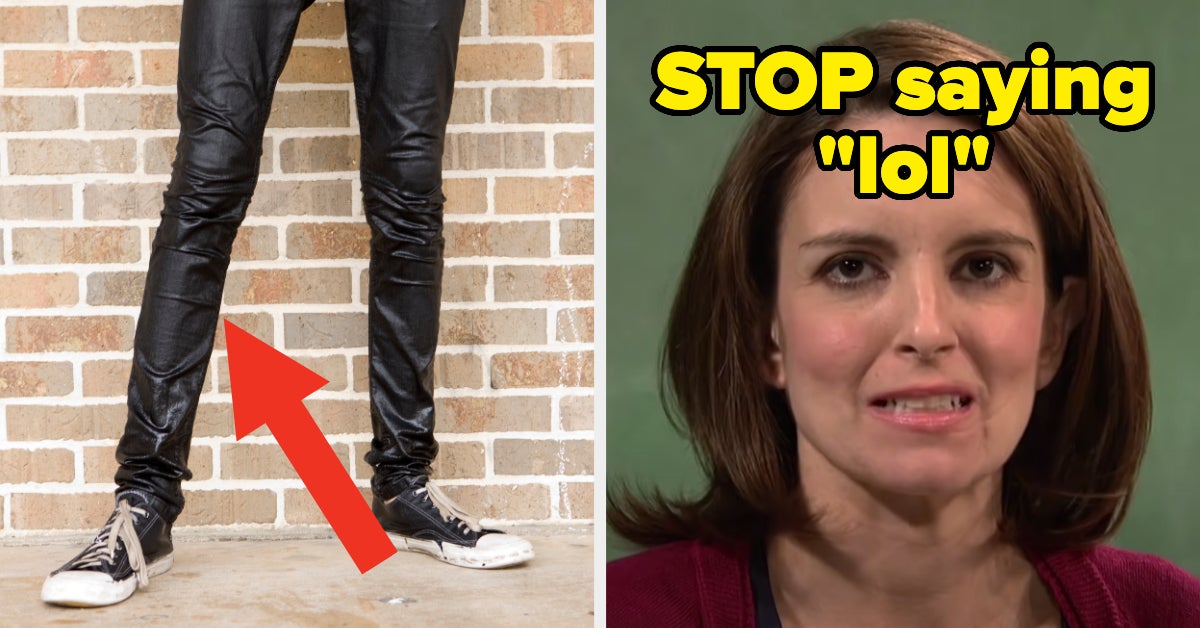
A poll highlights various millennial trends that are now considered outdated by younger generations, including monochrome furniture, skinny jeans, bold eyebrow styles, the use of acronyms in speech, and taking photos of food for social media. Respondents from different age groups share their opinions on why these trends should be left behind.
A survey by Resume Genius reveals that 45% of U.S. hiring managers find Gen Z the most challenging generation to work with, including 50% of Gen Z managers themselves. Despite this, Gen Z remains the second most likely group to be hired, following millennials. The pandemic's impact on their early career experiences and a general trend of workers becoming easier to manage with age are cited as contributing factors. The research suggests that businesses should adapt to Gen Z's unique strengths and perspectives.
Many millennial parents are finding that their boomer parents, who were once seen as potential childcare support, are not as hands-on as expected. This shift has led to feelings of disappointment and abandonment among millennials, who were raised by helicopter parents and now strive to raise their own children to be more independent. The generational differences in parenting styles and expectations have led to challenges in childcare support and strained relationships between boomer grandparents and millennial parents.
Hiding purchases or debts from a partner can lead to relationship problems, according to several surveys. A survey by Edelman Financial Engines found that 39% of married adults admitted their partners didn't know everything about their spending, rising to 50% for divorcees. Another poll by Circuit for Teams revealed that roughly two-thirds of partnered adults hid purchases from their partners in the last year, with an average of $475 concealed. A report by NerdWallet found that one-third of Americans with credit card debt told no one what they owe. While financial infidelity is considered cheating by more than half of respondents in a survey by The Motley Fool Ascent, roughly half of married adults admitted to hiding purchases. Men are more likely to hide spending on electronics, alcohol, and gambling, while women hide purchases of clothing, cosmetics, and gifts for others. Surveys consistently find that younger people are more likely to keep financial secrets than older Americans.
A new report by UBS reveals that a "great wealth transfer" is underway, with more billionaires acquiring wealth through inheritance rather than entrepreneurship. In the past year, 53 heirs received a total of $150.8 billion, surpassing the $140.7 billion earned by 84 new self-made billionaires. This trend is expected to continue, with an estimated $5.2 trillion in wealth set to be passed down in the next few decades. However, generational differences in opinion regarding wealth and legacy may pose challenges, with younger billionaires expressing a desire to reshape and reposition their inherited wealth. The report also highlights variations in risk appetite and philanthropic goals among different generations of billionaires.