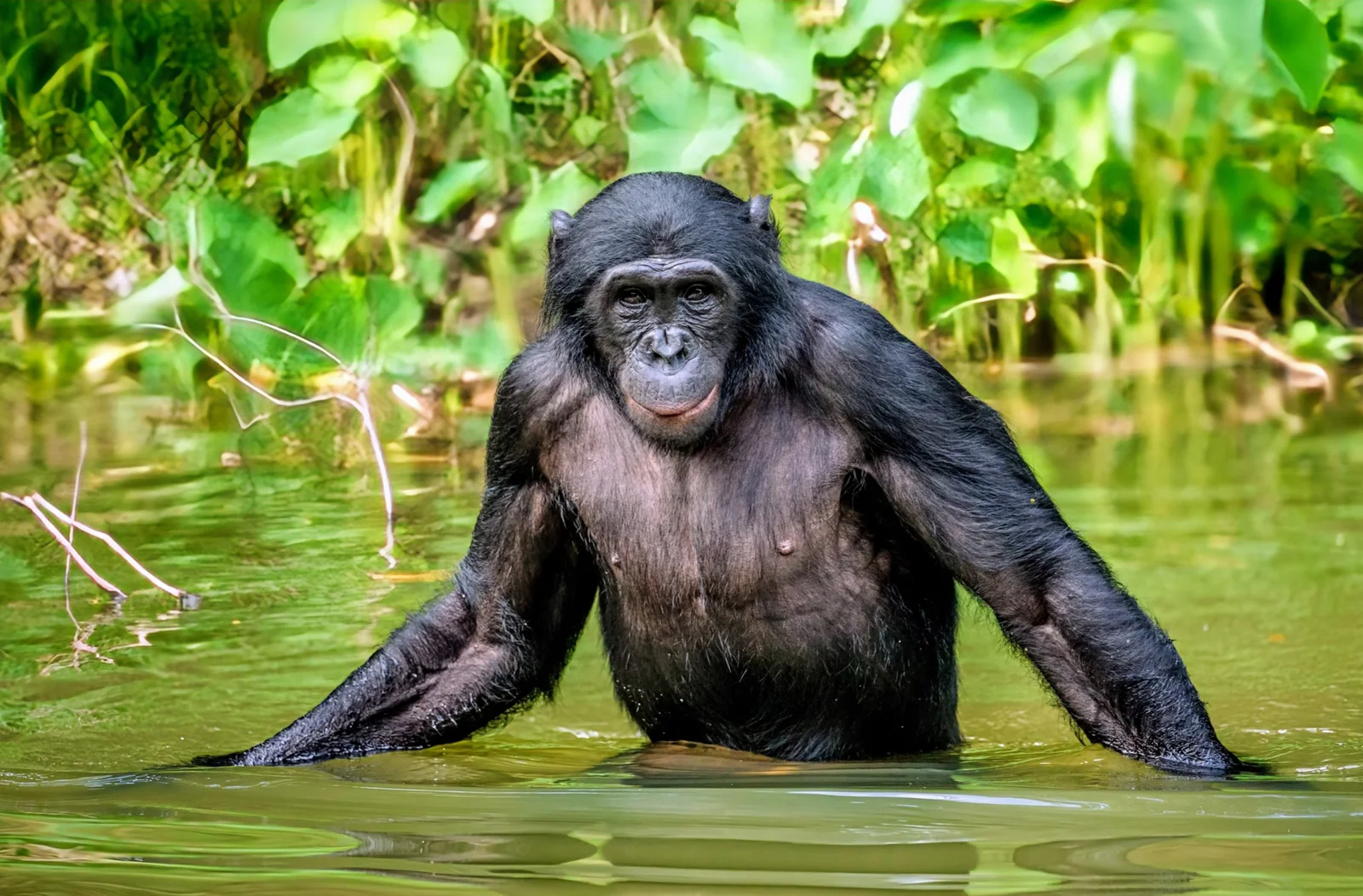
New research shows bonobos respond to outsider calls with heightened alertness and a modest rise in affiliative behaviors like grooming, using social bonding rather than aggression to cope with threats—a pattern known as the common-enemy effect. The study across multiple groups found bonobos’ response is milder than chimpanzees but still demonstrates a link between external threat and internal cohesion, suggesting this cooperative toolkit evolved millions of years ago and that humans can also cooperate across borders instead of defaulting to warfare. The findings imply bonobos may have stopped lethal intergroup aggression long ago, offering insight into the roots of peaceful social strategies.
Researchers have discovered that (R)-ketamine, as opposed to (S)-ketamine, effectively restores neuronal activity in the anterior insular cortex, a region crucial for emotional regulation and social cognition, in a mouse model of depression-related social impairments. This restoration led to improved social interactions and cognition in the mice. The findings highlight the potential of (R)-ketamine in treating social impairments associated with depression and suggest a targeted approach to improving mental health and well-being.
Singing together has been found to have numerous health benefits, including promoting social bonding and improving mental wellbeing. Research suggests that singing activates the release of endorphins, creating a sense of contentment and connection. Singing in groups enhances this effect, with strangers forming close bonds after just one hour of singing together. Singing also supports emotional regulation, provides an outlet for frustrations, and contributes to a sense of self. People who engage in singing have lower rates of depression and higher levels of wellbeing. Singing therapies show promise for conditions such as dementia and Parkinson's disease, and there are indications of physical benefits such as reduced blood pressure and improved lung health.
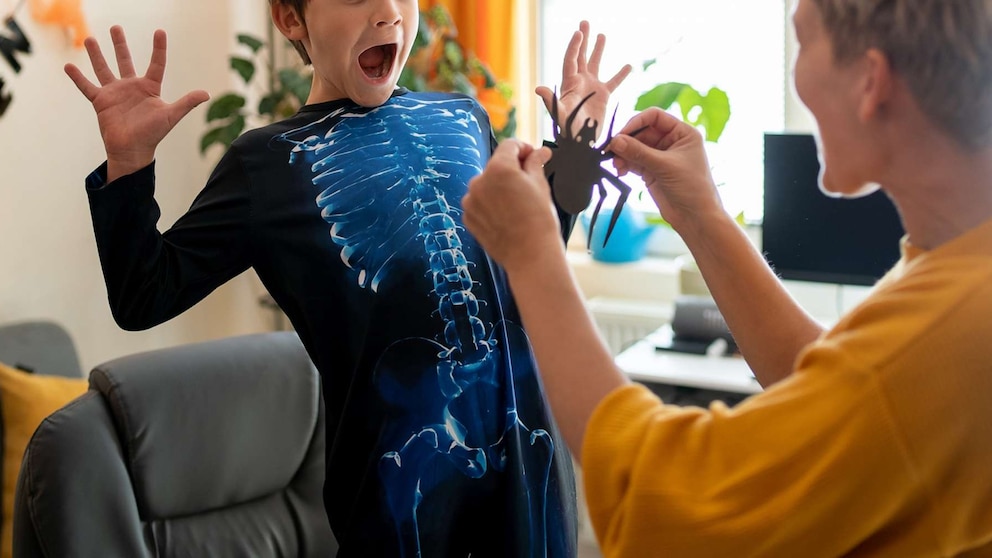
Doctors explain that fear can be enjoyable because it stimulates the same brain centers as happiness and is positively reinforced by social bonding. The body's fight-flight-or-freeze response releases stress hormones and neurotransmitters like adrenaline and dopamine. Seeking out scary experiences for fun is not abnormal, as the same part of the brain that reacts to fear also responds to pleasurable experiences. Once the immediate stressor is recognized as non-threatening, the adrenaline subsides, leaving a rush of dopamine and serotonin. Socialization enhances the fun of frightening experiences, as it triggers the release of oxytocin, making people feel closer to one another. However, not everyone enjoys thrill-seeking, and there are variations in the level of enjoyment experienced.
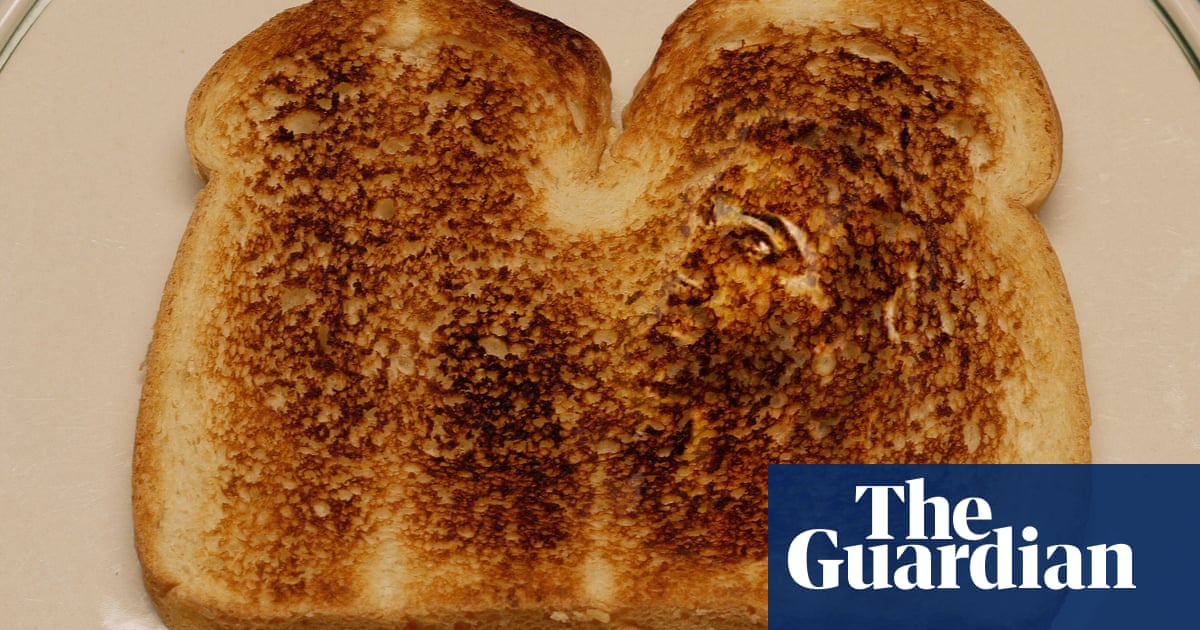
A study conducted by researchers from the University of Queensland and the University of the Sunshine Coast suggests that postpartum mothers may be more sensitive to perceiving faces in inanimate objects, a phenomenon known as face pareidolia. The study involved pregnant women, women who had recently given birth, and women who were neither expecting nor recently had children. The results showed that women who had recently given birth were better at recognizing illusionary faces in images compared to the other participants. The researchers hypothesize that the higher levels of oxytocin in postpartum women may contribute to this heightened sensitivity, potentially facilitating social bonding with newborns. However, the study had limitations and did not directly measure oxytocin levels or track changes in face pareidolia over time.
New research suggests that women who have recently given birth may have an enhanced ability to see faces in inanimate objects. The study, conducted by researchers from the University of Queensland and the University of the Sunshine Coast, found that postpartum women reported being able to see illusionary faces more easily than pregnant women. The phenomenon, known as face pareidolia, may be influenced by higher levels of oxytocin, the "love" or "trust" hormone associated with social bonding. However, the study did not measure oxytocin levels, leaving room for other factors such as anxiety or stress to potentially explain the results. Further research is needed to confirm these findings.
A study conducted on rhesus macaques on Cayo Santiago Island found that 72% of male monkeys engage in same-sex behaviors, which were determined to have reproductive benefits and improve social bonding among the primates. The study challenges the long-held belief that nonreproductive activities, such as same-sex relationships, are detrimental to a species' survival. However, caution is advised in applying these findings to other primates, including humans, as different cultural constructions may influence behavior. The researcher hopes that understanding the prevalence and benefits of same-sex behavior in nature can help reduce homophobic reactions in society.
Singing with others in a choir has been linked to reduced stress hormones and increased cytokines, proteins that can boost the body’s ability to fight serious illness, according to the “Sing With Us” study. Other studies have found a connection between singing generally with lessened anxiety, stimulated memory for those with dementia, increased lung capacity and an easing of postpartum depression. Singing groups such as choirs promote social bonding, which contributes to a sense of belonging and joy. Singing has numerous health benefits for older adults, too: fewer falls, doctor visits and prescription drugs, better social connections and better cognitive function.