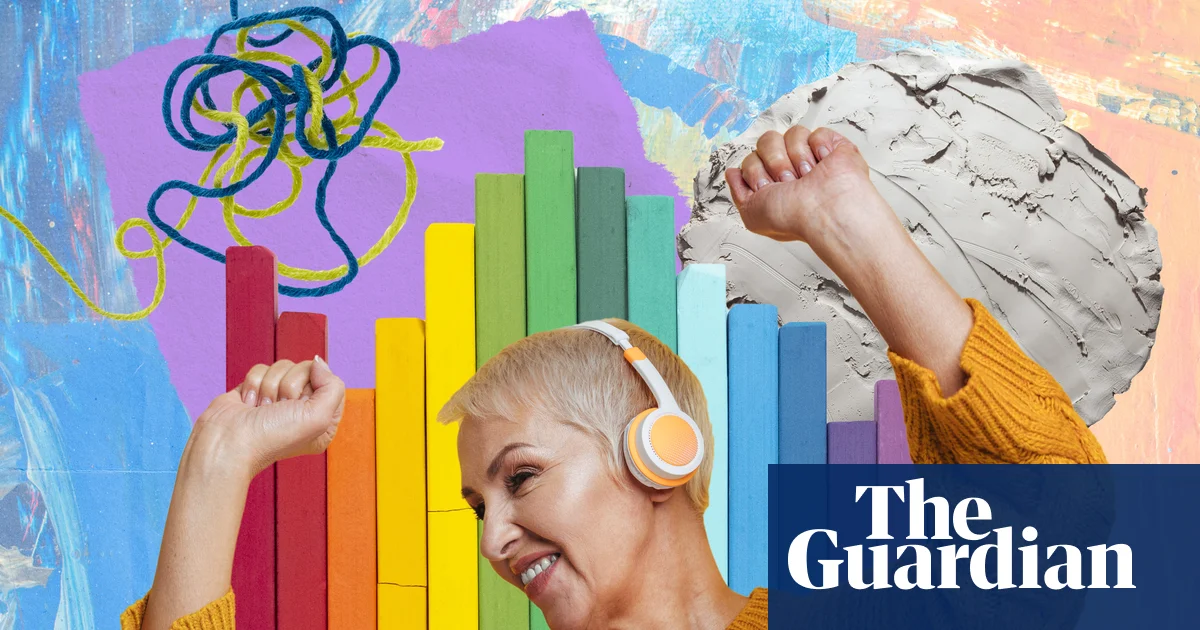
Engaging in the arts—such as music, dance, visual arts, and cultural activities—has significant mental and physical health benefits, including reducing stress, improving mood, strengthening brain connectivity, and building resilience against cognitive decline. The article encourages incorporating creative activities into daily life to enhance overall wellbeing in 2026.
Digital detoxes, which involve reducing or abstaining from digital device use, can improve mental health, reduce stress, and enhance attention, especially when practiced for at least one to two weeks. Partial detoxes, like limiting social media or daily phone use, are often more effective and sustainable than complete abstinence, and incorporating non-digital activities can further boost benefits. Small, manageable changes in digital habits are recommended over extreme measures for better long-term wellbeing.
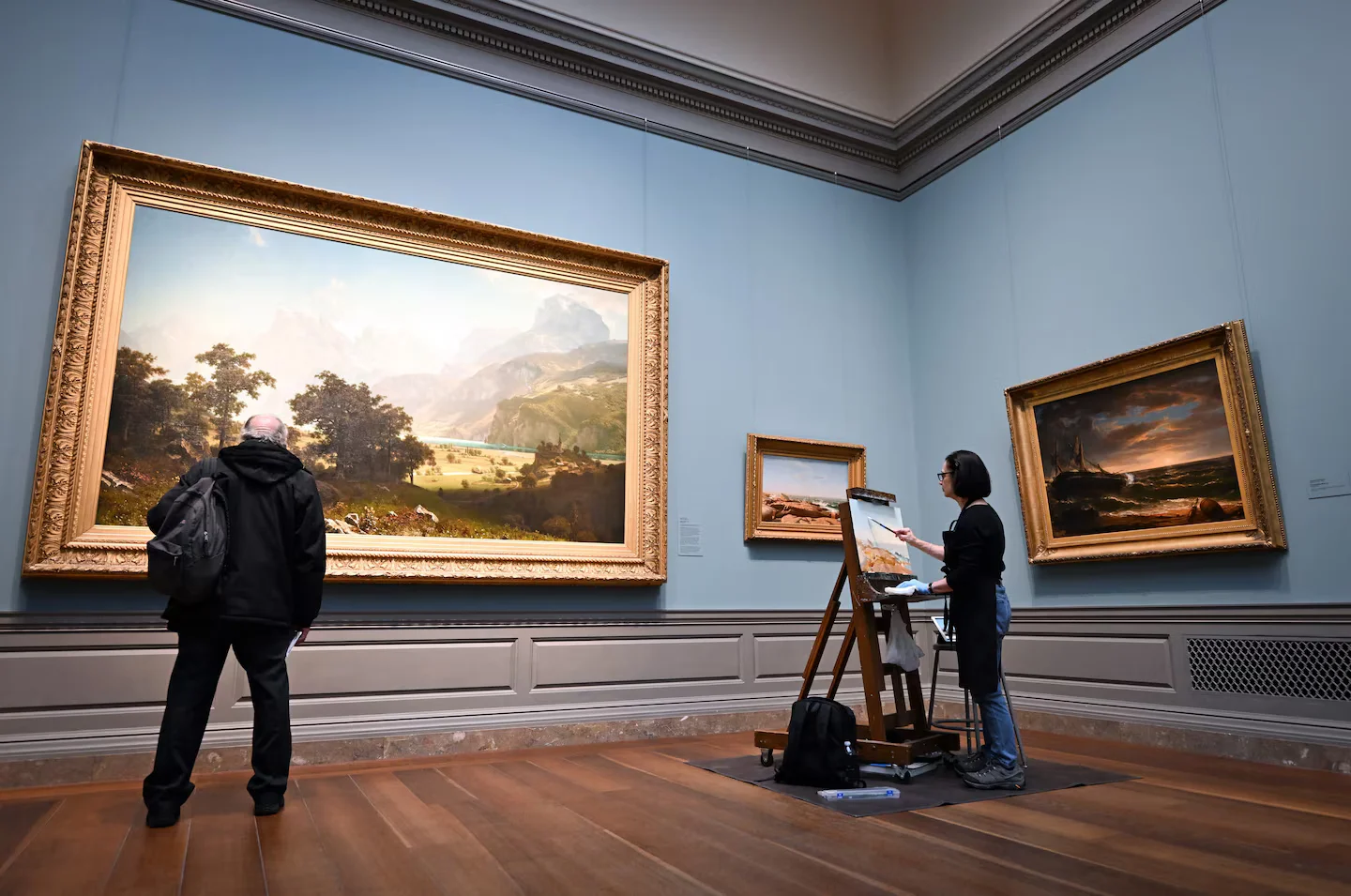
Research shows that experiencing awe daily can boost our health, and activities like art workshops at the National Gallery of Art can help cultivate this feeling, which has been linked to improved mental and physical wellbeing.
Forest bathing, or mindful walks in the woods, is an ancient practice that enhances mental and physical health by connecting with nature through all senses, reducing stress hormones, blood pressure, and improving mood, supported by scientific research and increasingly recommended by health authorities.
Research from Australia shows that hope, defined as a strong sense of agency and determination to improve one's circumstances, is a crucial predictor of positive long-term economic, social, and health outcomes, surpassing other positive emotions like happiness or security. Moving from hopelessness to hope correlates with higher educational attainment, better health, and greater resilience, suggesting that fostering hope could be a key strategy for improving individual and societal wellbeing.
A study by King's College London found that viewing original art in galleries can reduce stress hormones, lower inflammation, and positively impact multiple body systems, suggesting that art not only moves us emotionally but also promotes physical health and wellbeing.
The author tried colour walking, a simple practice of focusing on a specific color during walks, and found it surprisingly effective for mental clarity and relaxation, combining physical movement with focused attention to create a moving meditation. Despite initial skepticism, the experience led to increased awareness and a lighter mood, demonstrating that simple, accessible practices can significantly improve wellbeing.
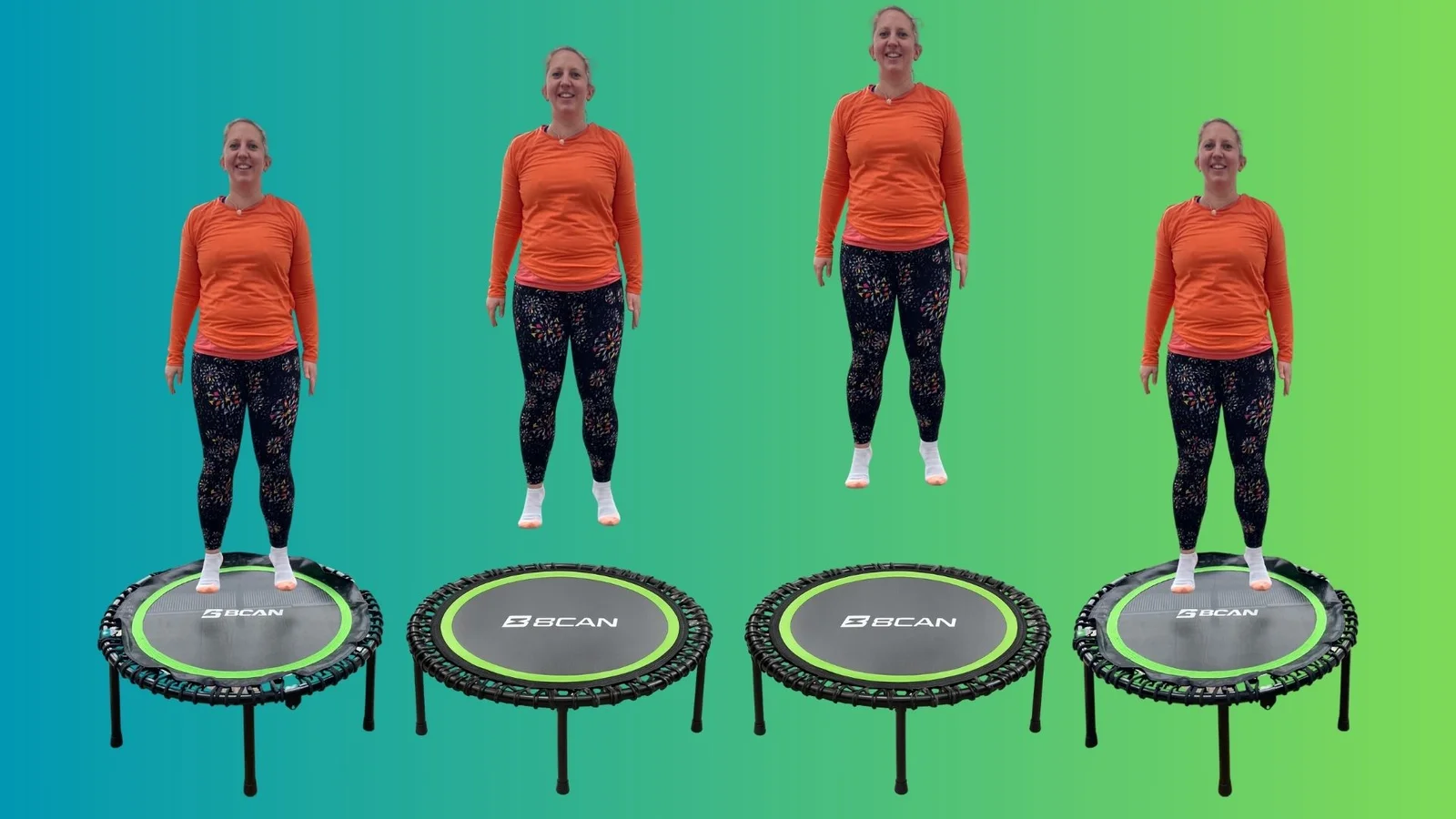
A simple five-minute daily balance routine, involving standing on one leg and progressively increasing difficulty, can significantly improve stability, joint strength, and reaction time, especially beneficial for aging individuals. Master trainer Jack Claxton recommends practicing this routine regularly to maintain and enhance balance skills.
The article suggests that people over 60 tend to be happier because they reduce stress by stopping the constant slicing of time and instead focus on right-sizing their commitments, leading to increased presence and well-being.
A structured morning routine, lasting around 30 minutes, significantly impacts daily mood and productivity, with habits like eating breakfast, getting fresh air, and staying hydrated helping to reset a rough start. Good sleep the night before is crucial for a positive day, emphasizing the importance of sleep hygiene and consistent habits for overall wellbeing.
The article discusses a talk series where entrepreneurs, innovators, and practitioners share insights on pioneering methods to extend lifespan and enhance wellbeing and beauty.
Simone Gibertoni, CEO of Clinique La Prairie, discusses advancements in longevity, including AI-driven diagnostics and holistic wellness strategies, exploring the future of extending human lifespan in the context of the booming $2tn global wellness market.
A new quiz from The Open University and Age UK helps individuals assess and improve their aging process by focusing on five key areas: diet, hydration, physical activity, social connection, and mental challenge, encouraging small, achievable steps for healthier, more connected later life.
New research indicates that the mental health benefits of exercise depend heavily on the context, such as the setting, motivation, and social environment, rather than just the activity itself, suggesting that the meaning and experience surrounding exercise are crucial for its positive impact.
A 16-year study of over 10,000 people aged 50+ found that higher wellbeing predicts better memory performance as we age, emphasizing the importance of positive emotions and practices like gratitude, kindness, and mindfulness for cognitive health. While causality isn't confirmed, investing in wellbeing may benefit long-term mental health.