

Tag

Face Perception

All articles tagged with #face perception

"Motherhood and Pareidolia: The Phenomenon of Seeing Faces in Everyday Objects"

Originally Published 2 years ago — by Livescience.com

Featured image for "Motherhood and Pareidolia: The Phenomenon of Seeing Faces in Everyday Objects"
Source: Livescience.com

New research suggests that postpartum women may be more susceptible to experiencing pareidolia, the phenomenon of perceiving faces in inanimate objects. The study showed that postpartum women rated objects with illusory faces as more "face-like" than expectant women and those not pregnant. The researchers hypothesize that elevated levels of oxytocin, the "love" hormone, after birth may contribute to this heightened sensitivity in perceiving faces in objects. However, further research is needed to confirm this hypothesis.
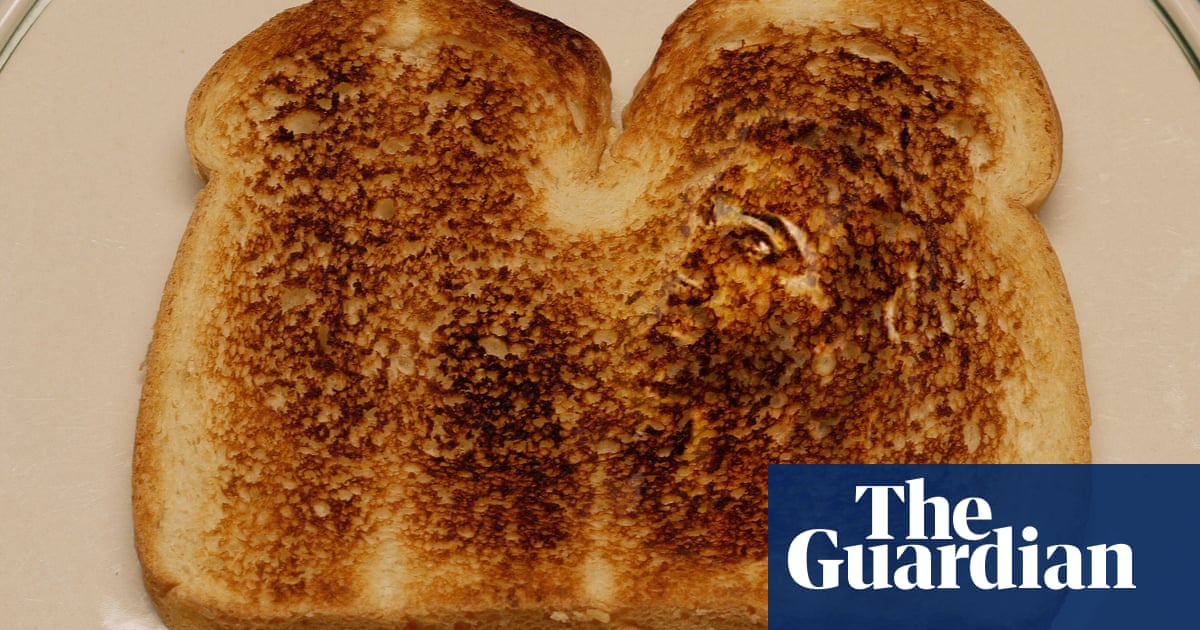
"Postpartum Women Show Heightened Perception of Faces in Everyday Objects"

Originally Published 2 years ago — by The Guardian

Featured image for "Postpartum Women Show Heightened Perception of Faces in Everyday Objects"
Source: The Guardian

New research suggests that women who have recently given birth may have an enhanced ability to see faces in inanimate objects. The study, conducted by researchers from the University of Queensland and the University of the Sunshine Coast, found that postpartum women reported being able to see illusionary faces more easily than pregnant women. The phenomenon, known as face pareidolia, may be influenced by higher levels of oxytocin, the "love" or "trust" hormone associated with social bonding. However, the study did not measure oxytocin levels, leaving room for other factors such as anxiety or stress to potentially explain the results. Further research is needed to confirm these findings.

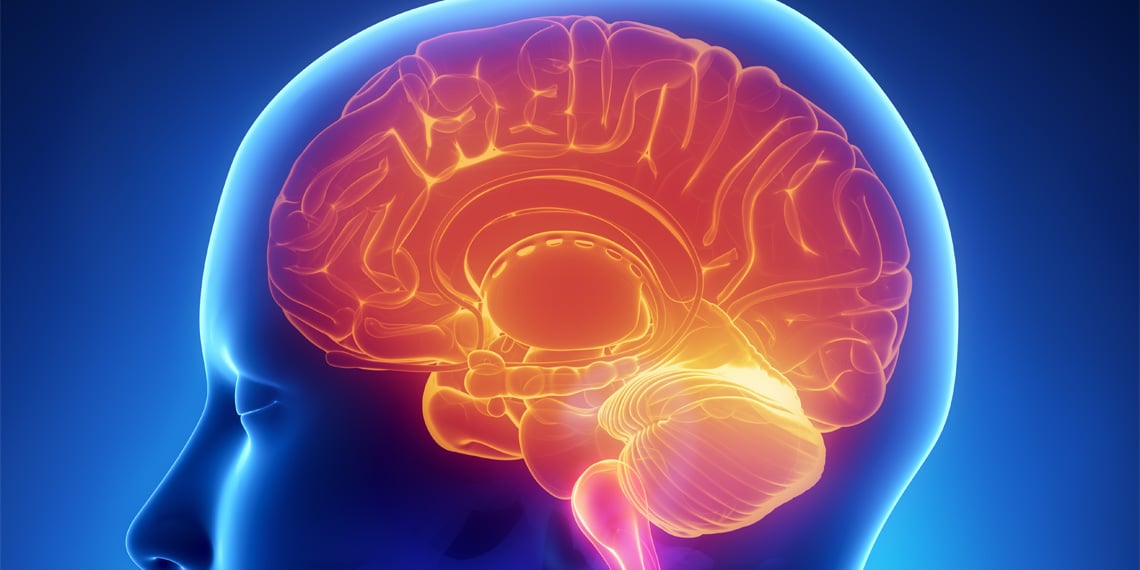
Autistic individuals' eye contact avoidance linked to overactive threat processing system.

Originally Published 2 years ago — by PsyPost

Featured image for Autistic individuals' eye contact avoidance linked to overactive threat processing system.
Source: PsyPost

A new neuroimaging study provides evidence of increased amygdala and face cortical network activation in individuals with autism spectrum disorder (ASD) in response to face-like (or pareidolic) stimuli. These findings support the hypothesis of an overly connected subcortical face-processing network in ASD, potentially resulting from an early imbalance between excitatory and inhibitory systems. The researchers propose that the increased sensitivity of the amygdala in ASD for pareidolic objects may be evidence of over-connection between the amygdala and the rest of the face-processing system. This over-connection could result from an early imbalance between excitatory and inhibitory systems in autism.