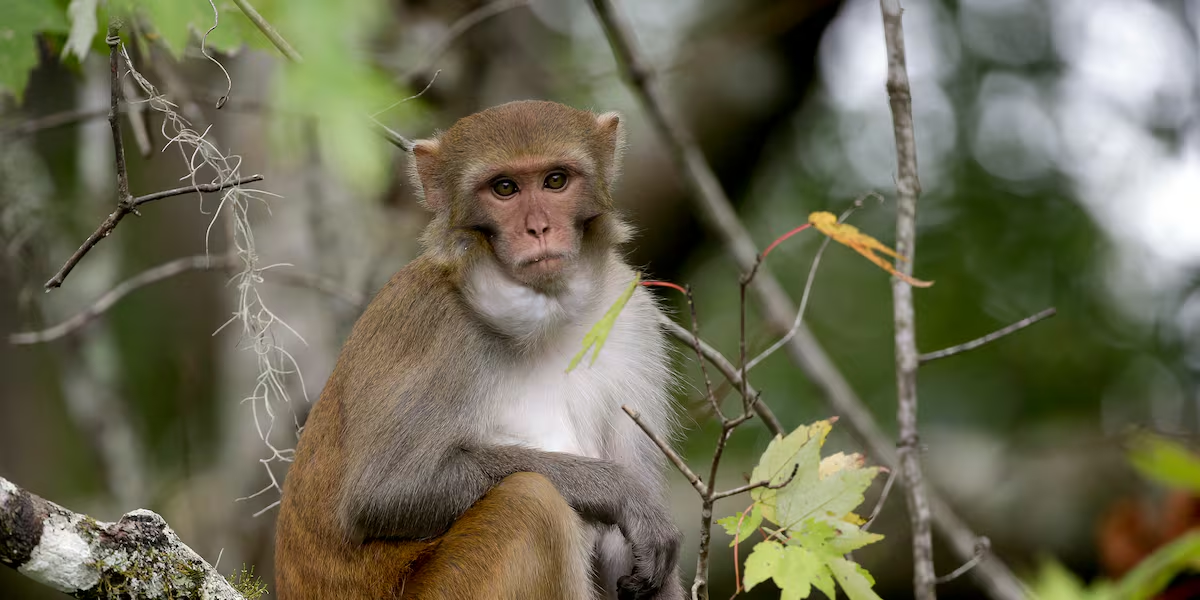
Scientists have identified a neural pathway in the brain that acts as a 'motivation brake,' making it difficult to start unpleasant tasks. By suppressing this circuit in macaque monkeys, researchers significantly increased their willingness to initiate tasks despite potential punishment, offering insights into motivation deficits in psychiatric conditions like depression.
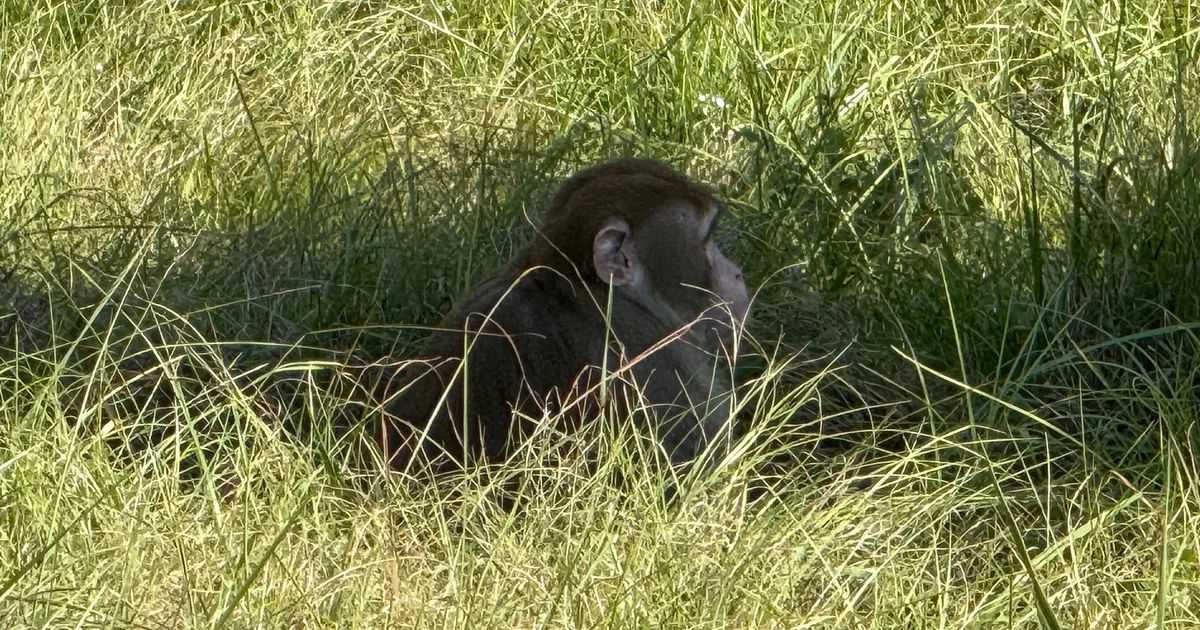
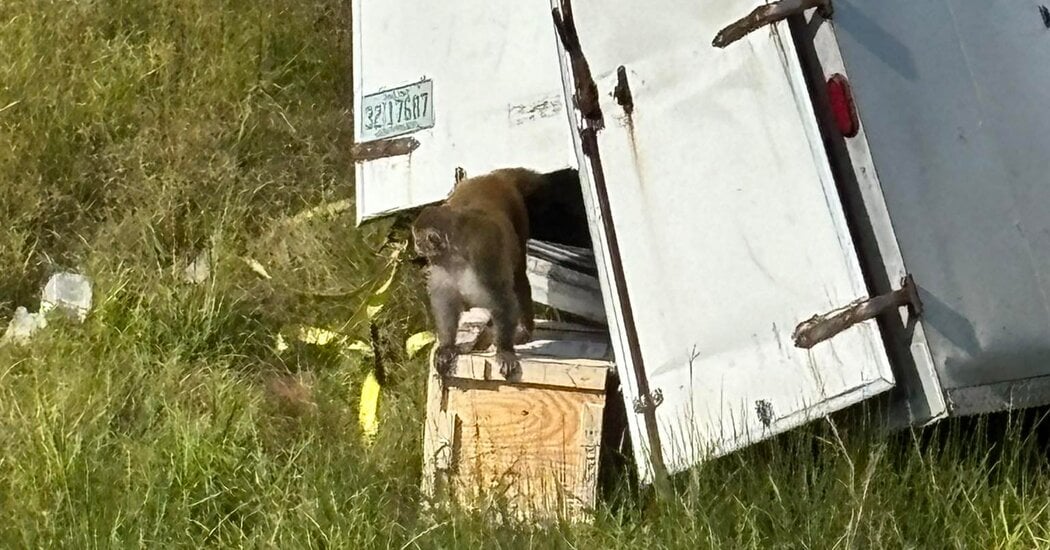
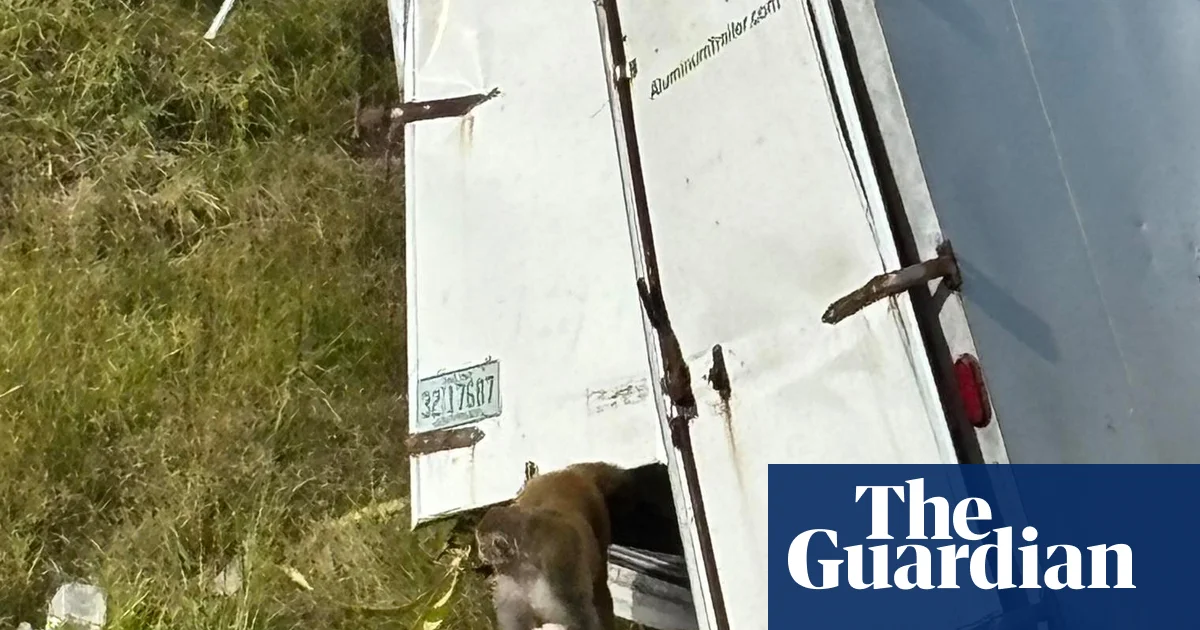
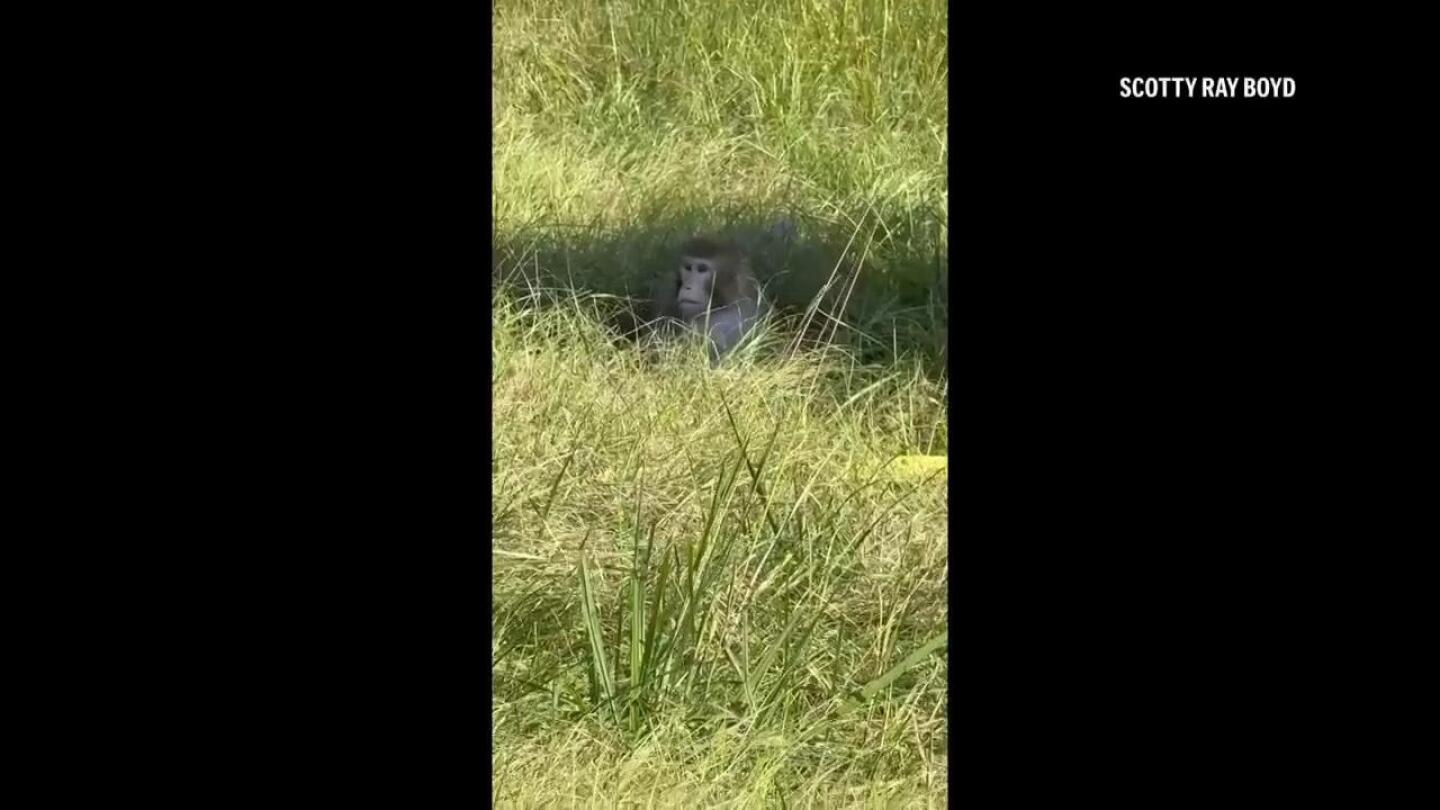
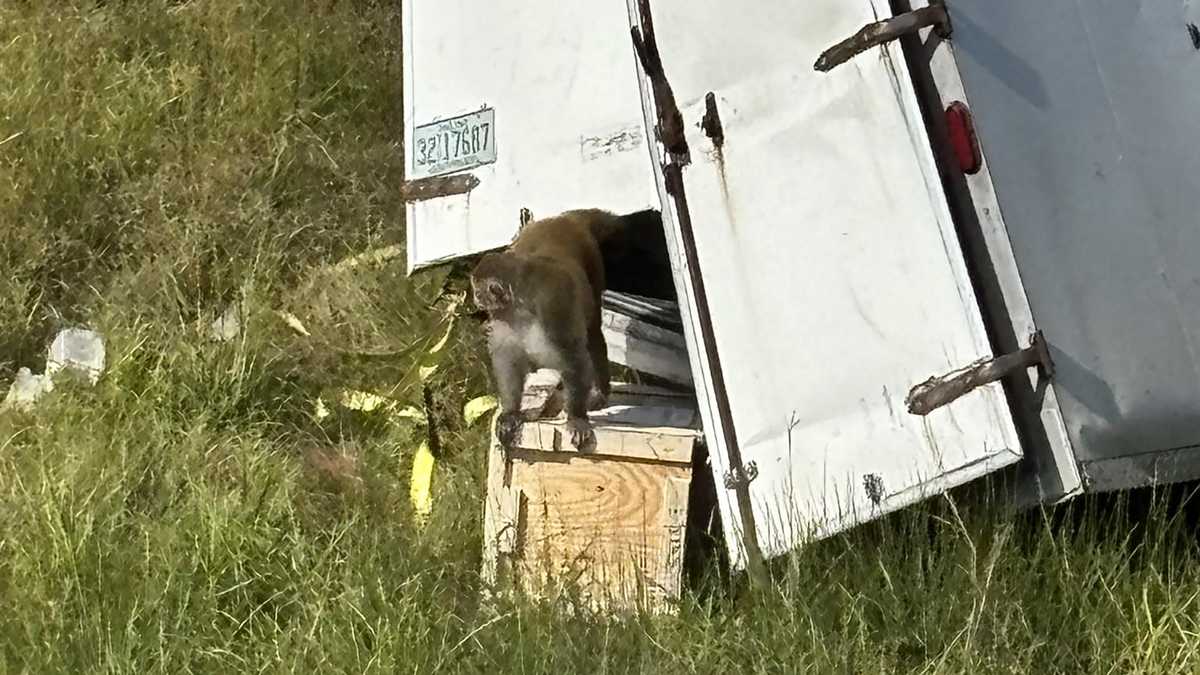
A truck crash in Mississippi led to the escape of 21 monkeys, with two shot and killed after being seen crossing the highway; one monkey remains missing, and authorities warn the public not to approach the animals due to their aggression, despite assurances they are not disease carriers.
Five monkeys were euthanized after escaping from a truck that overturned in Mississippi; they were wrongly believed to be infected with Covid-19 and other diseases due to misinformation from the driver, while three other monkeys remained at large.
Three Rhesus monkeys escaped after a truck crash in Mississippi; most were killed, but three remain loose. The monkeys, housed at Tulane University’s research center, are not infectious but are considered dangerous due to their aggressive nature. Authorities are searching for the missing monkeys, and the incident raises questions about animal transport and safety.
A truck carrying lab-bred rhesus monkeys overturned in Mississippi, leading to the escape of some animals, who were later euthanized after authorities believed they might carry diseases; the university involved clarified the monkeys were not infectious, and efforts to locate the remaining animals continue.
A truck carrying rhesus monkeys overturned on a Mississippi highway, leading to the escape of most monkeys, with only one killed; the monkeys, housed at Tulane University but not owned by it, were reported to be aggressive and potentially carrying diseases, though university officials stated they had not been exposed to infectious agents.
A truck carrying rhesus monkeys overturned on a highway in Mississippi, leading to their escape. The university confirmed that the monkeys did not carry any infectious diseases, despite initial concerns. Most of the monkeys were killed due to their aggression, and the incident involved animals housed at Tulane University's research center.
A truck carrying Rhesus monkeys overturned on a highway in Mississippi, leading to the escape of most monkeys, with only one being killed; the monkeys were not owned by Tulane University and were not exposed to infectious agents, prompting a response from law enforcement and wildlife officials.
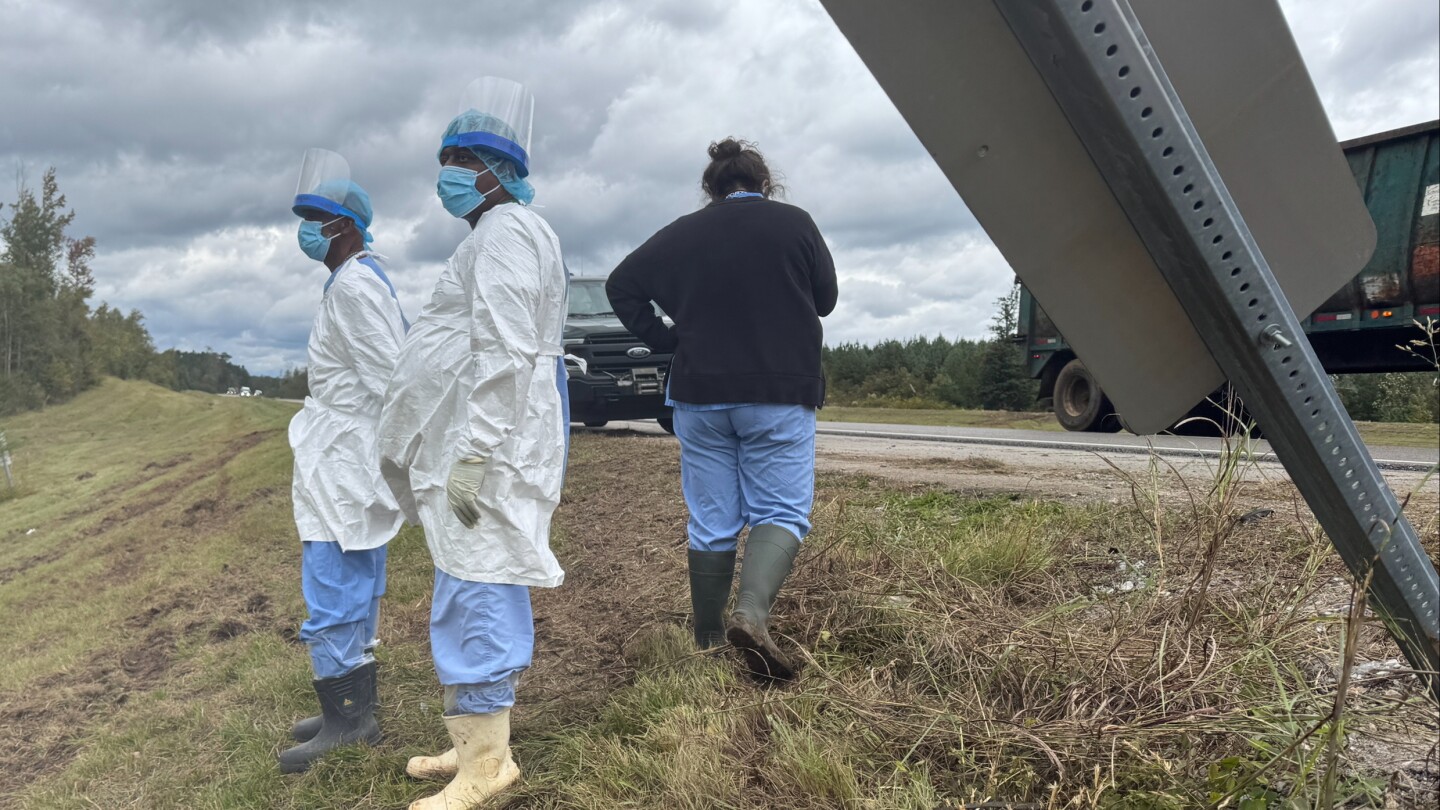
After a truck carrying rhesus monkeys from Tulane University overturned in Jasper County, most of the 21 monkeys escaped; all but one have been euthanized, and the remaining monkey is still at large. The monkeys are non-infectious and are being handled with caution by authorities and animal care experts.
A truck carrying monkeys overturned in Mississippi, leading law enforcement to kill most of the escaped primates after they were deemed dangerous, with only one monkey still missing; the monkeys were en route to a Florida testing facility and are confirmed to be non-infectious by Tulane University.
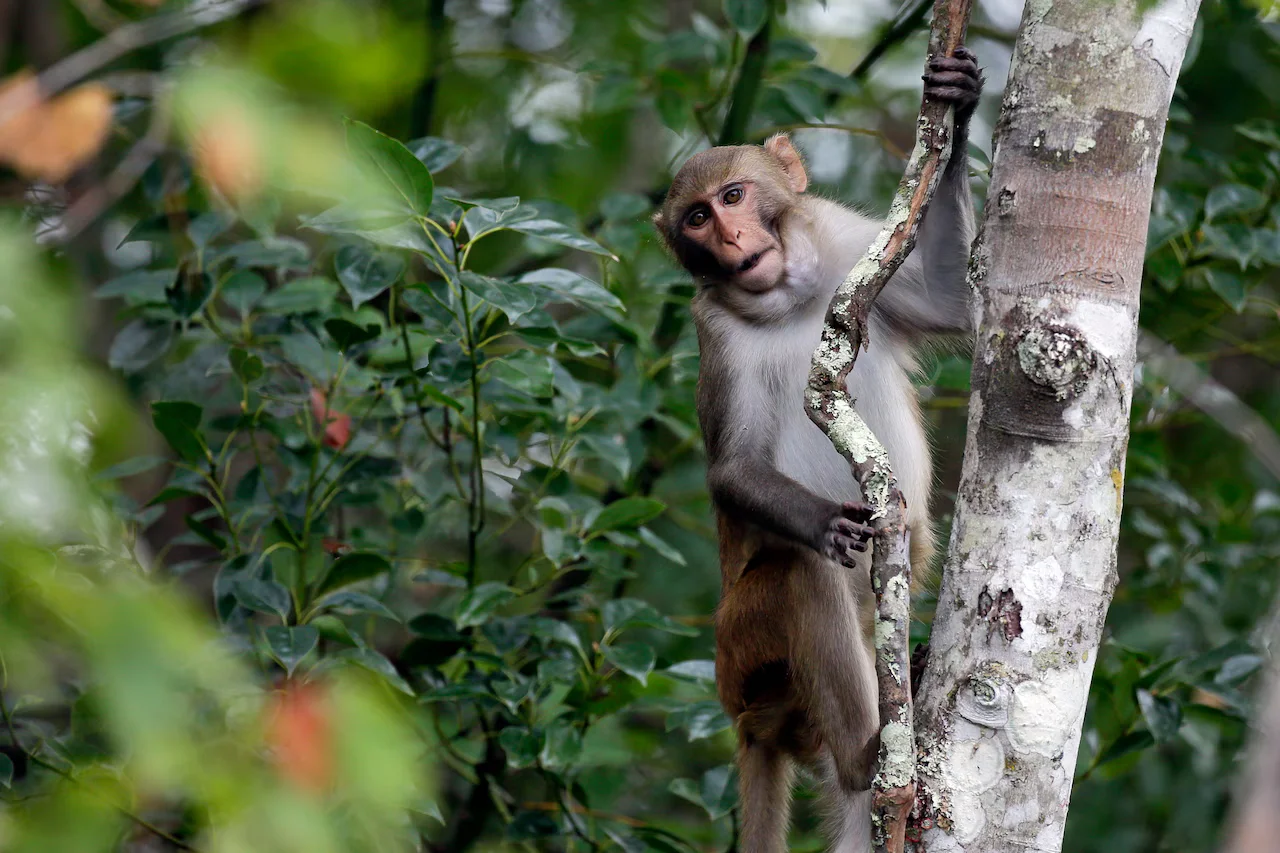
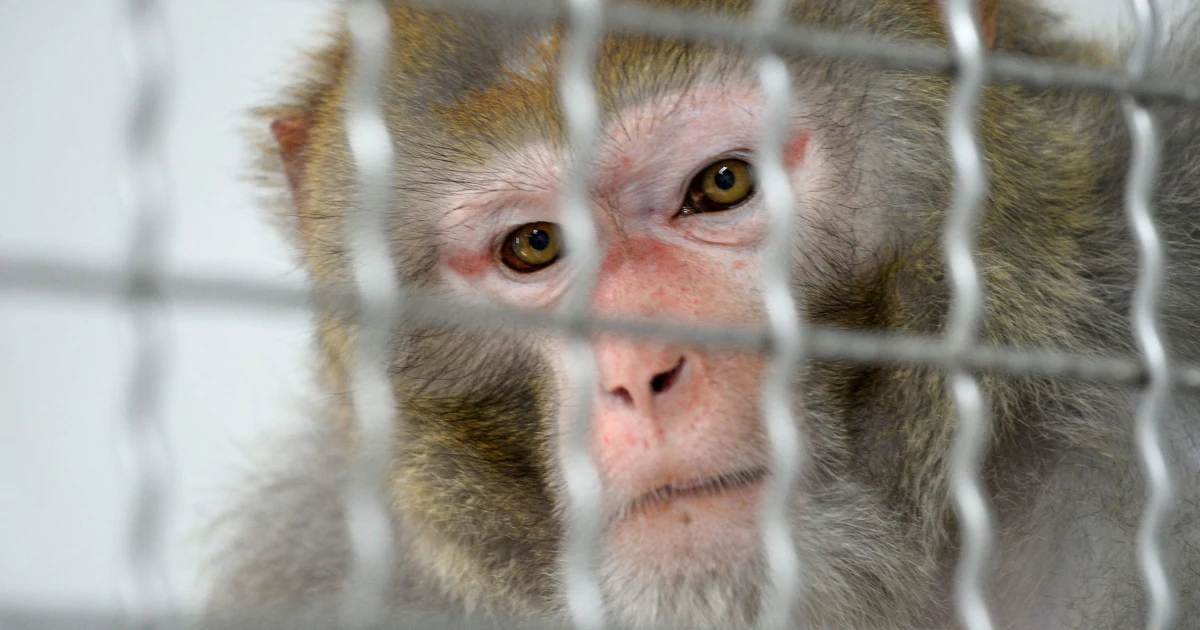
Thirteen Rhesus macaques remain at large after escaping from the Alpha Genesis Primate Research Center in Yemassee, South Carolina, with authorities capturing five more of the 43 that initially escaped. The monkeys, described as young females, escaped due to a caretaker's error in securing an enclosure. Police have urged the public to avoid the area and refrain from using drones, as efforts to safely capture the remaining monkeys continue.
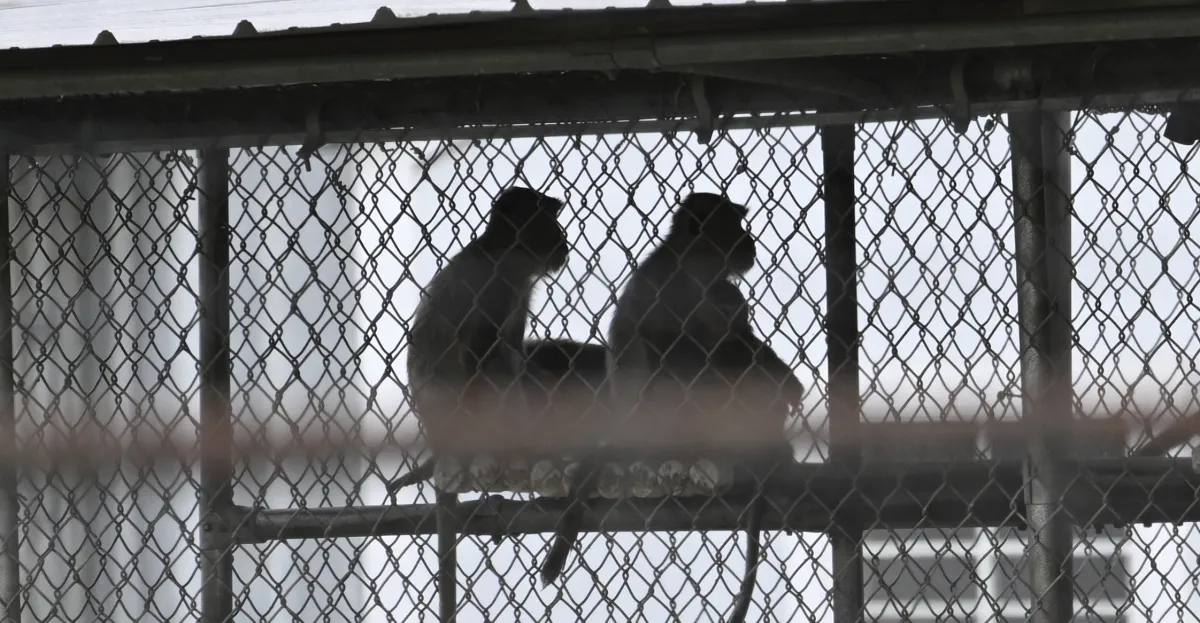
Twenty-five out of 43 rhesus macaques have been recaptured after escaping from the Alpha Genesis Primate Research Center in Yemassee, South Carolina. The young monkeys, weighing between 6 and 7 pounds, escaped when a caretaker accidentally left a door unsecured. Despite their time in the wild, the monkeys are reportedly in good health. The facility breeds and researches primates for vaccine development and experimental procedures. Residents have been advised to avoid the area and not to use drones to locate the remaining monkeys.
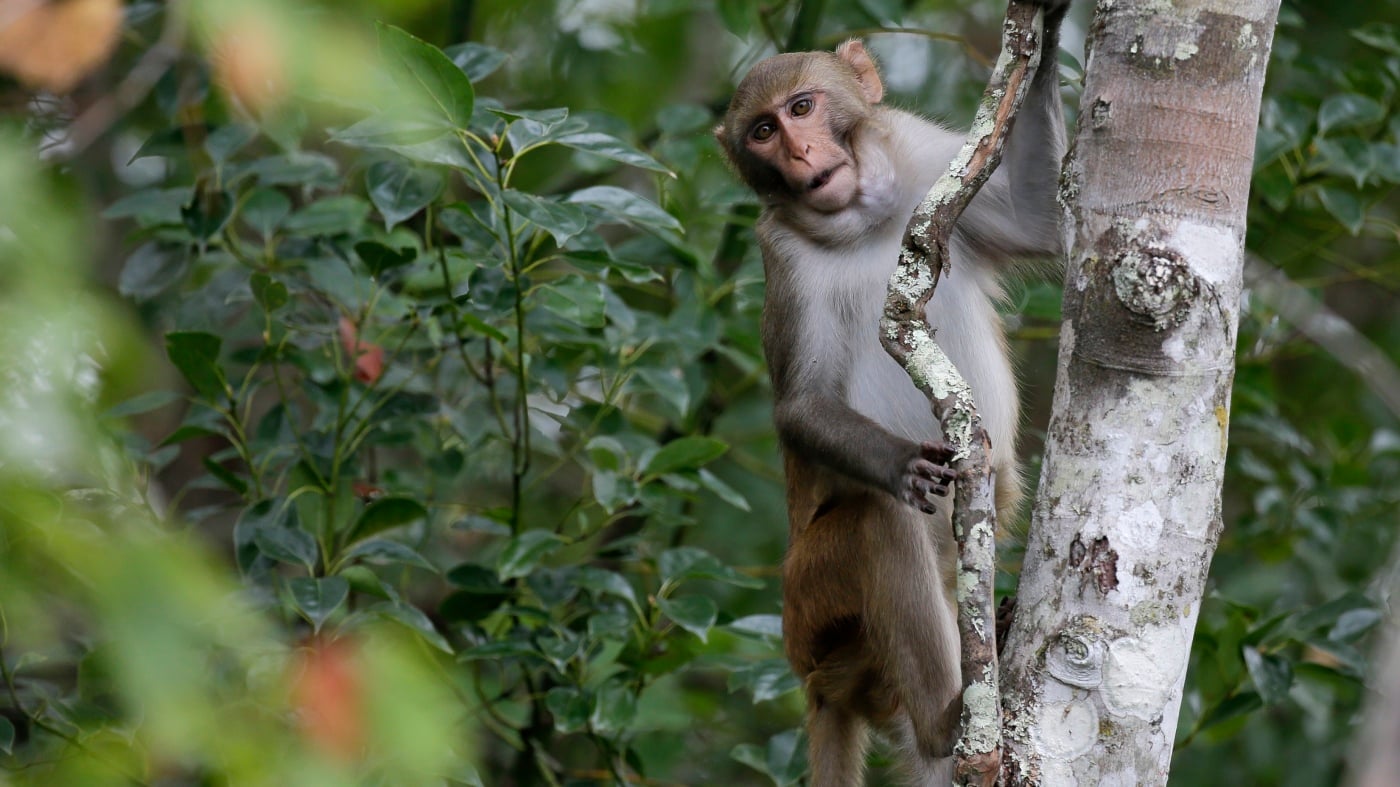
Forty-three rhesus macaques escaped from the Alpha Genesis research lab in South Carolina, raising questions about their legal claim to freedom. While the lab works to recapture them, animal rights advocates argue that the monkeys, originally from a wild population, may have a right to remain free. The incident highlights ongoing debates about the legal status of wild animals and the moral implications of their captivity and potential liberation.
Critics of Donald Trump fear potential retribution if he returns to office, as he has hinted at targeting those who have wronged him. Meanwhile, a historic drought is causing rare November wildfires in the Northeast, with significant blazes in New Jersey and New York. In sports, the Detroit Lions made a dramatic comeback against the Houston Texans in "Sunday Night Football." Additionally, 25 of 43 escaped monkeys from a South Carolina research facility have been recovered, and debates over cellphone bans in schools continue in Florida.
In Yemassee, South Carolina, 25 out of 43 rhesus macaque monkeys that escaped from the Alpha Genesis Primate Research Center have been recaptured, while 18 remain at large. The monkeys escaped after a new employee left their enclosure door open. Recovery efforts are ongoing, with officials monitoring the monkeys' interactions and health, which have been deemed good. The public is advised to avoid the area and report any sightings to authorities.