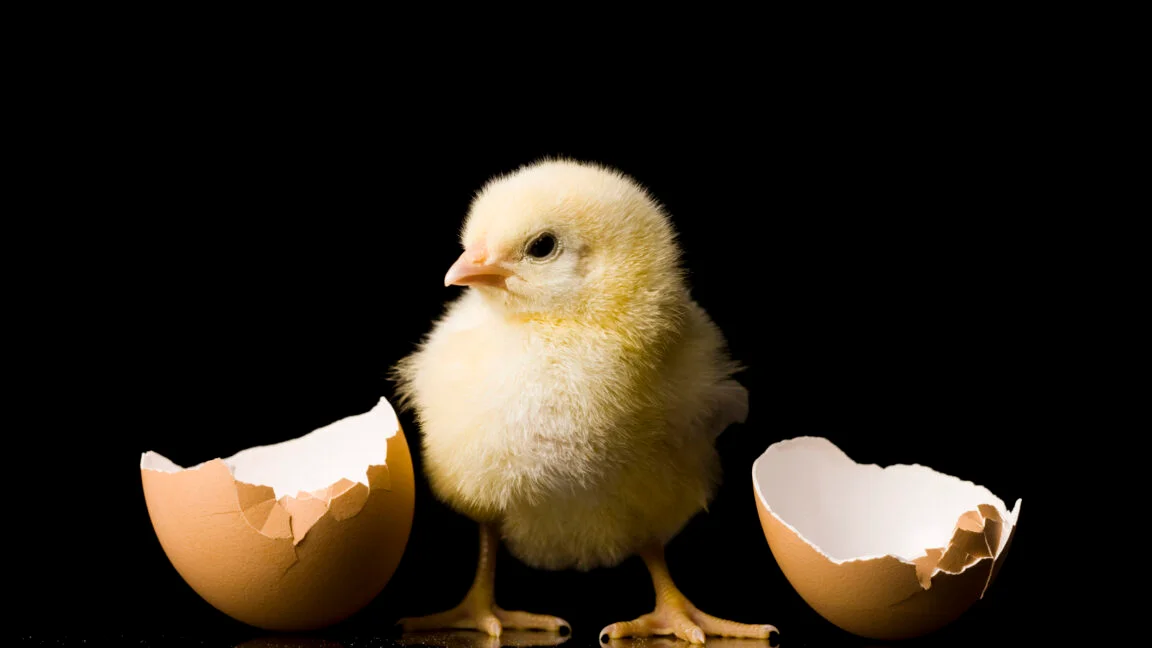
Newly hatched chicks (1–3 days old) show the bouba/kiki effect: hearing 'bouba' makes most move toward rounded shapes, while 'kiki' nudges them toward spiky shapes, suggesting crossmodal shape-sound links exist in birds and are not tied to language.
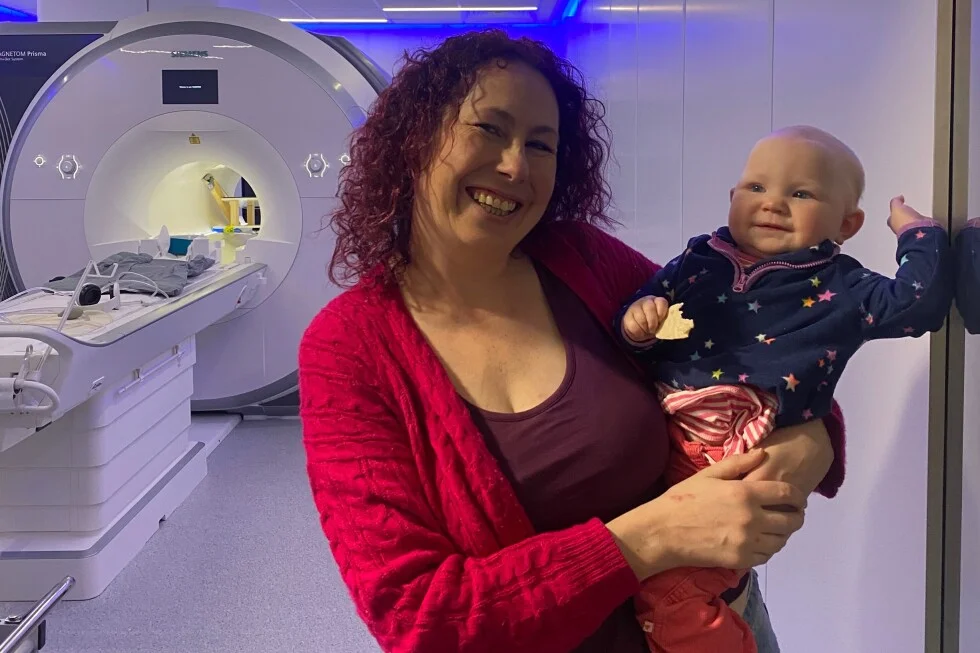
A new study suggests that two-month-old infants can distinguish between different objects, indicating early, more sophisticated perceptual processing than previously thought.
The Moon looks larger near the horizon due to the Moon Illusion, a brain-based effect in which our perception of distance and size is distorted by contextual cues (like trees, buildings, or a flat horizon). Refraction actually makes the Moon look squished, not bigger, so the size increase is not atmospheric. The leading explanation involves Emmert's Law: the retina records the Moon’s size, but we judge its distance and thus its apparent size based on context, a two-step process that makes horizon objects appear larger even though nothing about the Moon’s actual distance changes.
A University of Western Australia study used computer-generated male figures varying in height, body shape and penis size; women tended to rate larger penises and more pronounced physiques as more attractive, while men perceived such traits as more threatening, suggesting penis size acts as a status cue in sexual competition with evolutionary underpinnings, across diverse samples in heterosexual cis contexts.
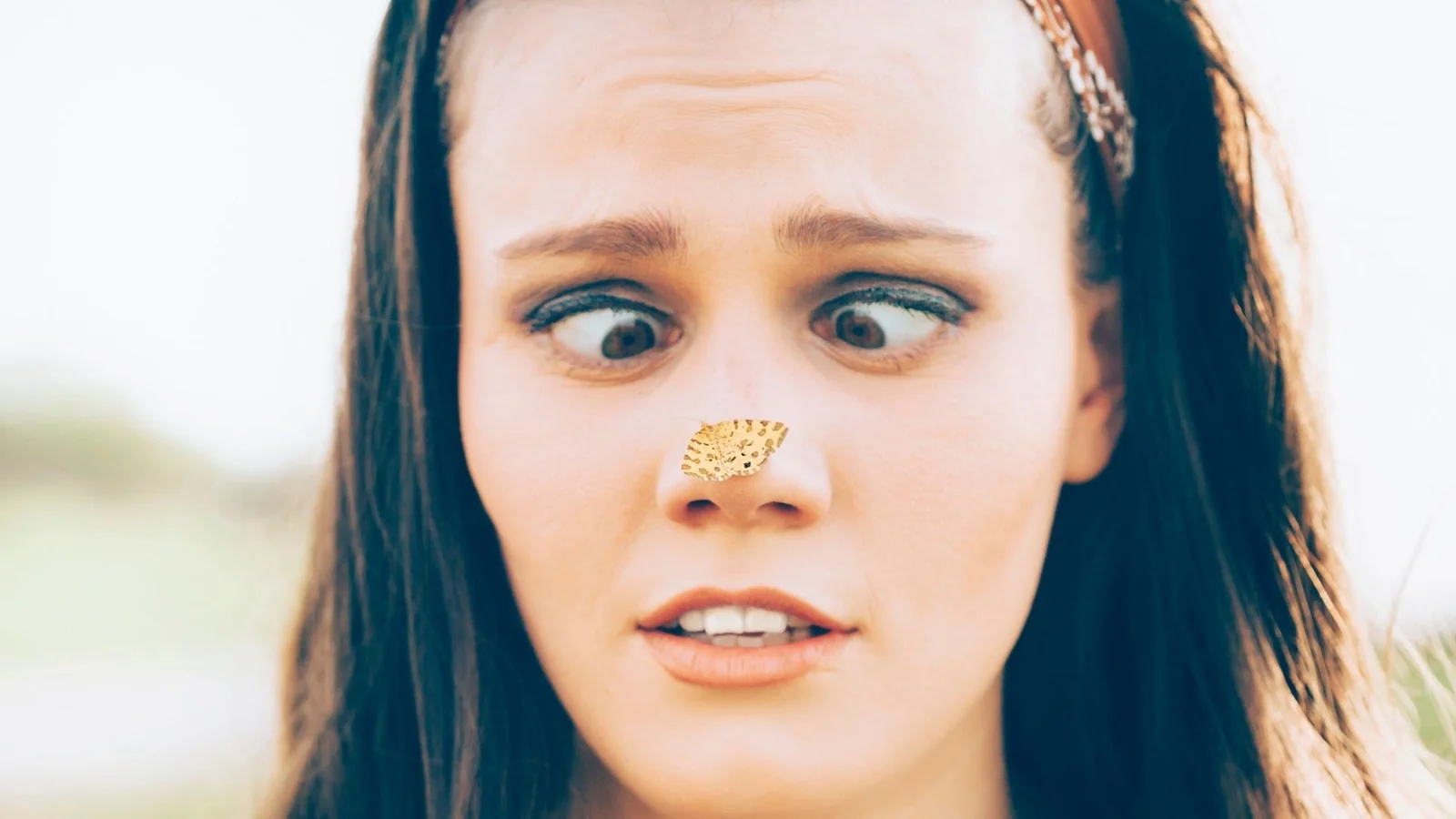
Despite being always in your field of view, your nose largely disappears from conscious sight because the brain habituates to constant stimuli and filters out familiar inputs, so you only notice it if you deliberately focus on it or change your viewpoint.
New research and expert discourse suggest that human perception rests on 22–33 senses, far beyond the classic five. Proprioception, interoception, vestibular balance, sense of agency, and sense of ownership are part of a distributed, multisensory system that blends touch, taste, smell, and sight to create flavor, texture, and self-awareness. Everyday experiences—such as odors altering taste or sounds changing perceived texture—reflect this interconnectedness. Work at the Centre for the Study of the Senses and Crossmodal Laboratory in Oxford, alongside exhibitions like Senses Unwrapped, illustrate how our senses continually negotiate a single, coherent reality.
Research shows that individuals with visual snow syndrome experience heightened face pareidolia, seeing faces in random patterns more frequently due to hyperexcitability in the visual cortex, which amplifies false perceptual signals and offers insights into how the brain interprets visual information.
Recent research suggests humans may have over 30 senses, including traditional ones like sight and hearing, as well as others like proprioception and interoception, all working together to create a unified experience of the world. Our perception is multisensory and influenced by various factors, with ongoing studies exploring the complexity of human sensory systems.
Modern research suggests humans have between 22 and 33 senses, including traditional senses like sight and hearing, as well as others like proprioception, interoception, and the sense of ownership, all working together to create a unified perception of the world.
Since 2020, many aspects of life such as prices, social decency, public behavior, and the job market have changed significantly, with people feeling that time, social interactions, and everyday experiences have been altered or worsened post-pandemic.
Scientists have confirmed that humans possess a 'seventh sense' of remote touch, allowing them to detect objects buried in loose materials like sand with about 70% accuracy, outperforming robots in subtlety. This ability, akin to certain shorebirds' prey detection, suggests that humans can perceive faint pressure ripples in granular media, opening new possibilities for applications in archaeology, forensics, and planetary science. Future research aims to explore different materials, improve robotic sensing, and understand the underlying neural mechanisms.
Research reveals humans possess a 'seventh sense' called remote touch, allowing them to detect buried objects beneath sand before contact, a capability supported by experiments and robotic models, which could have applications in archaeology, search and rescue, and planetary exploration.
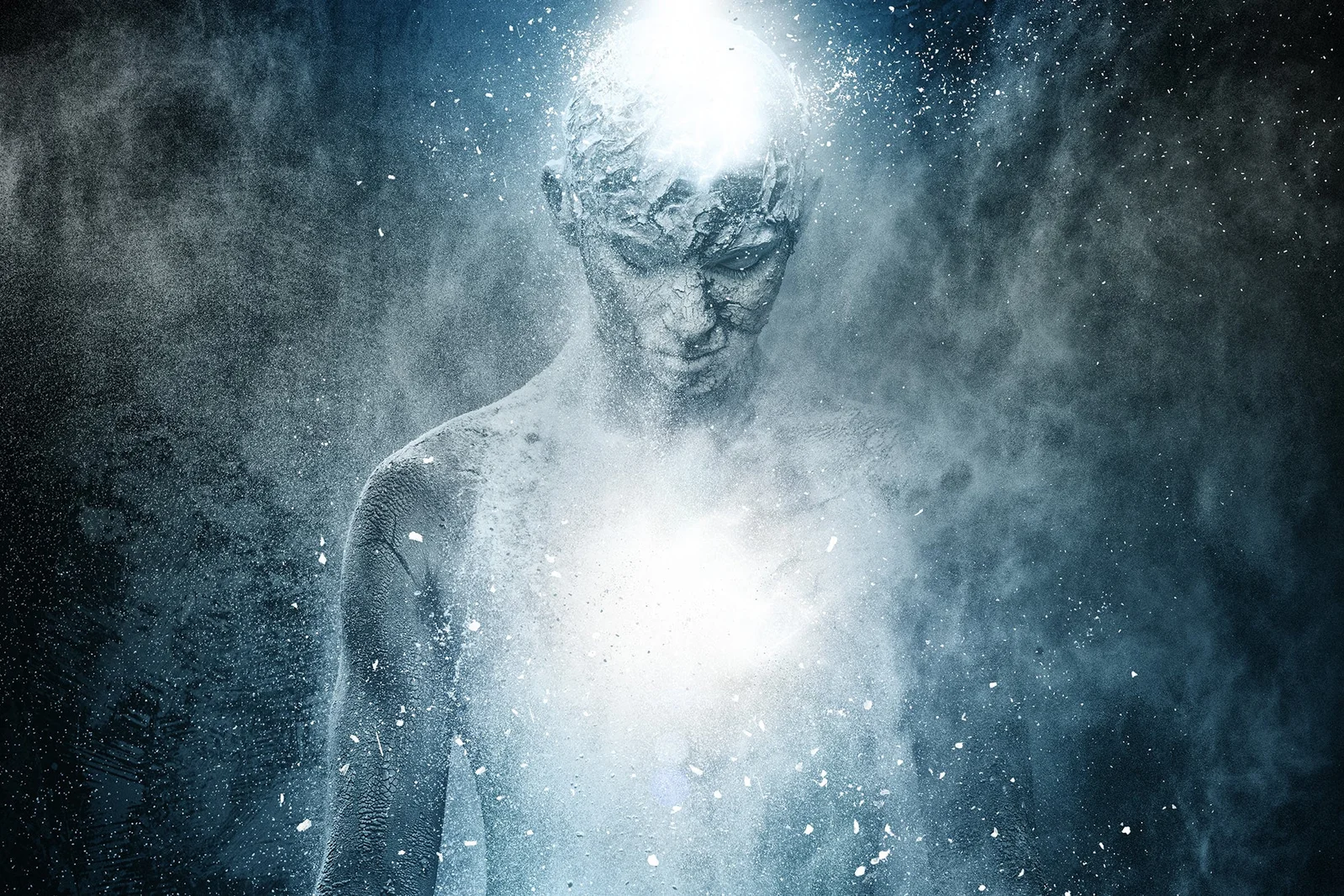
The article explores higher states of consciousness, or awakening experiences, which temporarily expand awareness and alter perception of reality. These experiences can be triggered by psychological distress, contact with nature, or spiritual practices, and often lead to lasting positive changes in outlook. While neuroscientific explanations exist, psychological factors like relaxation and mental quietness play a significant role. Cultivating stillness through meditation and nature contact can increase the likelihood of such transformative experiences.
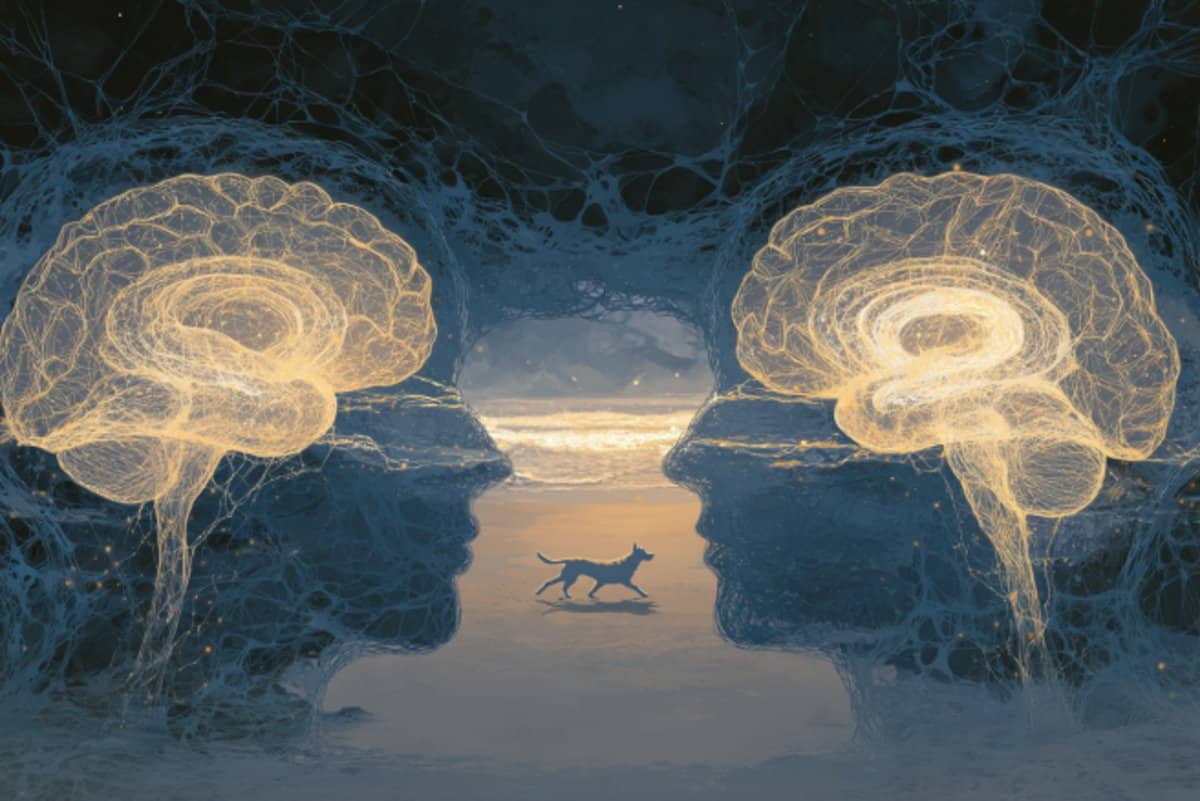
A study shows that despite individual differences in neural activity, humans share a common relational structure in brain responses that explains how we perceive the world similarly, which could inform AI development.
Most Portlanders interviewed see the city as peaceful and community-oriented, disputing portrayals of it as a war zone or burning, and note that protests have not significantly disrupted their daily lives, though some are affected emotionally or concerned about city issues.