Tag

Bonobos

All articles tagged with #bonobos

Bonobo Imagination: Pretend Play Seen in Kanzi, Not Just Humans
science18 days ago

Bonobo Imagination: Pretend Play Seen in Kanzi, Not Just Humans

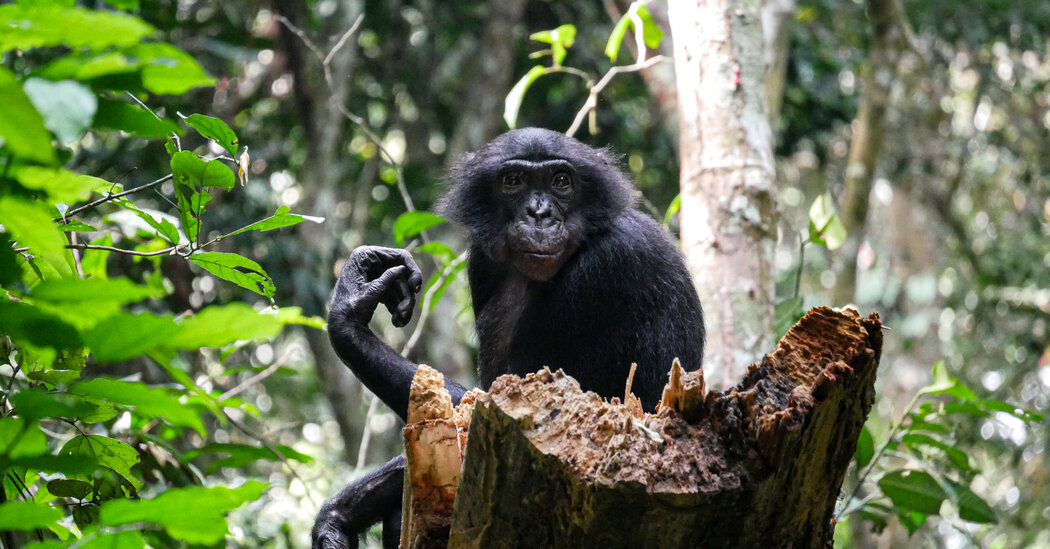
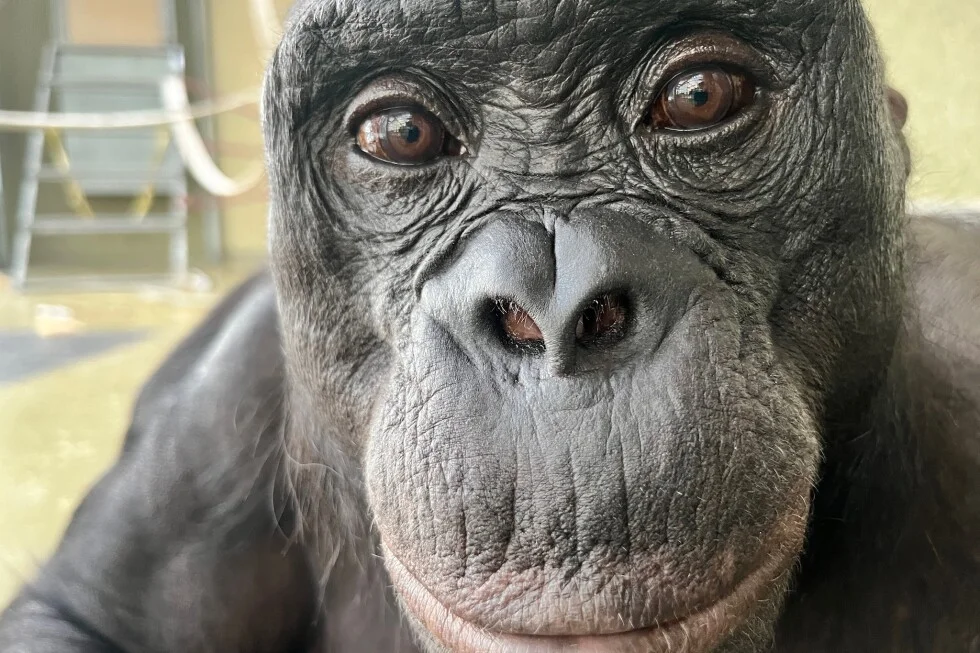
A 2024 Johns Hopkins study tested Kanzi, a language-trained bonobo, in three pretend-play tasks to see if great apes can imagine pretend objects. Kanzi correctly identified imaginary juice and a fictitious grape across trials (about 68% accuracy in their juice tests; 14/18 for imaginary juice vs real juice; 68.9% for the pretend grape), suggesting pretend-object representation is not uniquely human. Experts caution that results come from a single subject and may not generalize to other apes, calling for more research on ape imagination; Kanzi died in March 2025.
Bonobo's imaginary tea party hints apes may imagine beyond the present
science21 days ago

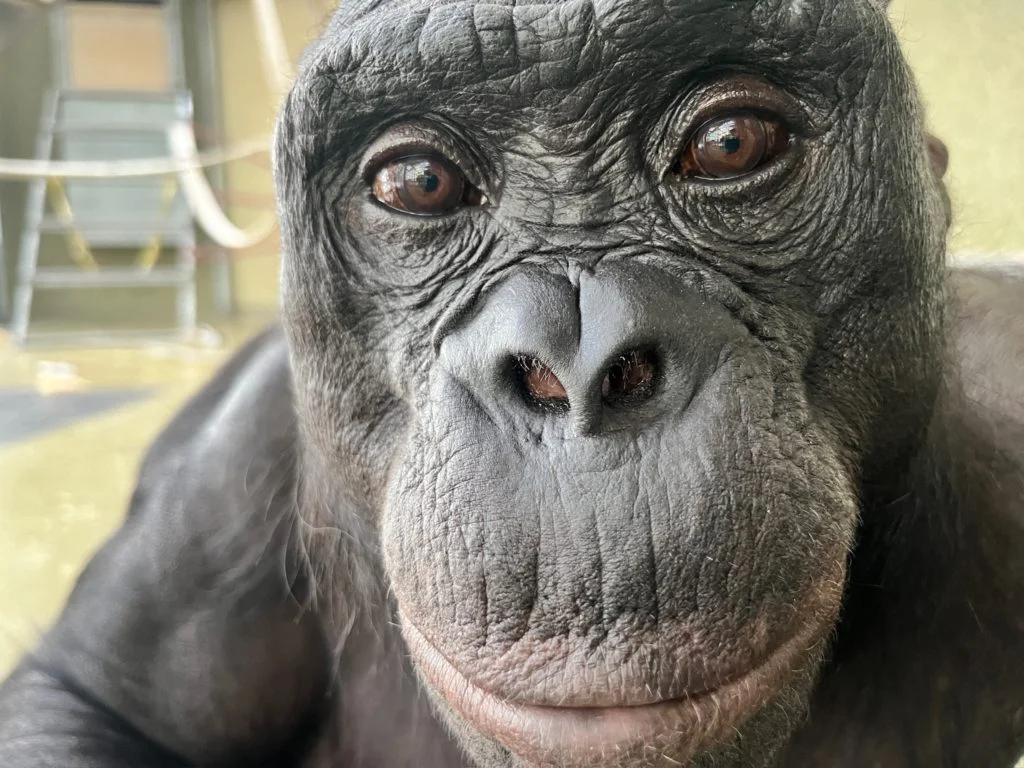
Bonobo's imaginary tea party hints apes may imagine beyond the present

In a Science-published study, Kanzi the bonobo was tested with an imaginary juice party and other pretend tasks to see if apes can imagine nonreal events. He chose the pretend-juice cup 68% of the time and real juice about 80% of the time, with a similar pattern for fake grapes, suggesting a basic capacity for imagined scenarios that may extend beyond humans but not necessarily equate to human-style pretence; some researchers urge caution and call for more evidence. Kanzi died last year at 44.

Bonobos Bond, Not Battle: Outsider Threat Triggers Social Cohesion
science1 month ago

Bonobos Bond, Not Battle: Outsider Threat Triggers Social Cohesion

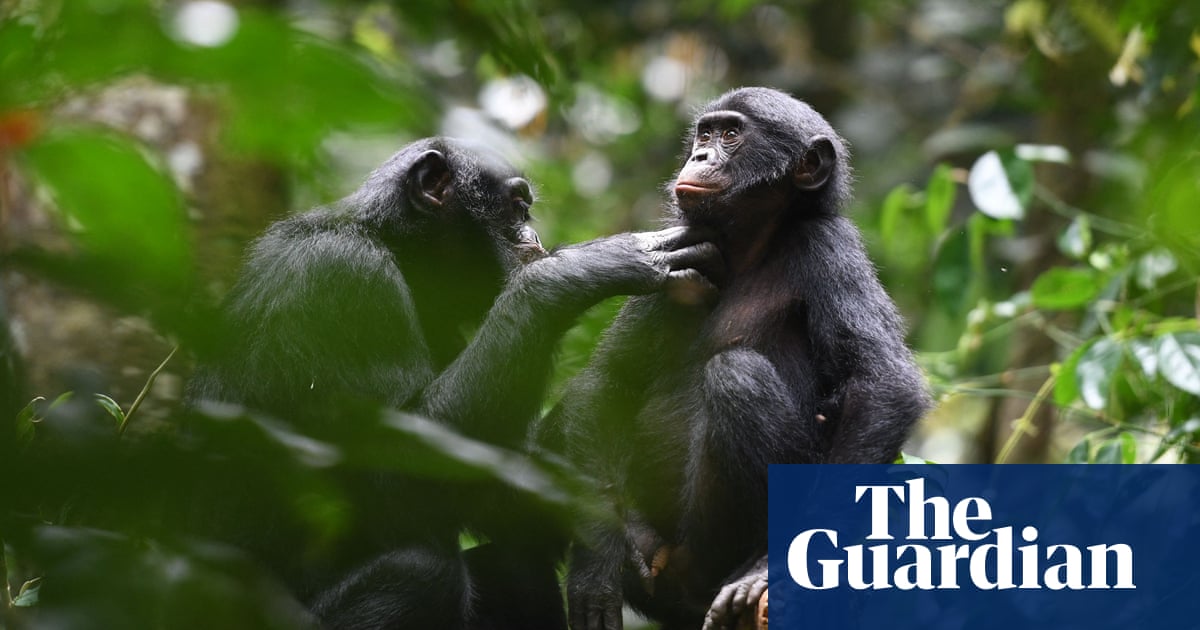
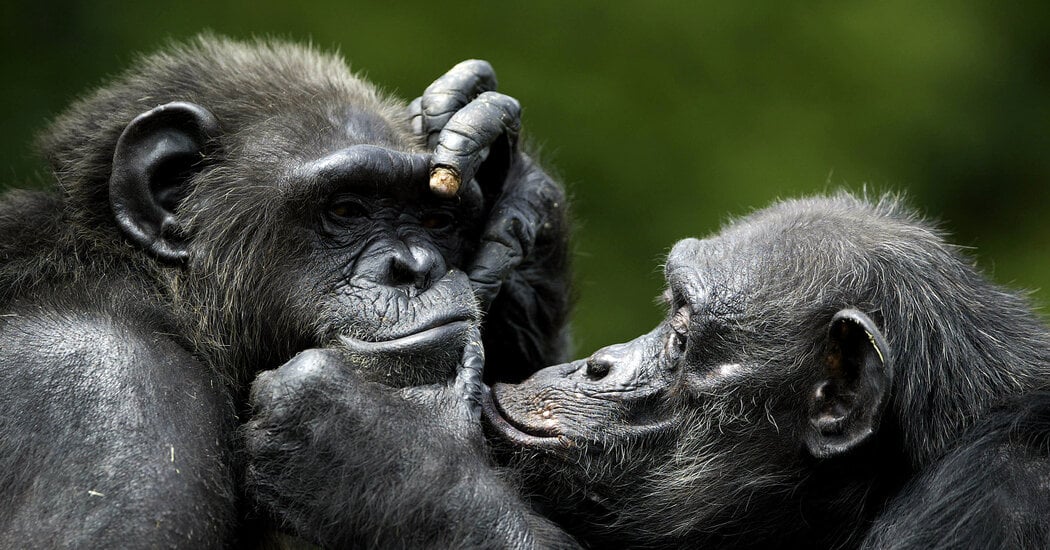
New research shows bonobos respond to outsider calls with heightened alertness and a modest rise in affiliative behaviors like grooming, using social bonding rather than aggression to cope with threats—a pattern known as the common-enemy effect. The study across multiple groups found bonobos’ response is milder than chimpanzees but still demonstrates a link between external threat and internal cohesion, suggesting this cooperative toolkit evolved millions of years ago and that humans can also cooperate across borders instead of defaulting to warfare. The findings imply bonobos may have stopped lethal intergroup aggression long ago, offering insight into the roots of peaceful social strategies.

"Respiratory Illness Outbreak Hits Cincinnati Zoo's Bonobo Troop"
health-and-environment1 year ago

"Respiratory Illness Outbreak Hits Cincinnati Zoo's Bonobo Troop"

The Cincinnati Zoo's bonobo troop is off habitat due to an outbreak of human metapneumovirus (HMPV), a respiratory illness related to RSV. The troop is being closely monitored and cared for by zoo staff, receiving supportive treatments like electrolyte drinks and nebulizer sessions. The outbreak follows reports of food being thrown into their habitat, which zoo officials advise against to prevent such incidents.

"Rethinking Bonobos: New Study Reveals Surprising Aggressive Behavior"
science1 year ago

"Rethinking Bonobos: New Study Reveals Surprising Aggressive Behavior"

A new study challenges the long-held belief that bonobos are peaceful creatures, revealing that male bonobos are nearly three times as likely as chimpanzees to engage in aggressive acts. Researchers logged 521 aggressive acts over 2,047 hours of tracking in the Democratic Republic of Congo, shedding light on the surprising aggression in bonobos and the differences in their behavior compared to chimpanzees. The study suggests that aggression in male bonobos may be linked to better access to females, and it also highlights the unique dynamics of bonobo social structures.

"Study Reveals Aggressive Behavior in Bonobos, Disproving 'Hippie Ape' Stereotype"
science1 year ago

"Study Reveals Aggressive Behavior in Bonobos, Disproving 'Hippie Ape' Stereotype"

A new study based on observations in the wild has found that bonobos, often known for their peaceful reputation, actually act aggressively more frequently than their chimpanzee counterparts, with male bonobos committing acts of aggression nearly three times as often as male chimpanzees. This challenges the previous notion of bonobos as "hippie apes" and highlights the need for more comprehensive data on their behavior in their remote, swampy rainforest habitats.

"Revised Perception: Bonobos Revealed as More Aggressive Primates in Recent Study"
science1 year ago

"Revised Perception: Bonobos Revealed as More Aggressive Primates in Recent Study"

A new study challenges the long-held belief that bonobos are peaceful primates, revealing that male bonobos exhibit more aggression towards each other than chimpanzees. Researchers followed 12 male bonobos and 14 male chimpanzees, finding that aggressive acts between male bonobos were 2.8 times more frequent than in chimpanzees, with physical contact specifically being 3.0 times more frequent. The study also found that aggressive males had greater success in mating with females in both species, but male bonobos treated females differently, with female-on-male aggression being more common. The researchers suggest that the different strategies around aggression in bonobos and chimpanzees may have evolved for various reasons.

Primate Memory: Apes Retain Recognition of Peers for Over 25 Years
animal-behavior2 years ago

Primate Memory: Apes Retain Recognition of Peers for Over 25 Years

A study conducted on chimpanzees and bonobos has shown that these apes can recall the faces of other apes that they have not seen for years, with one bonobo recognizing a face after 26 years, setting a record for facial memory beyond our species. The apes consistently spent more time looking at their former companions, suggesting the presence of long-term memories. The researchers speculate that these durable memories may benefit the apes by allowing them to form alliances with old acquaintances encountered years later. The study also hints at the possibility of positive experiences strengthening these memories. The findings suggest that long-lived memories may have been vital to our own evolution as humans.

The Uniqueness of Sequential Memory Sets Humans Apart
neuroscience2 years ago

The Uniqueness of Sequential Memory Sets Humans Apart

New research suggests that humans possess a unique ability to recognize and remember sequential information, which is not shared by our closest relatives, bonobos. This finding sheds light on the cognitive distinctions between humans and other animals, explaining why only humans possess certain cultural abilities like language and advanced planning. The study supports the hypothesis that sequential memory is a foundational block behind many uniquely human behaviors and capabilities.

"The Truth Revealed: The Human Adolescent Growth Spurt is Not Exclusive"
science2 years ago

"The Truth Revealed: The Human Adolescent Growth Spurt is Not Exclusive"

A recent study published in the journal eLife challenges the notion that the adolescent growth spurt in body length is unique to humans. The research indicates that many primate species, including humans, experience growth spurts in body weight during adolescence. The study suggests that previous misunderstandings were due to methodological errors and highlights the importance of considering scaling laws when interpreting growth curves. The findings also suggest that pronounced adolescent growth spurts in body weight and length likely exist in many non-human primates, not just bonobos.

Bonobos: Our Surprising Genetic Kinship
science2 years ago

Bonobos: Our Surprising Genetic Kinship

A study published in the journal eLife challenges the belief that the human adolescent growth spurt in body length is unique to humans. The study found that bonobos, a species of primates, also experience growth spurts in body weight and length during adolescence. The researchers reinterpreted data from other studies on non-human primates and concluded that adolescent growth spurts likely occur in other monkeys as well. The findings highlight the importance of considering scaling laws when interpreting growth curves and suggest that human-like growth spurts may be more common among non-human primates than previously thought.

Bonobos co-founder Andy Dunn returns as brand advisor
business2 years ago

Bonobos co-founder Andy Dunn returns as brand advisor

Bonobos co-founder Andy Dunn is returning to the company as a brand advisor after it was sold by Walmart earlier this year. The move comes as Bonobos and new parent company WHP Global look to get back to the brand's roots. WHP Global has no plans to change the Bonobos DNA and said the firm's decision to appoint Dunn is part of its plan to center the brand on its core identity. Under WHP Global, Bonobos can expand internationally, and Dunn will work closely with Bonobos president John Hutchison and Express Inc. CEO Tim Baxter.