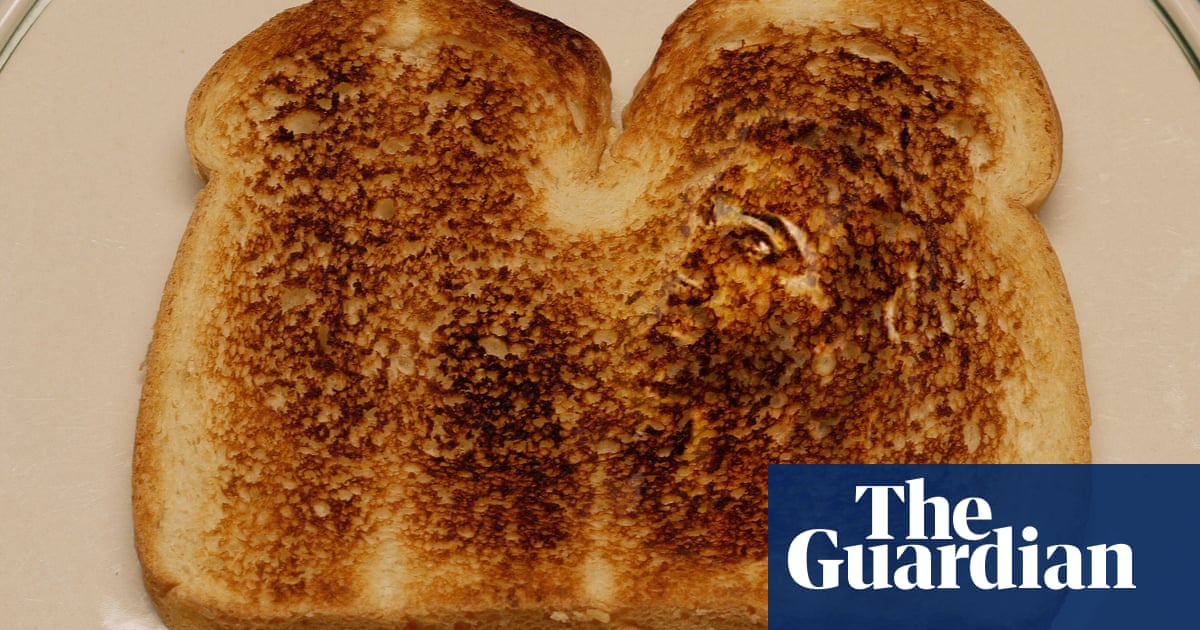
Research shows that individuals with visual snow syndrome experience heightened face pareidolia, seeing faces in random patterns more frequently due to hyperexcitability in the visual cortex, which amplifies false perceptual signals and offers insights into how the brain interprets visual information.
A study conducted by researchers from the University of Queensland and the University of the Sunshine Coast suggests that postpartum mothers may be more sensitive to perceiving faces in inanimate objects, a phenomenon known as face pareidolia. The study involved pregnant women, women who had recently given birth, and women who were neither expecting nor recently had children. The results showed that women who had recently given birth were better at recognizing illusionary faces in images compared to the other participants. The researchers hypothesize that the higher levels of oxytocin in postpartum women may contribute to this heightened sensitivity, potentially facilitating social bonding with newborns. However, the study had limitations and did not directly measure oxytocin levels or track changes in face pareidolia over time.
New research suggests that women who have recently given birth may have an enhanced ability to see faces in inanimate objects. The study, conducted by researchers from the University of Queensland and the University of the Sunshine Coast, found that postpartum women reported being able to see illusionary faces more easily than pregnant women. The phenomenon, known as face pareidolia, may be influenced by higher levels of oxytocin, the "love" or "trust" hormone associated with social bonding. However, the study did not measure oxytocin levels, leaving room for other factors such as anxiety or stress to potentially explain the results. Further research is needed to confirm these findings.