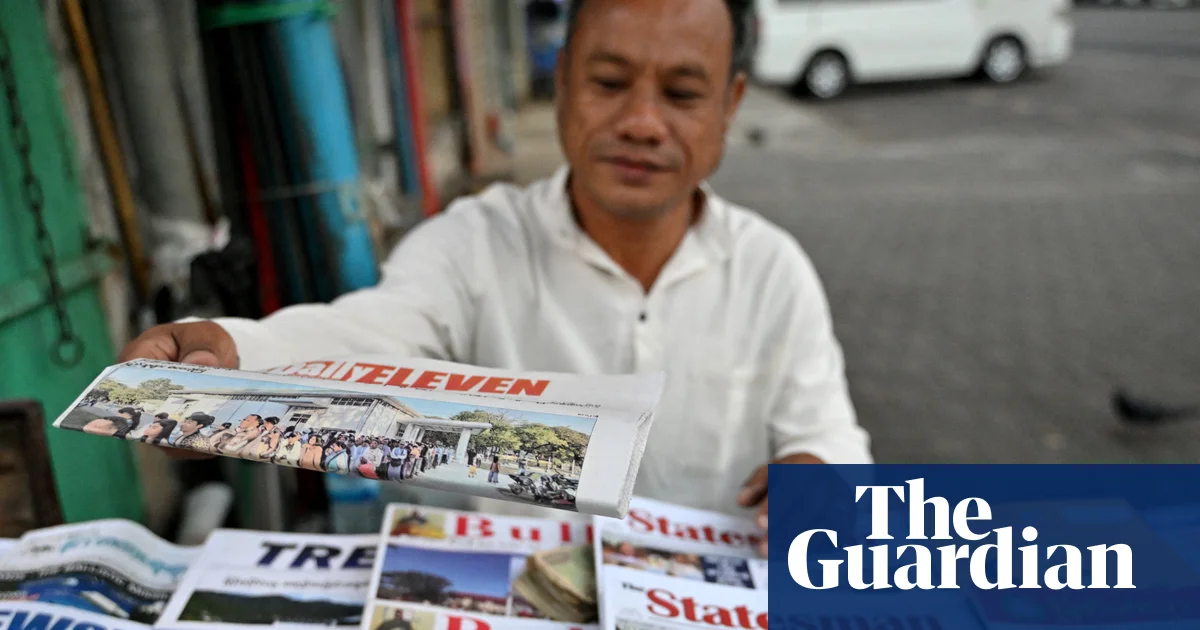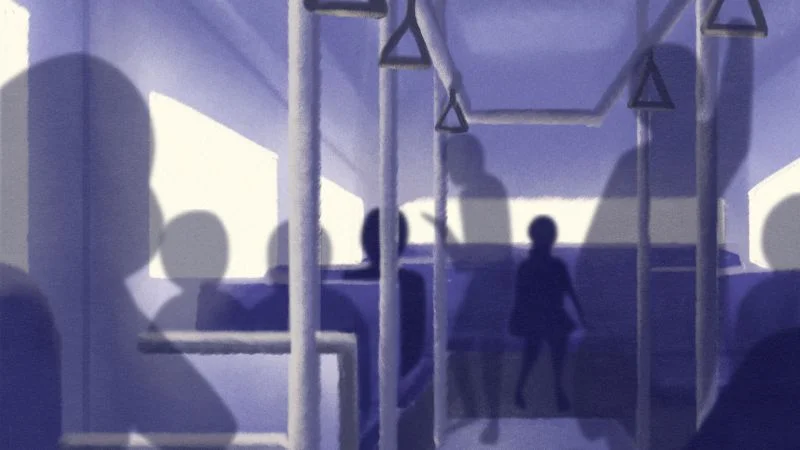
Nearly five years after Myanmar's military coup, life remains tense and fearful for its citizens, with a widely condemned sham election underway amidst ongoing conflict, economic collapse, and suppression of dissent, leaving many to feel that true democracy is still out of reach.
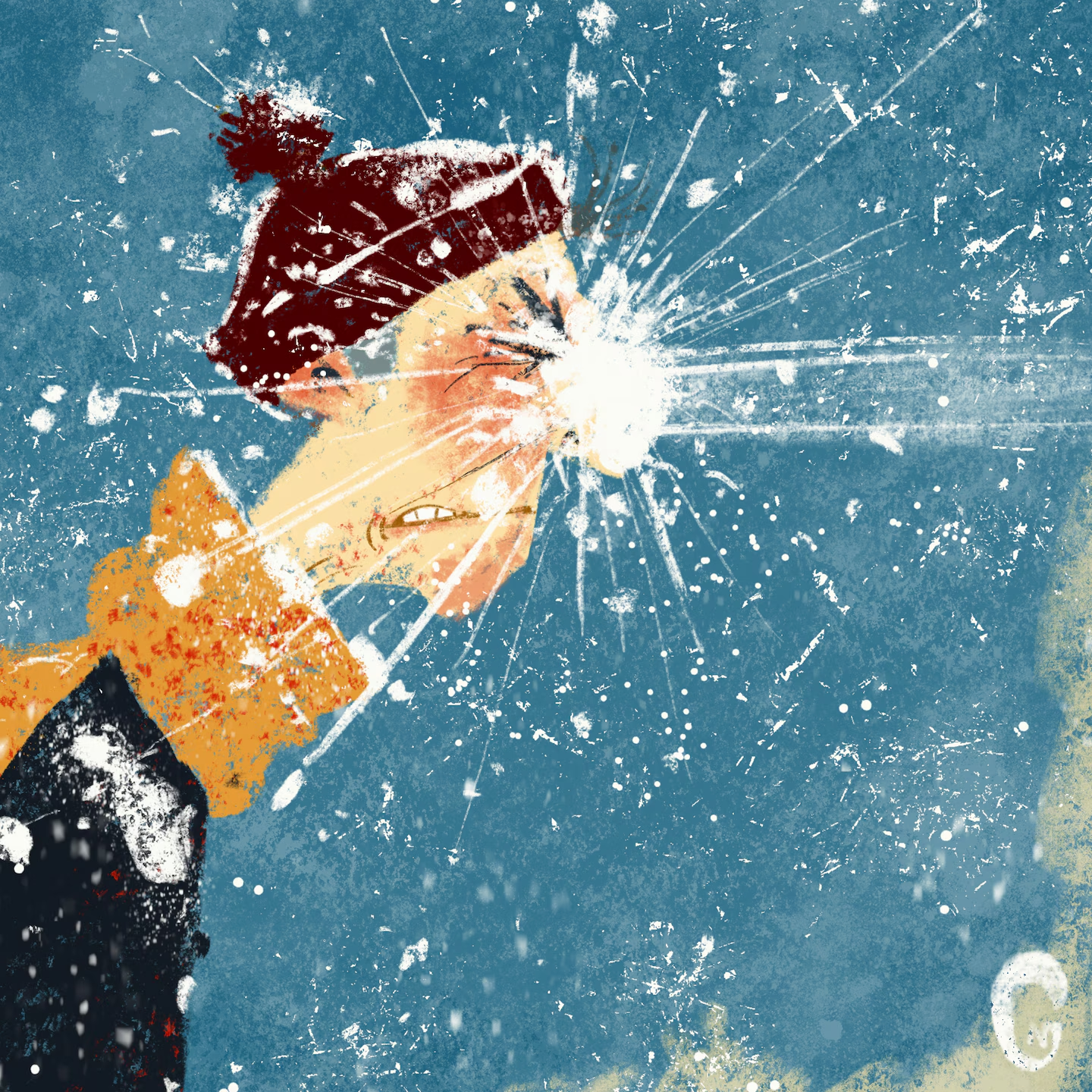
A 14-year-old girl is anxious about going skiing with her uncle, whose aggressive teaching style causes her distress, but she feels pressured to participate to avoid disappointing her family.
This review praises the Paranormal Activity stage show for its artful and terrifying portrayal of horror, emphasizing its innovative use of illusions and minimal reliance on screens to create a genuinely frightening experience that leaves audiences both scared and awe-inspired.
A fear expert discusses how fear is a primitive response that can be maladaptive in modern life, sharing personal experiences and suggesting ways to face and manage fear effectively.
A study found that controlled fear experiences, like horror films, can temporarily alter brain patterns associated with depression, particularly reducing hyperconnectivity in brain networks linked to rumination, and may engage emotion regulation systems, suggesting potential therapeutic avenues.
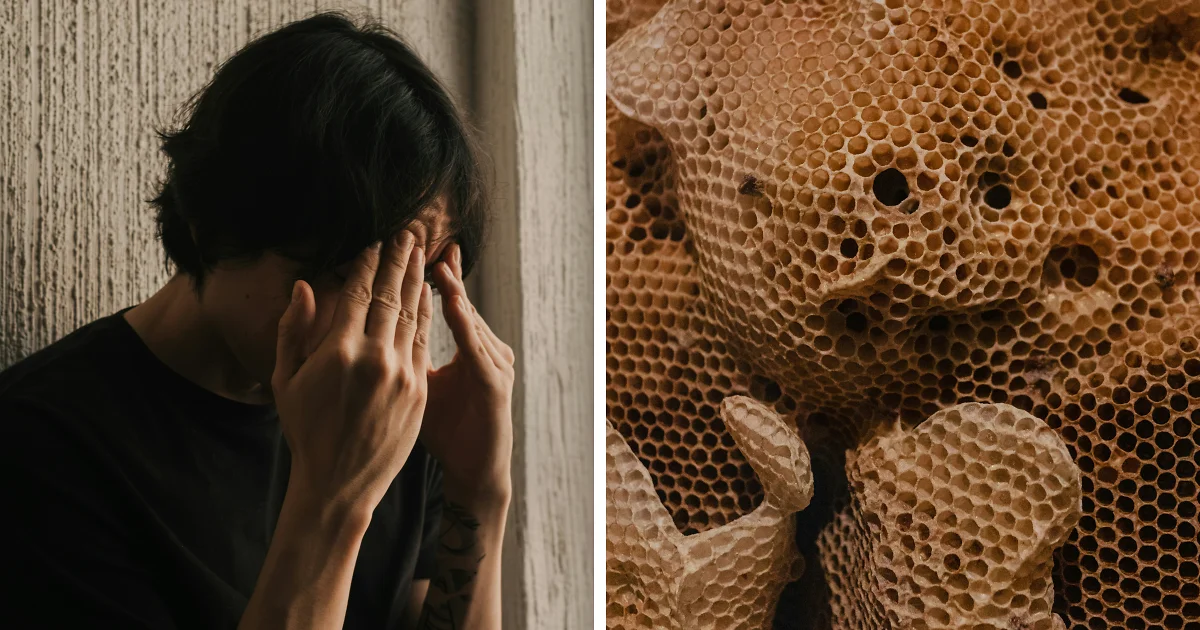
Trypophobia is an aversion to clustered holes or bumps, often driven by disgust and evolutionary disease-avoidance instincts, but it is not officially recognized as a clinical phobia. Reactions include discomfort, physical sensations, and avoidance, triggered by visual patterns resembling parasites or diseased skin. While many experience symptoms similar to phobias, it generally lacks the impairment required for diagnosis. Treatments like therapy and relaxation techniques can help manage symptoms.
Some rare individuals, like Jordy Cernik and SM, lack the ability to feel fear due to damage or mutation affecting the amygdala, a brain region involved in processing fear, revealing that fear responses are complex and can be specific to external or internal threats, with implications for understanding survival and modern stress.
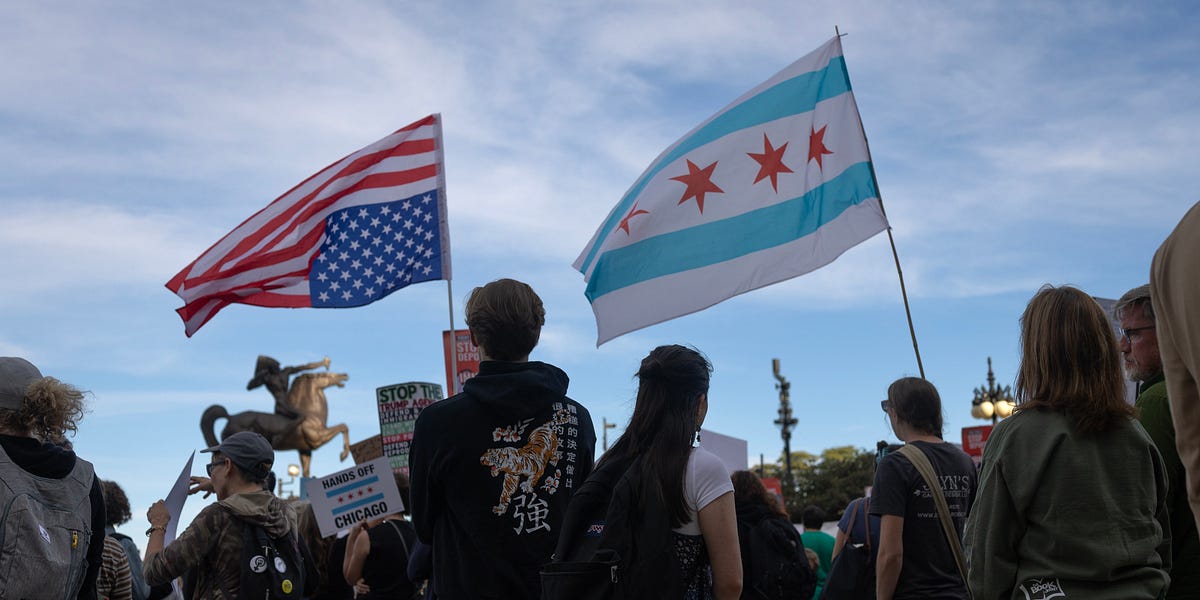
The article discusses the heightened fear and community impact in Chicago due to increased ICE activity and immigration crackdowns under the Trump administration, despite no large-scale raids occurring yet. It highlights community concerns, economic decline in Latino neighborhoods, and the pervasive atmosphere of fear among immigrant residents, with local officials and activists criticizing the tactics as harmful and unjust.
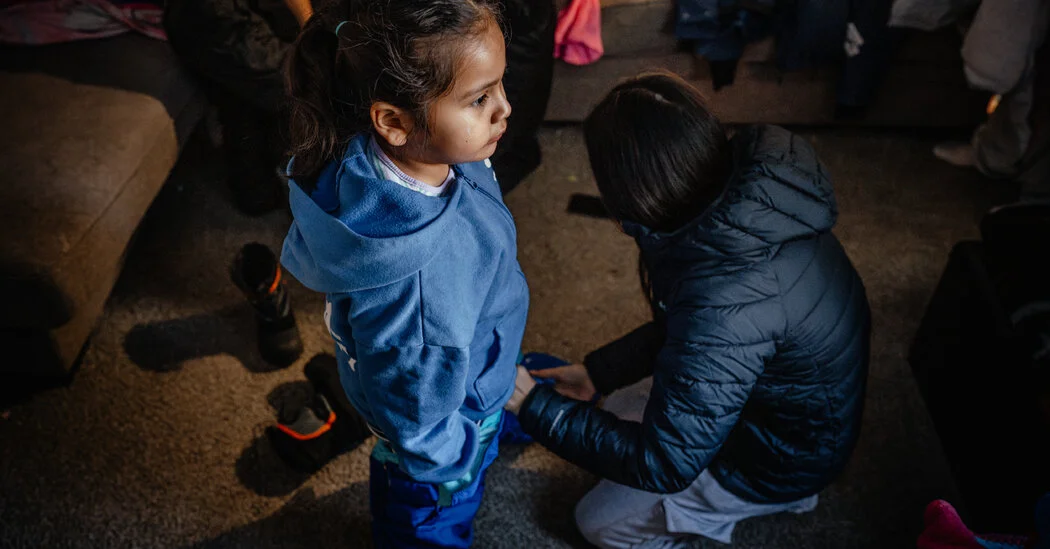
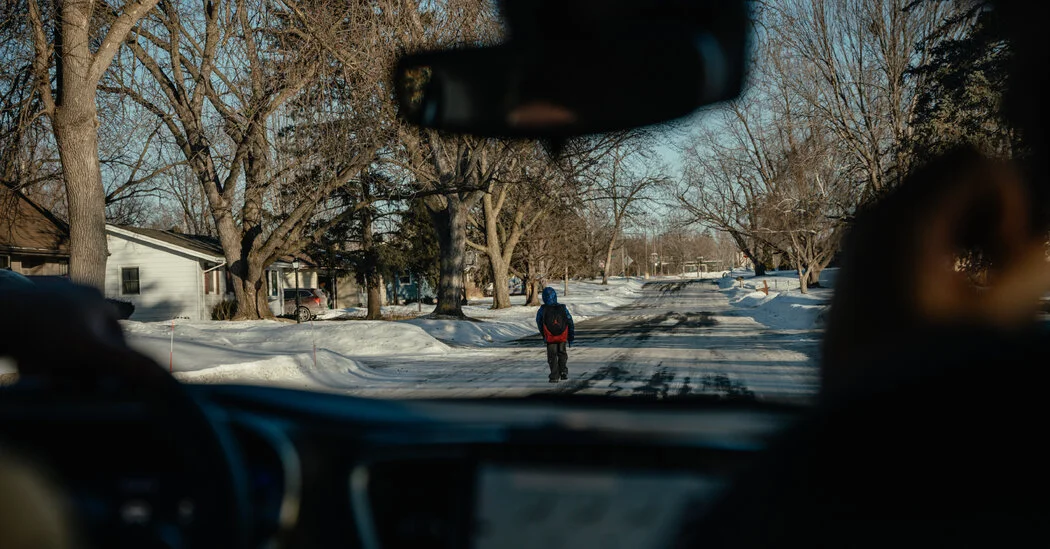
The article discusses how increased immigration crackdowns under the Trump administration are causing widespread fear and disruption in American communities, leading to declines in business, school attendance, and community participation among immigrant families, with many choosing to stay indoors or leave the country altogether.
The article reflects on Hiroshima's 80th anniversary, emphasizing the importance of art in confronting the fears and realities of nuclear destruction, and the need for courage to face our shared vulnerabilities in the nuclear age.
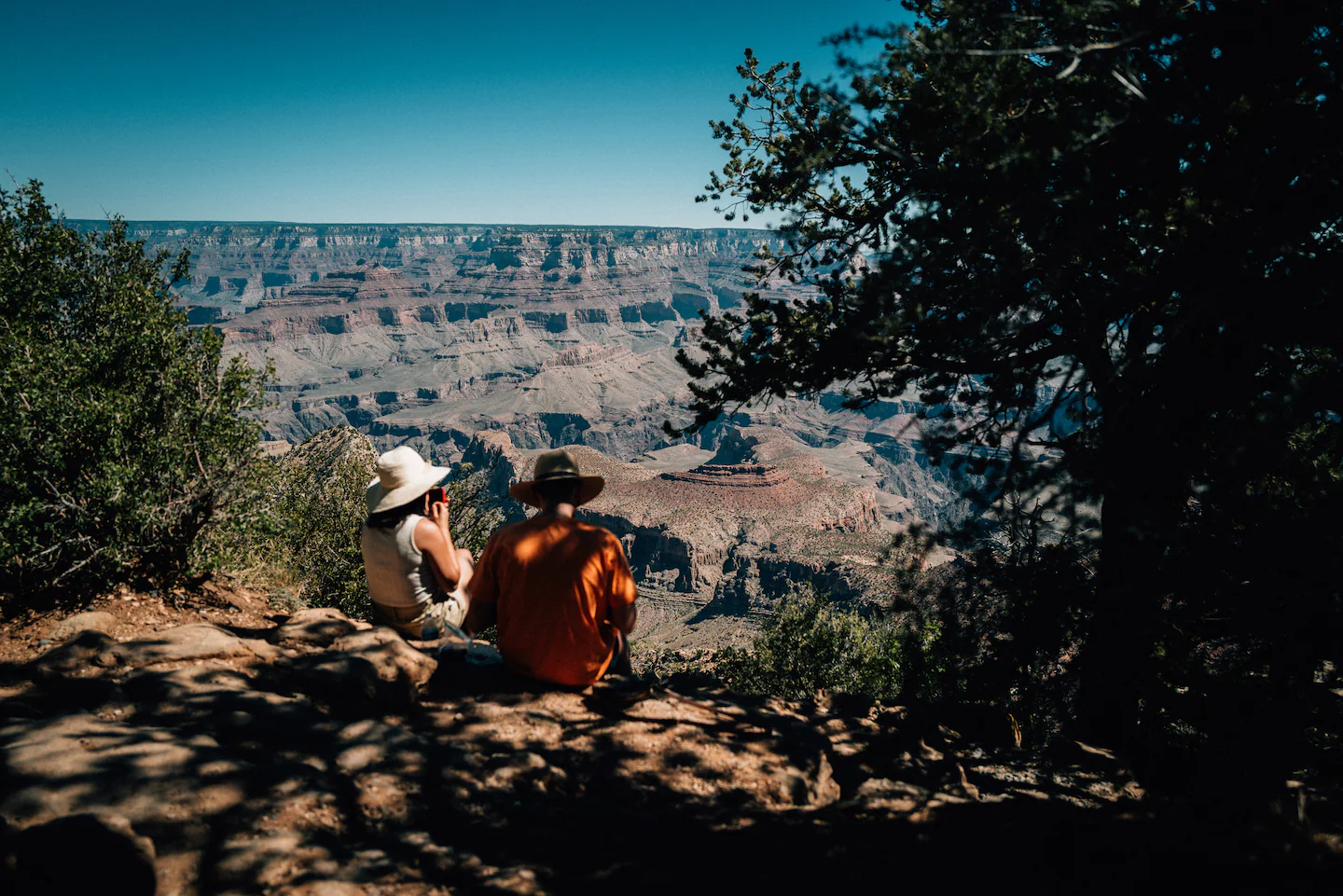
The article showcases 50 unsettling images of Mother Nature's terrifying side, highlighting how natural phenomena and creatures can evoke fear and anxiety, often rooted in evolutionary survival instincts. It discusses biophobia, the fear of certain species and environments, and emphasizes the importance of positive interactions with nature to combat irrational fears and promote conservation. The piece also touches on how urbanization may increase these fears and the need for education to foster a healthier relationship with the natural world.
Seth Meyers expressed concerns about the potential end of his show 'Late Night with Seth Meyers' due to the unstable state of the entertainment industry, especially after the cancellation of Stephen Colbert's show, highlighting fears of industry support rather than personal performance.
A study shows that past injuries can cause long-term hypersensitivity to fear and pain by involving stress hormones and the TRPA1 receptor, which may explain chronic pain and trauma-related disorders. The research highlights that fear and pain, while related, are driven by different biological pathways, offering potential targets for treatment.
Maurene Comey warns her former colleagues that fear is a tool of tyranny, reflecting on her dismissal amid political turmoil and emphasizing her commitment to justice and independence from politics during her tenure at the Manhattan U.S. attorney’s office.
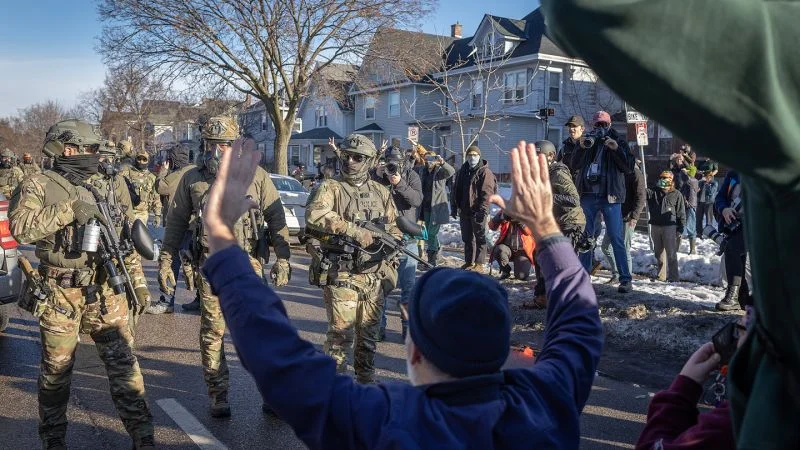
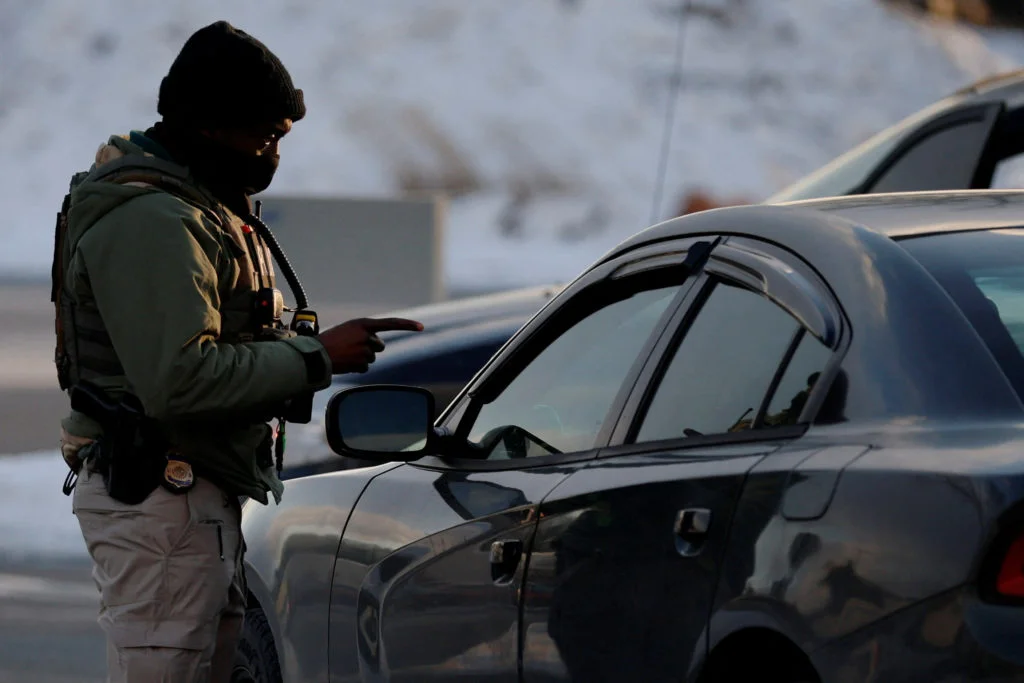
Masked federal immigration agents are causing fear and confusion across the U.S. due to their secretive tactics, including wearing masks and plainclothes during arrests, which civil rights groups argue undermines trust and may promote violence and abuse. The agents cite safety concerns from doxing and threats, but critics believe these practices are unnecessary and harmful, especially in Latino communities, leading to legal actions and calls for policy changes.