A study led by Rutgers University recorded women orgasming inside MRI machines to understand brain activity during climax, revealing insights into pleasure and potential applications for those with orgasm difficulties.
The article explores the concept of pleasure from a philosophical perspective, emphasizing that pleasure is a natural, evaluative feeling that should not be moralized or seen as vulgar. It distinguishes between the source of pleasure and the experience itself, advocating for a mindful pursuit of diverse, responsible pleasures—both immediate and delayed—to lead a fulfilling and ethically sound life.
The article features advice columns addressing complex sexual and relationship issues, including navigating intimacy, communication, and personal challenges such as depression and sexual response, emphasizing the importance of honest dialogue, exploring pleasure beyond traditional norms, and seeking professional help when needed.
The article features advice for various individuals navigating complex sexual issues, including setting boundaries due to trauma, exploring new positions and techniques to please partners, and addressing emotional challenges in intimate relationships, emphasizing honesty, communication, and mutual understanding.
The article explores how sexual assault survivors navigate finding pleasure and healing after trauma, emphasizing the importance of communication, self-exploration, and redefining sexual satisfaction on their own terms, including the role of masturbation as a safe and empowering practice.
Ishmail Abdus-Saboor, a neuroscientist at Columbia University, is leading research into the perception of pleasurable and painful touches, aiming to understand how the brain determines whether a touch to the skin is painful or pleasurable. His work has led to insights into the neural circuits that govern pleasure and pain in animals, as well as the development of new measurement tools for quantifying pain and pleasure in lab animals. Abdus-Saboor's research also explores the potential medical implications of targeting the skin for therapeutic purposes and the study of touch in naked mole rats. Throughout his career, he has faced challenges but encourages aspiring scientists, especially those from underrepresented backgrounds, to pursue their passion and not to be discouraged by obstacles.
Sex educator Emily Nagoski challenges the myth of spontaneous desire in long-term relationships, arguing that the traditional narrative of passion fading over time is wrong. She introduces the concept of the "desire imperative," which places too much emphasis on spontaneous desire and overlooks the importance of pleasure in sexual well-being. Nagoski advocates for centering pleasure over spark, highlighting the significance of responsive desire and the role of context in experiencing pleasure. She emphasizes that pleasure, not desire, should be the focus of sexual well-being, and suggests that worrying about desire is unnecessary when pleasure is prioritized.
Sex educator Emily Nagoski, known for her best-selling book "Come as You Are," faced her own sexual struggles in her marriage while promoting women's sexual empowerment. Her new book, "Come Together," delves into maintaining intimacy in long-term relationships, emphasizing the importance of pleasure over desire and offering advice based on her personal experiences. Nagoski's candid approach and insights aim to help couples navigate challenges and prioritize their sexual connection.
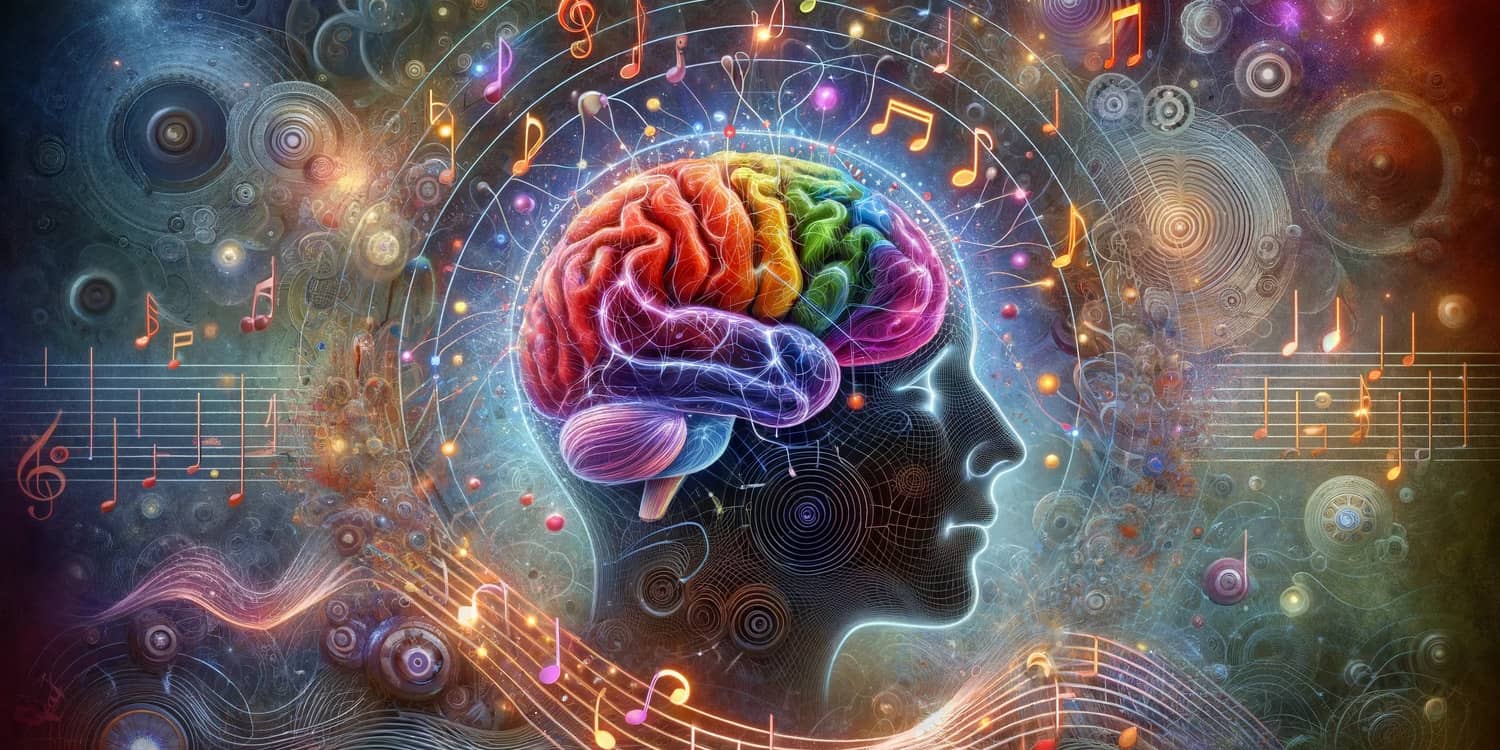
New research in Psychological Science explores the psychological and neurobiological foundations of musical pleasure. The study reveals that familiarity and anticipation of musical endings play a crucial role in music enjoyment, with prediction errors impacting listeners' liking ratings. The research suggests that music evolves from a novel stimulus to a rewarding experience through the brain's auditory and reward systems. The study also highlights the influence of cultural factors on music preferences and identifies that musical anhedonia, the inability to derive pleasure from music, is linked to affective rather than cognitive processing deficits. Functional magnetic resonance imaging (fMRI) observations indicate increased brain activation and connectivity between auditory processing and reward-sensitive regions when listening to familiar music.
A woman seeks advice on her cis male partner's difficulty in reaching orgasm during penetrative sex. The columnist suggests exploring sexual details that arouse him, replicating sensations from other forms of stimulation, and reframing the experience as a rare and joyous occasion.
Doctors explain that fear can be enjoyable because it stimulates the same brain centers as happiness and is positively reinforced by social bonding. The body's fight-flight-or-freeze response releases stress hormones and neurotransmitters like adrenaline and dopamine. Seeking out scary experiences for fun is not abnormal, as the same part of the brain that reacts to fear also responds to pleasurable experiences. Once the immediate stressor is recognized as non-threatening, the adrenaline subsides, leaving a rush of dopamine and serotonin. Socialization enhances the fun of frightening experiences, as it triggers the release of oxytocin, making people feel closer to one another. However, not everyone enjoys thrill-seeking, and there are variations in the level of enjoyment experienced.
In C Pam Zhang's new novel, "Land of Milk and Honey," the protagonist, a chef, navigates a post-apocalyptic world where food scarcity and government-issued rations have replaced the pleasures of fine dining. The book explores the role of food as a tool for survival, examining its ability to bring joy, but also its potential for violence and manipulation. Zhang reflects on her own relationship with food, discussing the quest for authenticity, the importance of contrast in diet, and the acceptance of personal culinary preferences. The novel raises questions about who has access to pleasure in a world stripped of its familiar comforts.