Tag

Primate Behavior

All articles tagged with #primate behavior

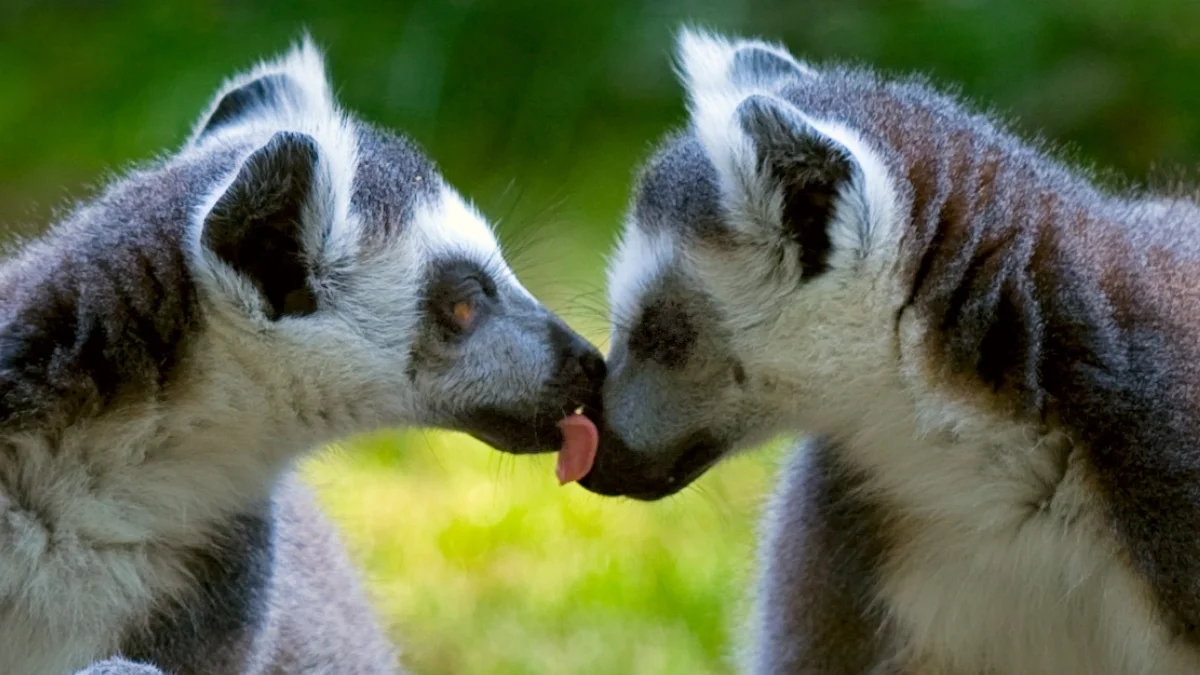
Primates' Same-Sex Behavior Points to Deep Evolutionary Social Strategies
science1 month ago

Primates' Same-Sex Behavior Points to Deep Evolutionary Social Strategies

A study reviewing 491 primate species found same-sex sexual behavior in 59 species, indicating a deep evolutionary root linked to harsh environments, predation pressure, and complex social hierarchies. The behavior may help manage stress, reinforce bonds, or build alliances, with potential implications for understanding human evolution, while warning against simplistic interpretations that would erase such behavior in humans.
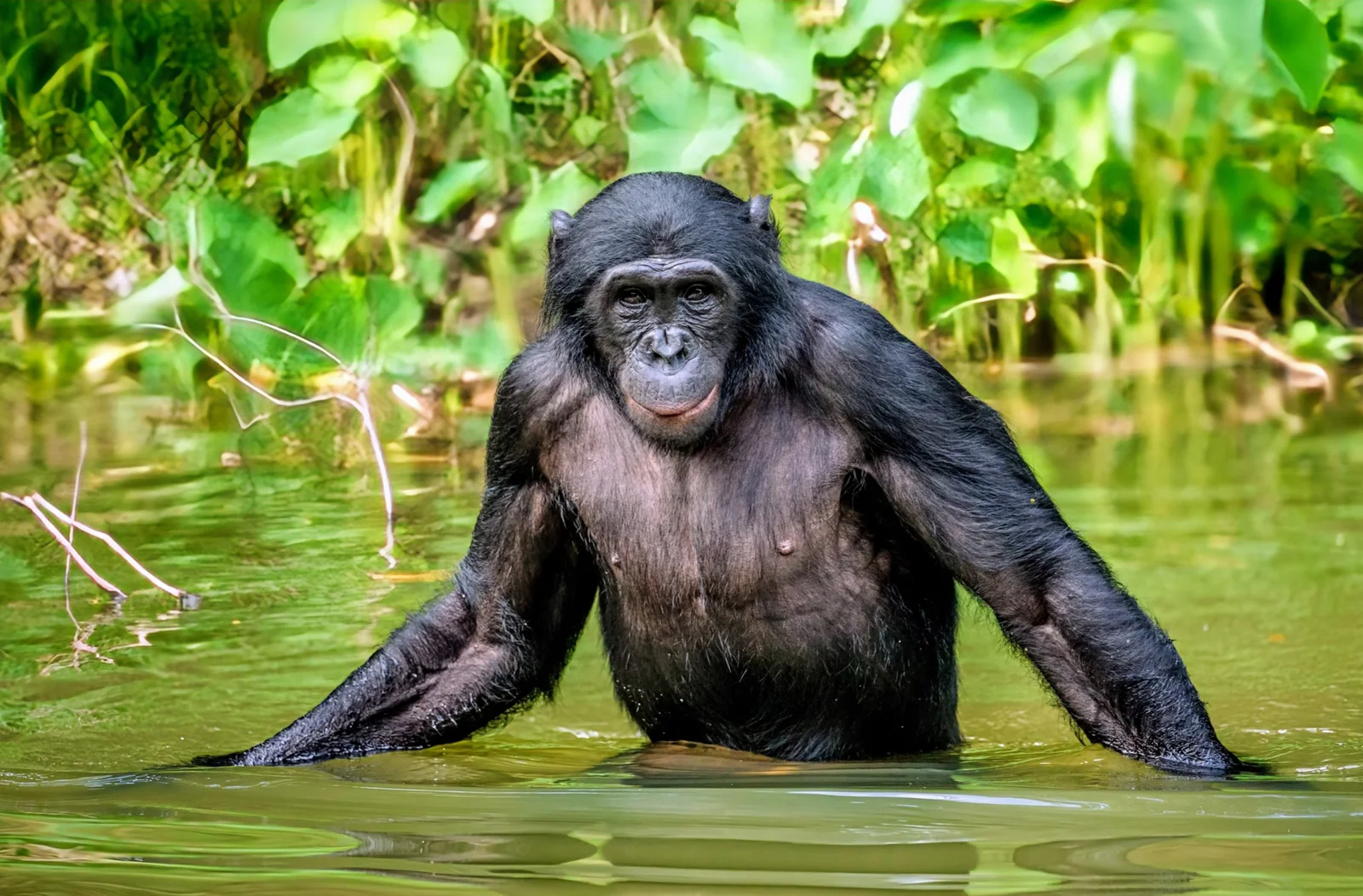

Bonobos Bond, Not Battle: Outsider Threat Triggers Social Cohesion
science1 month ago

Bonobos Bond, Not Battle: Outsider Threat Triggers Social Cohesion

New research shows bonobos respond to outsider calls with heightened alertness and a modest rise in affiliative behaviors like grooming, using social bonding rather than aggression to cope with threats—a pattern known as the common-enemy effect. The study across multiple groups found bonobos’ response is milder than chimpanzees but still demonstrates a link between external threat and internal cohesion, suggesting this cooperative toolkit evolved millions of years ago and that humans can also cooperate across borders instead of defaulting to warfare. The findings imply bonobos may have stopped lethal intergroup aggression long ago, offering insight into the roots of peaceful social strategies.

Women's Higher Disgust Sensitivity Linked to Longevity
science1 year ago

Women's Higher Disgust Sensitivity Linked to Longevity

Research suggests that women and female primates exhibit higher levels of disgust than their male counterparts, which may contribute to their longer lifespans by reducing disease exposure. This heightened sensitivity to potential contaminants, such as infected food or individuals, acts as a protective mechanism, particularly important for females who bear and care for offspring. Studies indicate that this disgust response is an evolutionary trait that helps prevent infections, supporting the idea that being more easily disgusted can be beneficial for health and longevity.

"Brain Predictions Improve Catching Skills"
neuroscience2 years ago

"Brain Predictions Improve Catching Skills"

Researchers at the Del Monte Institute for Neuroscience at the University of Rochester have found that the ability to visually predict movement may be an important part of the ability to grab a moving object. The study found an intricate coordination between vision and motor skills, suggesting that the brain can anticipate movement even with an 80-millisecond delay in response time. This crucial understanding could improve our comprehension of various neurological disorders marked by visuomotor control problems. The research may lead to advanced computational behavior analysis strategies to study these disorders.