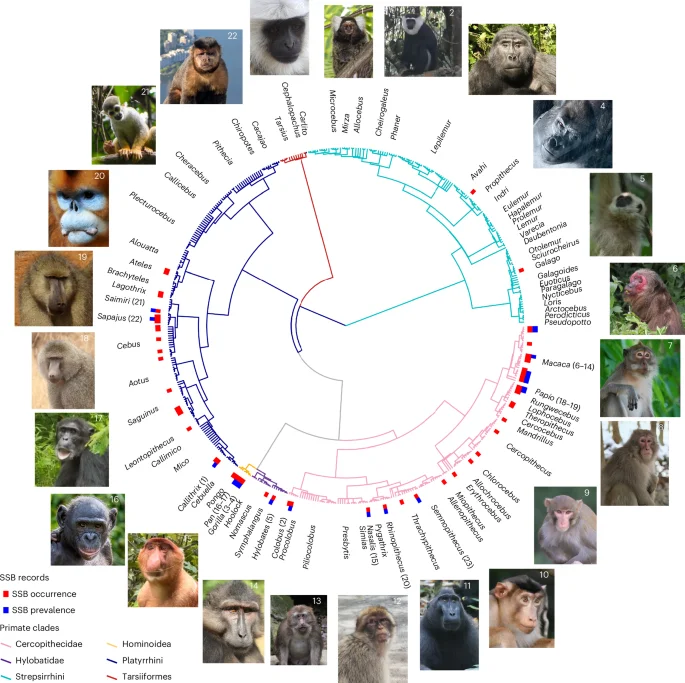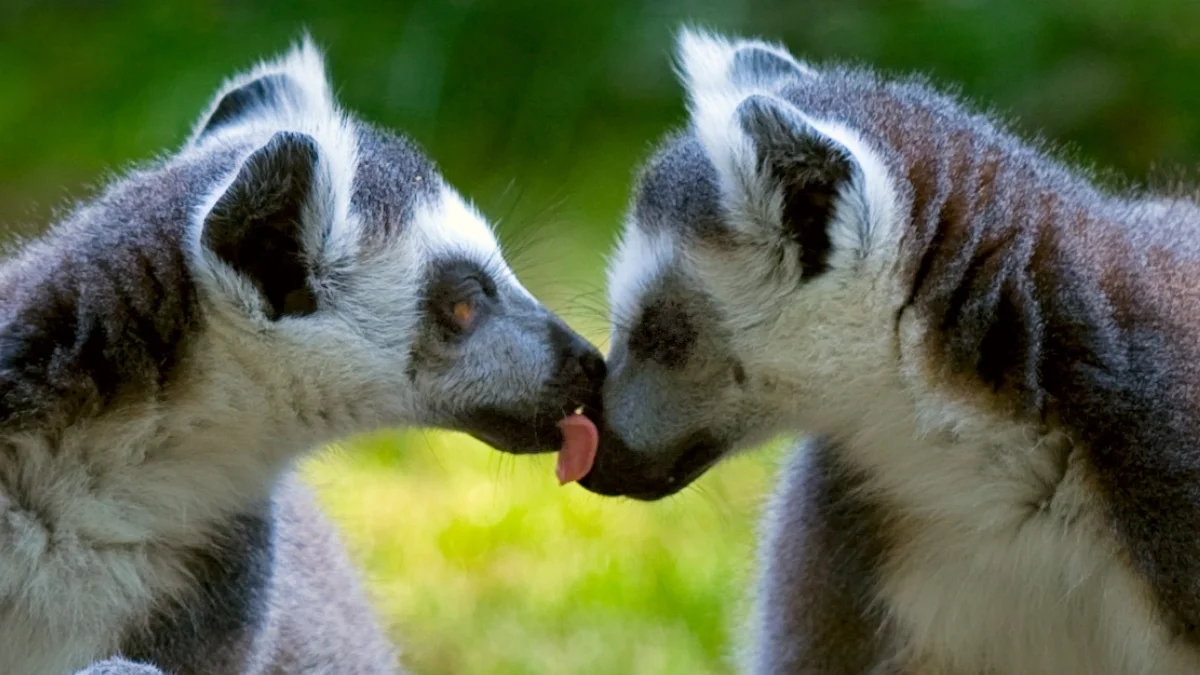
A global synthesis of 491 primate species finds that same-sex sexual behavior (SSB) is widespread and its occurrence is driven by both environmental pressures (drier habitats, food scarcity, predation) and social factors (larger sexual dimorphism, longer lifespans, more complex hierarchies). Structural equation modelling suggests environmental and life-history traits affect SSB mainly indirectly, while social complexity directly promotes it, highlighting SSB as a context-dependent trait shaping primate evolution and sexual diversity.
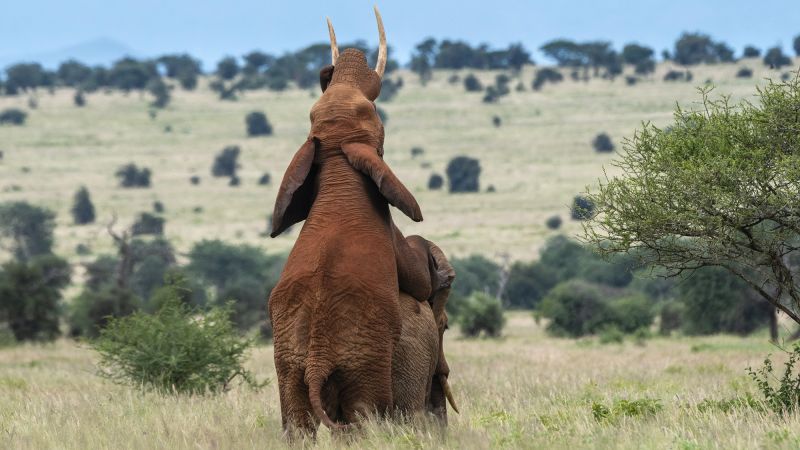
A study published in PLOSOne reveals that same-sex sexual behavior in animals is significantly underreported by researchers, despite being observed in over 1,500 species. The study found that 77% of surveyed experts had observed such behaviors, but only 18% had published their findings. This underreporting is attributed to perceptions of rarity and lack of research priority, rather than socio-political discomfort. The findings suggest that same-sex behavior is widespread and natural in the animal kingdom, challenging previous assumptions and highlighting the need for more comprehensive research.
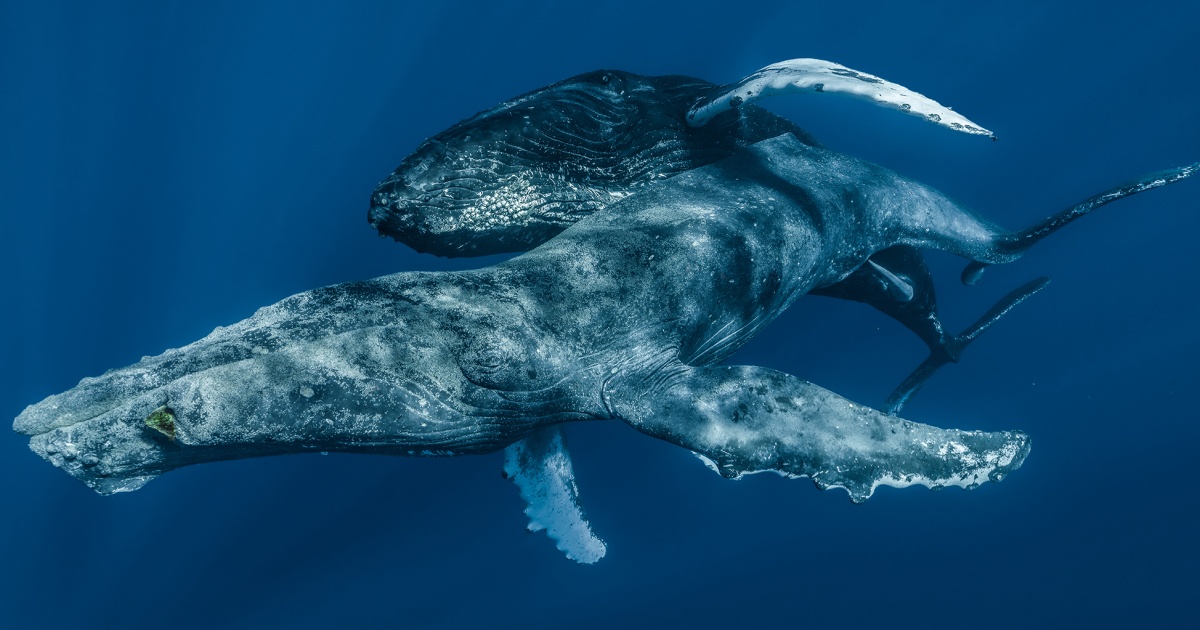
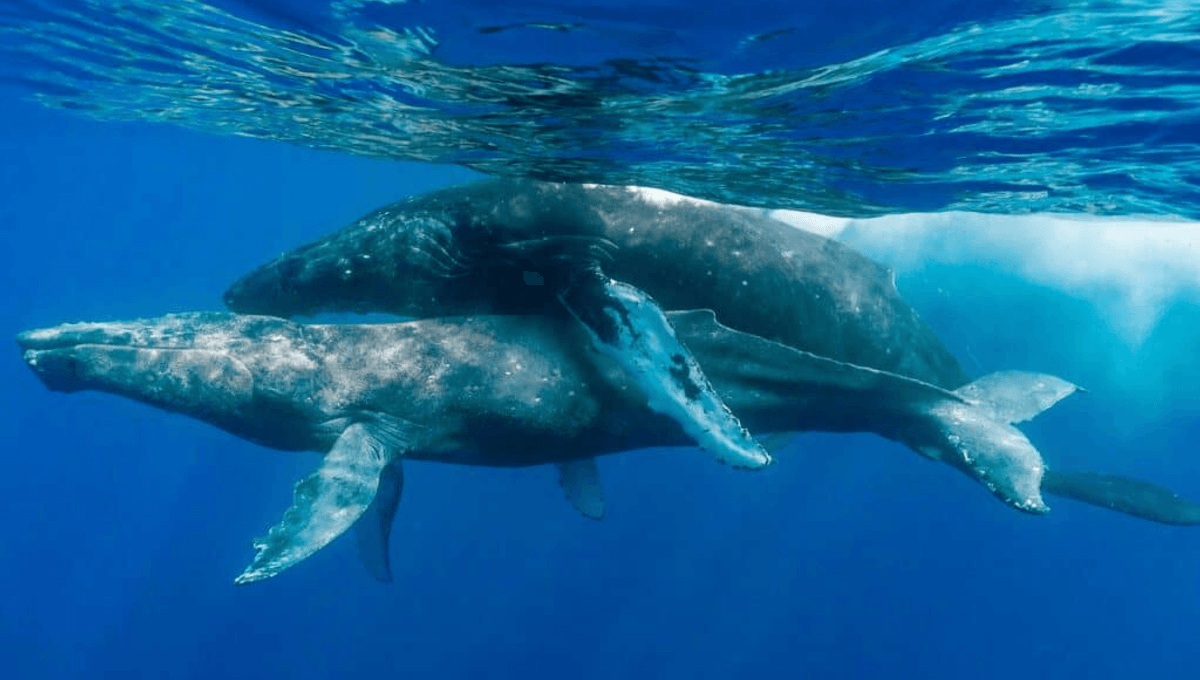
Photographers captured the first documented instance of two male humpback whales engaging in sexual activity, with one whale penetrating the other in waters west of Maui. The encounter, observed for approximately 30 minutes, took place roughly 15 feet below the surface. The authors of the study, including marine biologist Stephanie Stack and the photographers, emphasized the scientific significance of the photographs and the importance of understanding the social behavior of humpback whales. Same-sex behavior is common in the animal kingdom, and while it has been observed in other marine mammals, this is the first documented instance for humpback whales.
Photographers captured the first-ever footage of two male humpback whales engaging in sexual activity off the coast of Maui, Hawaii, challenging preconceived notions about humpback whale behavior. The discovery sheds light on same-sex sexual behavior in animals and raises questions about the frequency of such encounters. Researchers are eager to expand observations of humpback whale copulation to better understand their sexual behavior and social dynamics. However, concerns have been raised about the health and well-being of one of the whales involved, suggesting the possibility of non-consensual interaction.
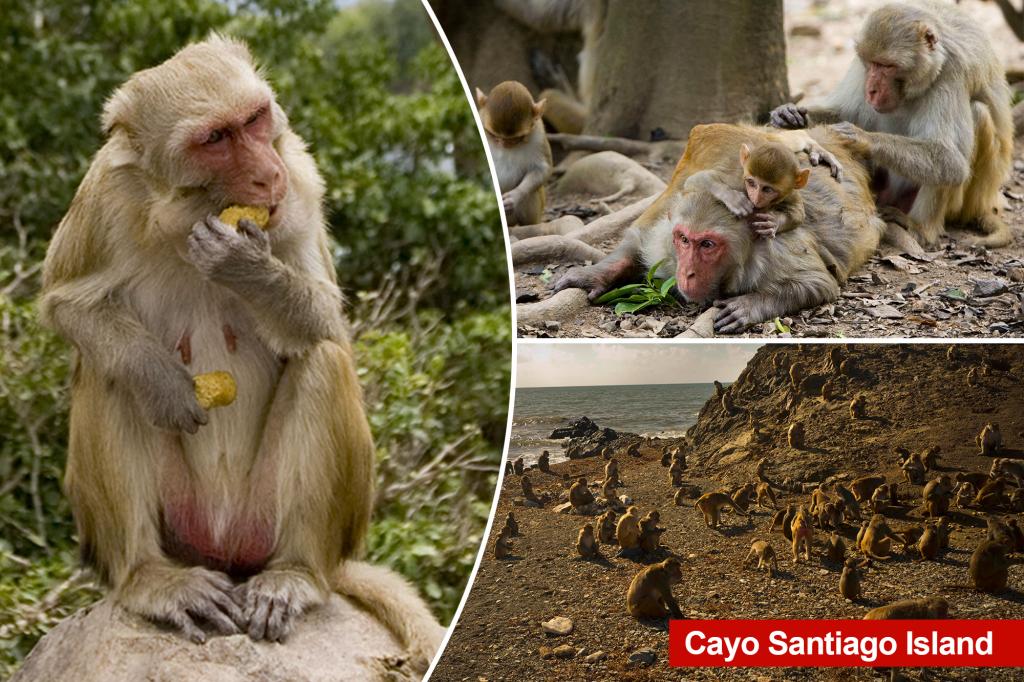
A study conducted on rhesus macaques on Cayo Santiago Island found that 72% of male monkeys engage in same-sex behaviors, which were determined to have reproductive benefits and improve social bonding among the primates. The study challenges the long-held belief that nonreproductive activities, such as same-sex relationships, are detrimental to a species' survival. However, caution is advised in applying these findings to other primates, including humans, as different cultural constructions may influence behavior. The researcher hopes that understanding the prevalence and benefits of same-sex behavior in nature can help reduce homophobic reactions in society.