Researchers compared skin ridges across multiple mammals to uncover how rete ridges form, with findings suggesting these structures may harbor stem cells essential for regeneration and could pave the way for anti-aging skin therapies.
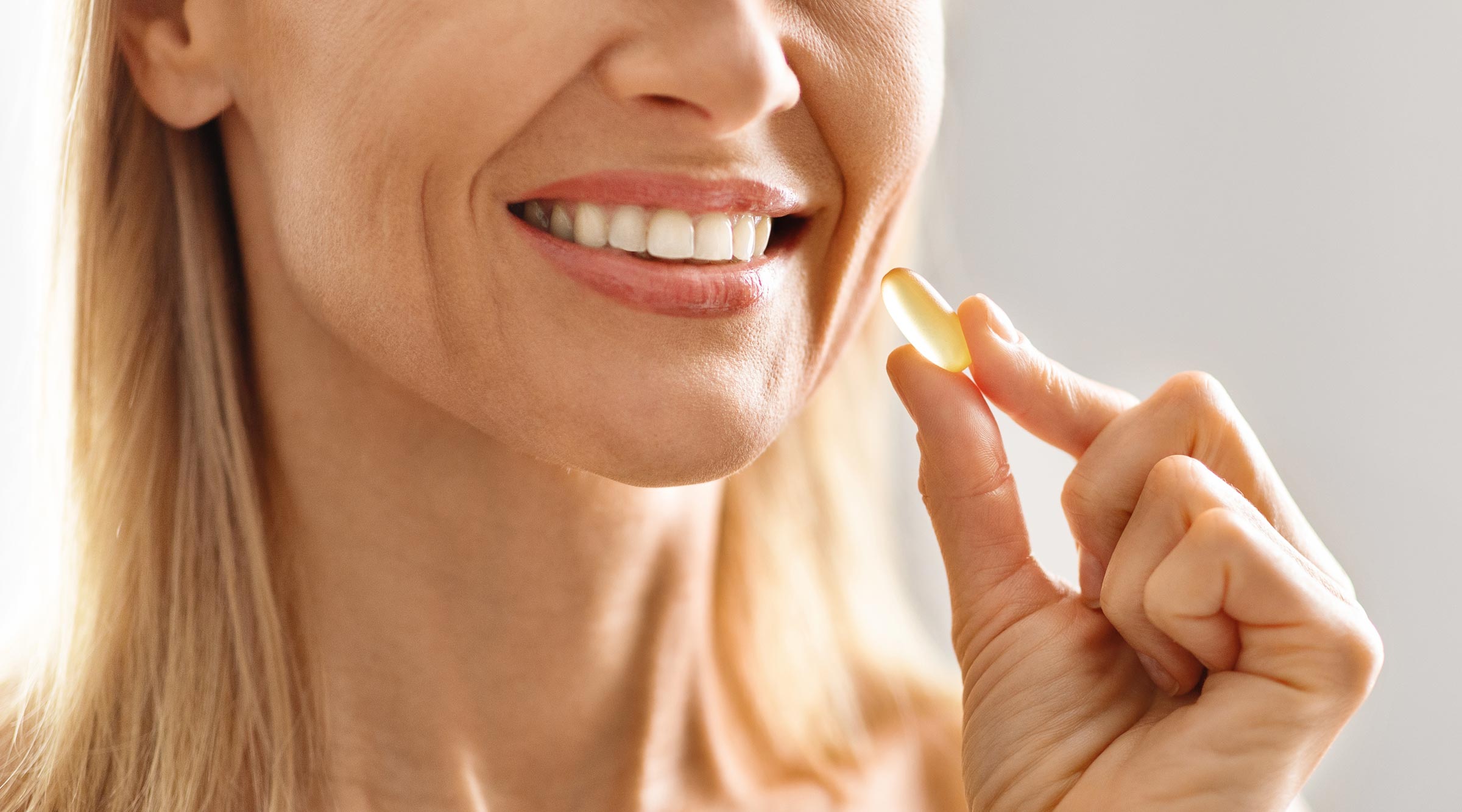
Despite the popularity of collagen supplements for aging skin, scientific evidence does not strongly support their effectiveness, and they are not currently recommended by dermatologists. Natural ways to support collagen include a healthy diet rich in protein and vitamin C, sun protection, and avoiding smoking, which are more proven methods to maintain skin health.
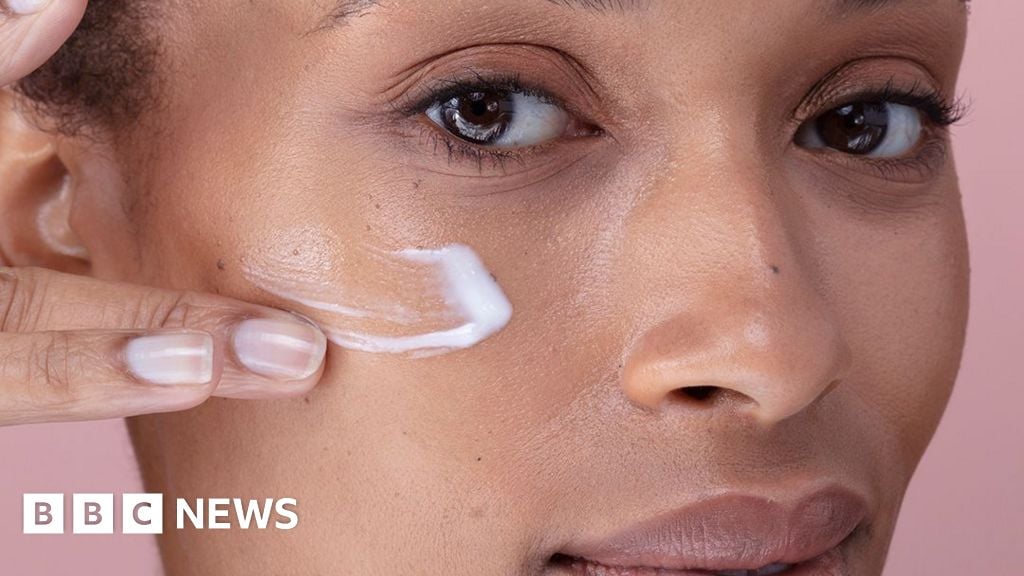
The effectiveness of collagen supplements for reducing skin aging is uncertain, with limited scientific evidence supporting their benefits. While some users report improvements in skin brightness, hair, and nails, experts highlight that collagen taken orally may not reach the skin directly, and topical creams are unlikely to penetrate deeply. Industry-funded studies tend to show more positive results, but overall, maintaining skin health is best achieved through sun protection, a healthy diet, and lifestyle choices rather than relying solely on supplements.
An anti-aging expert highlights 7 common foods and drinks—such as ice cream, cola, fruit juices, margarine, artificial sweeteners, muffins, and alcohol—that silently accelerate skin aging by damaging collagen, dehydrating, or causing inflammation, emphasizing the importance of mindful eating for maintaining youthful, radiant skin.
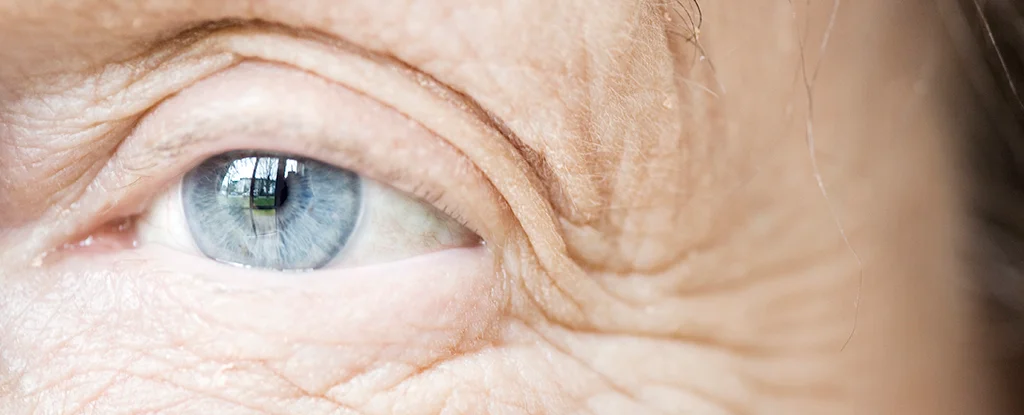
A study by Binghamton University researchers explains that skin wrinkles with age due to repeated stretching and buckling, similar to denim creases, with changes in skin stiffness and collagen density contributing to this process. The findings provide experimental evidence of the physical mechanisms behind aging skin and have implications for skincare and understanding other tissues, as well as the impact of sun exposure on skin aging.
New research from Binghamton University reveals that wrinkles are primarily caused by the physical buckling of skin due to uneven tension and mechanical stress, rather than age alone. As skin ages, it loses elasticity and shrinks unevenly, leading to buckling when a critical stress threshold is reached, with UV damage accelerating this process. Future anti-wrinkle treatments may focus on rebalancing internal skin stresses rather than just boosting collagen. Meanwhile, proven skincare practices like sunscreen, retinoids, and maintaining skin health remain important.
A new study suggests that vitamin C, commonly found in fruits and vegetables, can help slow skin aging by promoting epidermal thickness through epigenetic mechanisms, specifically DNA demethylation, which encourages keratinocyte proliferation. This finding indicates that vitamin C could be a useful treatment for thinning skin in older adults.
A Japanese study reveals that vitamin C can thicken and rejuvenate skin by reactivating genes involved in cell growth through epigenetic changes, suggesting its potential as a genetic anti-aging treatment for skin.
Dermatologists suggest that using estrogen cream may help combat signs of skin aging, particularly in post-menopausal women, as the loss of estrogen can lead to drier skin and increased wrinkles. However, it's important to consult with a healthcare provider before starting any hormone-based treatment.
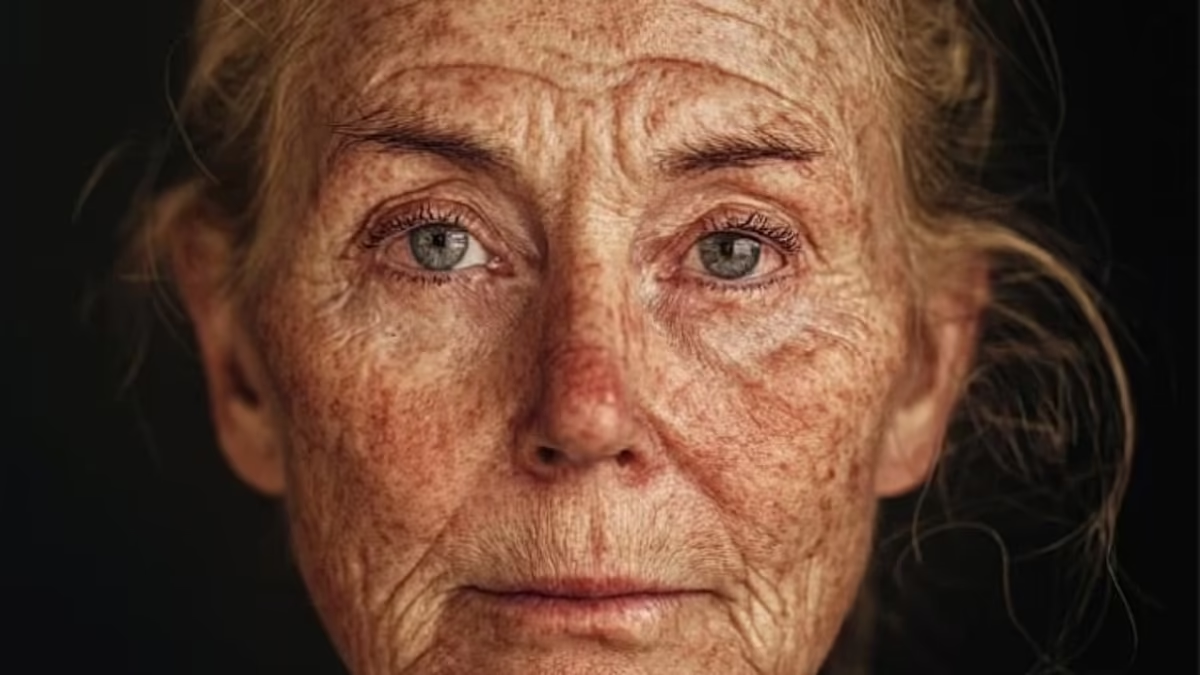
Dermatologists from the Harley Street Skin Clinic in London highlight how environmental factors like pollution, stress, sunlight, hard water, and smoking can accelerate skin aging, despite the use of beauty creams. AI simulations show these factors can lead to fine lines, wrinkles, and other skin issues. Experts recommend preventive measures such as using sunscreen, staying hydrated, and avoiding smoking to mitigate these effects.
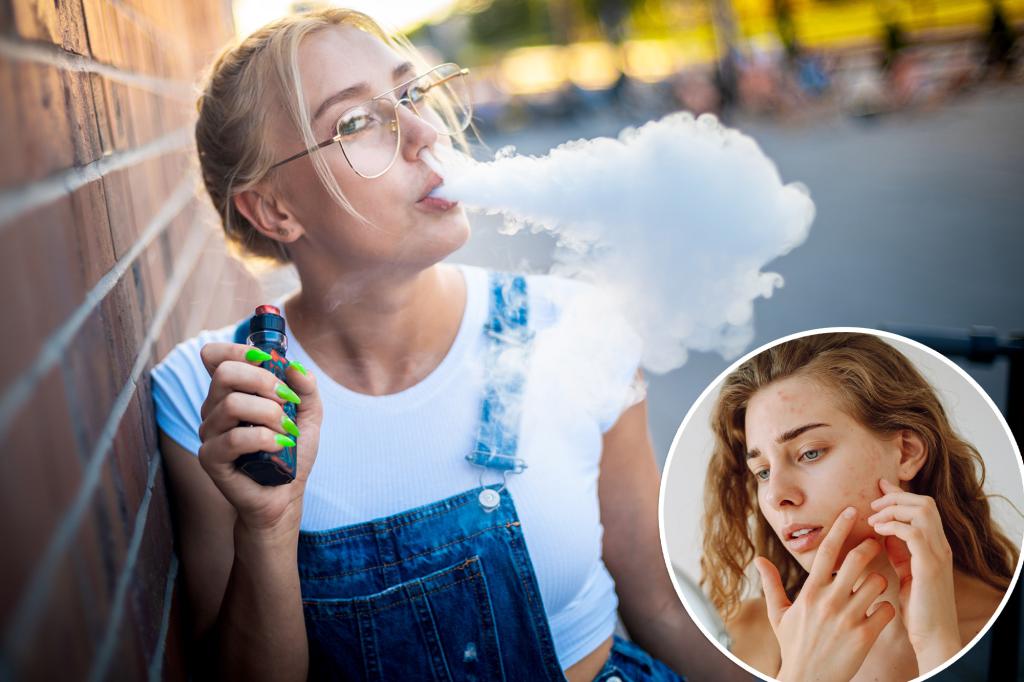
Dermatologists warn that Gen Z's high usage of e-cigarettes is contributing to premature skin aging, including sallow skin, wrinkles, and other skin conditions like acne and psoriasis. The nicotine in vapes breaks down skin elasticity and, combined with other chemicals, can cause chronic inflammation and thermal damage, leading to a dulled appearance and sagging skin.
Epigenetics, the study of how lifestyle and environment can influence gene expression, is now being utilized in skincare by brands like Rationale. The brand's founder, Richard Parker, explains that understanding your skin's genetics and making proactive epigenetic changes can lead to healthy, glowing skin. He emphasizes the importance of sun protection, stating that 80% of skin aging is caused by the sun and recommends a personalized skincare regimen that includes immune boosters, antioxidants, sunscreen, and DNA repair enzymes to address skin weaknesses and protect from sun damage.
Research suggests that while both aerobic exercise and resistance training are beneficial for healthy skin aging, resistance training specifically increases the thickness of the inner skin layer, promoting supple and firm skin. The study found that resistance training improved skin elasticity, upper dermal structure, and increased the presence of molecules linked to skin firmness. Increasing the load in resistance training over time is important for optimal results. Overall, any form of exercise can benefit the skin, but if you're looking to increase dermal thickness, resistance training may be the way to go.
Scientists have discovered that the IL-17 protein plays a crucial role in skin aging. Certain immune cells in the skin express high levels of IL-17 during the aging process, contributing to an inflammatory state. By inhibiting IL-17, researchers observed a delay in the appearance of aging symptoms, such as impaired hair follicle growth, slow wound healing, and genetic markers of aging. This finding opens up new possibilities for developing therapies to improve skin aging health. Further research will investigate the role of IL-17 in aging processes in other tissues and organs.
Sunscreen is a must to protect our skin from the harmful effects of the sun, including premature skin aging and skin cancers like melanoma. However, questions remain about the benefits and safety of different types of sunscreens. Skin experts recommend wearing sunscreen daily and reapplying every two hours, but it's important to check the expiration date and store it properly to ensure its effectiveness.