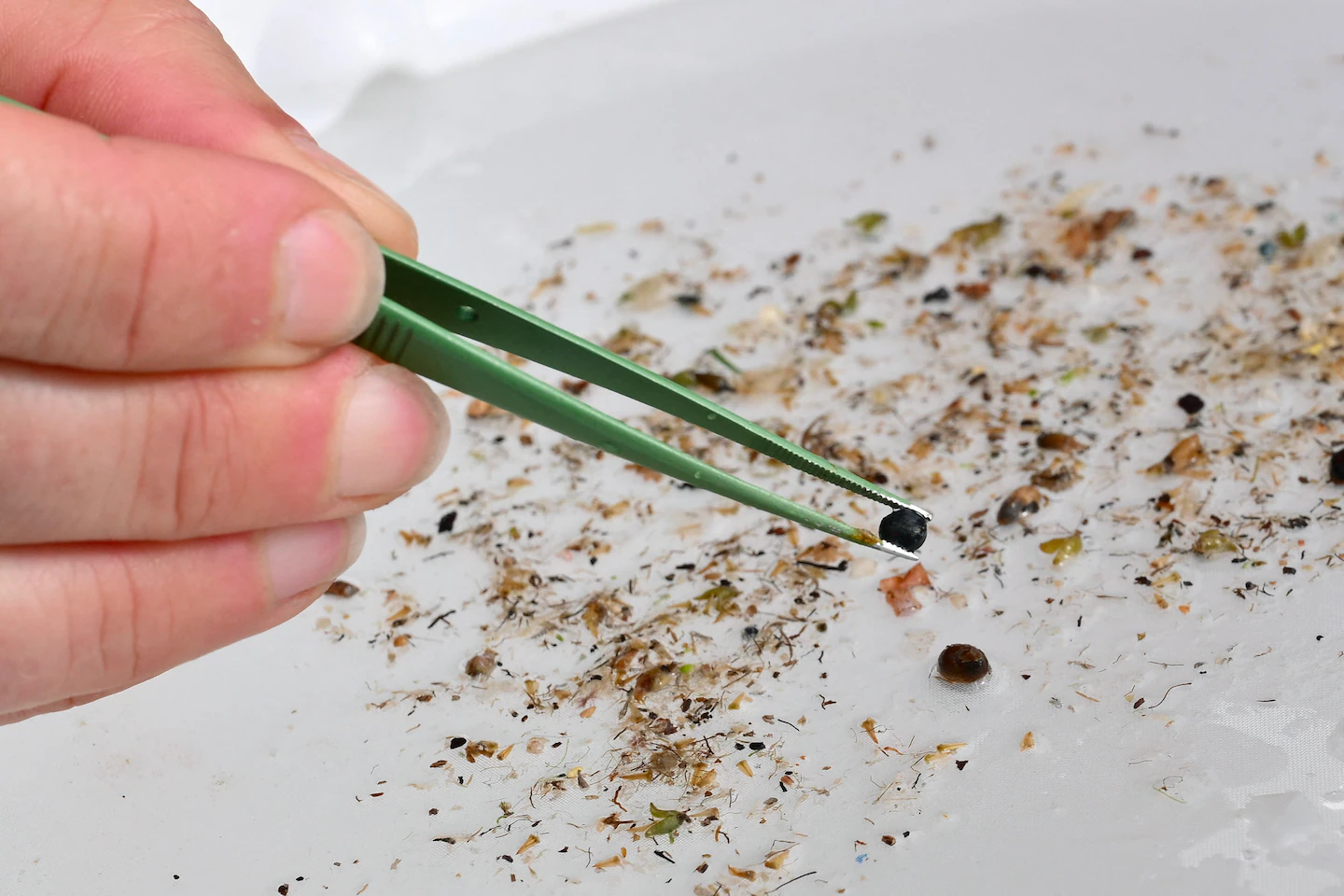
In 2025, significant progress was made in understanding microplastics, revealing that these tiny particles are not only polluting rivers and oceans but are also present in our bodies and food, raising concerns about health and environmental impacts.
The article discusses the environmental impact of AI, highlighting concerns over the pollution caused by datacentres powered by fossil fuels, the energy consumption of AI technologies, and their potential to both harm and help the climate through various applications. It emphasizes the need for regulation and responsible development to mitigate negative effects while harnessing AI's potential for positive environmental impact.
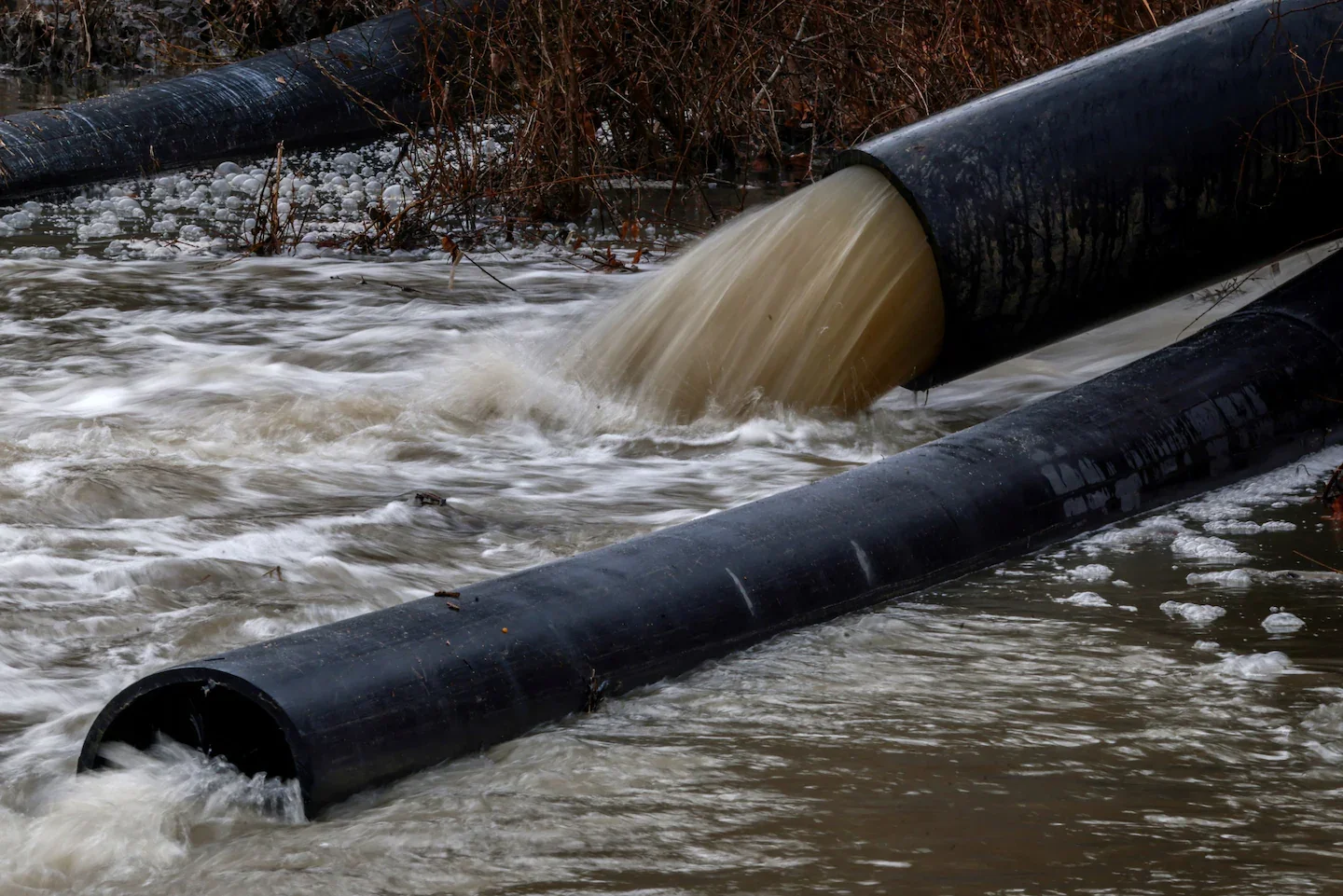
Pouring inappropriate items like fats, oils, dairy, and chemicals down the sink can cause blockages, damage infrastructure, and pollute waterways. Proper disposal methods, such as composting, rubbish bins, or chemical collection events, are essential to protect public health and the environment. Collective individual actions are crucial in maintaining city plumbing and water quality.
The U.S. EPA proposes to weaken Clean Water Act protections for 96% of Ohio's wetlands and many streams, risking increased pollution and environmental degradation, especially after the 2023 Supreme Court ruling that redefined water protections. Public comments are open until January 5 to oppose the rule.
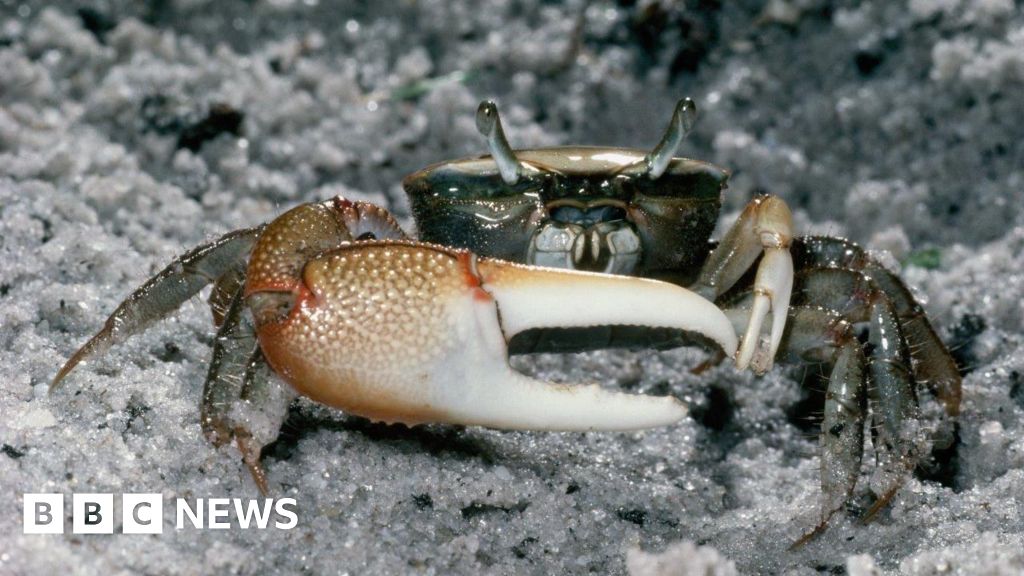
A study by Exeter University found that fiddler crabs in Colombia's polluted mangrove forests can break down microplastic particles within days, but this may release harmful nanoplastics into their tissues and the food chain, raising concerns about pollution adaptation and environmental impact.
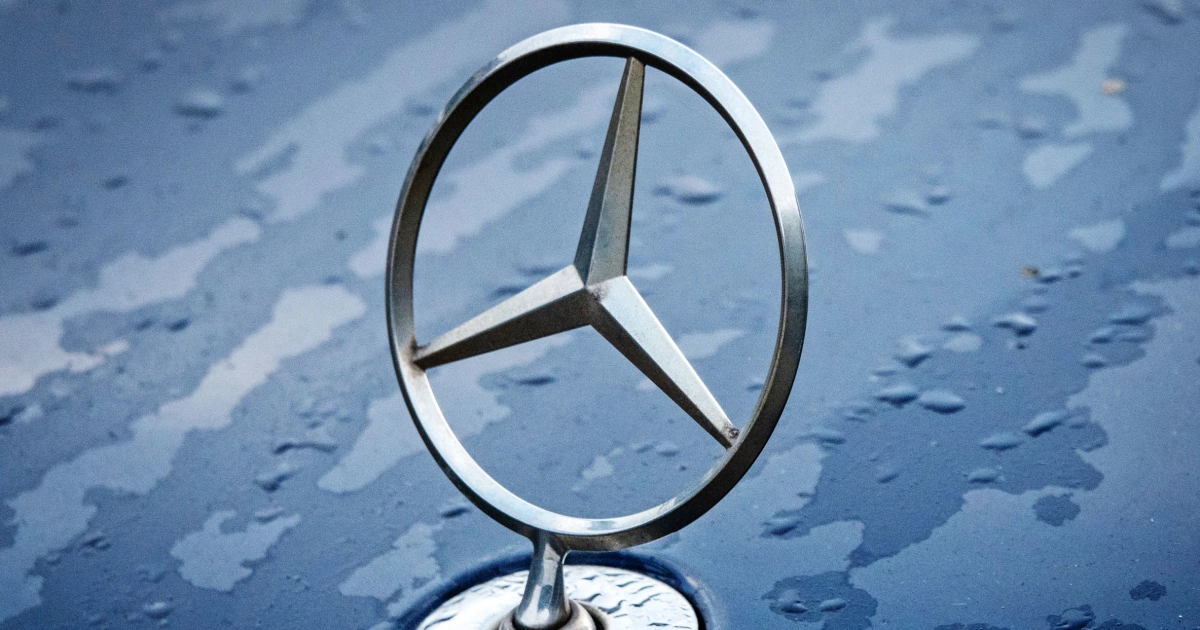
Mercedes-Benz agrees to pay $149.6 million to settle allegations of installing defeat devices in over 211,000 diesel vehicles to cheat emissions tests, with the settlement including compensation for affected owners and stricter reporting requirements, while denying any liability.
Residents of Gloster, Mississippi, are suing Drax, alleging that the company's wood-pellet mill has caused significant air pollution and health problems, contradicting promises of economic revitalization; despite upgrades and fines, violations persist, raising concerns about environmental and community impacts.
A study published in the Journal of the American College of Cardiology found that the Palisades and Eaton fires in Los Angeles caused a significant increase in heart attacks, respiratory illnesses, and abnormal blood test results over 90 days, likely due to the toxic mix of materials burned and prolonged smoke exposure, leading to long-term health impacts beyond immediate injuries.
The Tigris River in Iraq, vital for the country's ecology, culture, and history, is facing severe pollution, overuse, and shrinking due to dam construction, climate change, and mismanagement, threatening the survival of local communities and their ancient way of life.
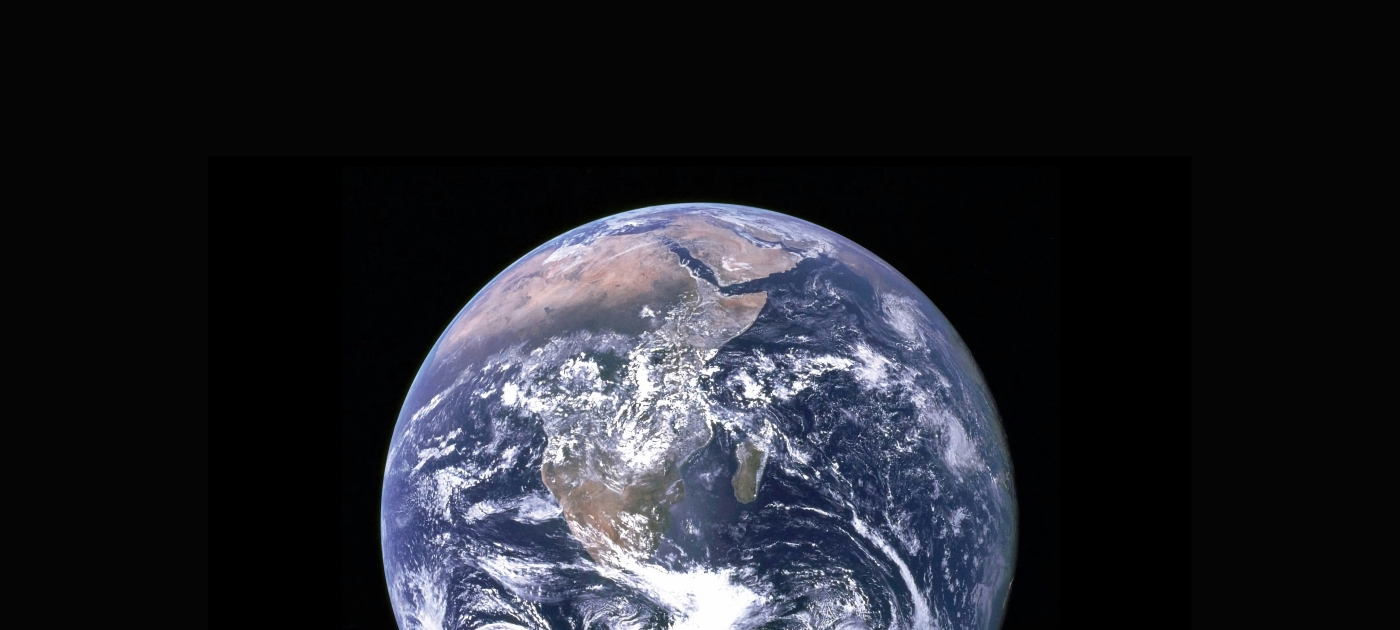
A UN report warns that if current environmental practices continue, by 2050 the planet will face severe heatwaves, species extinctions, resource depletion, and economic decline, but urgent global action can still prevent the worst outcomes.
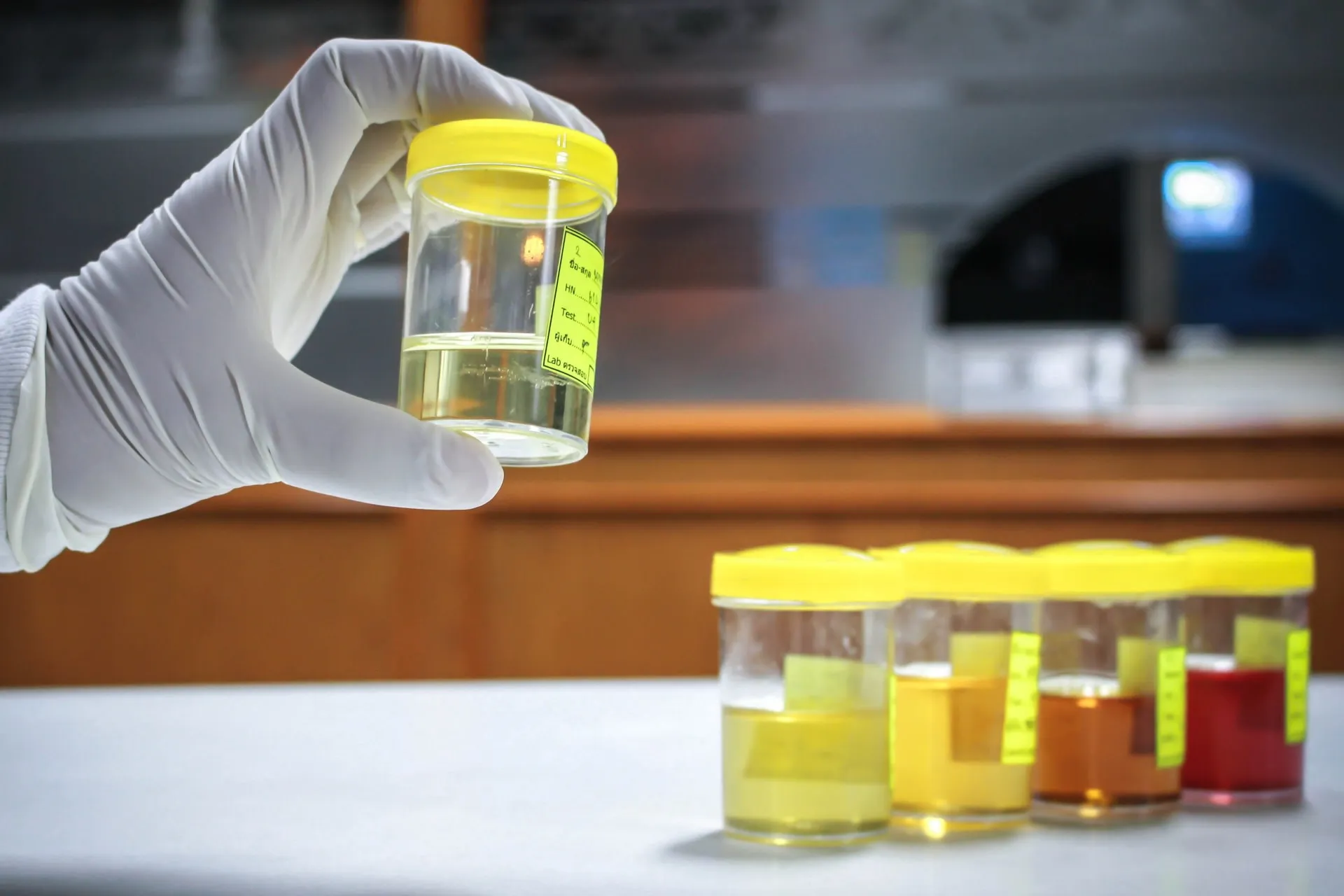
Researchers found tire-derived chemicals, including 6PPD and its toxic byproduct 6PPD-quinone, in the urine of people across South China, raising concerns about human exposure to pollution from tire particles and the need to classify these chemicals as a distinct pollution category due to their potential health risks.
India faces a rising cancer burden linked to pollution, lifestyle, and healthcare access issues, especially outside urban centers. Experts emphasize the importance of early detection, lifestyle changes, and integrating traditional and modern medicine to combat this trend, highlighting the need for improved awareness, healthcare infrastructure, and preventive measures across the country.
Delhi woke up to severe air pollution after Diwali, with the AQI reaching 360 due to fireworks, vehicular emissions, and crop stubble burning, despite restrictions and a court order to use green crackers. The pollution levels are dangerously high, posing health risks, and experts warn that relaxed rules may worsen awareness of air quality issues.
The article highlights the increasing pressure on Europe's water resources due to pollution, droughts, and floods, emphasizing the importance of ecosystem protection and better wastewater management through a series of reports and debates by Euronews.
A study from the University of Padua found microplastics in 26 out of 28 dairy samples, especially in aged cheeses, raising concerns about toxicological effects and the widespread presence of plastic particles in food, likely originating from packaging, which pose health risks such as inflammation and organ damage.