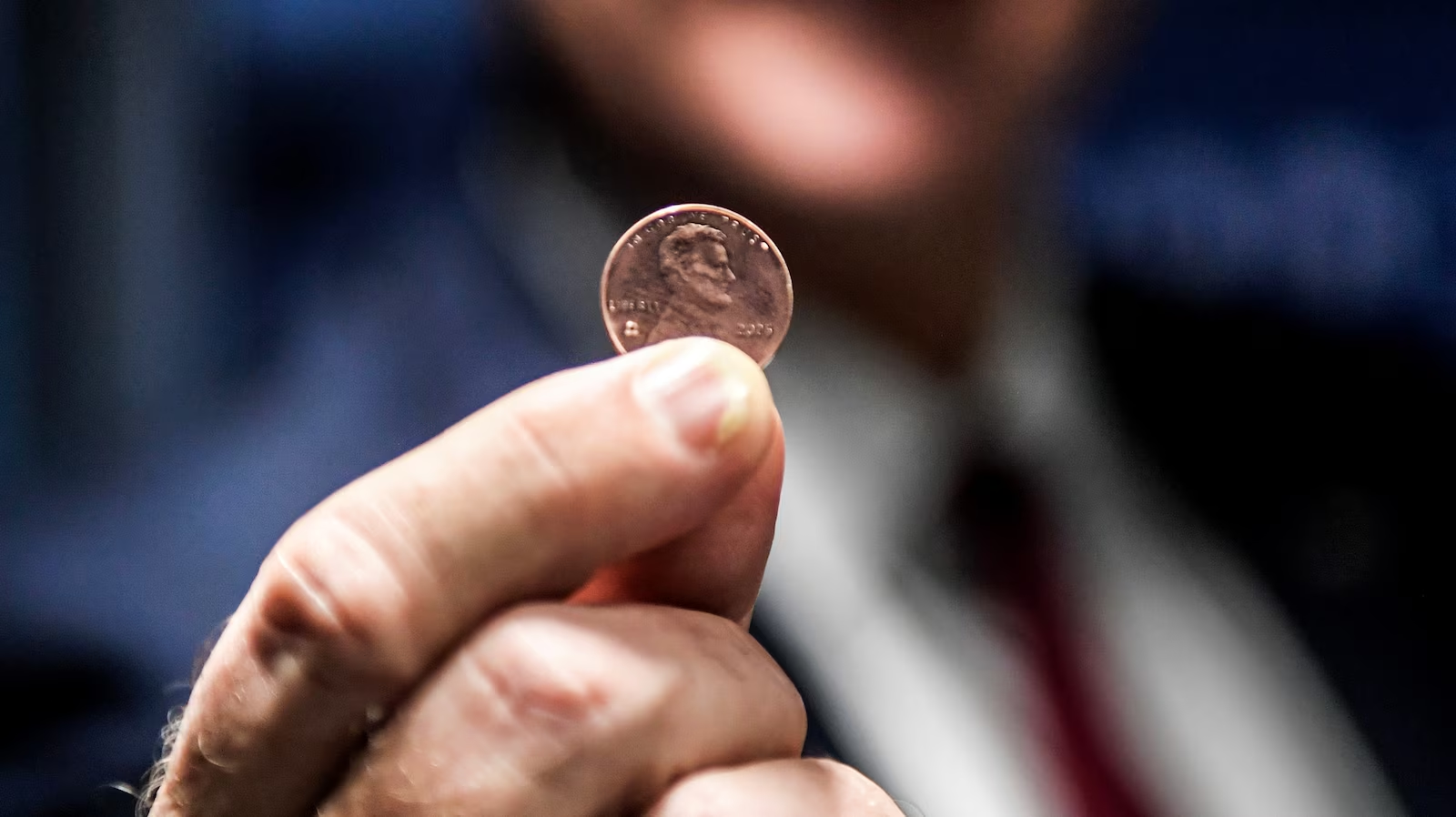
The US Mint has stopped producing the 1-cent coin after over 230 years, citing financial inefficiency and modernization, with the final coins minted in 2025 and set to be auctioned off, marking the end of an era for the penny.
The US is ending penny production after over 230 years to save approximately $56 million annually, as the coins now cost more to produce than their face value and are increasingly obsolete due to electronic transactions. The coins will remain in circulation, but businesses are already adjusting prices, and the move is part of a broader trend of phasing out low-value coins in other countries.
Cardiologists recommend adding budget-friendly foods like beans, beets, and berries to your diet to improve circulation and support heart health, emphasizing a plant-forward, anti-inflammatory diet and limiting processed foods for better cardiovascular outcomes.
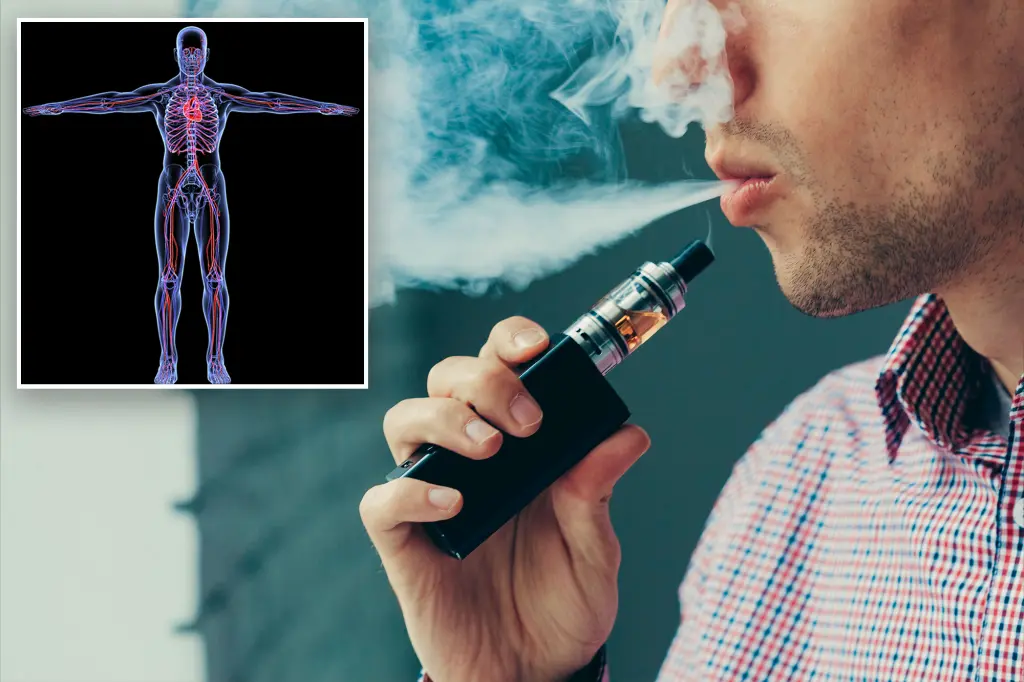
A new study warns that vaping has immediate negative effects on the body's circulation, even without nicotine. Researchers found significant impacts on blood vessels and oxygen intake, with decreased blood flow velocity in the femoral artery and reduced venous oxygen saturation in vapers. The study, presented at the Radiological Society of North America, suggests that vaping, often considered safer than smoking, can still harm vascular function and overall health. The findings highlight the need for regulation and caution against vaping.
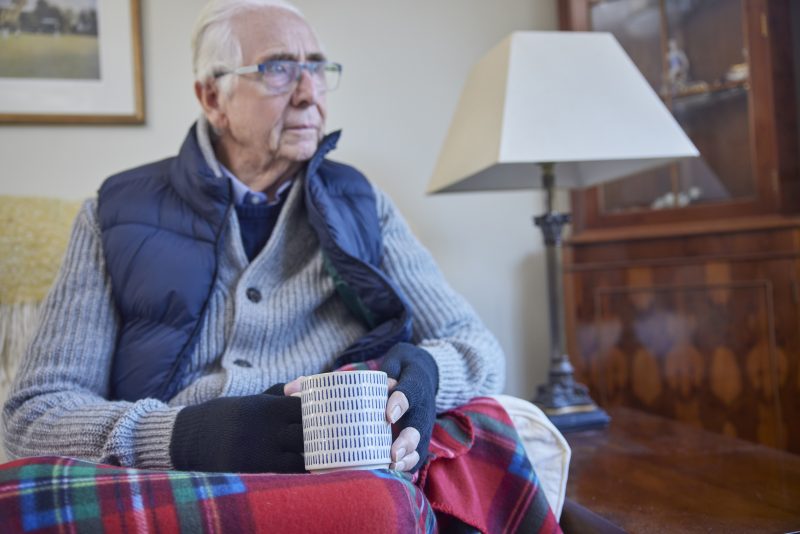
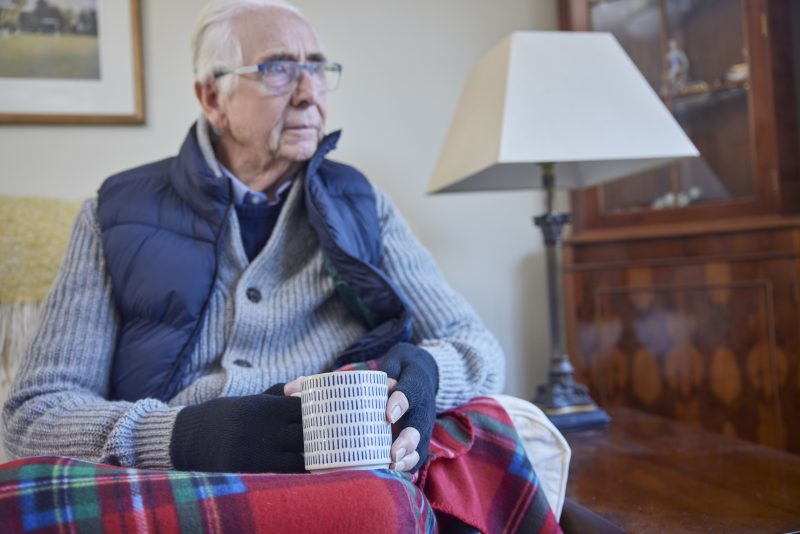
As we age, we tend to feel colder due to factors such as thinner skin, decreased body fat and muscle mass, and reduced circulation. Staying active, maintaining muscle mass, and staying hydrated can help counteract this effect. Dressing appropriately for the weather is also important, especially for older adults who are more prone to frostbite. Major temperature changes in the 70s and 80s may indicate underlying medical conditions, so it's important to consult a doctor if experiencing temperature intolerances.
As we age, we tend to feel colder due to factors such as thinner skin, decreased muscle mass and body fat, and reduced circulation. Staying active, maintaining muscle mass, and staying hydrated can help counteract this effect. Dressing appropriately for the weather is also important, especially for older adults who are more prone to frostbite. Major temperature changes in the 70s and 80s may be a sign of underlying medical conditions, and it is advised to consult a doctor if there are concerns.
As we age, we tend to feel colder due to factors such as thinner skin, decreased muscle mass and body fat, and reduced circulation. Staying active, maintaining muscle mass, and dressing appropriately for the weather can help counteract this effect. Major temperature changes in the 70s and 80s may indicate underlying medical conditions, so it's important to consult a doctor if concerned.
Infrared saunas, particularly the portable Sunlighten Solo System, are gaining popularity in the fitness space due to their numerous wellness benefits. These saunas emit radiant heat that is directly absorbed into the skin, promoting circulation, aiding in muscle recovery, and reducing the risk of injury and muscle fatigue. They also provide pain relief, making it easier to exercise for those with chronic pain conditions. Infrared saunas effectively detoxify the body by excreting heavy metals through sweat, and they promote relaxation, which can improve overall health and well-being.
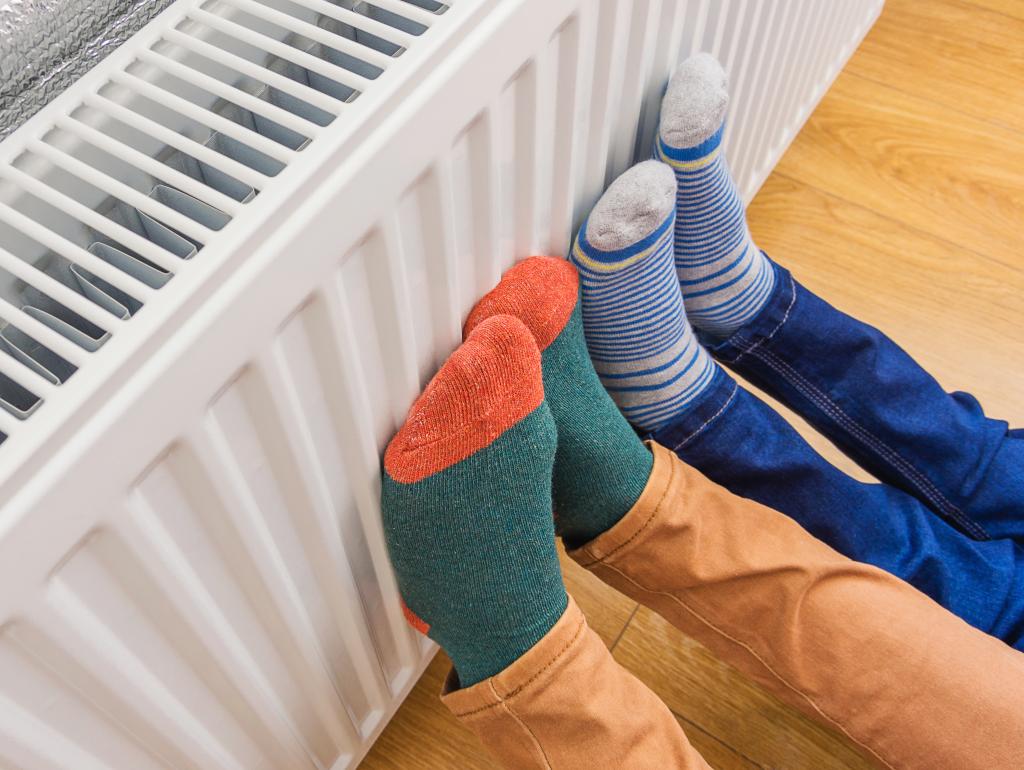
Warming your feet before bed can have a positive impact on sleep by promoting lower core body temperature and relaxation. This can be achieved through methods such as using a heating pad, taking a warm bath, using a foot spa, or wearing warm socks. Warming the feet dilates blood vessels, allowing more blood flow and dissipating body heat, which helps lower core body temperature. The sensation of warmth on the feet can be soothing and relaxing, making it easier to fall asleep. However, individual preferences vary, and some people may prefer cooler feet when they sleep. It is important to pay attention to your own comfort and sleep preferences.
Warming your feet before bed can have a positive impact on sleep by promoting lower core body temperature and relaxation. Studies have shown that people who warm their feet fall asleep faster and stay asleep longer. Warming the feet dilates blood vessels, allowing more blood to flow and dissipate body heat, ultimately lowering core body temperature. The sensation of warmth on the feet can be soothing and relaxing, making it easier to unwind and fall asleep. However, individual preferences vary, and some people may prefer cooler feet when they sleep. It is important to avoid discomfort or injuries from overheating and consult with a healthcare professional for personalized advice.
Research suggests that while both aerobic exercise and resistance training are beneficial for healthy skin aging, resistance training specifically increases the thickness of the inner skin layer, promoting supple and firm skin. The study found that resistance training improved skin elasticity, upper dermal structure, and increased the presence of molecules linked to skin firmness. Increasing the load in resistance training over time is important for optimal results. Overall, any form of exercise can benefit the skin, but if you're looking to increase dermal thickness, resistance training may be the way to go.
A study published in Nature Aging has found that exposure to youthful circulation can lead to multi-omic rejuvenation and extension of life span. The researchers conducted experiments using parabiosis, a surgical procedure that connects the circulatory systems of young and old mice, and observed improvements in tissue function and DNA methylation patterns associated with aging. The findings suggest that factors present in youthful circulation have the potential to reverse age-related changes and promote longevity.
Researchers recommend eating foods that can stimulate or help maintain good blood vessel growth for the heart and the rest of the body, activate stem cells, reduce inflammation, and improve the microbiome to reduce the risk of heart disease. Some of the recommended foods include apples, capers, sesame seeds, cranberries, green tea, dark chocolate, mangoes, dark leafy greens, citrus fruits, garlic, lentils, walnuts, mushrooms, yogurt, kimchi, sauerkraut, Gouda, and Parmigiano-Reggiano. Additionally, dark chocolate, green tea, beer, coffee, and chicken thighs have been identified as star players in promoting heart health.
Sweat can have positive effects on the skin, such as flushing out bad bacteria and increasing hydration levels, leading to a healthy glow. However, excessive sweating can cause skin irritation, rashes, and acne formation. It is important to maintain proper hygiene and not strip the skin of its natural oils. Sweat is not the sole agent responsible for a glowing complexion, and those with excessive sweating should consult a dermatologist.