A mathematician explores the theoretical physical limits of human height and foot size, concluding that while extremely tall humans like Robert Wadlow are possible in theory, biological and physical constraints such as blood pressure and the square-cube law likely prevent humans from evolving to much greater heights.
Cycling is at least four times more energy-efficient than walking due to biomechanical advantages, lower impact, and the ability to optimize muscle effort with gears, making it a highly effective and sustainable form of exercise and transportation.
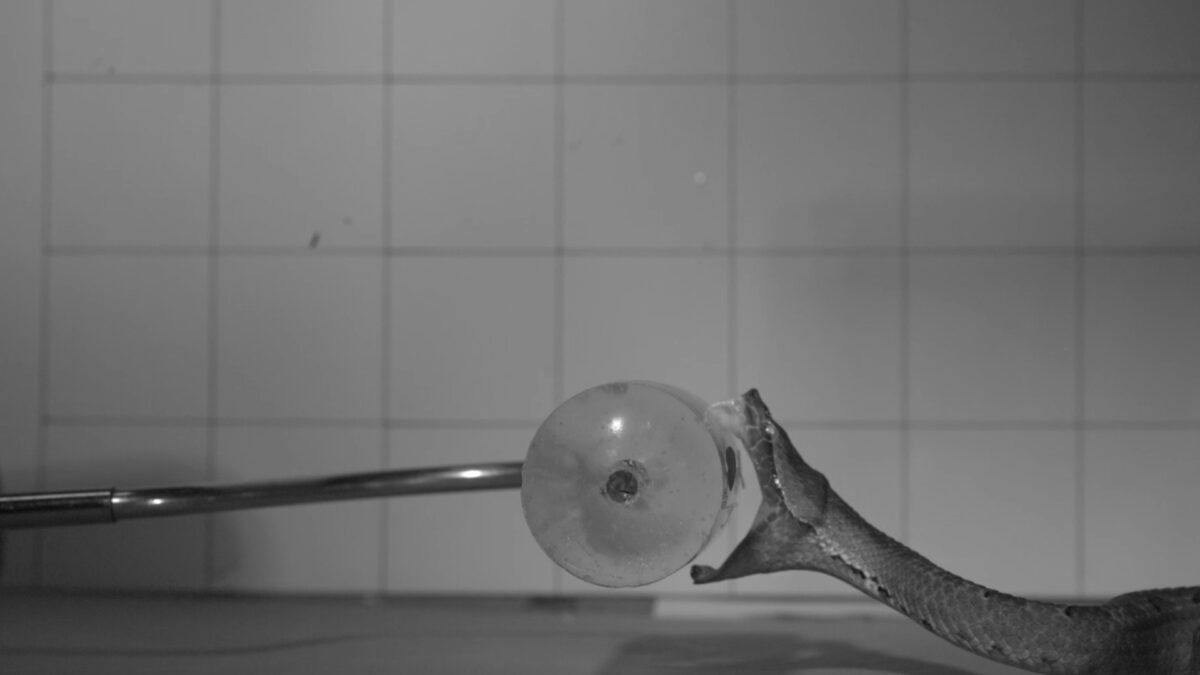
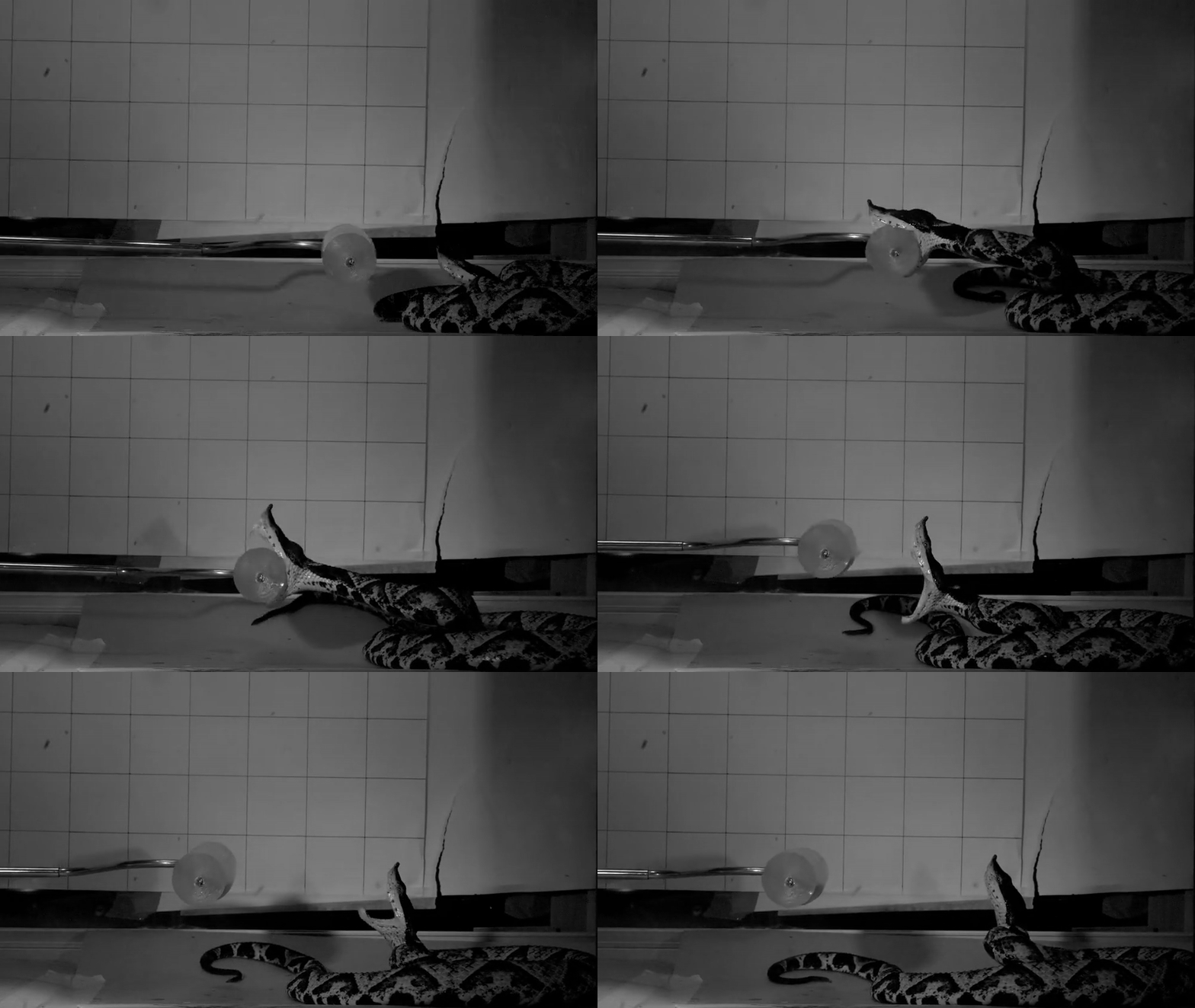
Scientists captured high-speed footage of venomous snakes from different families biting prey to study their attack mechanisms, revealing significant differences in how they deliver venom and hunt, which enhances understanding of snake evolution and behavior.
Scientists used high-speed cameras to capture in unprecedented detail how venomous snakes strike their prey, revealing that most vipers bite within 0.1 seconds, and different snake families employ various attack strategies, enhancing understanding of snake predation mechanics.
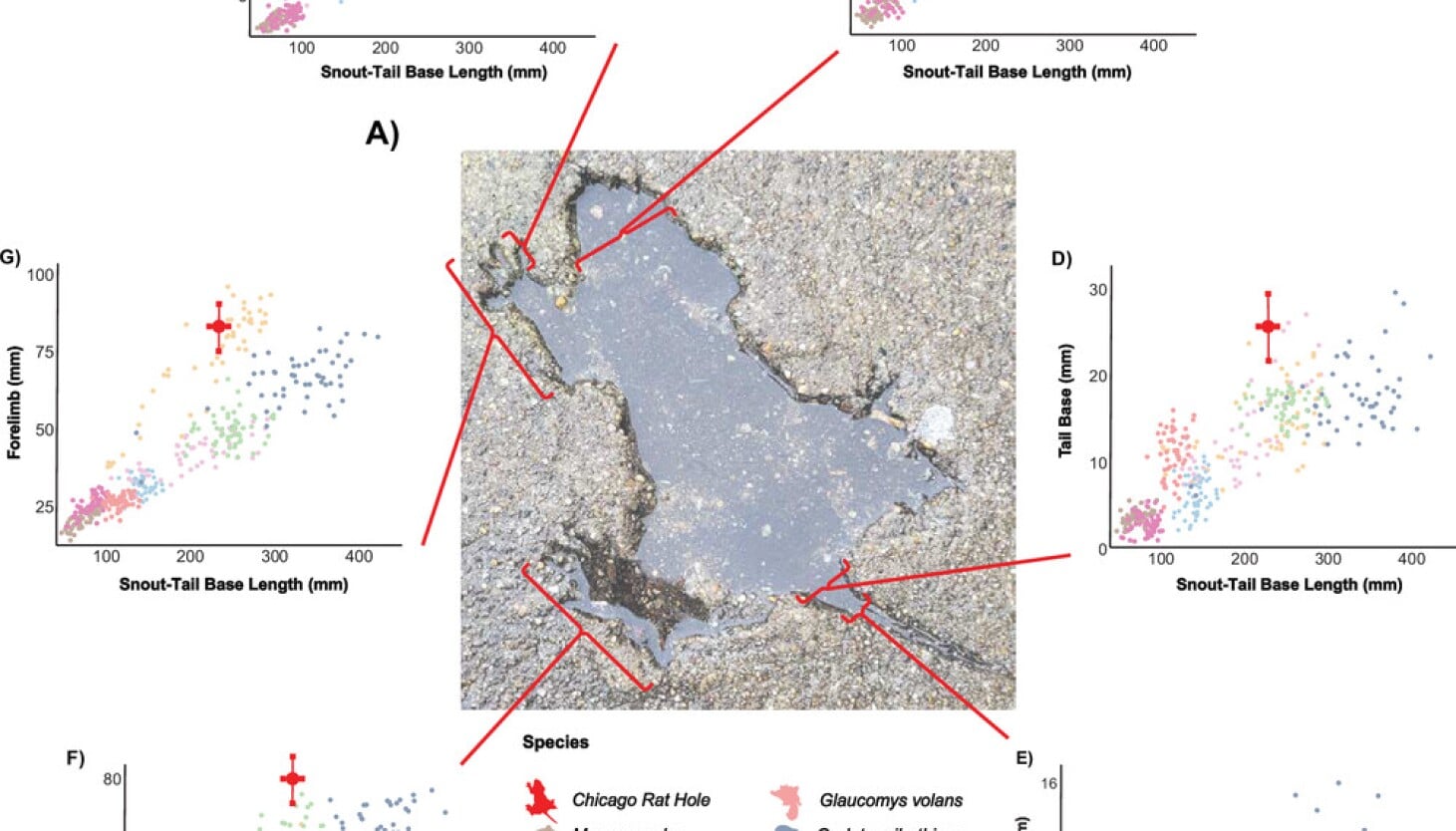
Researchers concluded that the famous 'Chicago Rat Hole' was not made by a rat, but most likely by a squirrel, based on size and shape analysis of the imprint, ending a viral mystery in Roscoe Village.
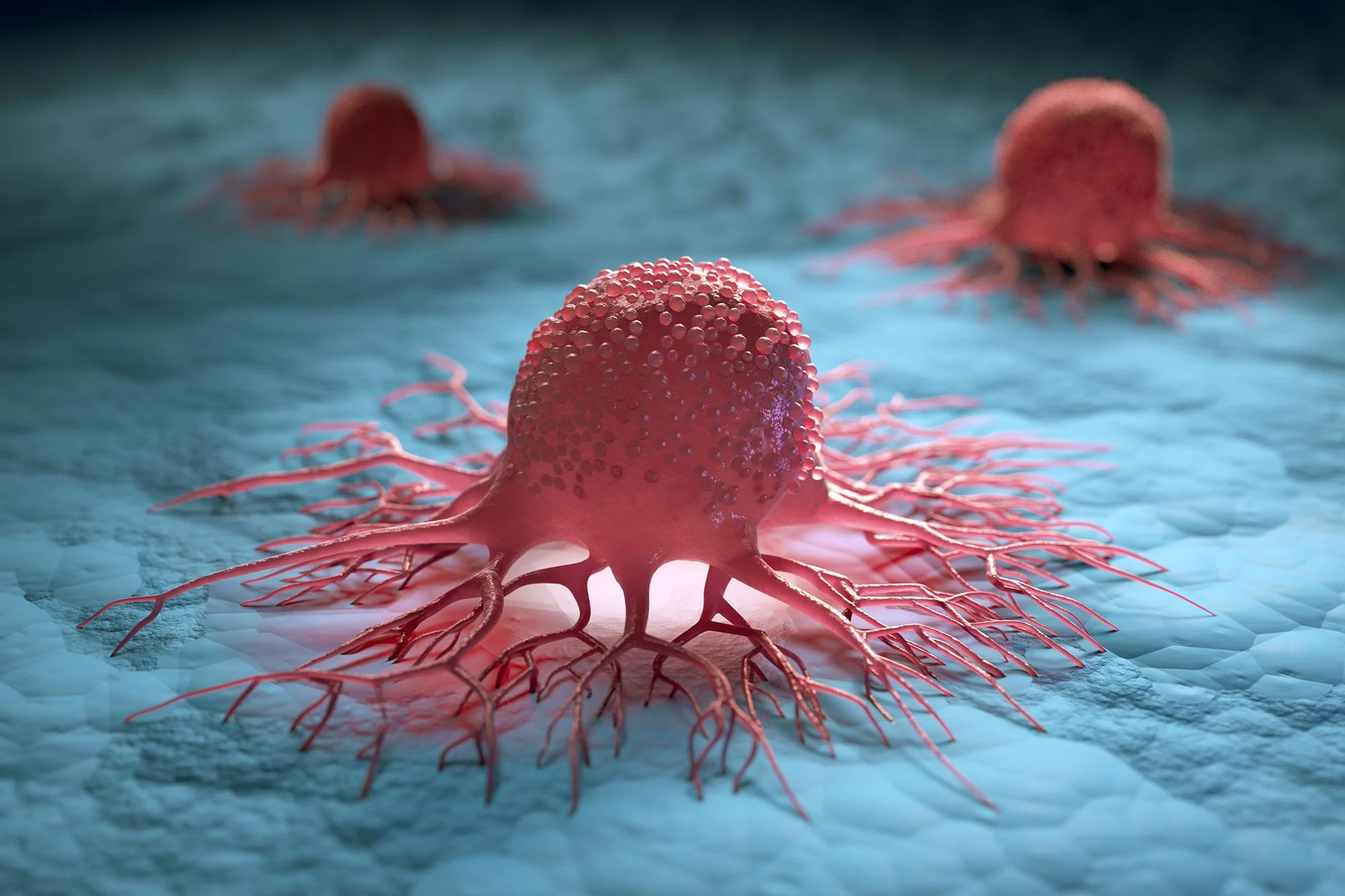
Scientists discovered that cancer cells rapidly boost their energy production through mitochondria when physically squeezed, aiding in DNA repair and survival under stress, revealing a potential target for preventing cancer spread.
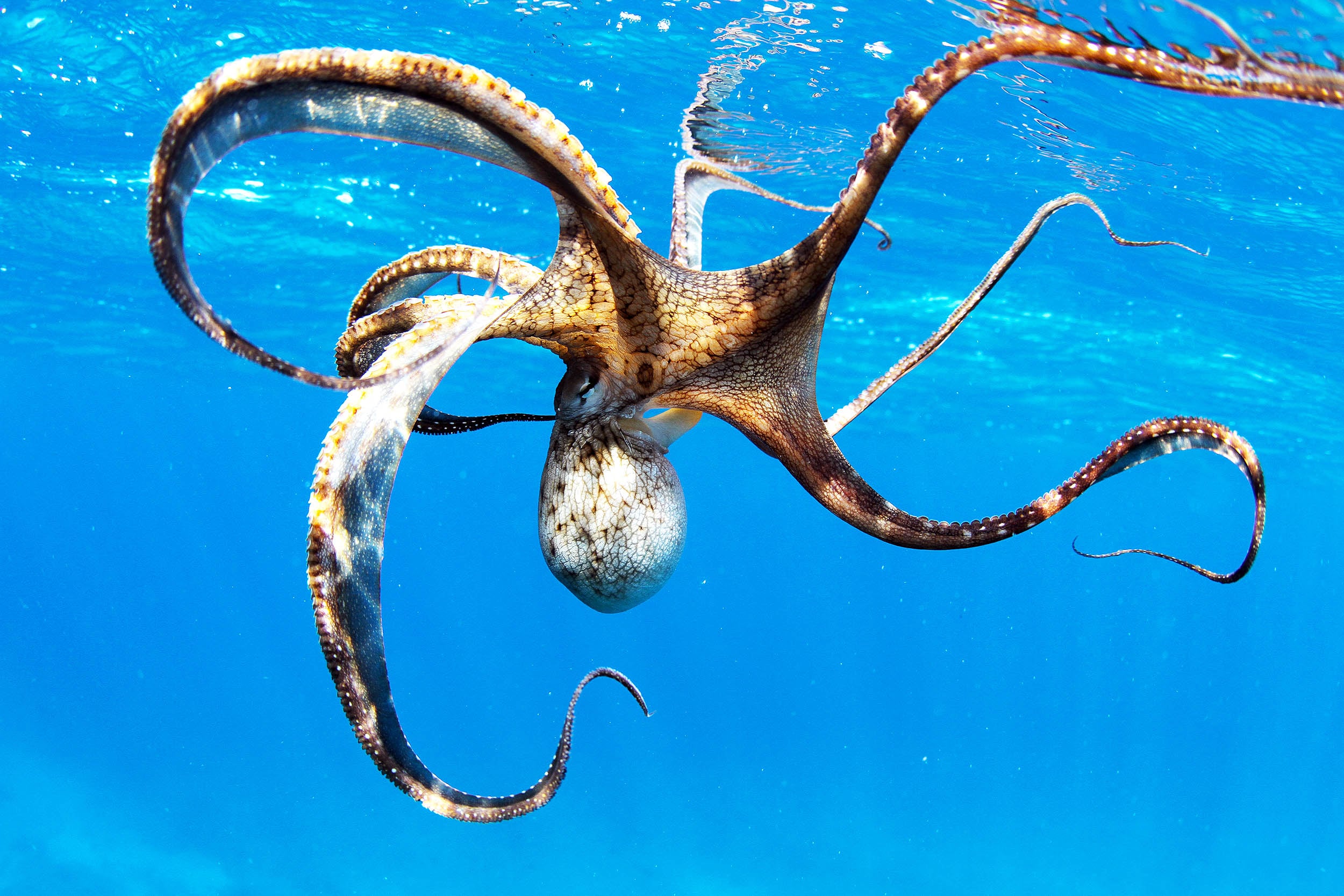
Scientists study the complex and flexible movements of octopus arms in the wild to inspire the design of advanced robotic arms capable of delicate and precise tasks, highlighting the octopus's remarkable intelligence and adaptability as models for technological innovation.
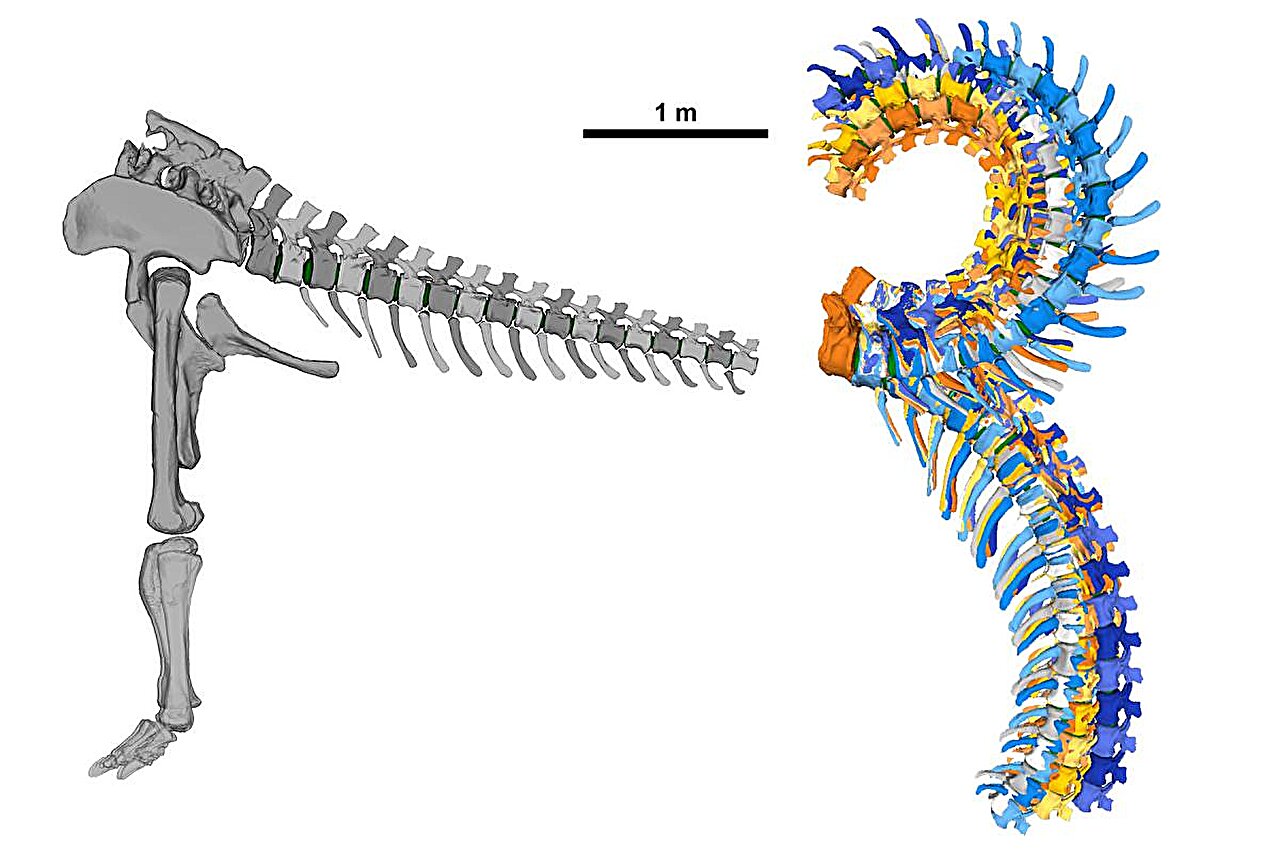
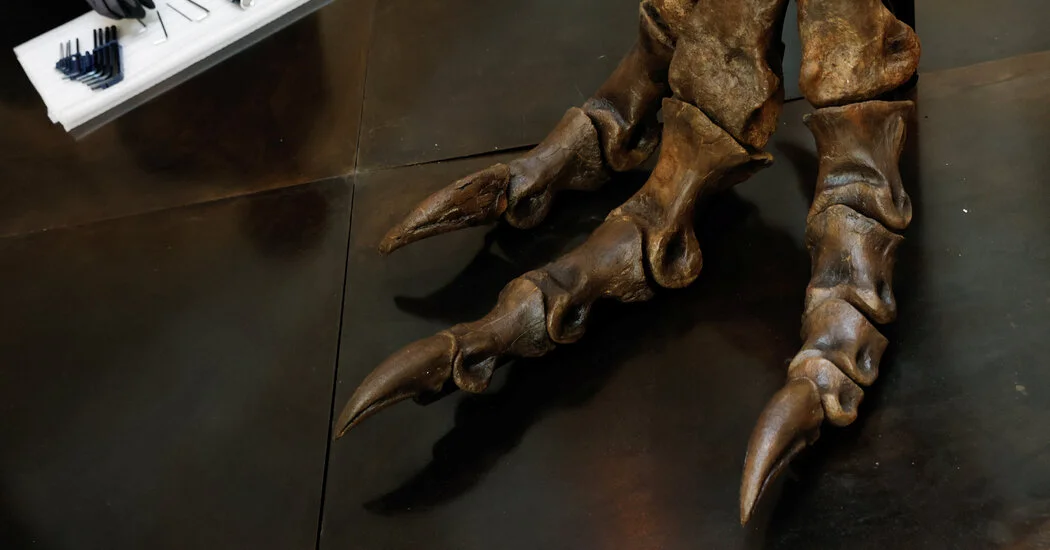
A study using 3D reconstructions reveals that the tail of the sauropod Giraffatitan was more mobile and complex than previously thought, providing new insights into its posture, movement, and social behavior.
Coco Gauff has replaced her coach with a biomechanics specialist ahead of the US Open to improve her serve and overall performance, following recent struggles and a dip in form.
Coco Gauff has made a significant coaching change ahead of the US Open, parting ways with her previous coach and hiring biomechanics expert Gavin MacMillan to improve her game, especially her serve, as she prepares for the singles draw starting Sunday.
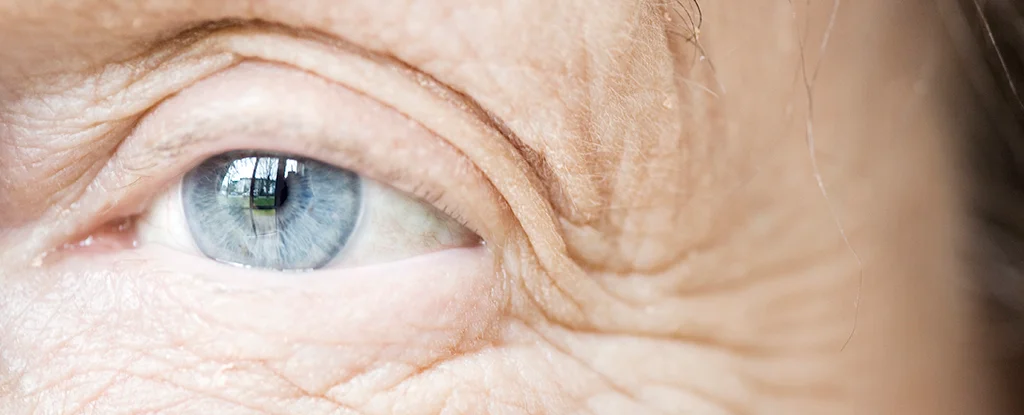
A study by Binghamton University researchers explains that skin wrinkles with age due to repeated stretching and buckling, similar to denim creases, with changes in skin stiffness and collagen density contributing to this process. The findings provide experimental evidence of the physical mechanisms behind aging skin and have implications for skincare and understanding other tissues, as well as the impact of sun exposure on skin aging.
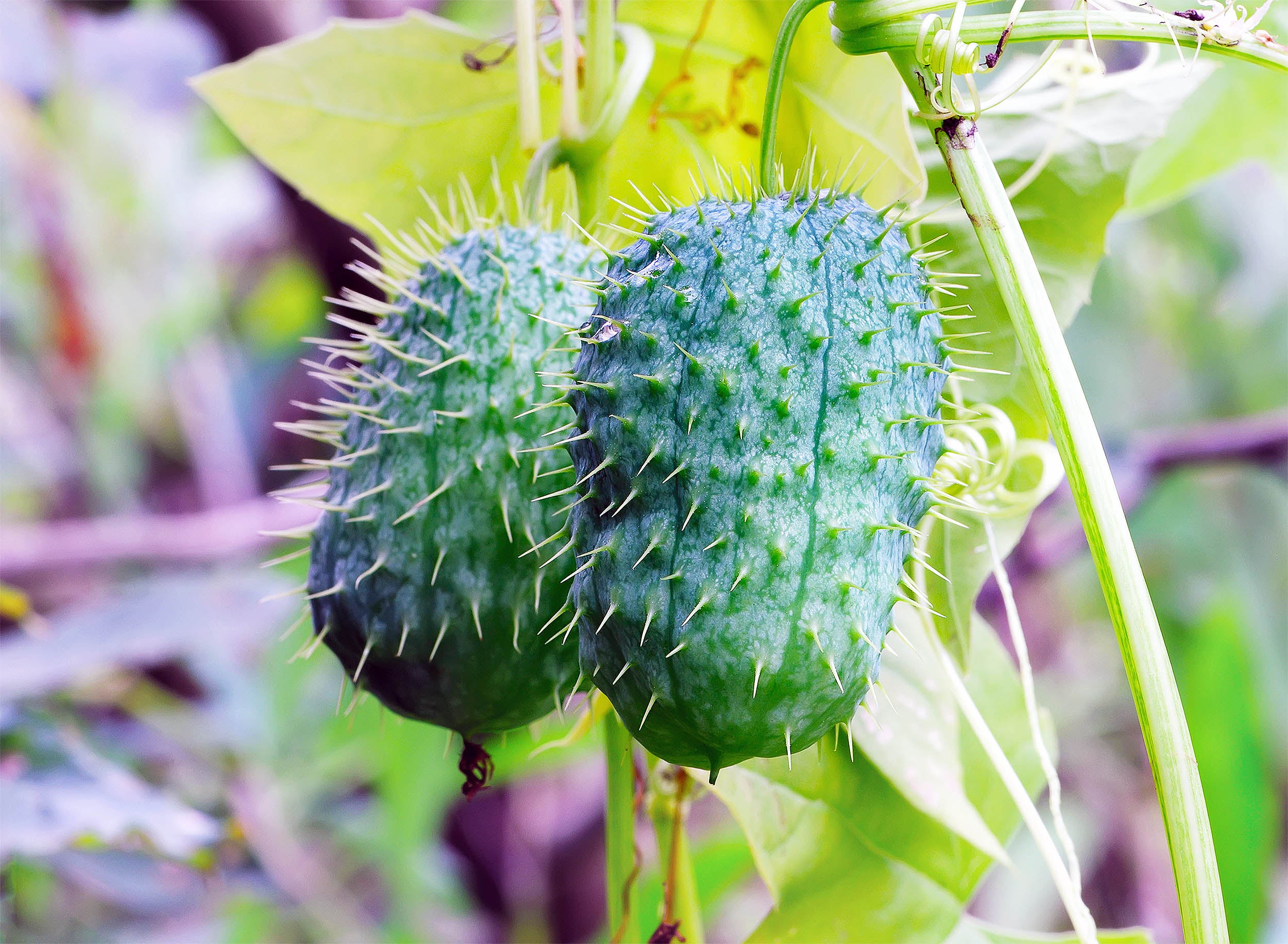
Scientists used high-speed cameras and micro-CT scans to study how the squirting cucumber precisely aims and explodes to disperse seeds, revealing its sophisticated natural launch system that could inspire future soft robotics and medical devices.
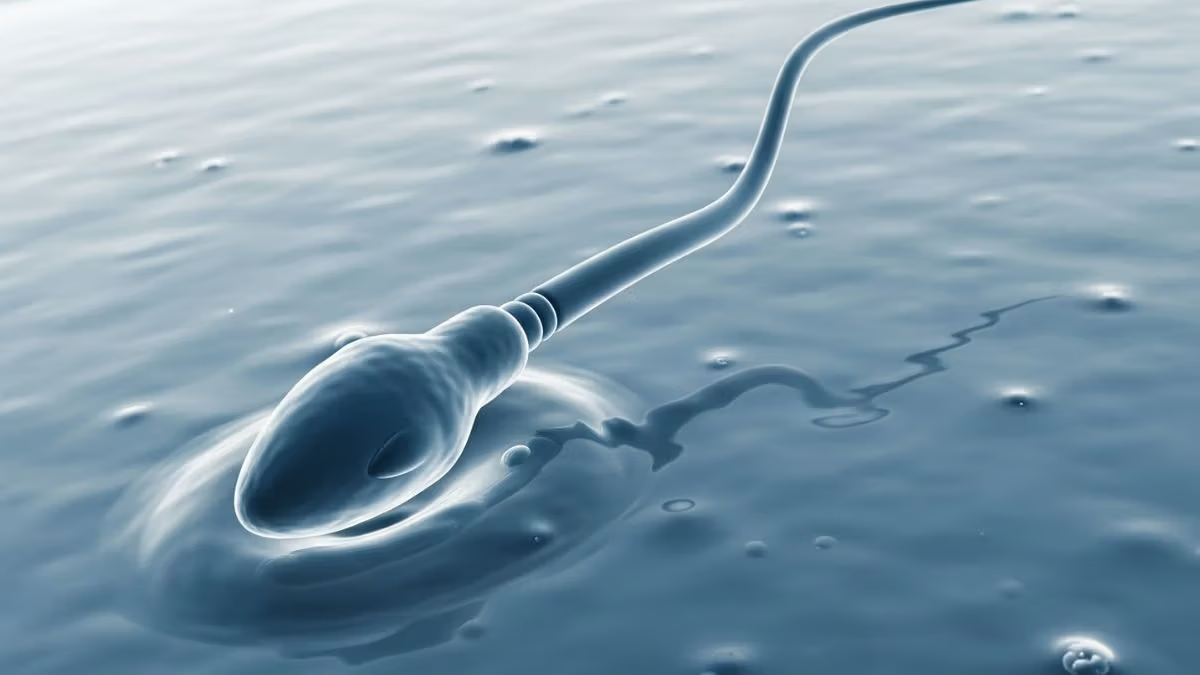
A recent study reveals that human sperm can defy Newton's third law of motion by utilizing non-reciprocal internal forces powered by 'odd elasticity,' enabling efficient movement through viscous environments and challenging traditional physics principles, with implications for biomedical engineering and fertility research.
Researchers from the University of Oxford and the University of Manchester have uncovered the mechanism behind the squirting cucumber's explosive seed dispersal using experiments, high-speed videography, and mathematical modeling. The study reveals that the plant's fruits become highly pressurized, redistributing fluid to the stem, which aids in the seeds' ballistic ejection. This unique dispersal strategy ensures optimal seed distribution and has potential applications in bio-inspired engineering, such as drug delivery systems.
Pilates can be an effective exercise regimen for alleviating knee pain, which affects about 25% of adults. Common causes of knee pain include osteoarthritis, injuries, and muscle imbalances. Pilates helps by strengthening the muscles supporting the knee, improving alignment, and enhancing flexibility. While not a cure-all, incorporating specific Pilates exercises can reduce knee pain by 20% to 30%. Experts recommend complementing these exercises with proper footwear, adequate protein intake, and maintaining an active lifestyle.