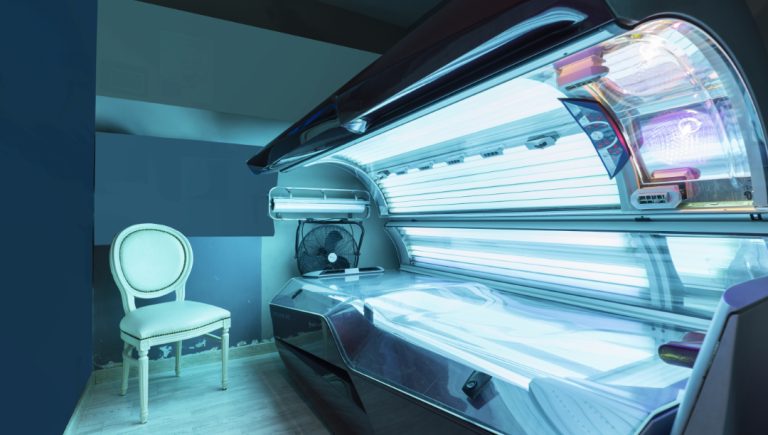
A study shows that tanning beds significantly increase the risk of melanoma and cause more skin mutations, especially in younger users, challenging the myth that tanning beds are safe.
A Tel Aviv University study reveals that melanoma cells release extracellular vesicles that disable immune cells, providing new insights that could lead to improved treatments for skin cancer.
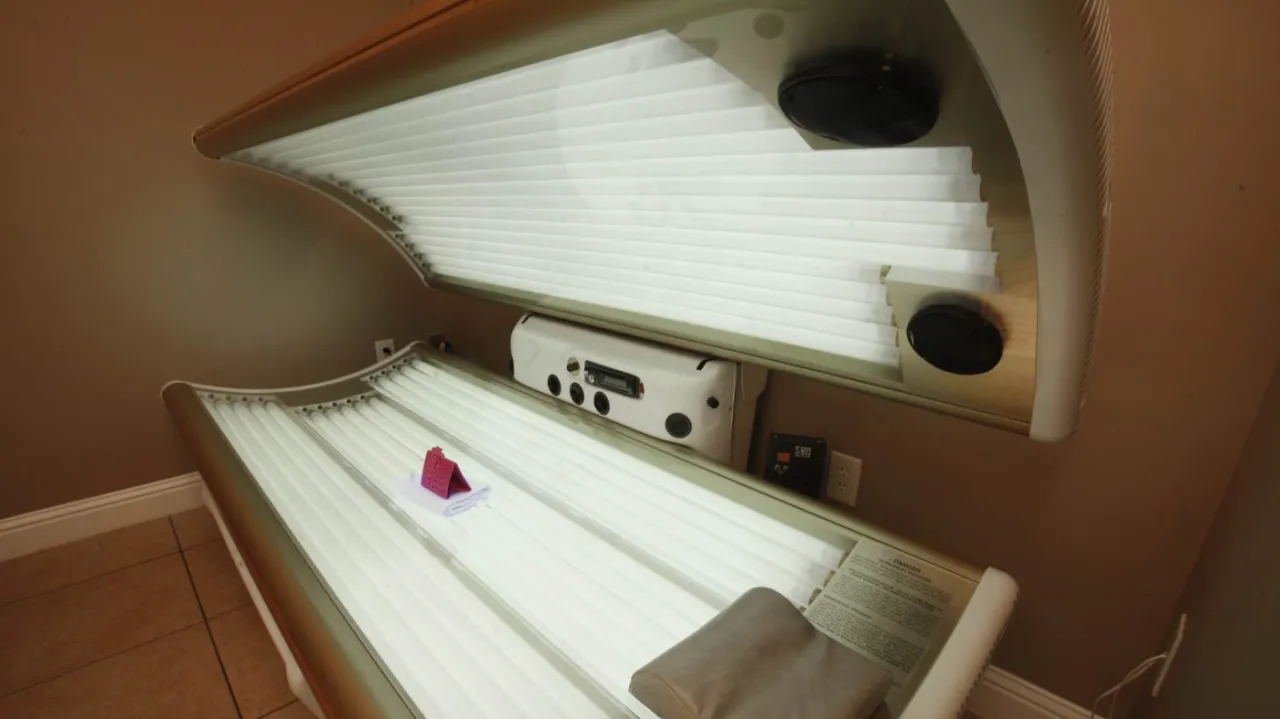
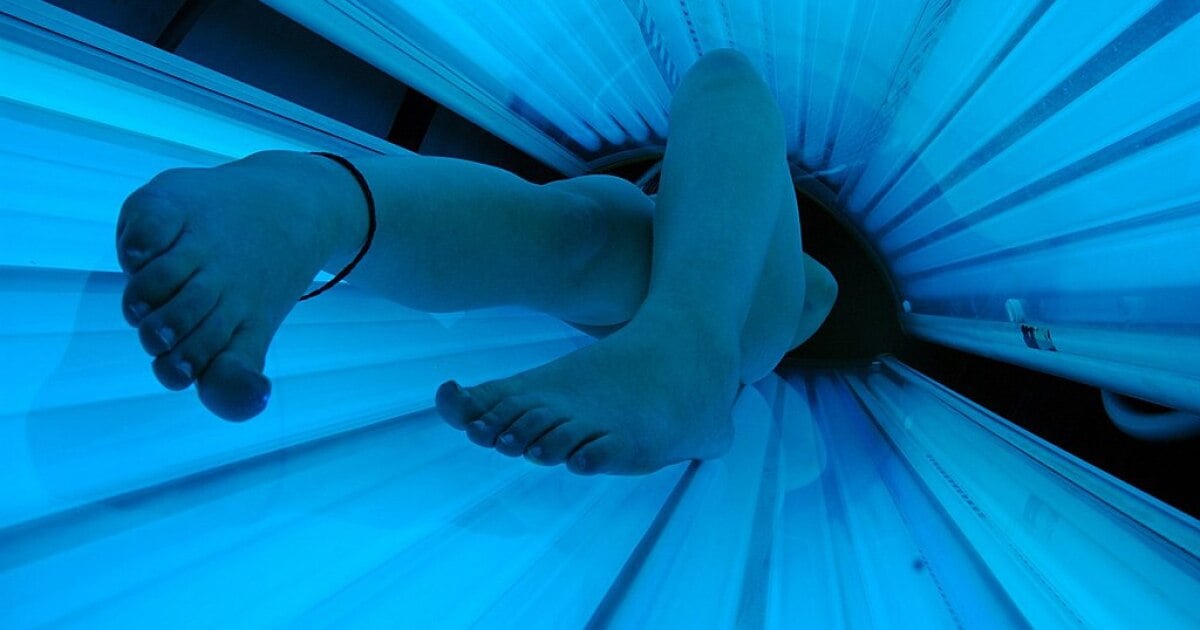
A new study finds that tanning beds cause DNA damage across nearly the entire skin surface, significantly increasing melanoma risk, with users showing almost twice as many mutations as non-users, prompting calls for stricter regulations and warnings.
A recent study shows that tanning beds cause widespread DNA mutations across nearly the entire skin surface, significantly increasing the risk of melanoma, with indoor tanners having nearly three times the risk compared to non-users. The research highlights the dangers of indoor tanning, especially among young people, and calls for stricter regulations similar to those for other carcinogens like tobacco.
A new study shows that tanning beds significantly increase melanoma risk, causing widespread DNA mutations across the skin, even in areas not exposed to sunlight, challenging industry claims of safety and highlighting the need for stricter regulations and public awareness.
Research suggests that gray hair in mice indicates a natural process of eliminating DNA-damaged cells, which may protect against cancer, though carcinogens can hijack this system to promote cell survival and potentially lead to melanoma; similar mechanisms may exist in humans, highlighting a complex relationship between aging, hair graying, and cancer risk.
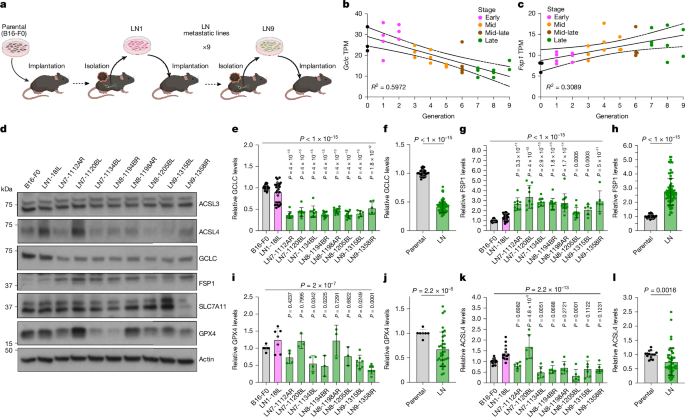
The study reveals that the lymph node microenvironment promotes resistance to ferroptosis in metastasizing melanoma by downregulating GSH synthesis and upregulating FSP1, which localizes to lysosomes and provides a GPX4-independent protective mechanism. Oxygen levels and epigenetic regulation influence GPX4 stability and ferroptosis sensitivity, suggesting potential therapeutic strategies targeting FSP1 and GSH synthesis in LN metastases.
Emerging research suggests that grey hair may be an outward sign of the body's protective response against cancer, with damaged melanocyte stem cells either undergoing differentiation and disappearing (causing grey hair) or bypassing this process and potentially leading to melanoma, highlighting a complex link between aging, cellular damage, and cancer risk.
A Japanese study suggests that gray hair may be a sign of the body's natural defense mechanism against skin cancer, specifically melanoma, by promoting the differentiation and loss of melanocyte stem cells in response to DNA damage, thereby reducing the risk of tumor development.
Research suggests that hair graying may be linked to a natural defense mechanism against cancer, with stem cells in hair follicles responding to DNA damage by either differentiating and causing graying or avoiding differentiation to prevent tumor formation, based on a mouse study. However, further research is needed to understand implications for humans.
A study suggests that the process of hair turning gray is linked to how pigment-producing stem cells respond to stress, with damaged cells either dying off or surviving and potentially turning into melanoma, highlighting a biological trade-off between aging and cancer risk.
New research suggests that graying hair may be a biological response to DNA damage that helps protect against melanoma, with stem cells either differentiating and leading to gray hair or avoiding differentiation and increasing tumor risk, highlighting a potential natural cancer defense mechanism.
A study from the University of Tokyo suggests that gray hair may serve as a natural defense mechanism against skin cancer, with the same skin stem cells either fading hair color or risking melanoma depending on the type of damage and microenvironmental signals, highlighting a complex balance between aging, protection, and disease risk.
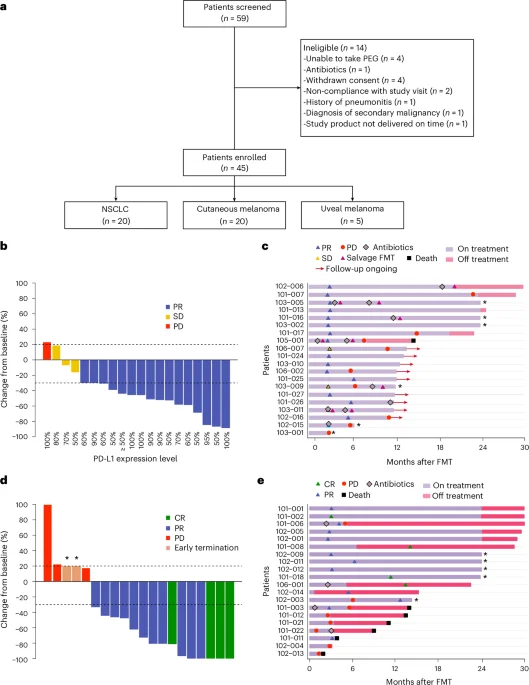
A study presented at the 2025 European Society for Medical Oncology Congress suggests that COVID-19 mRNA vaccines may enhance survival in patients with advanced lung and melanoma cancers by sensitizing tumors to immunotherapy, nearly doubling median survival times when administered within 100 days of starting immune checkpoint inhibitors.
Recent research suggests that having multiple tattoos may be associated with a reduced risk of melanoma, but due to study limitations and potential confounding factors, tattoos should not be considered a protective measure against skin cancer. The key prevention strategies remain sun protection and skin monitoring.