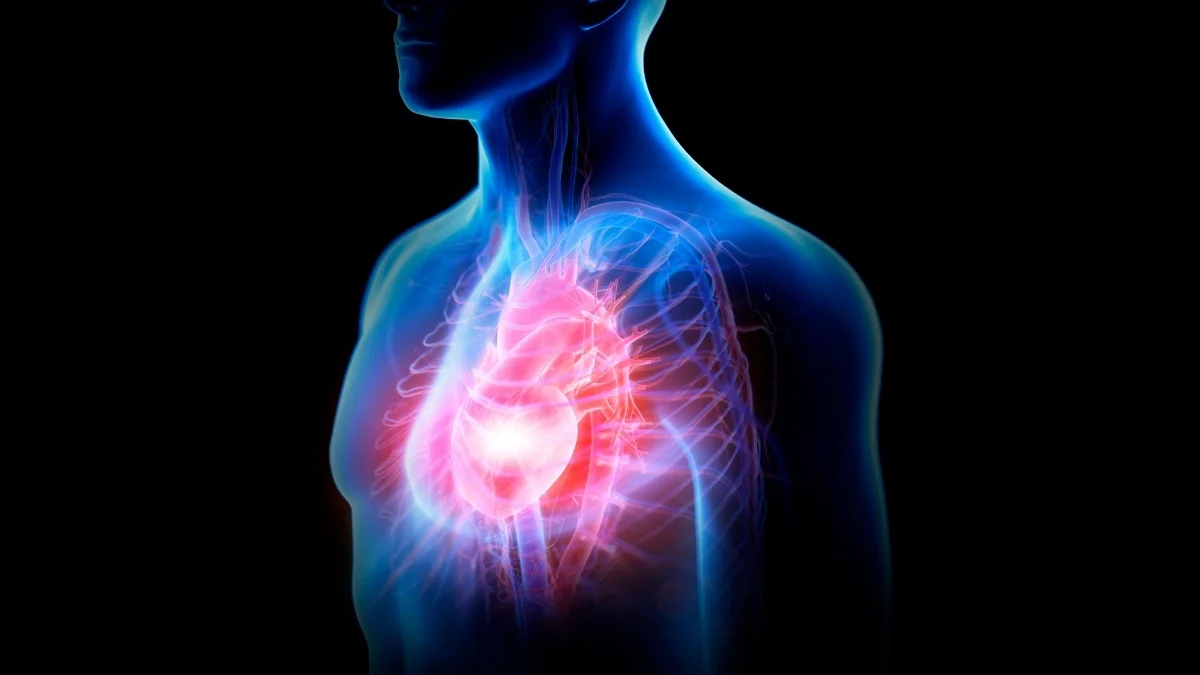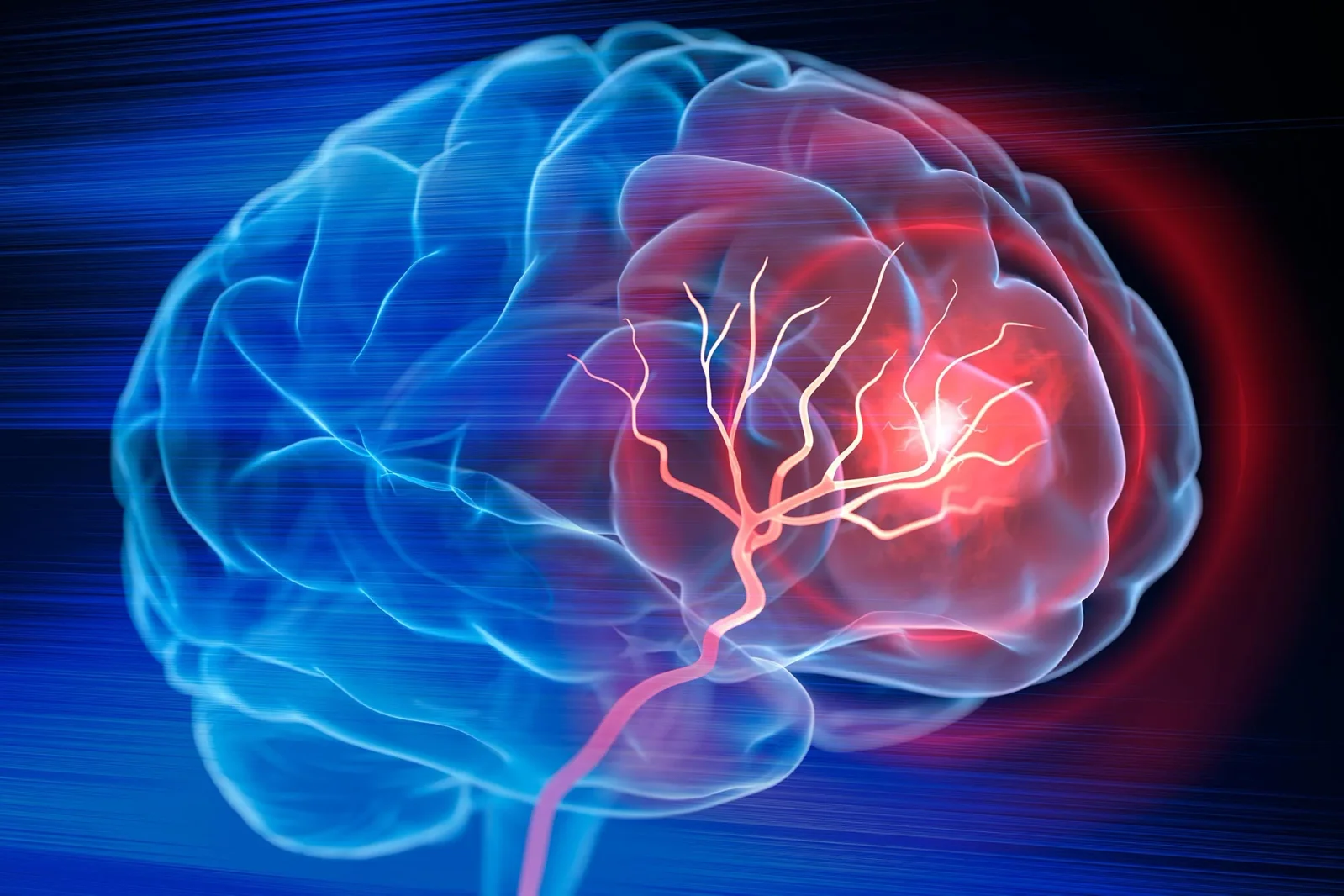
Scientists at Mount Sinai have discovered that reactivating the Cyclin A2 (CCNA2) gene in adult hearts can promote self-healing after injuries like heart attacks, potentially revolutionizing treatment by enabling natural heart regeneration and reducing reliance on transplants or mechanical devices.
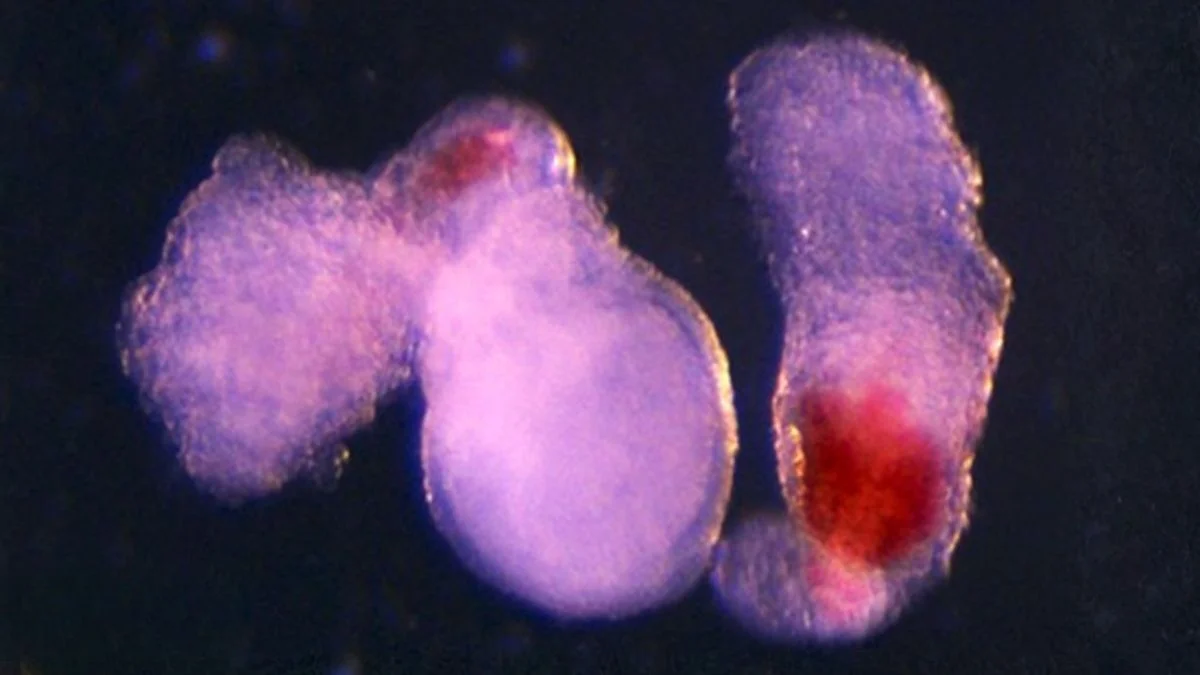
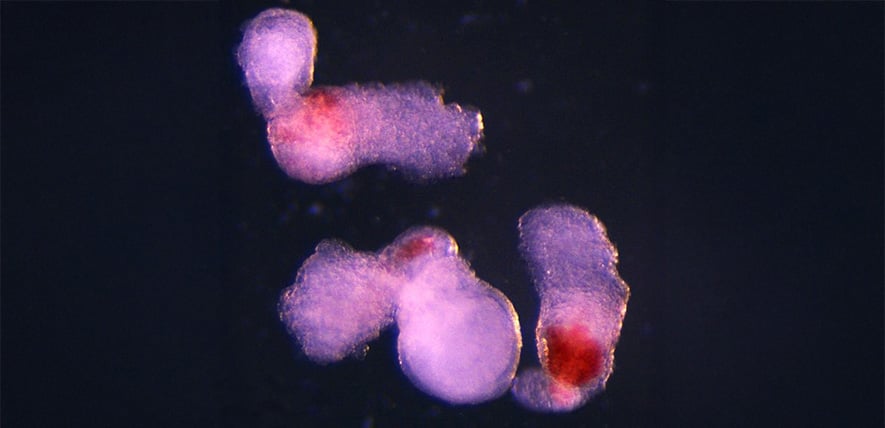
Researchers at the University of Cambridge have developed embryo-like structures called hematoids from donated human stem cells that can produce red and white blood cells in the lab, potentially supplementing blood donations and advancing treatments for blood disorders. These structures mimic early human blood development and are more self-sustaining than previous methods, marking a significant step toward regenerative therapies.
Researchers at the University of Cambridge have developed a lab-created embryo-like structure called 'hematoids' that can produce human blood cells, mimicking early embryonic blood development, with potential applications in understanding blood disorders and regenerative therapies.
Scientists have created embryo-like structures from stem cells in the lab that can produce human blood cells, opening new avenues for regenerative medicine and understanding early human development, with potential applications in treating blood disorders and customizing therapies using a patient's own cells.
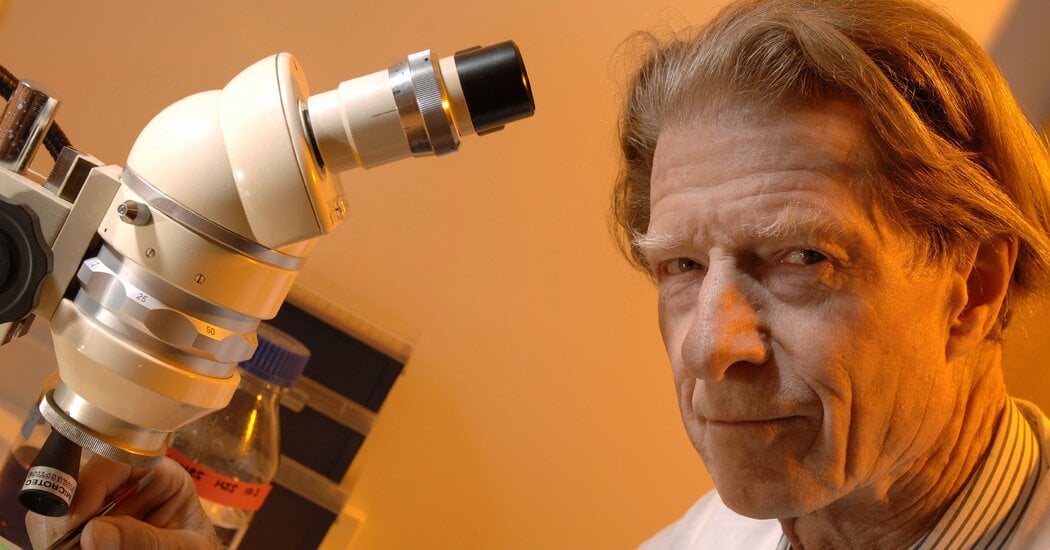
John B. Gurdon, a Nobel laureate whose pioneering work in cell manipulation led to the first cloning of a mammal, Dolly the sheep, and laid the groundwork for stem cell and regenerative medicine, died at age 92.
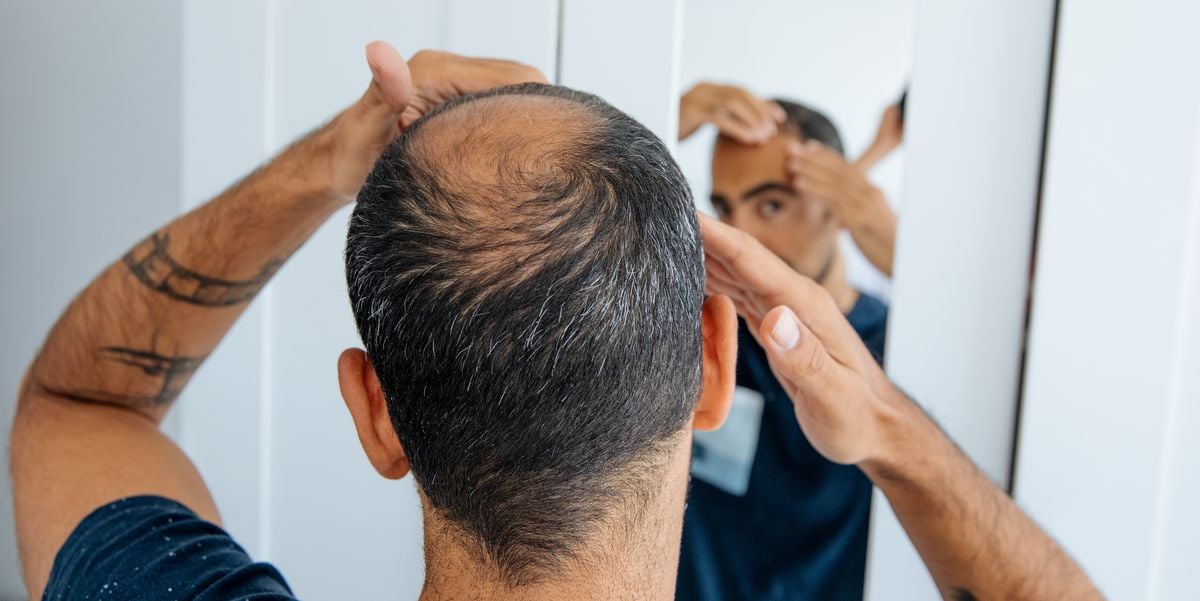
Scientists have developed a new drug, PP405, that reactivates dormant hair follicles by increasing lactate levels, showing promise as a potential cure for baldness. The drug has passed safety trials and is set to undergo effectiveness testing next year, offering a different approach from current treatments by actively promoting hair growth rather than just slowing loss.
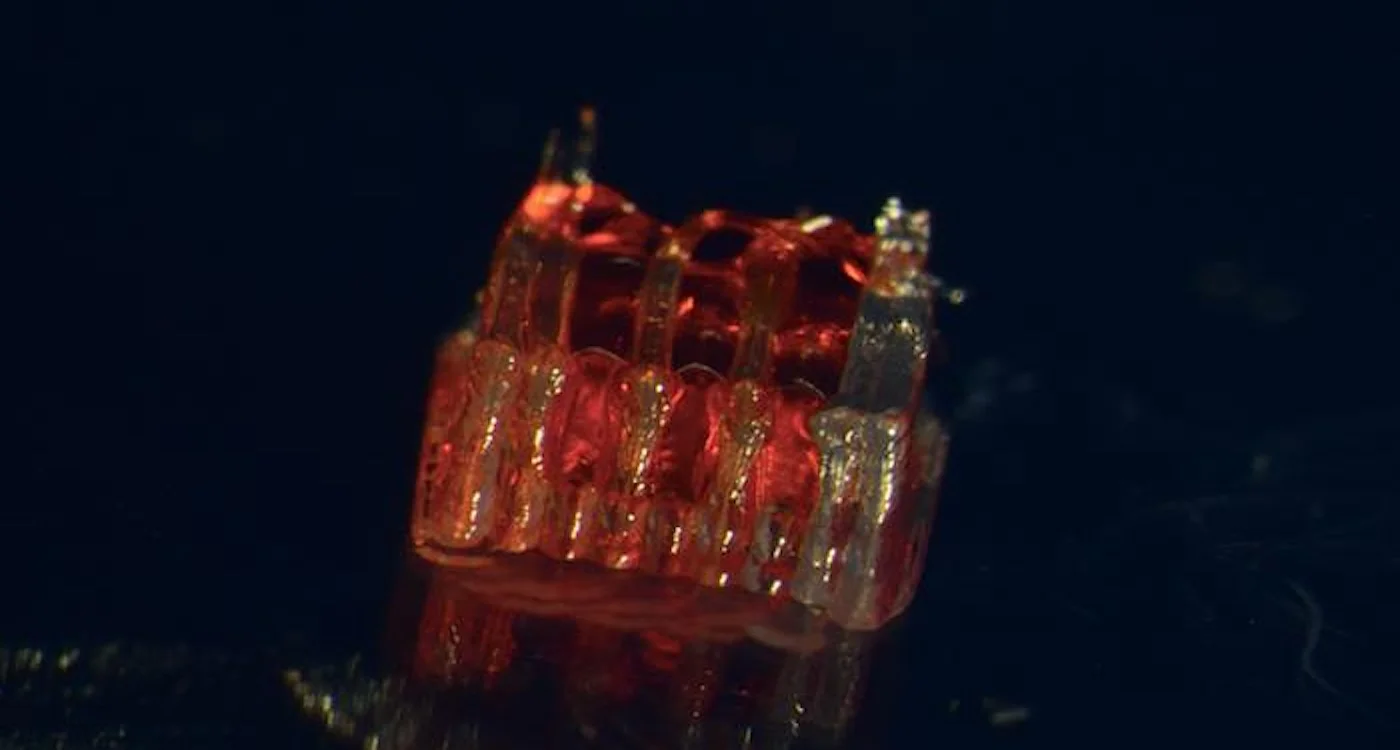
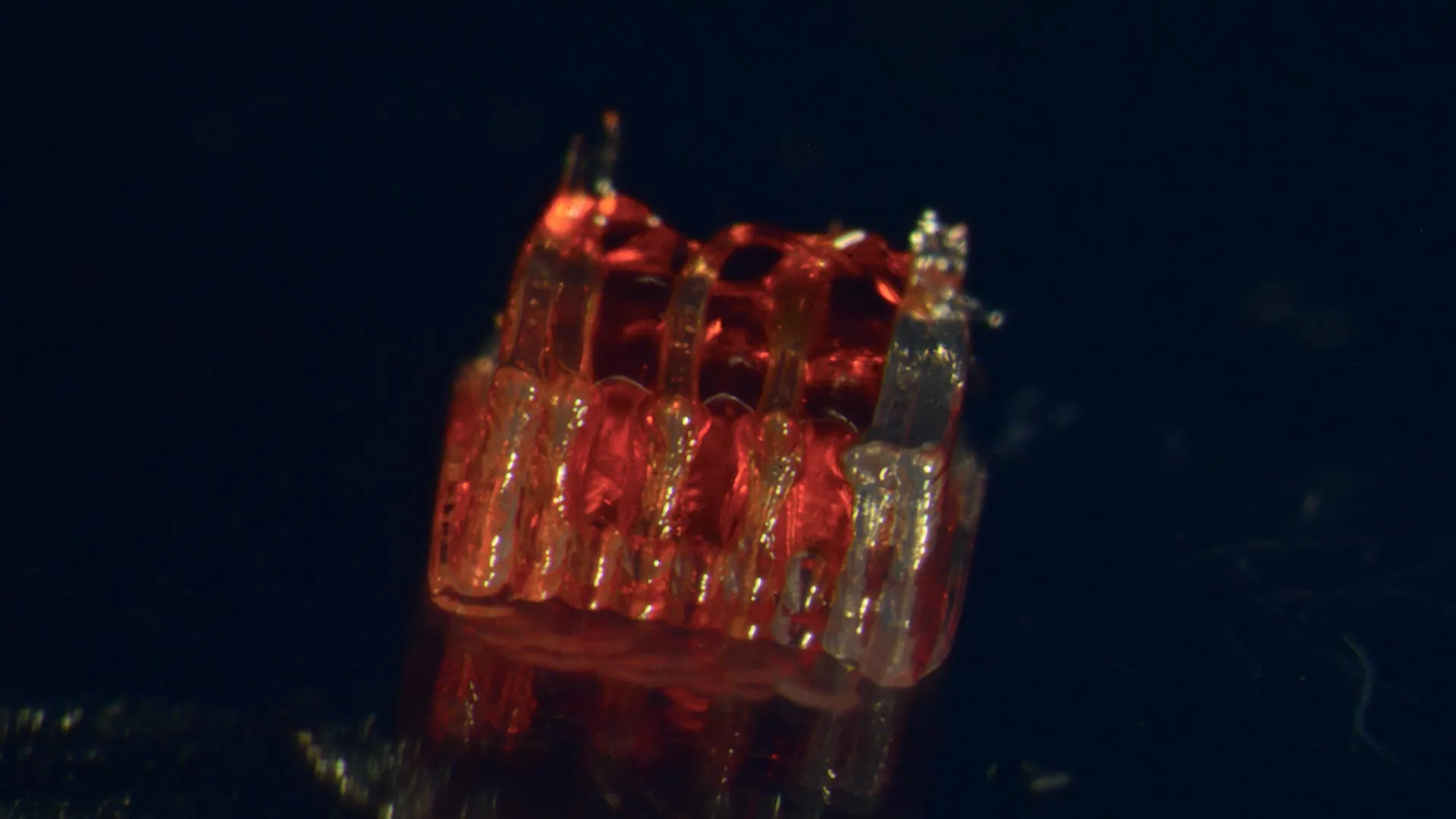
Researchers at the University of Minnesota have developed a 3D-printed scaffold populated with stem cells that successfully regrows nerve fibers and restores function in rats with severed spinal cords, offering promising potential for future spinal injury treatments.
Researchers at the University of Minnesota have developed a groundbreaking method using 3D-printed scaffolds and stem cells to repair spinal cord injuries in rats, leading to nerve regeneration and functional recovery, offering hope for future clinical applications.
An Israeli hospital, in collaboration with Tel Aviv University, has developed a lab-grown kidney organoid that survived for over 34 weeks, marking a significant advancement in regenerative medicine and offering potential for modeling kidney disease and repairing injured kidneys, though clinical application will require more research.
Israel is preparing to perform the world's first human spinal cord transplant using a patient's own cells, a groundbreaking procedure that could enable paralyzed individuals to walk again, marking a significant milestone in regenerative medicine based on successful animal studies and recent approvals for clinical trials.
Kim Kardashian credits stem cell treatments received in Mexico with curing her torn shoulder and chronic back pain, highlighting the benefits of regenerative medicine after trying various options in the US failed to provide relief.
Scientists discovered that support cells called telocytes in the gut use neuron-like extensions to deliver signals directly to stem cells, challenging previous assumptions and opening new avenues for treating gut diseases and improving regenerative therapies.
Scientists have discovered that wisdom teeth contain unique stem cells in their dental pulp that can potentially be used to regenerate bone, heart tissue, and neurons, offering promising avenues for regenerative medicine. These cells are easily accessible and pose fewer ethical concerns compared to other stem cell sources, making wisdom teeth a valuable resource for future medical treatments. However, further research is needed to fully understand and develop these applications.
Researchers have discovered that wisdom teeth contain valuable stem cells in their pulp, which can be used to treat various diseases such as Parkinson's, Alzheimer's, and heart failure. These cells are easy to harvest during routine extraction, pose minimal ethical concerns, and could revolutionize personalized regenerative therapies, making dental stem cell banking a promising medical resource.
Scientists have identified a key molecule, retinoic acid, involved in axolotl limb regeneration, which could lead to advances in human regenerative medicine, including scar-free healing and limb regrowth. The research suggests that understanding and manipulating cellular responses to these signals in humans might one day enable us to grow back limbs or repair tissues more effectively.