Paleontologists have found evidence suggesting that injuries on hadrosaur tails are linked to mating behavior, potentially allowing scientists to distinguish male from female dinosaurs and advancing understanding of dinosaur sexual dimorphism.
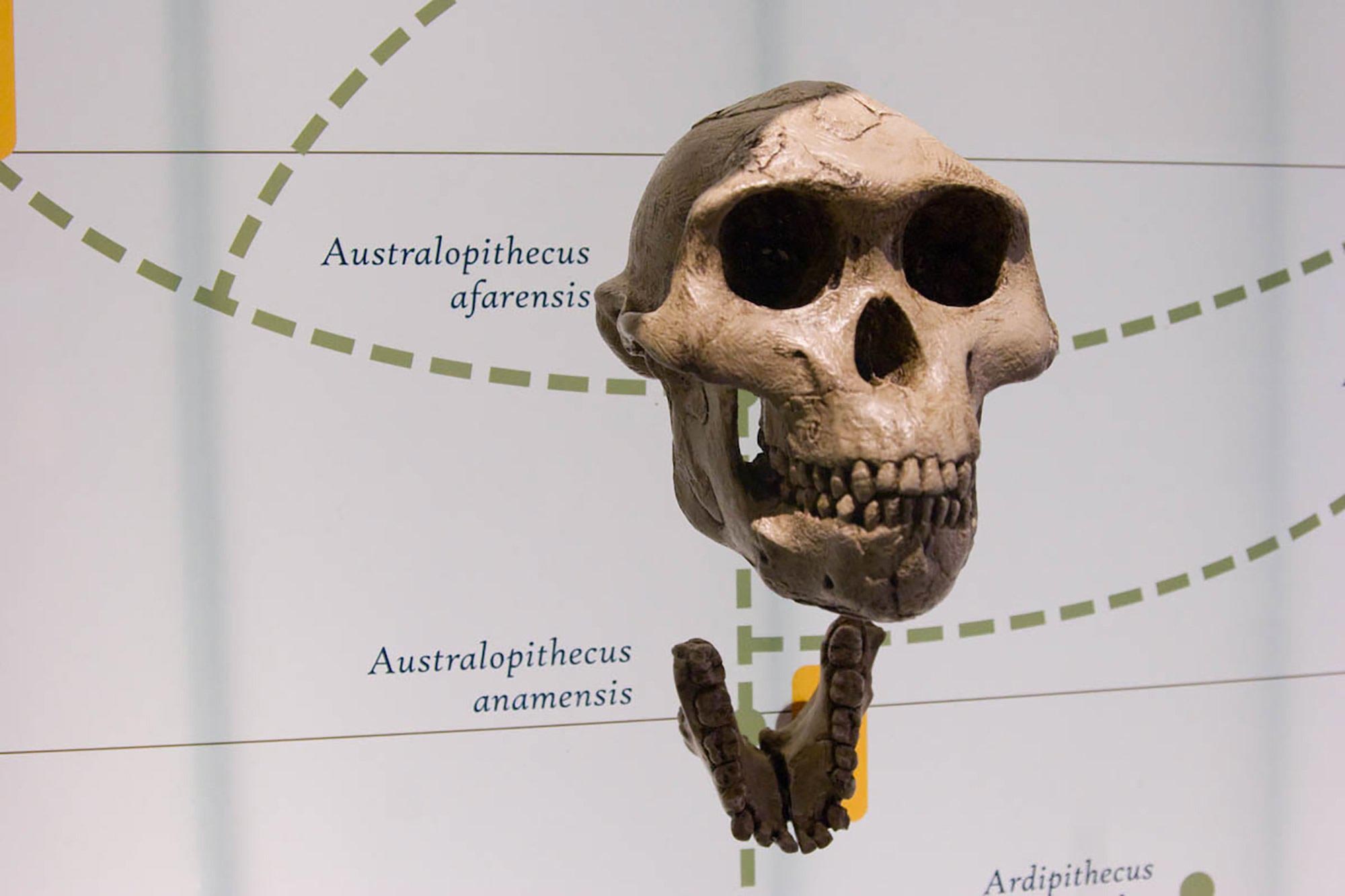
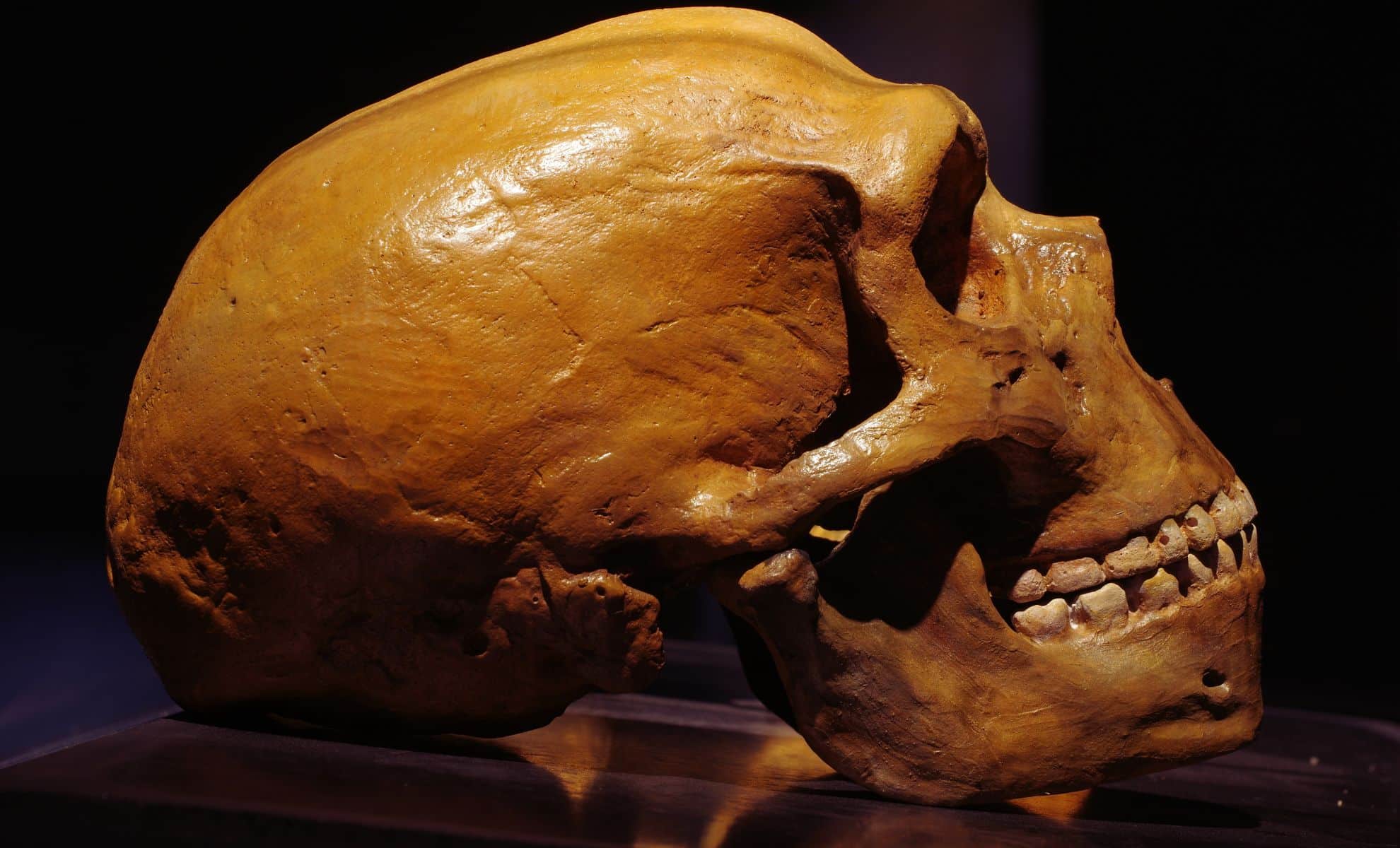
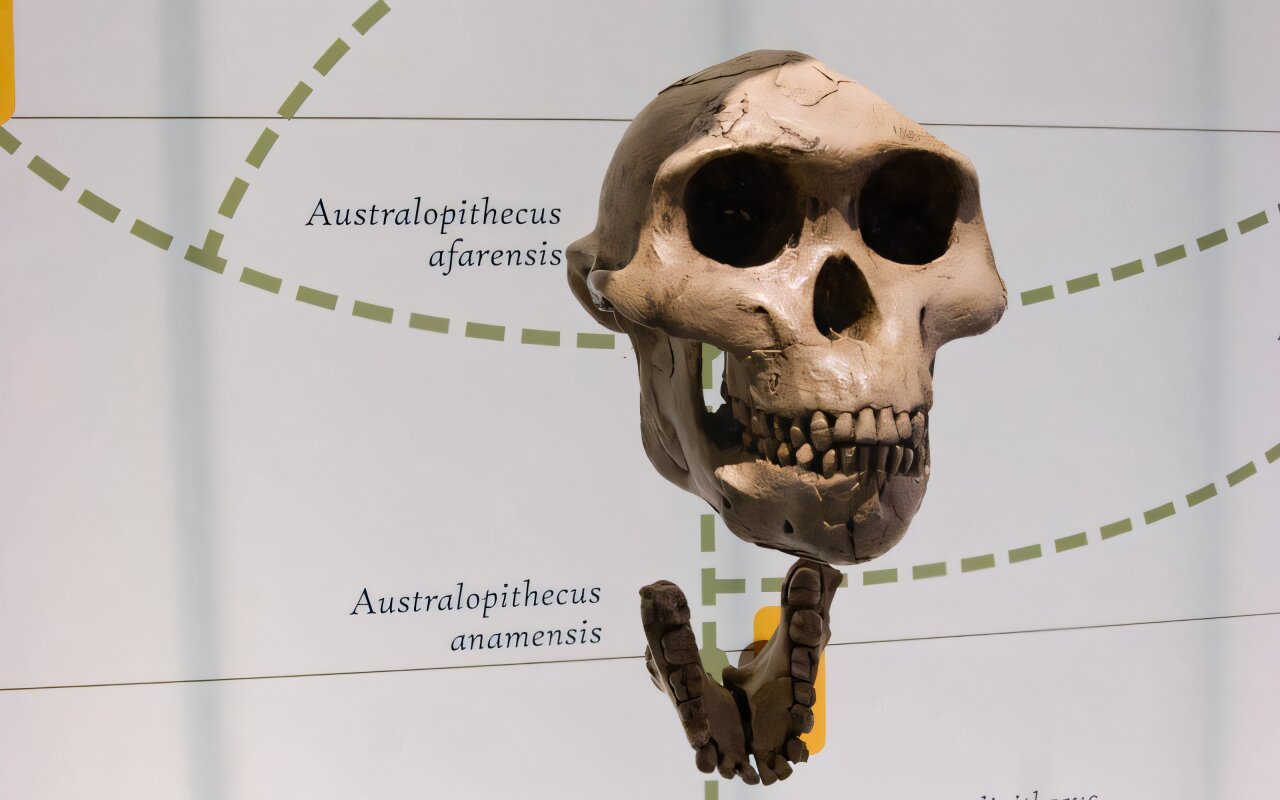
A new study reveals that early human ancestors like Australopithecus afarensis and A. africanus exhibited significant sexual size differences, suggesting they lived in competitive, hierarchical societies more akin to gorillas than modern humans, challenging previous views on their social behavior.
New research reveals that early human ancestors like Australopithecus afarensis and A. africanus exhibited extreme sexual size differences, suggesting intense male competition and complex social dynamics, challenging previous assumptions about their social organization and evolution.
Research by Adam D. Gordon reveals that some of our earliest ancestors, Australopithecus afarensis and A. africanus, exhibited significant size differences between males and females, suggesting intense male competition and diverse social structures in early hominin evolution.
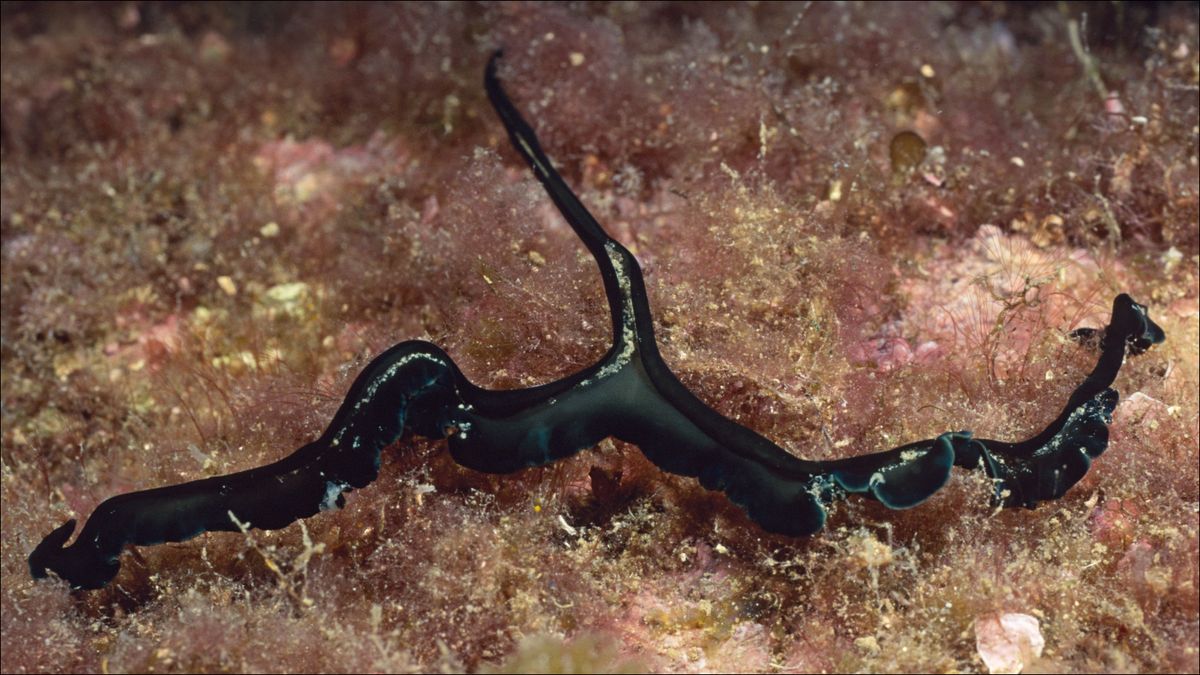
The green spoonworm (Bonellia viridis) is a fascinating marine creature found in the northeast Atlantic, known for its unique reproductive strategy and bright green color due to the toxic pigment bonellin. Female spoonworms use their long, spoon-shaped proboscis to feed on organic matter, while males, which are microscopic, live parasitically within the females, serving solely to fertilize eggs. Bonellin not only deters predators but also has potential antibiotic properties, highlighting the importance of studying marine biodiversity for potential benefits.
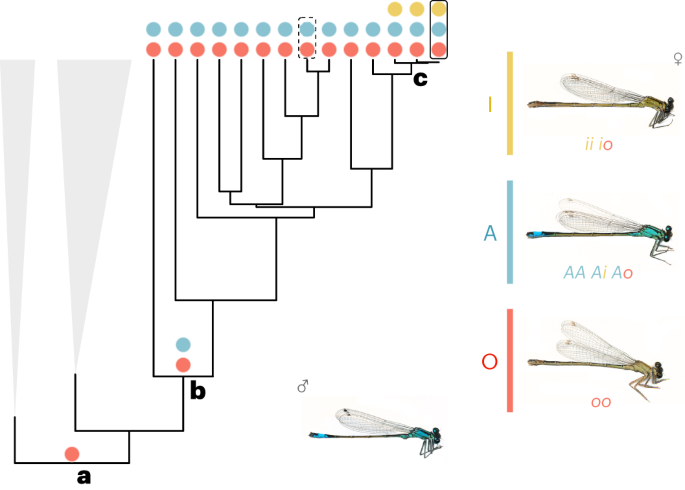
Researchers have identified the genomic regions responsible for the evolution of inter-sexual mimicry and female-limited polymorphisms in damselflies. Using a combination of reference-based and reference-free genome-wide association studies, they discovered two novel regions associated with male-mimicking females. These regions are likely the result of transposable element activity and are shared by male mimics in a related damselfly species, suggesting a trans-species polymorphism. The researchers also found that the evolution of a third female morph involved an ectopic recombination event. This study provides insights into the genetic basis of sexual dimorphism and the evolution of complex phenotypes.
Researchers have decoded the genetic pathways that lead to sex-linked differences in mammals, including both visible and internal organs. The study found that most differences in gene expression between male and female organs develop only during puberty, triggered by female or male hormones. The level of sex-linked differentiation varied between different organs, but the cell types responsible were the same across all mammal species. Understanding these genetic mechanisms is crucial for medical research, as it can help explain why certain diseases of the liver and kidneys are more common in males than females. The study highlights the need for closer attention to sex in biomedical science.