Reversing Anxiety in Mice by Repairing a Brain Circuit
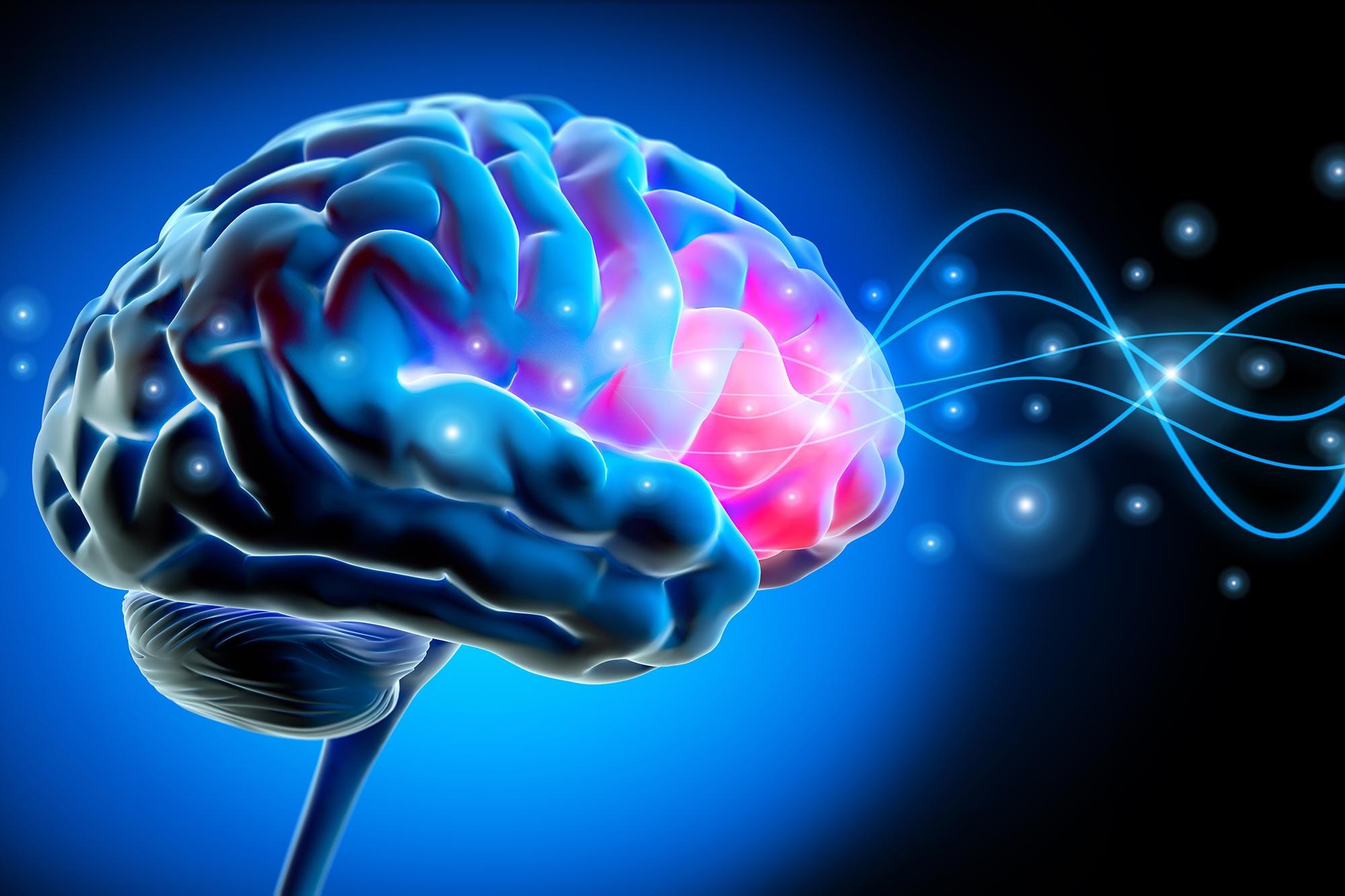
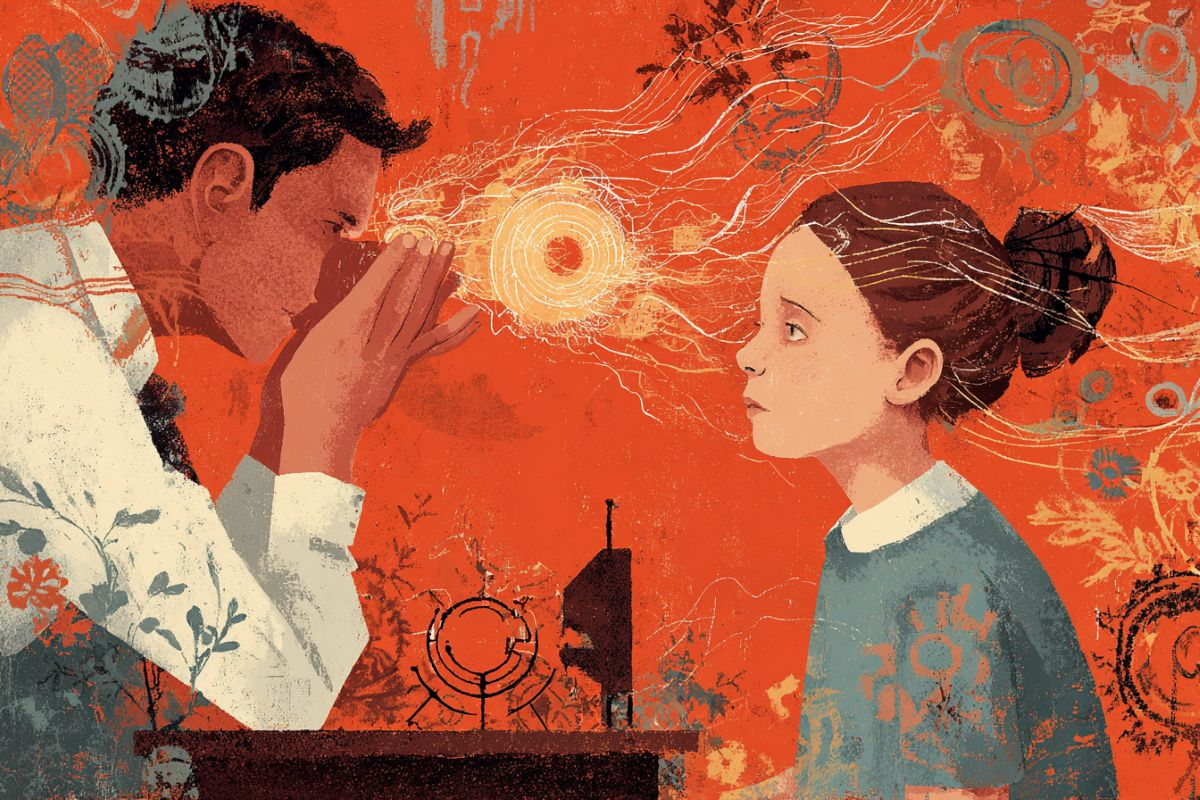
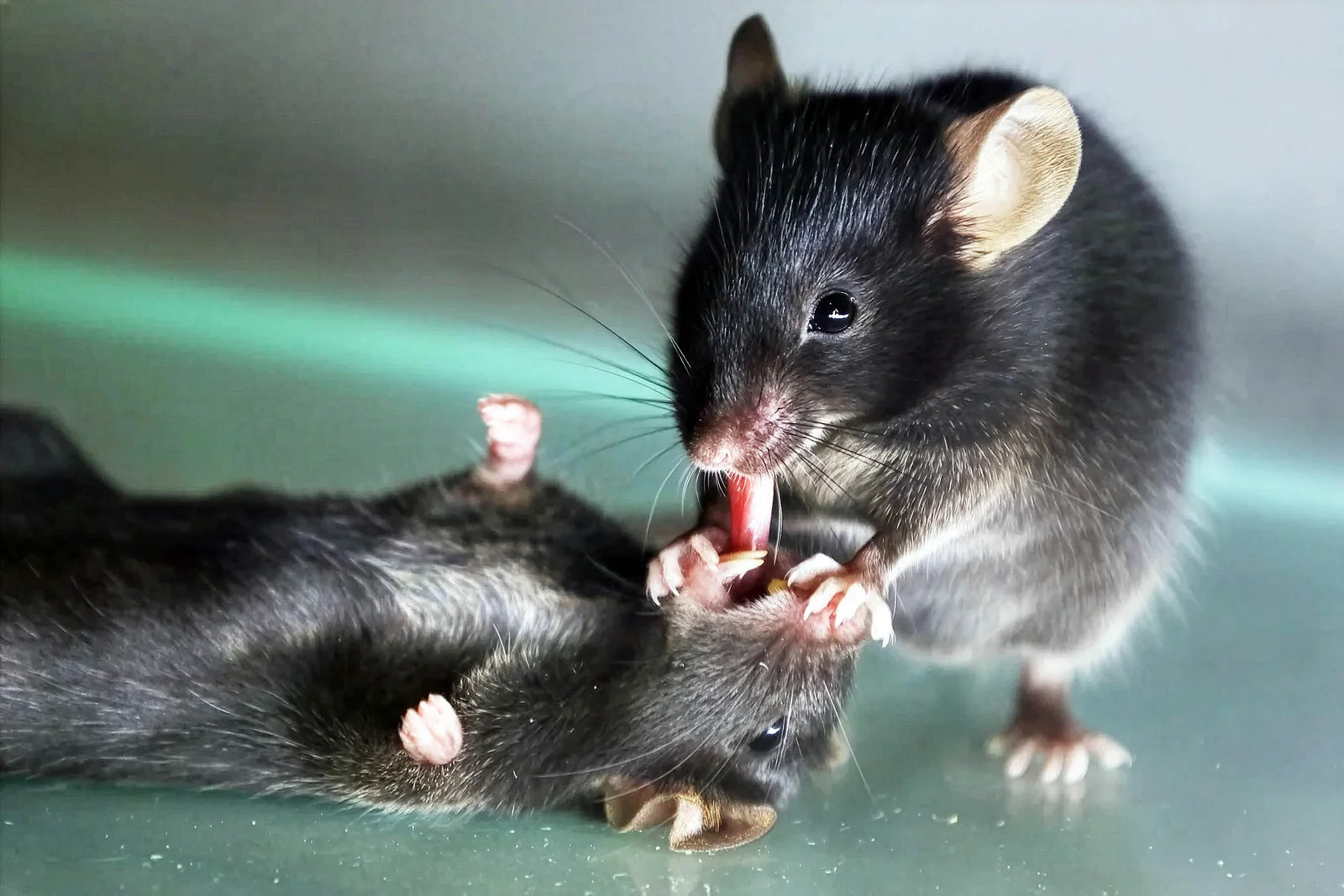
Researchers discovered that rebalancing activity in a specific amygdala circuit in mice can reverse anxiety and social withdrawal, highlighting a potential target for mental health treatments.
All articles tagged with #social behavior

Researchers discovered that rebalancing activity in a specific amygdala circuit in mice can reverse anxiety and social withdrawal, highlighting a potential target for mental health treatments.

Robin Abrahams discusses managing noisy children during performances and social gatherings, emphasizing the importance of appropriate seating, communication with theater staff, and understanding social norms across different age groups to foster respectful and enjoyable experiences for all.

Bernard Mandeville's work explores how pride and shame drive human behavior and social cohesion, revealing that virtues like politeness and chastity are artificial passions rooted in self-love and the desire for recognition, which ultimately contribute to societal welfare through private vices.

Since 2020, many aspects of life such as prices, social decency, public behavior, and the job market have changed significantly, with people feeling that time, social interactions, and everyday experiences have been altered or worsened post-pandemic.

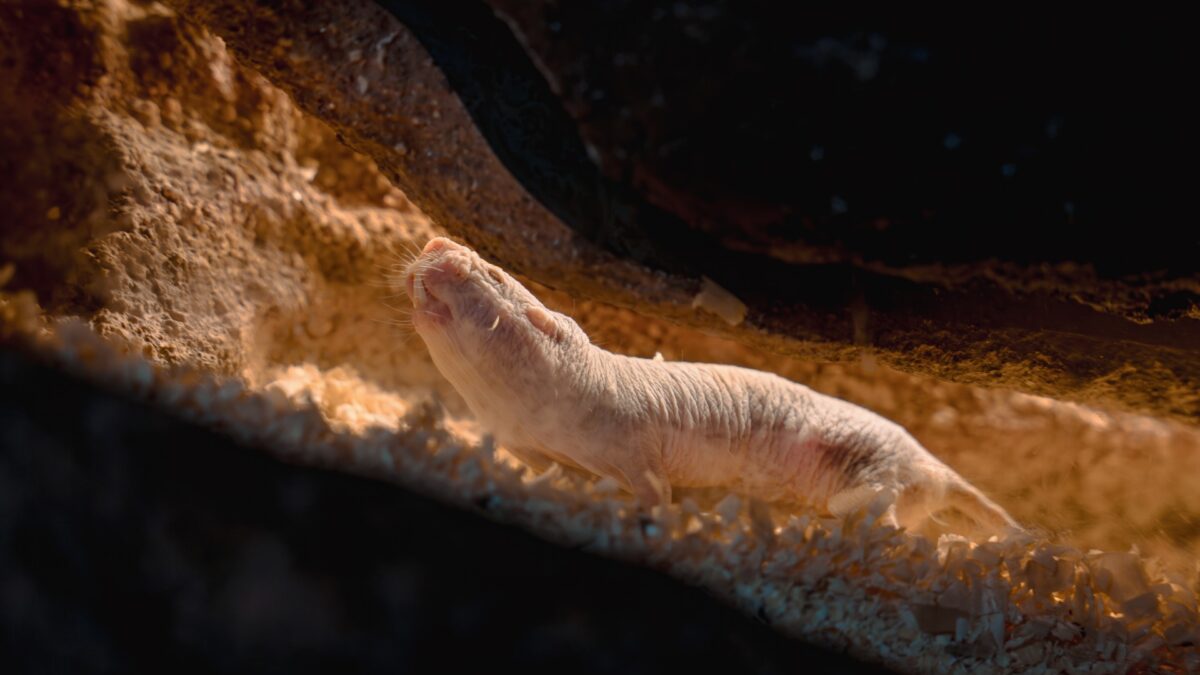
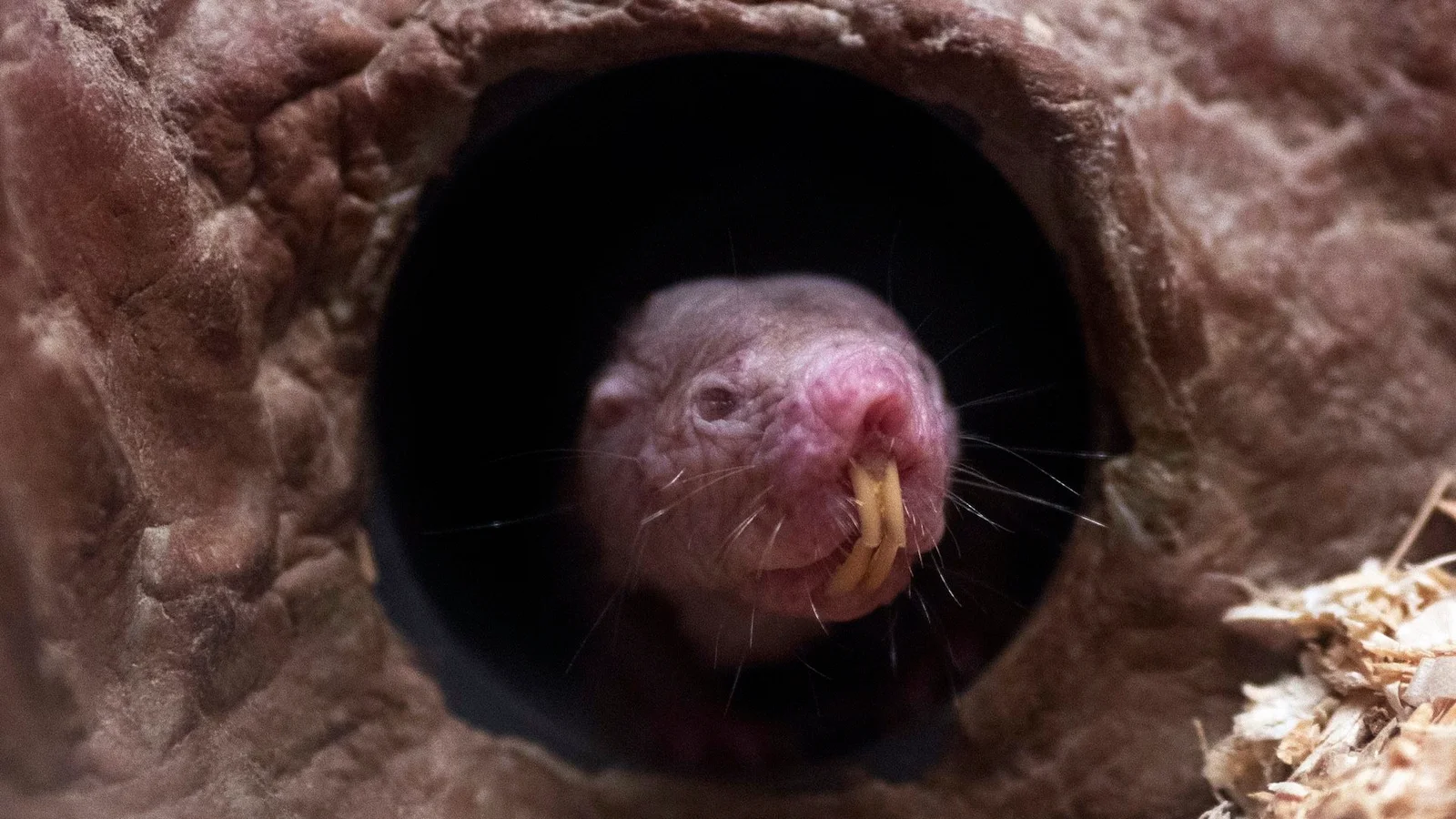
A study using RFID tracking reveals that naked mole-rats have specific roles within their colonies, such as cleaning toilets and transporting waste, with most individuals sticking to their roles for at least 30 days, highlighting their complex eusocial structure.
A study reveals that naked mole rats have complex social roles, including specific tasks like toilet cleaning and garbage collection, indicating a more intricate social structure than previously understood.
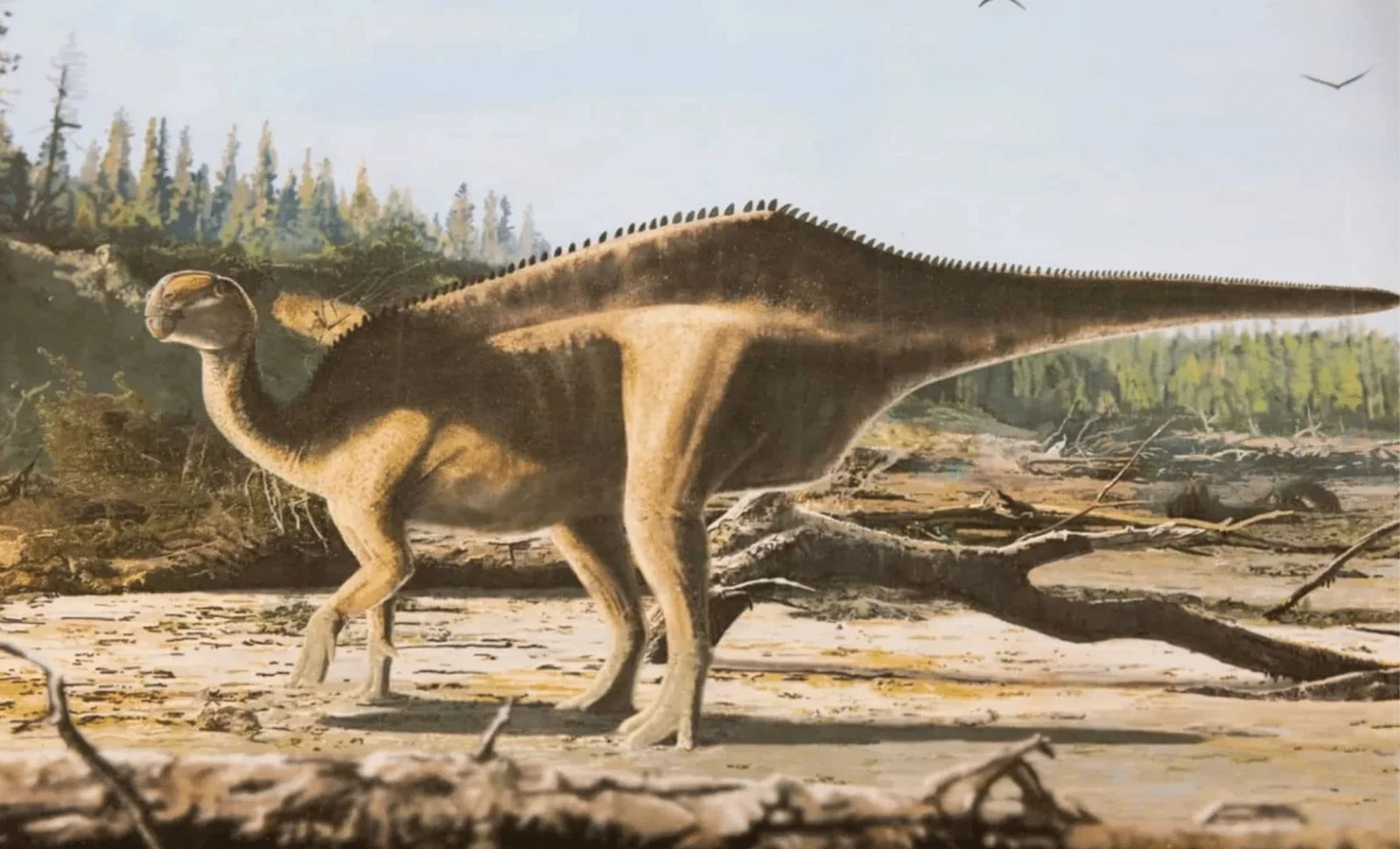
Scientists in England have discovered a new dinosaur species, Istiorachis macarthurae, characterized by a sail-like structure along its back and tail, which likely served as a visual display for social interactions such as mating or dominance, shedding light on the social behaviors and evolutionary pressures of herbivorous dinosaurs.

A study uncovers how a mutation in the autism-linked Shank3 gene disrupts vasopressin release in the brain, impairing social behaviors in mice. It reveals that vasopressin acts through two receptors, AVPR1a and AVPR1b, controlling sociability and aggression respectively, and that targeting these receptors could lead to personalized autism therapies.,

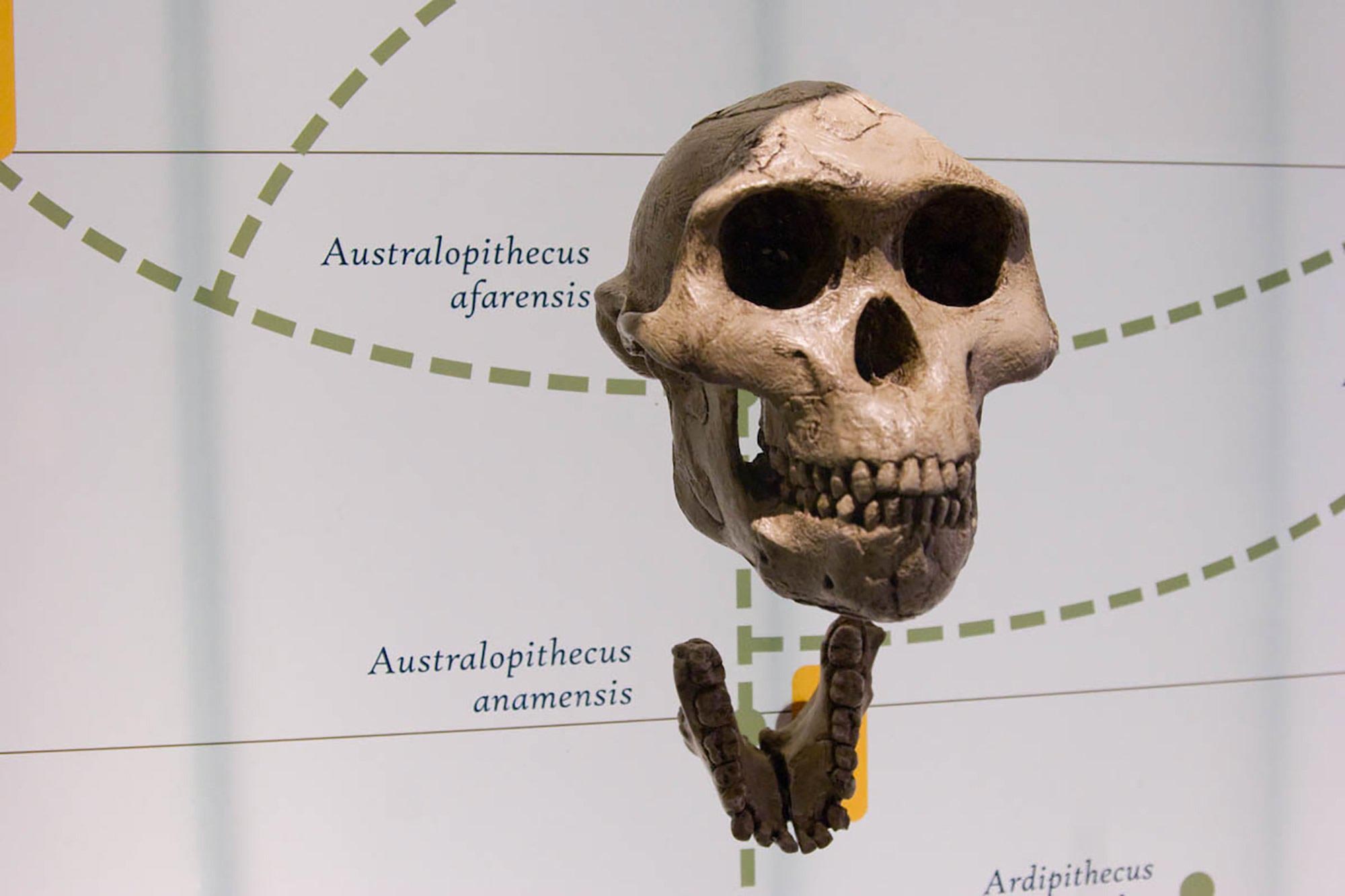
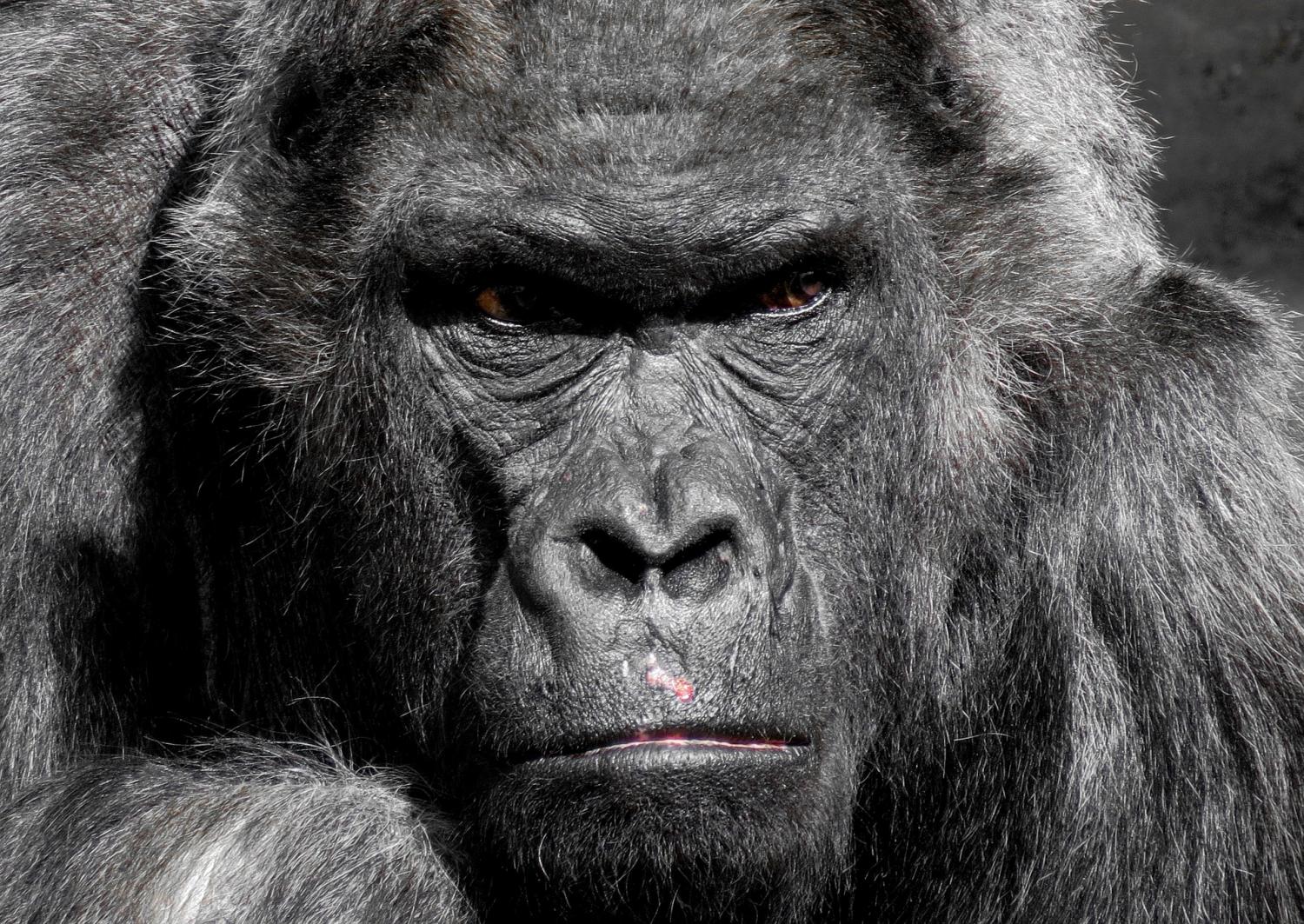
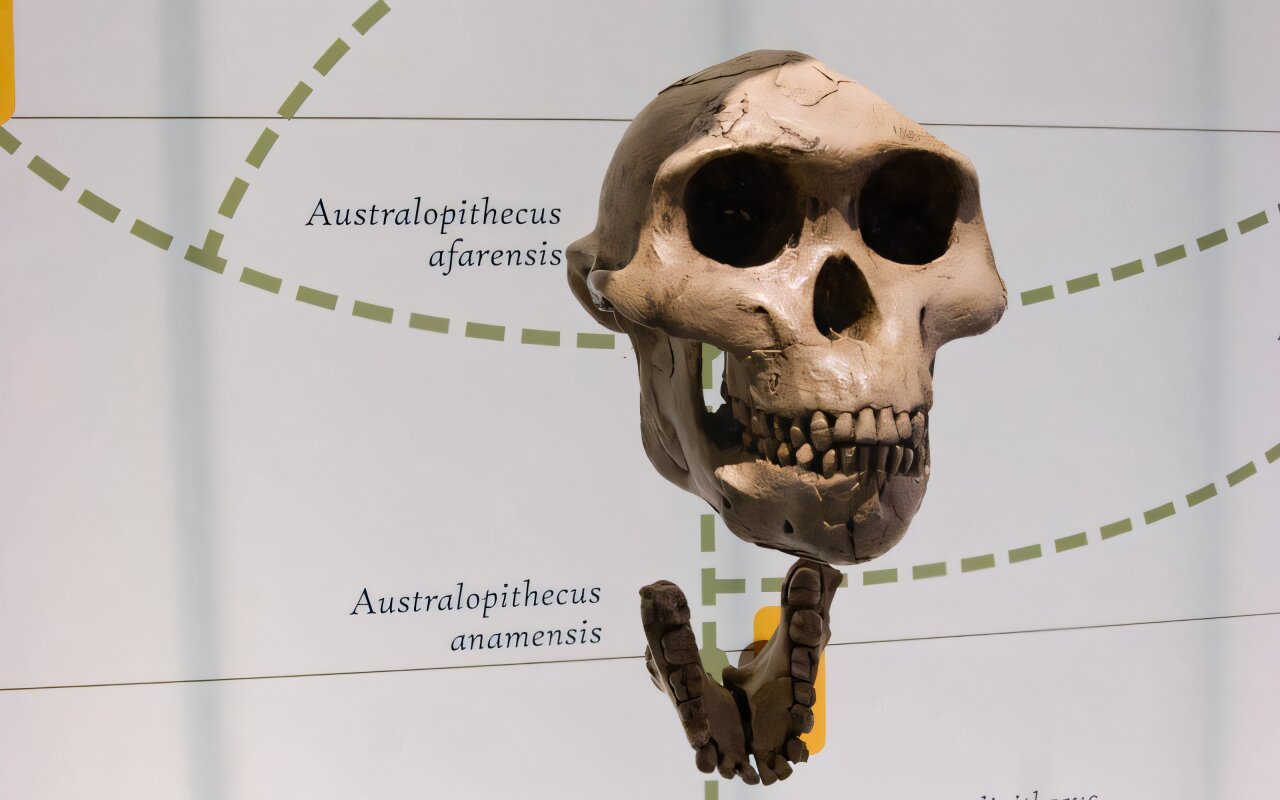
A new study reveals that early human ancestors like Australopithecus afarensis and A. africanus exhibited significant sexual size differences, suggesting they lived in competitive, hierarchical societies more akin to gorillas than modern humans, challenging previous views on their social behavior.

The article explores how studying great apes like chimpanzees and bonobos provides valuable insights into human evolution, social structures, communication, and problem-solving, highlighting our shared traits and behaviors.

Recent research reveals that psychopathic traits, present even at subclinical levels in the general population, influence various aspects of behavior and biology, including emotional processing, social interactions, hormonal levels, and political preferences, highlighting the complex and multifaceted nature of psychopathy.

Octopuses are generally solitary but can form groups called a consortium, especially in shared habitats like the underwater city Octlantis off Australia, showcasing complex social behaviors. The term 'octopus' derives from Greek, meaning 'eight foot,' and while 'octopi' is commonly used, 'octopuses' is the correct plural in English.

Research by Adam D. Gordon reveals that some of our earliest ancestors, Australopithecus afarensis and A. africanus, exhibited significant size differences between males and females, suggesting intense male competition and diverse social structures in early hominin evolution.

The article discusses the 'Gen Z stare,' an emotionless look some young people give during interactions, and explores its possible causes, perceptions, and how it fits into broader generational stereotypes, highlighting that it may be linked to social media habits and pandemic-induced social awkwardness.

Artificial intelligence chatbots like ChatGPT are transforming social norms, manners, and self-perception, raising concerns about biases, emotional impacts, and societal shifts, while experts emphasize the need for careful integration and ethical considerations.