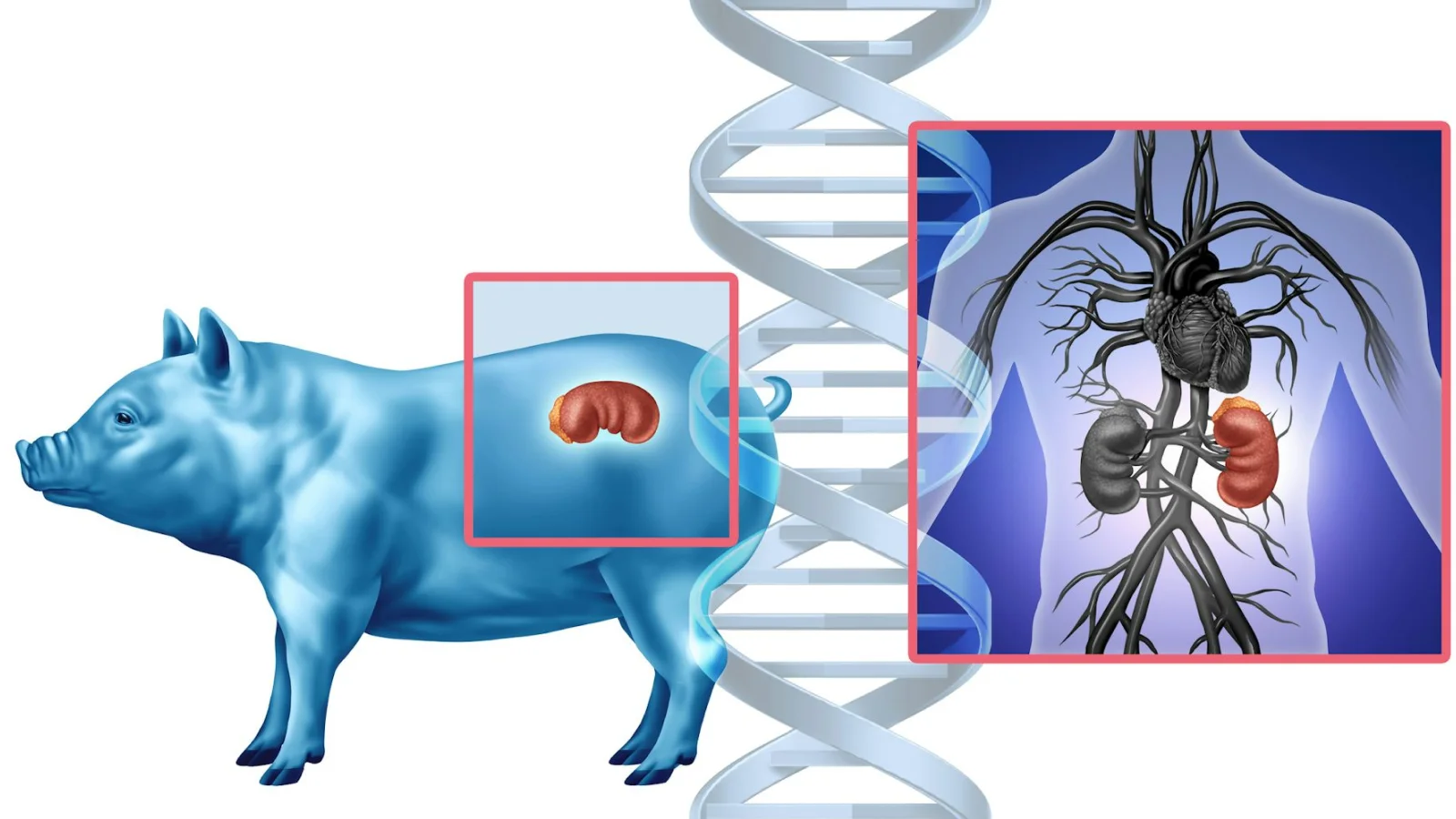
Scientists are making progress in transplanting genetically modified pig kidneys into humans to address organ shortages, despite ethical debates about creating human-like animals and the risks involved. The article discusses the scientific advancements, ethical concerns about animal welfare and moral status, and the regulatory history surrounding the use of animal organs and chimeras.
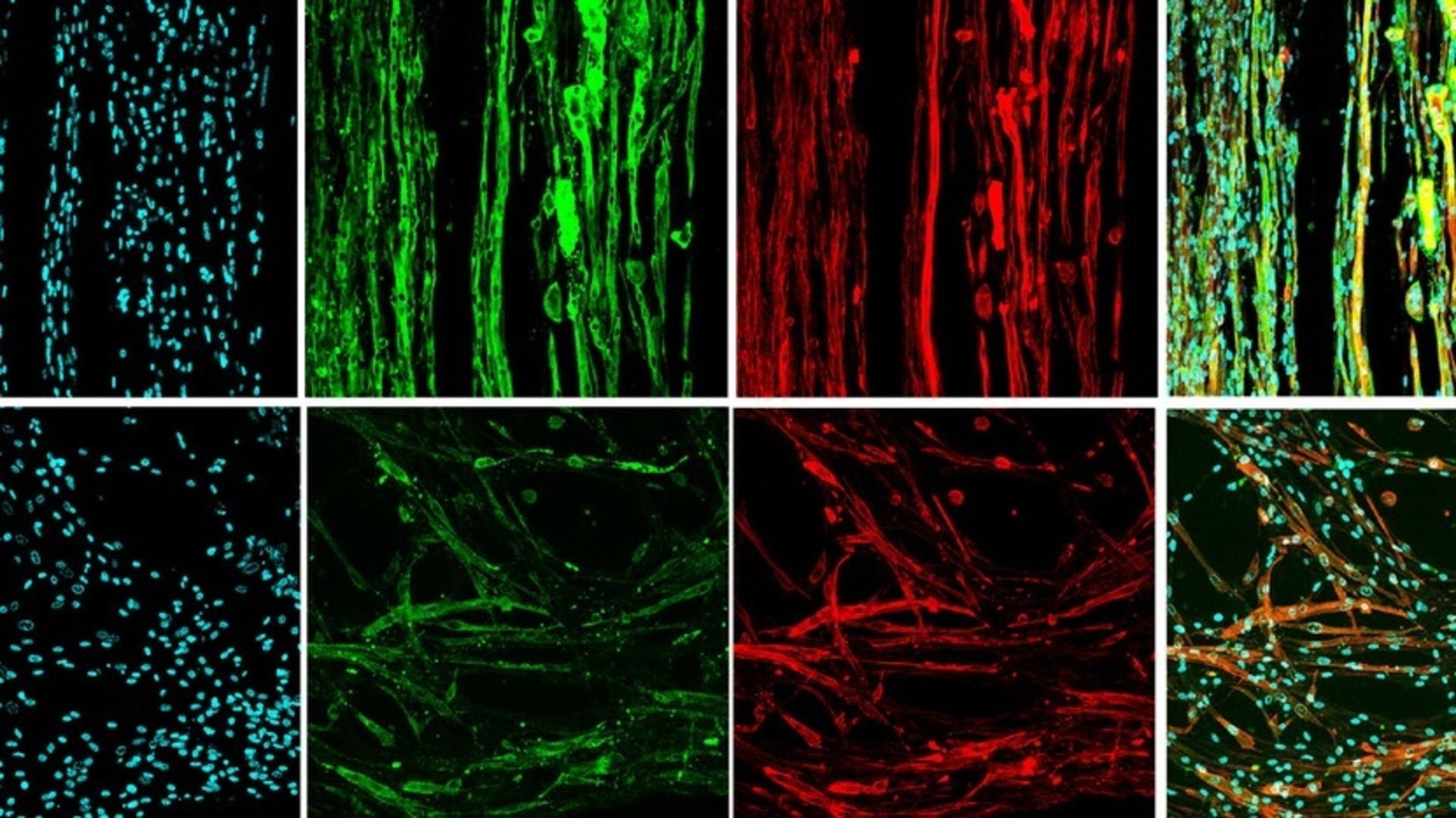
Scientists at ETH Zurich have successfully 3D printed muscle tissue in microgravity conditions using parabolic flights, marking a significant step toward creating functional human organs for transplantation and advancing space medicine. This research could help address organ donor shortages and improve health for astronauts on long missions.
Many organs in the human body are not essential for survival, and individuals can live functional lives without them, including the appendix, gallbladder, one kidney, parts of the digestive system, and even the lungs, though some organ removals require lifestyle adjustments and medical management.
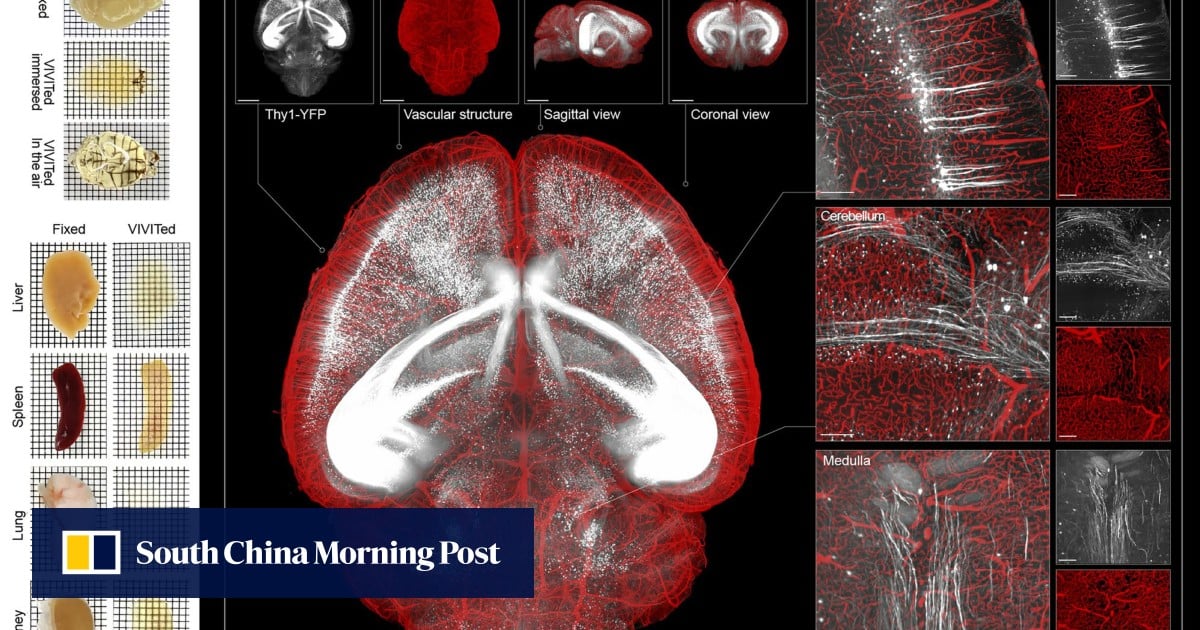
Chinese scientists have developed a new method to make organs like the brain and heart transparent, enabling highly detailed 3D imaging of their internal structures without damage, which could significantly advance biological and medical research.
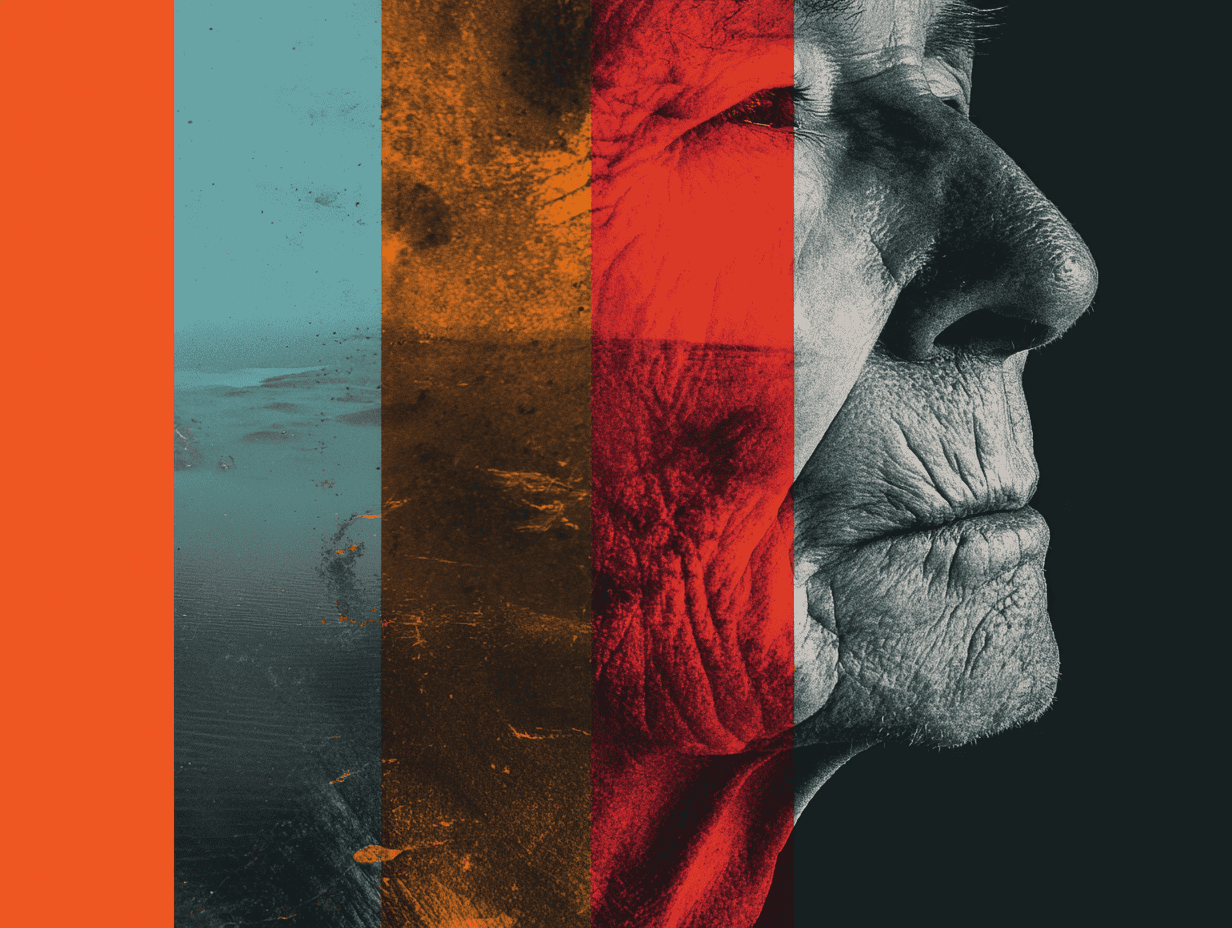
A large study published in Cell reveals that human aging accelerates around age 50, with significant changes in protein patterns across various organs, especially blood vessels, pancreas, and spleen. The research highlights a decline in protein quality control and an increase in disease-related proteins, providing insights into the biological processes of aging and potential targets for interventions.
A new study reveals that human organs and tissues experience a rapid acceleration in aging around age 50, driven by changes in protein expressions linked to diseases like cardiovascular and liver conditions, highlighting a critical biological transition in the aging process.
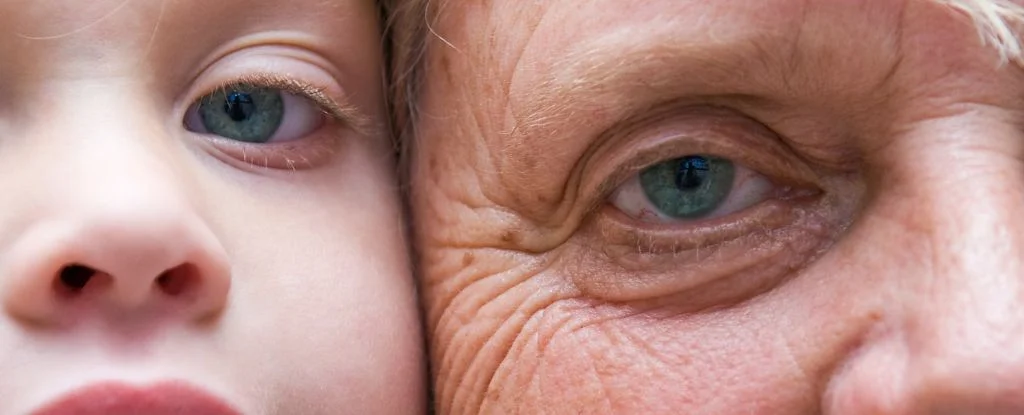
A new study indicates that cellular aging accelerates between ages 45 and 55, with some organs showing signs of aging as early as age 30, highlighting the importance of lifestyle choices in extending healthy lifespan.
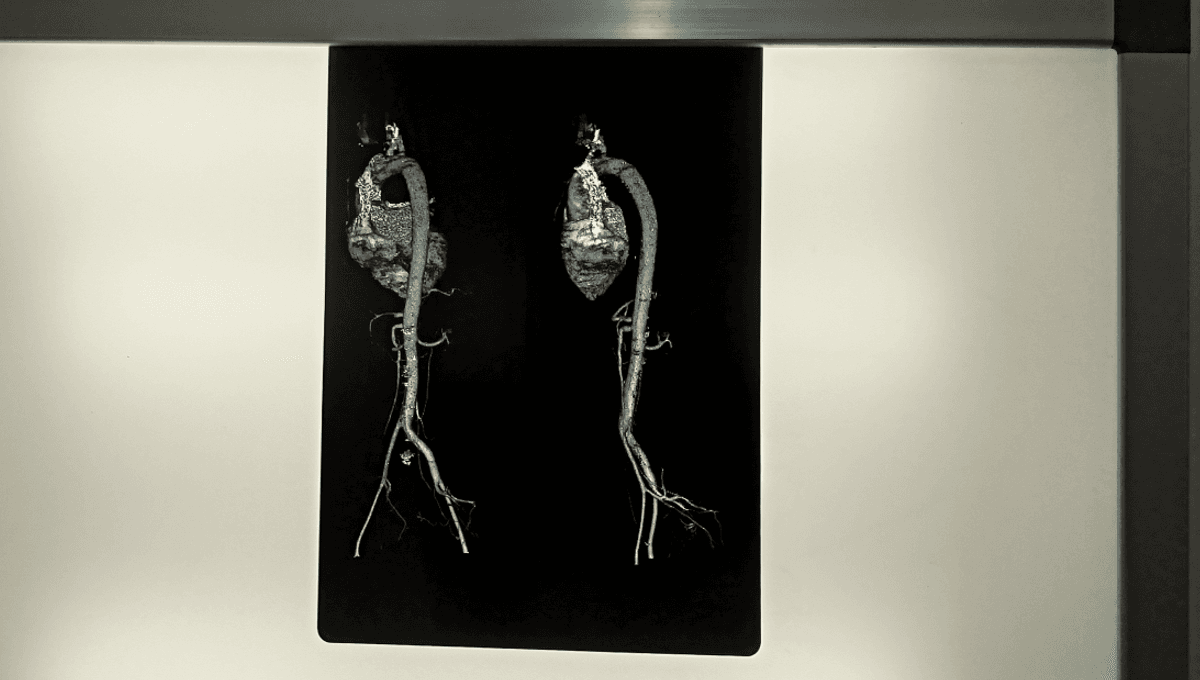
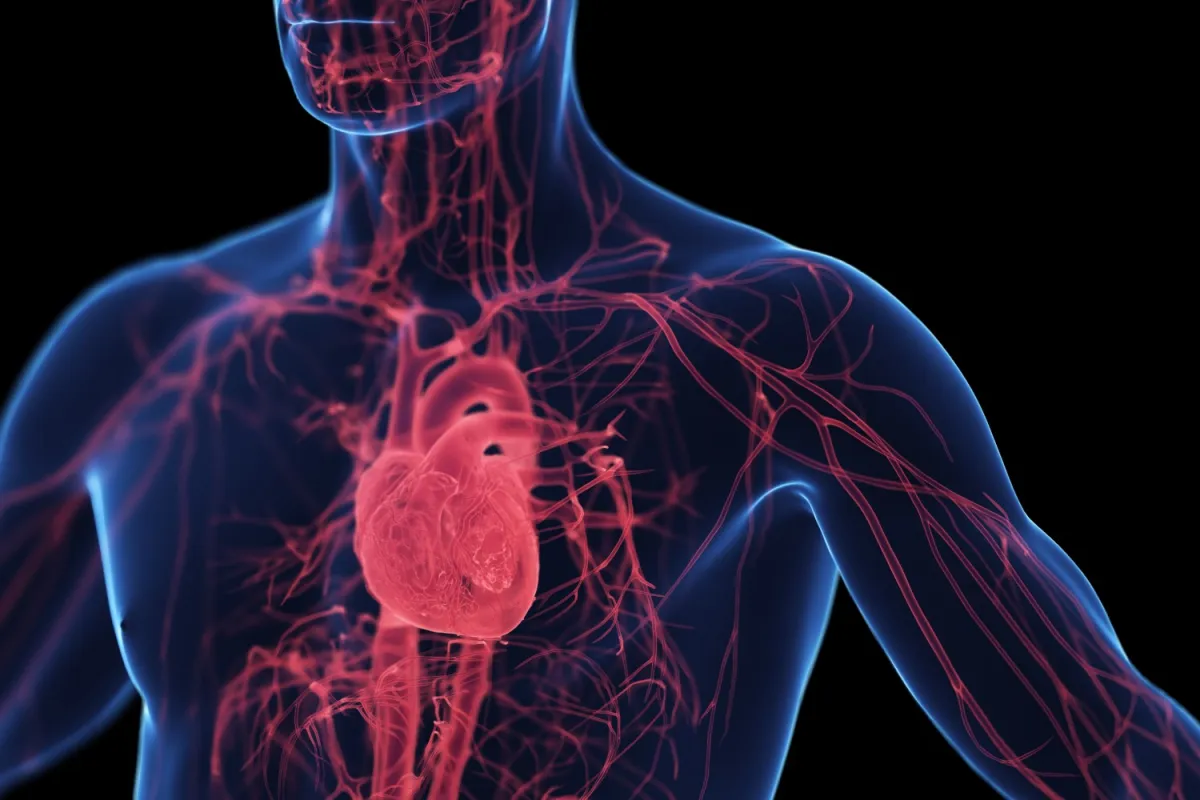
New research reveals that different organs age at varying rates, with the aorta aging the fastest and acting as an early sensor and broadcaster of aging signals through secreted proteins, opening new avenues for targeted aging interventions.
A new study reveals that human aging accelerates around age 50, with organs aging at different rates, notably the aorta which may influence systemic aging through proteins like GAS6. The research highlights aging as a phased process with molecular upheavals, offering potential for targeted interventions and biomarkers to track organ-specific decline.
A recent study published in Cell reveals that different organs age at varying rates, with blood vessels being particularly vulnerable after age 50, and the adrenal gland showing early changes around age 30. Research into proteins as markers of biological age is advancing, promising new ways to predict and potentially slow age-related decline.
A study has identified a critical turning point around age 50 when human aging accelerates, with significant changes in tissue proteins, especially in blood vessels, which could inform targeted interventions for age-related diseases.
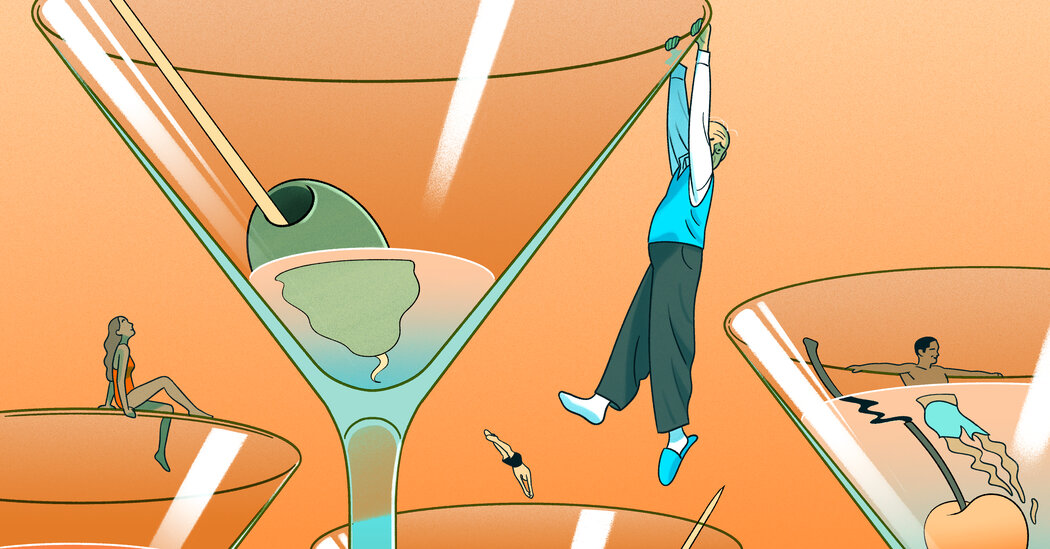
As people age, the health risks associated with alcohol consumption increase, affecting multiple organ systems more severely due to age-related decline, even with light or occasional drinking.
Researchers have decoded the genetic pathways that lead to sex-linked differences in mammals, including both visible and internal organs. The study found that most differences in gene expression between male and female organs develop only during puberty, triggered by female or male hormones. The level of sex-linked differentiation varied between different organs, but the cell types responsible were the same across all mammal species. Understanding these genetic mechanisms is crucial for medical research, as it can help explain why certain diseases of the liver and kidneys are more common in males than females. The study highlights the need for closer attention to sex in biomedical science.
A new study suggests that members of the powerful Medici family may have died from malaria, possibly contracted from mosquitos in their hunting grounds. Researchers found evidence of the malaria parasite in tissue samples from organs interred in the family tomb, making the first observation of a parasite from that time in history that remains structurally intact. The parasite was identified as Plasmodium falciparum, which is more deadly than the endemic malaria species previously assumed to be in the region. The study provides more conclusive evidence of malaria among the Medicis and suggests that the more virulent type of malaria survived in the temperate Italian climate.
The human body contains 78 organs, and the heaviest of them all is the skin, which can weigh up to 16% of an adult's total body weight. The femur is the heaviest bone, while the liver is the second heaviest organ, weighing around 3 to 3.5 pounds. Other heavy organs include the brain, lungs, heart, kidneys, spleen, pancreas, thyroid, and prostate gland.