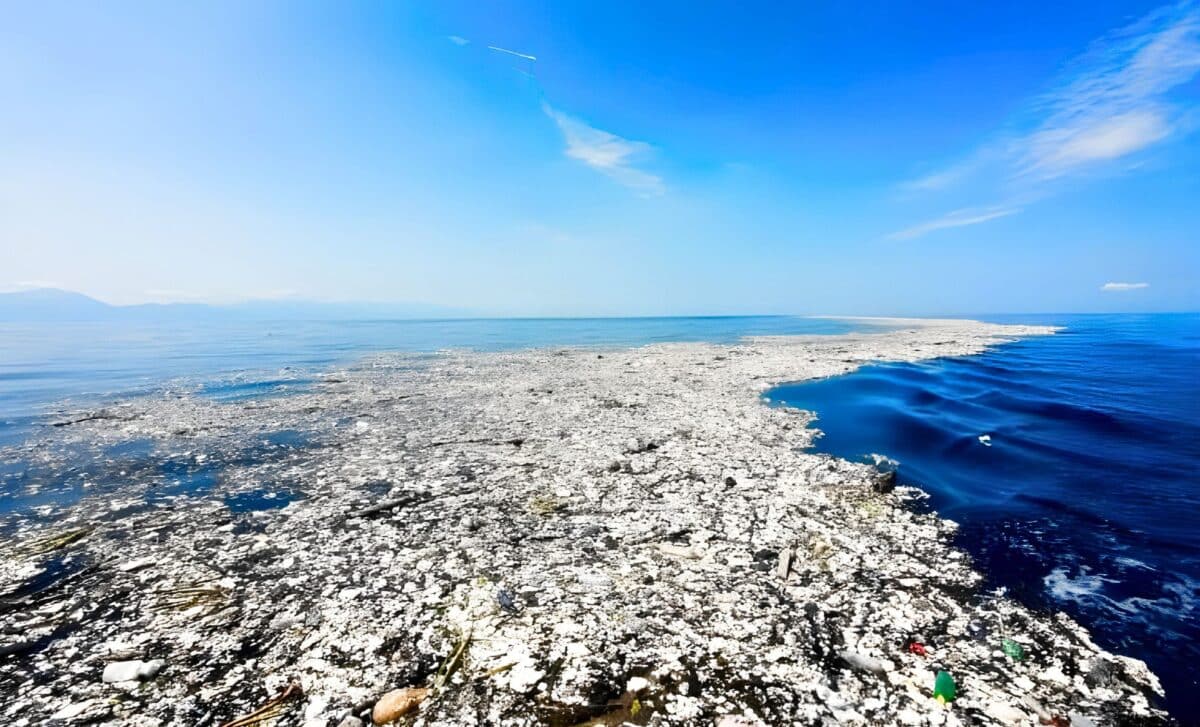
The Great Pacific Garbage Patch, once seen solely as pollution, is now hosting diverse marine communities, including species typically found near coastlines, which are reproducing and thriving on plastic debris, transforming it into a new habitat in the open ocean.
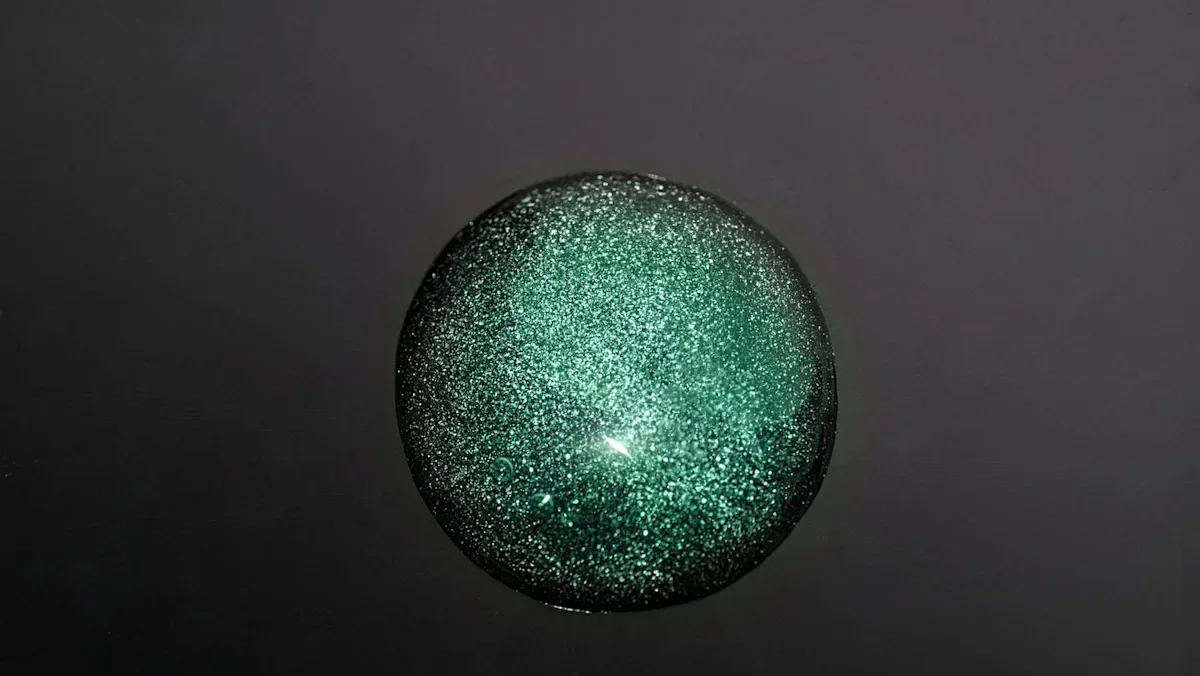
Scientists have discovered that polymetallic nodules in the Clarion-Clipperton Zone produce 'dark oxygen' 4,000 meters below the sea surface, potentially rewriting our understanding of oceanic oxygen sources and the origins of life, while complicating deep-sea mining debates due to ecological concerns.
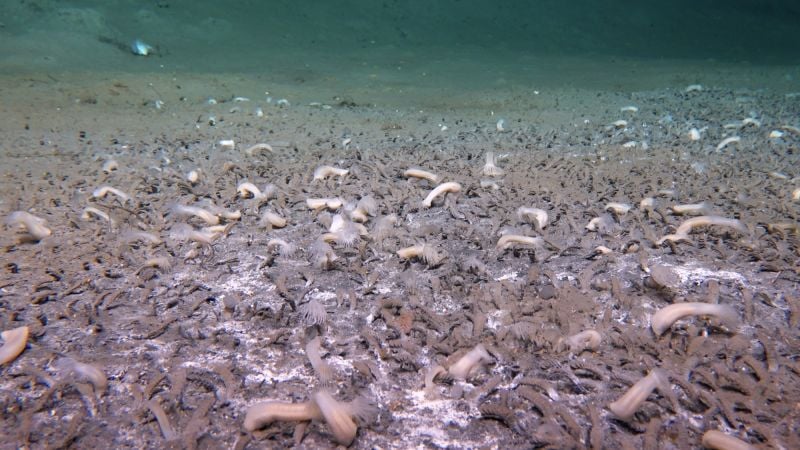
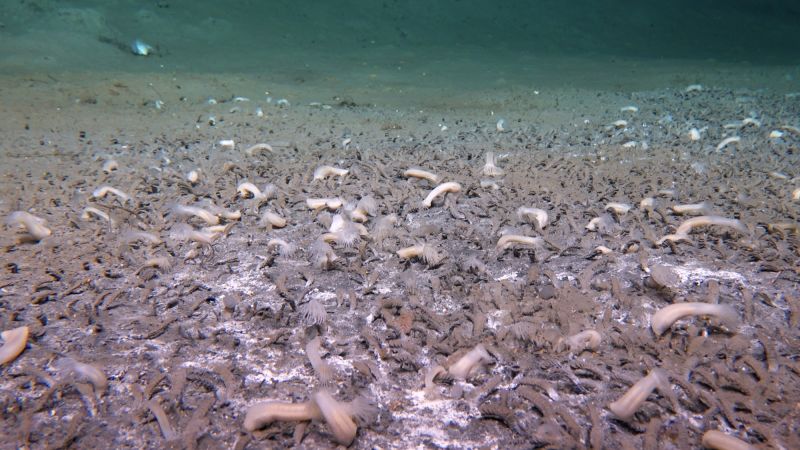
Scientists exploring the depths of the ocean discovered a vast, previously unknown ecosystem in the hadal zone, where microbes convert methane into energy, supporting diverse life forms in extreme, sunless conditions, and revealing the significant role these trenches play in the global carbon cycle.
Scientists exploring the hadal zone between Russia and Alaska discovered a vast, previously unknown deep-sea ecosystem fueled by methane and chemosynthetic life, revealing new insights into the role of trenches in the global carbon cycle and the resilience of life in extreme environments.
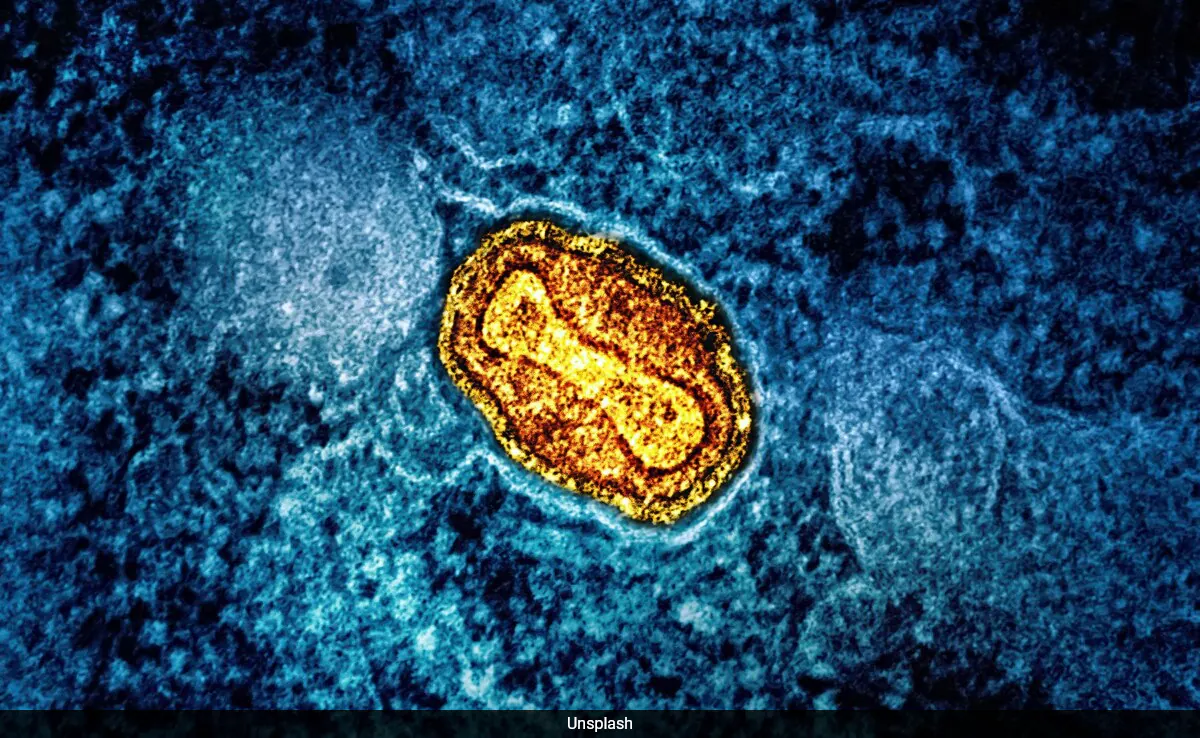
Researchers discovered 230 previously unknown giant viruses in global oceans, significantly expanding understanding of viral diversity and their role in marine ecosystems, with potential implications for managing algal blooms and biotechnological applications.
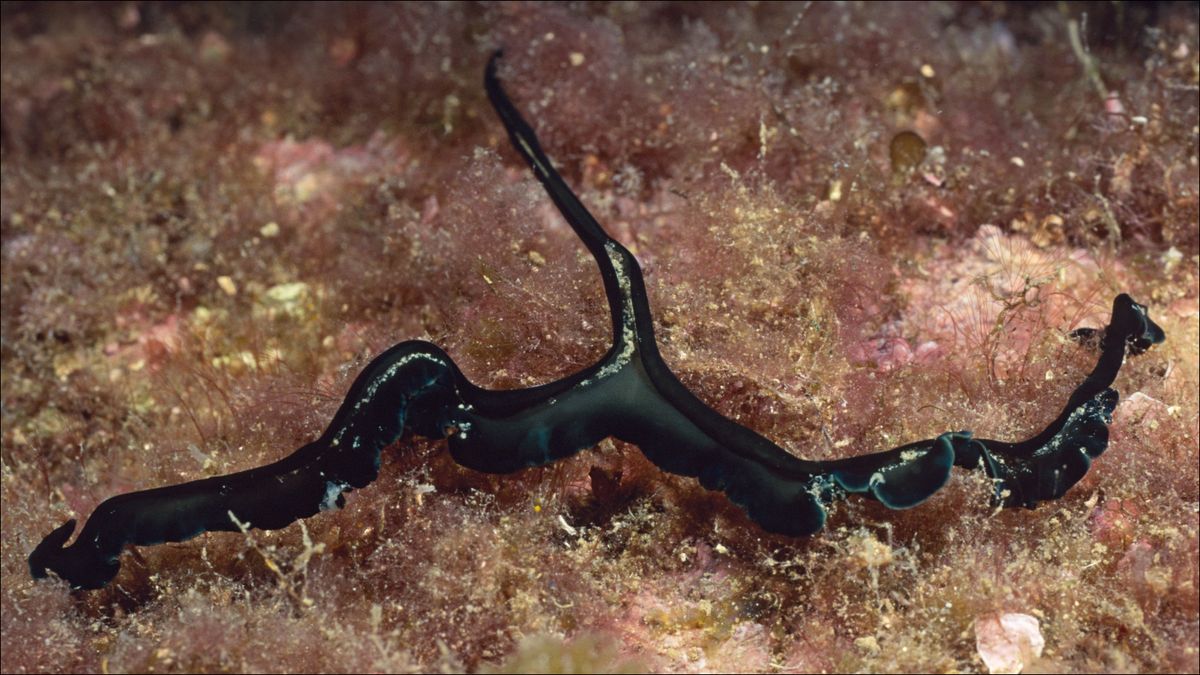
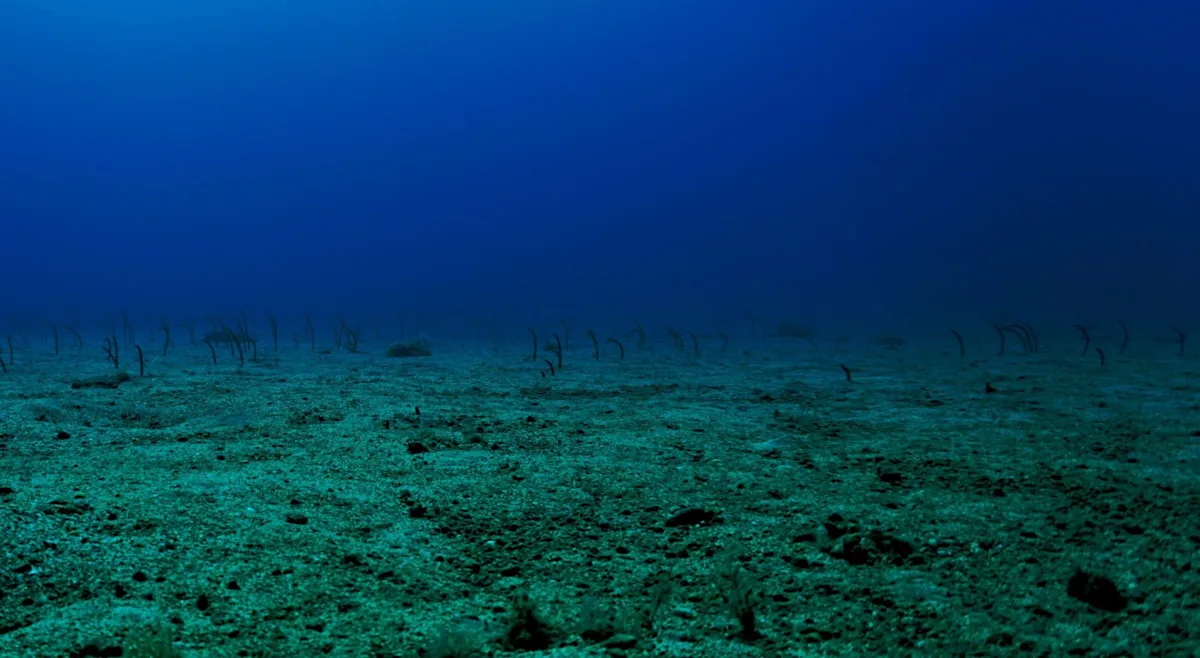
The green spoonworm (Bonellia viridis) is a fascinating marine creature found in the northeast Atlantic, known for its unique reproductive strategy and bright green color due to the toxic pigment bonellin. Female spoonworms use their long, spoon-shaped proboscis to feed on organic matter, while males, which are microscopic, live parasitically within the females, serving solely to fertilize eggs. Bonellin not only deters predators but also has potential antibiotic properties, highlighting the importance of studying marine biodiversity for potential benefits.
Plankton, the tiny invertebrates crucial to ocean ecosystems, are at risk due to rapidly warming oceans, as highlighted by recent studies. Their decline could endanger a wide range of marine life, from small fish to large whales, if human-induced climate change is not addressed.
NASA is set to launch the Plankton, Aerosol, Cloud and Ocean Ecosystem (PACE) satellite, equipped with advanced instruments to study microscopic particles in the atmosphere and waterways. The satellite's high-resolution imaging will provide unprecedented insights into the role of phytoplankton in oceans and the impact of aerosols on energy exchange. With a mission budget of $964 million, PACE aims to unravel complex climate mysteries and address critical questions about carbon distribution in the ocean, aerosol interactions, and the relationship between ocean life and the atmosphere. The data collected will be open and available to all scientists, advancing our understanding of ocean biology and its connection to climate change.
Fossils of "terror worms" called Timorebestia, which roamed the oceans over 500 million years ago, have been discovered in Northern Greenland. These ancient predators, resembling modern arrow worms, were likely dominant ocean predators at the time, feeding on common arthropods. The well-preserved fossils are providing unprecedented insights into their muscle anatomy, nervous systems, and digestive systems, shedding light on their role in the ancient ecosystem and contributing to our understanding of jawed predator evolution.
Mary Cleave, a NASA astronaut who served on two space shuttle missions in the 1980s and later led climate change research, has passed away at the age of 76. Dr. Cleave joined NASA after seeing a recruitment flier and went on to participate in missions aboard the space shuttle Atlantis. She witnessed the Challenger disaster in 1986 and was part of the post-disaster assessment teams. Dr. Cleave's passion for environmental research led her to study ocean ecology and the effects of climate change using satellite data. She emphasized the urgency of addressing human-driven environmental crises and saw space-based data collection as crucial in understanding these issues.
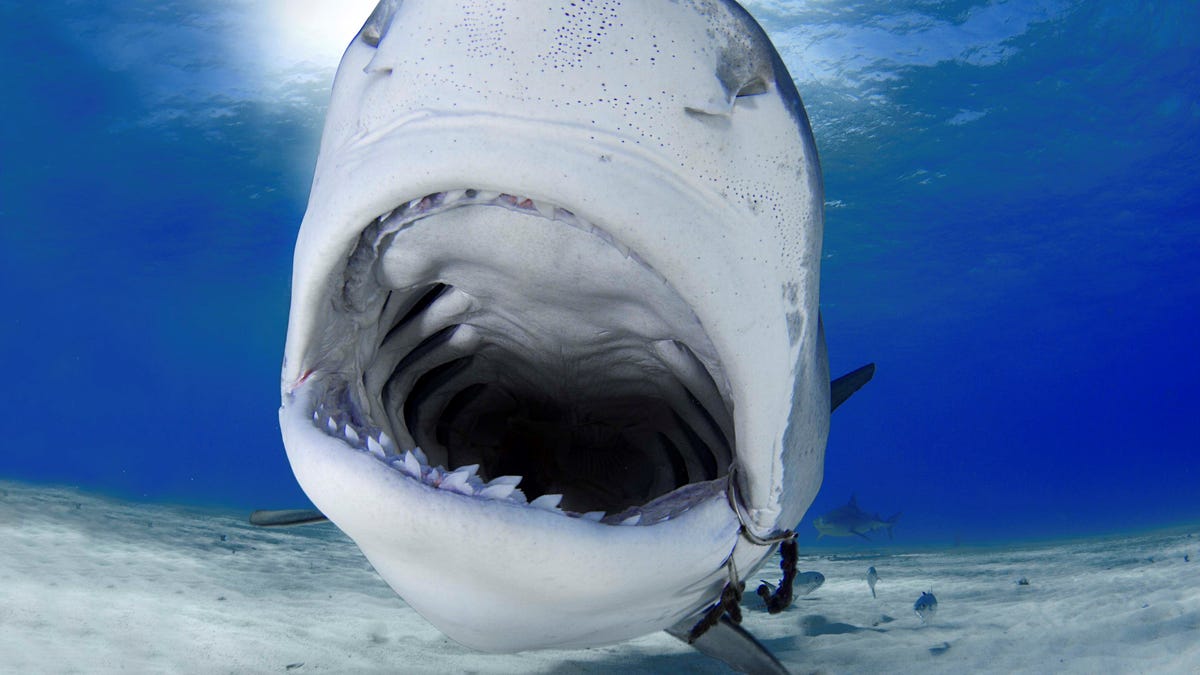
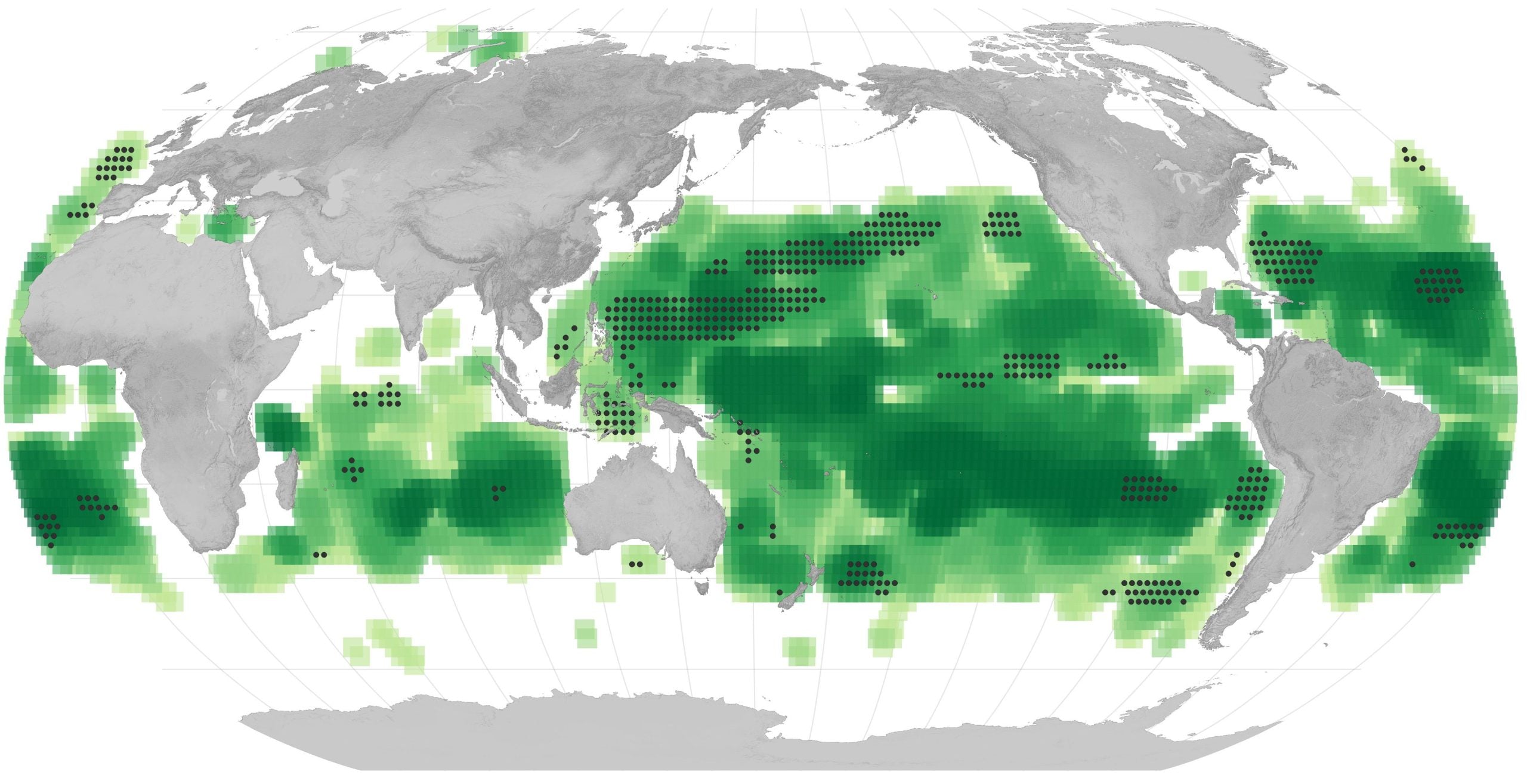
Two international studies have highlighted the increasing dangers that sharks face from warming oceans. The first study revealed that large sharks and other predators make more deep dives into the ocean than previously understood, raising concerns about the impact of climate change and mining on ocean ecosystems. The second study focused on smalltooth sand tiger sharks and found that they may be at greater risk from warming seas due to their ability to keep certain areas of their bodies warmer than the surrounding ocean. Both studies emphasize the need for better global and regional management to protect ocean ecosystems and the fishing industry.
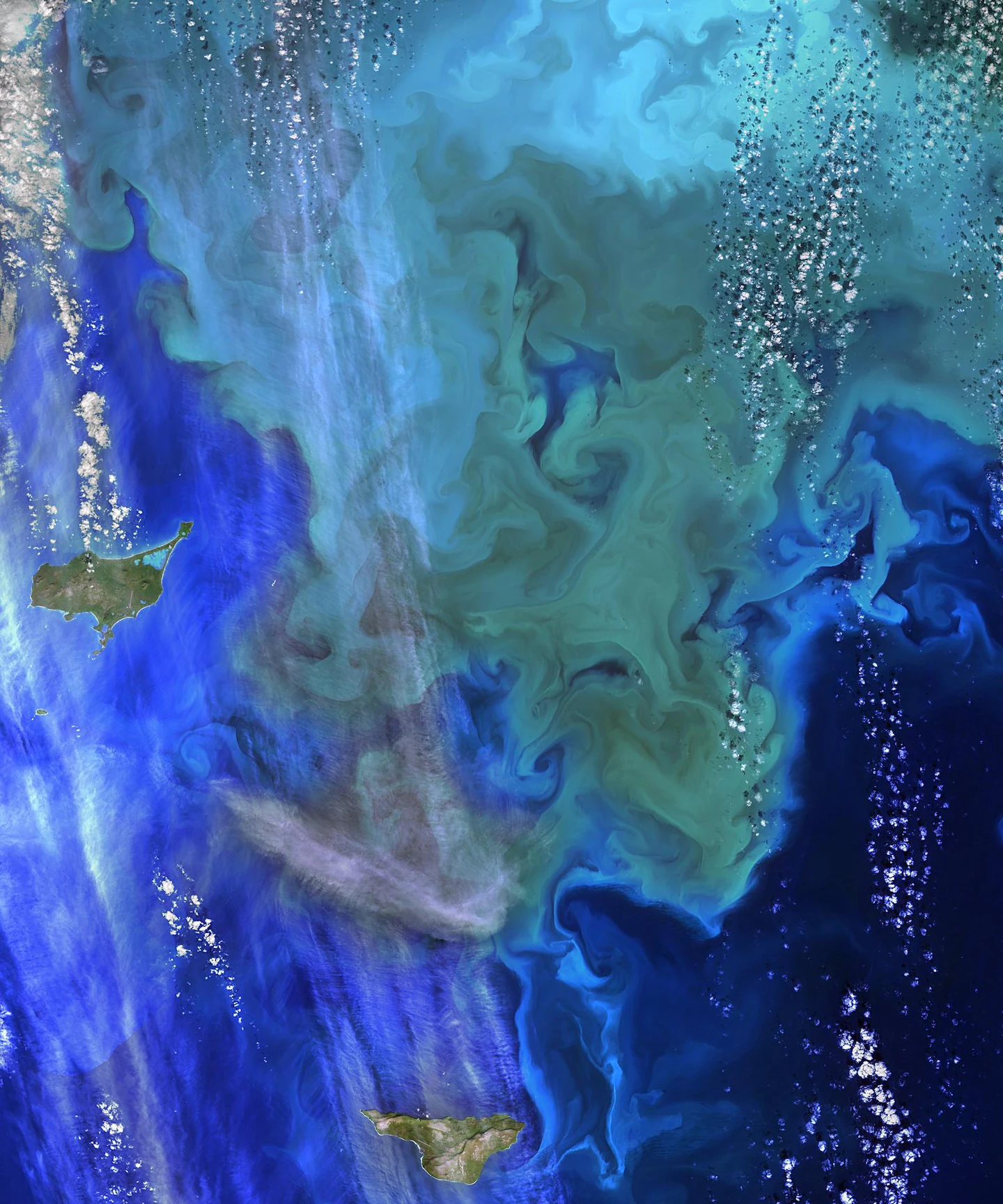
Satellite measurements over the past two decades have revealed that the color of the ocean surface is shifting from blue to green, indicating changes in the ecosystem beneath. Researchers have found that 56% of the global sea surface has undergone a significant change in color, with much of the change stemming from the ocean turning more green. This shift confirms a trend expected under climate change and suggests changes to ecosystems within the global ocean. The color changes are likely due to different assemblages of plankton and a more stratified ocean caused by surface waters absorbing excess heat from climate change. NASA's upcoming PACE satellite will provide finer color resolution data to further study ocean ecology.
The color of the ocean surface is changing due to climate change, indicating shifts in the ecosystem beneath. Researchers have found that 56% of the global sea surface has experienced a significant change in color, with the ocean turning more green. This change confirms a trend predicted by climate modeling and suggests alterations to global ocean ecosystems. The new method of analyzing ocean color data from satellite instruments has provided insights into long-term trends in just 20 years, compared to the previously estimated 30-40 years. The color changes are likely due to changes in plankton assemblages and increased stratification of surface waters caused by warming temperatures. NASA's upcoming PACE satellite will provide finer color resolution and more information about ocean ecology.
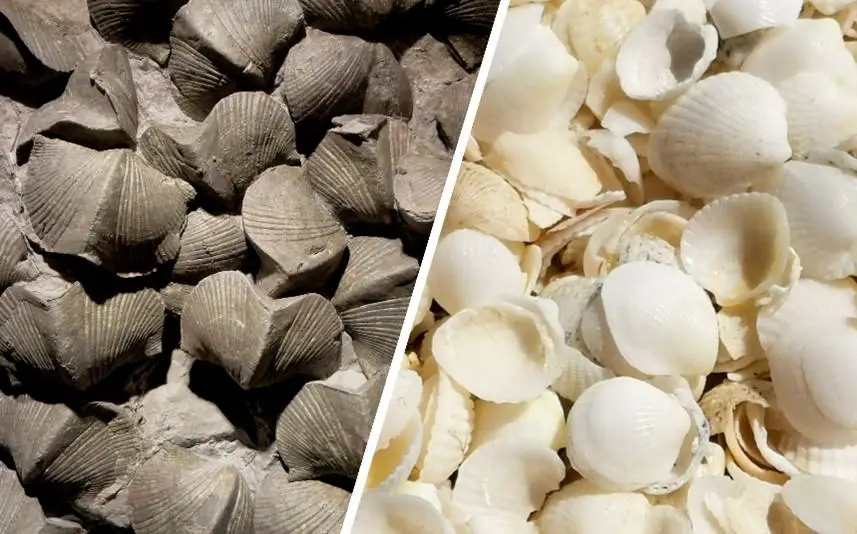
Researchers have used Bayesian analysis to study the decline of brachiopods and the rise of bivalves after the end-Permian mass extinction, shedding light on the transition from ancient-style to modern-style ocean ecosystems. The study found that bivalves, such as oysters and clams, were better adapted to changing conditions and eventually replaced brachiopods as the dominant shelled animals. Both groups were hit hard by the mass extinction, but bivalves were able to adapt better to high ocean temperatures, giving them an edge in the post-extinction recovery. The findings provide insights into how life rebounded after near-annihilation and set the foundation for modern ecosystems.
A study led by researchers from the National Oceanic and Atmospheric Administration (NOAA) has revealed that marine heat waves also occur at the seafloor, with deep sea heat waves lasting longer than those at the surface. These heat waves can have devastating effects on ocean ecosystems, disrupting the behaviors and productivity of marine life. The study highlights the need for early recognition and proactive management of marine heat waves, particularly at the ocean bottom where valuable species reside. The frequency of marine heat waves has increased by 50% in the past decade, largely due to the oceans absorbing excess heat from global warming.