Tag

Fossil Analysis

All articles tagged with #fossil analysis

science6 months ago

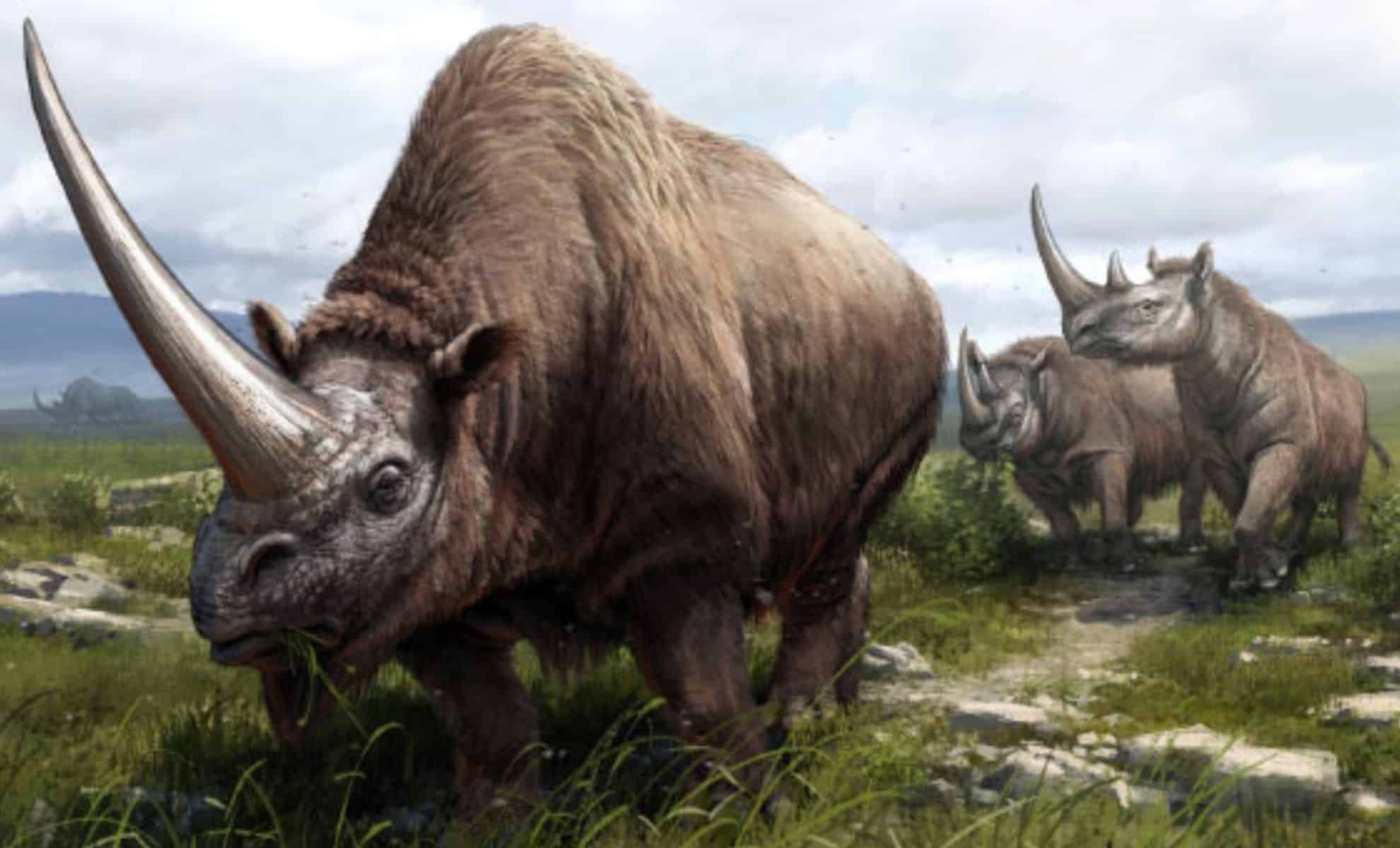
Ancient Proteins Reveal New Insights into Rhino Evolution and Paleontology

Paleontologists have discovered preserved ancient proteins in a 24-million-year-old rhinoceros fossil, challenging previous timelines of rhino evolution and demonstrating the potential of protein analysis to study deep past species beyond the limits of ancient DNA, thereby opening new avenues for understanding evolutionary history.

science6 months ago

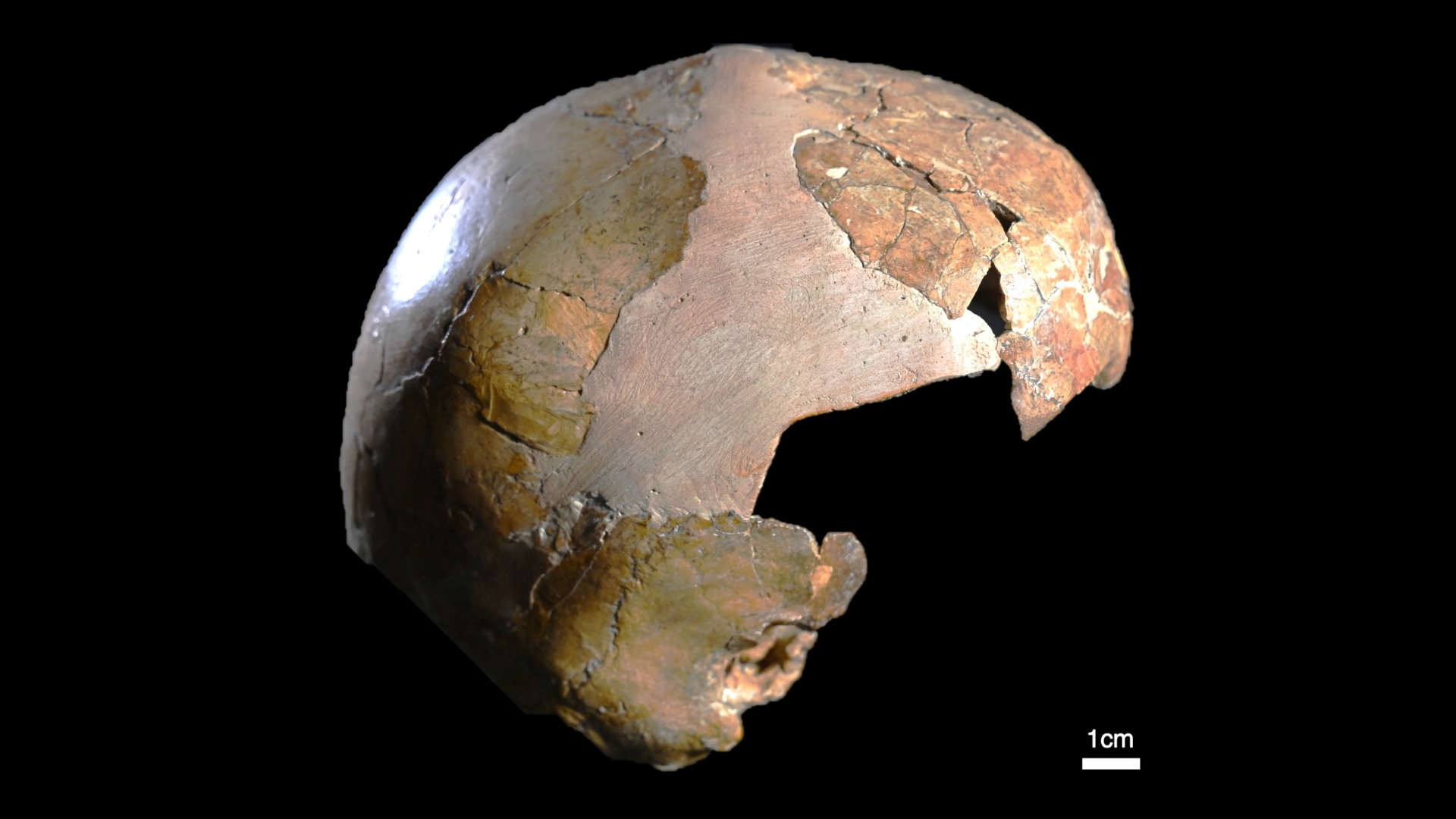
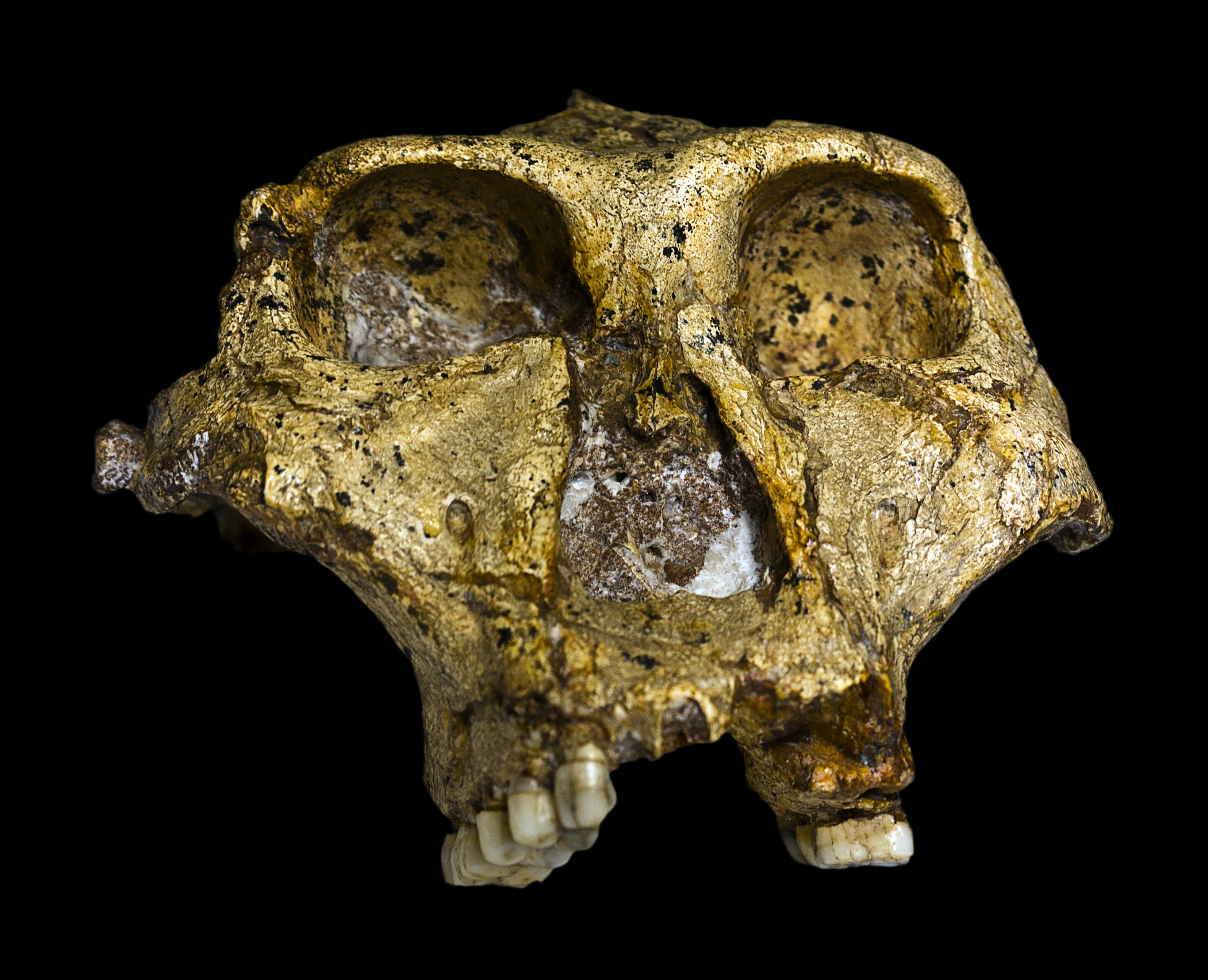
Ancient Skull Analysis Reveals Complex Human Evolution and Possible Hybrid Origins

A new study of the 140,000-year-old Skhūl I skull from Israel reveals a complex mixture of archaic and modern features, sparking debate over its classification and suggesting it may represent a unique human group. Advanced imaging techniques highlight its hybrid traits, but DNA analysis has yet to be conducted due to preservation concerns. The findings also raise questions about early human social and burial practices.

science7 months ago

New Discoveries Reveal Early Humans' Diverse Skills and Evolutionary Secrets

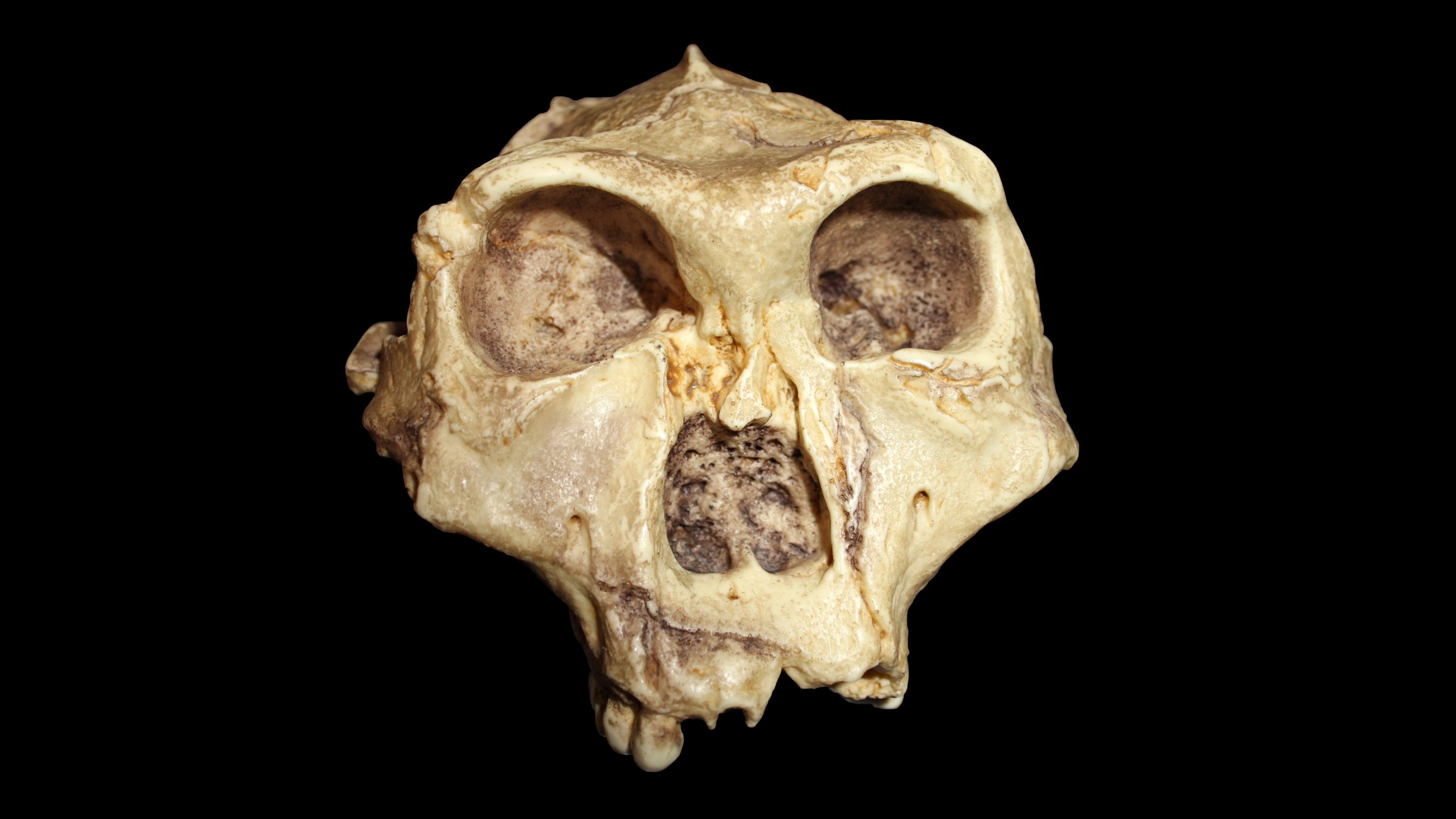
A study in Science Advances reveals that early human ancestors, such as Australopithecus sediba and Homo naledi, combined tree climbing with advanced stone tool use earlier than thought, showing a complex, mosaic evolution of the human hand that supported both arboreal and terrestrial lifestyles, challenging the idea of a linear hand evolution from ape-like to human-like forms.

science7 months ago

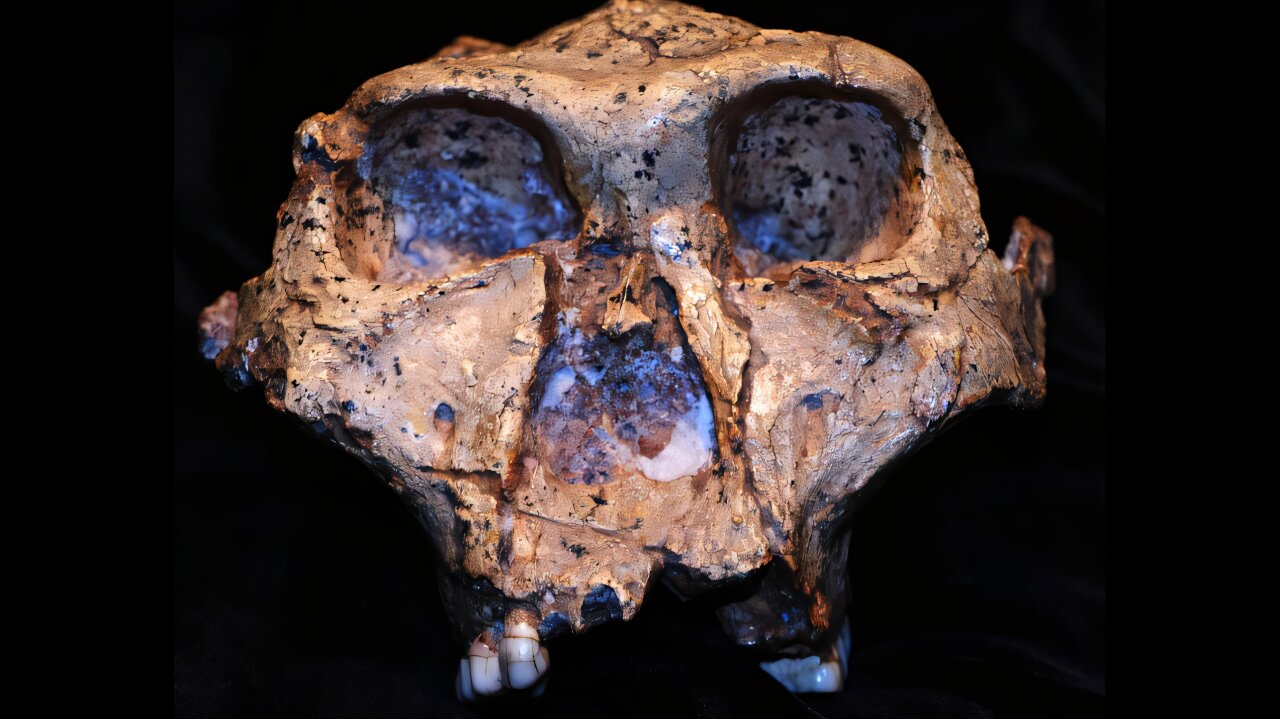
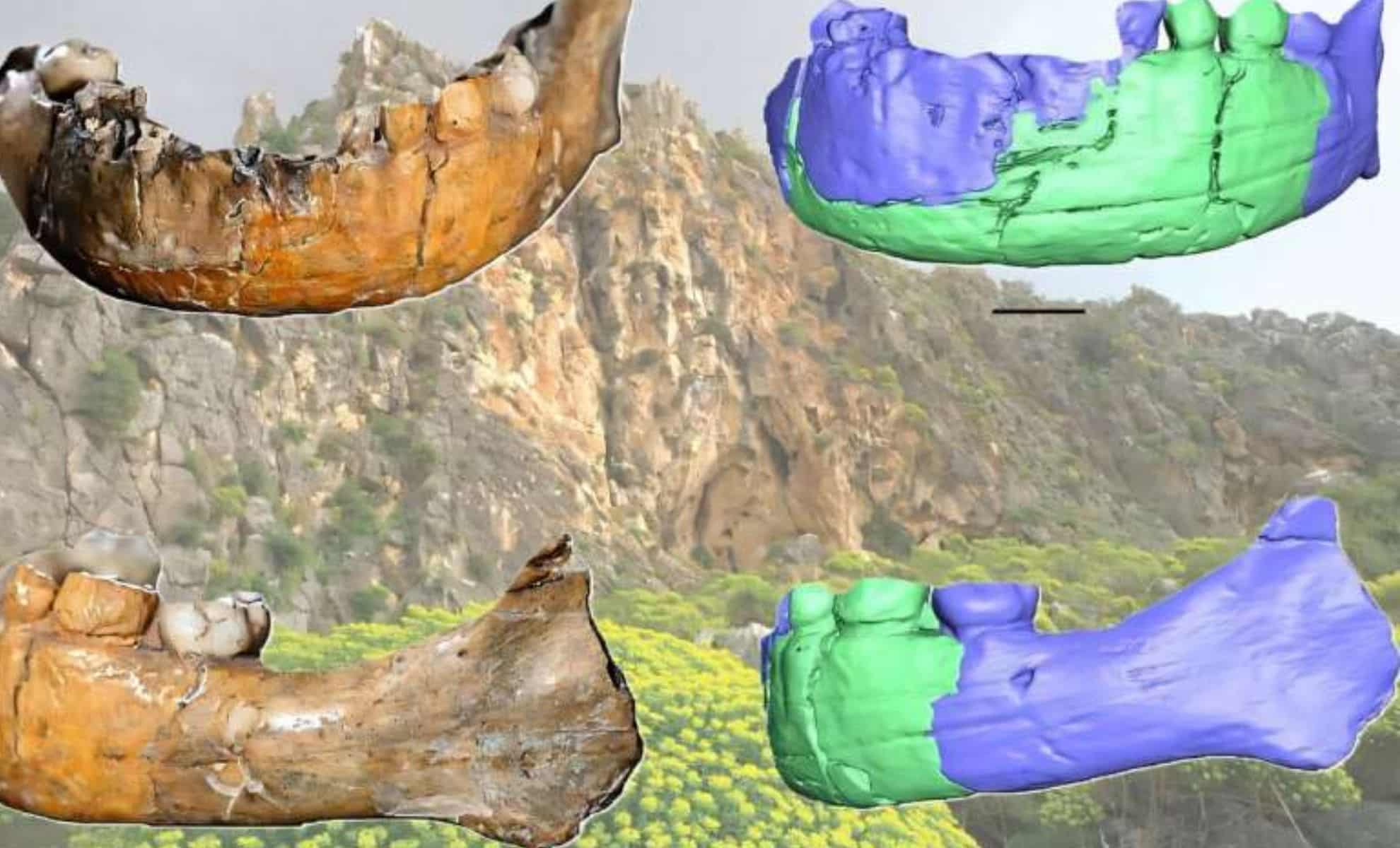
Ancient Teeth and Proteins Uncover Secrets of Human Evolution

Small pieces of tooth enamel from 2 million-year-old fossils in South Africa have been analyzed using proteomics, revealing new insights into early human relatives, including sex determination and potential species diversity, highlighting the limitations of traditional methods and the promise of advanced protein analysis in paleoanthropology.

science1 year ago

Uncovering Ancient Patterns in Bird Feathers

Scientists analyzing hundreds of bird specimens have discovered a set of feather rules that can predict which dinosaurs could fly, settling debates on the evolution of flight. All flying birds have 9 to 11 asymmetrical flight feathers, while flightless birds vary in the number of primary feathers. Fossil analysis suggests flight evolved once in dinosaurs, with some species losing the ability while others became modern birds. The research challenges previous claims about multiple flight evolutions in dinosaurs and highlights the importance of examining feather structure in assessing flight potential.