Tag

Scientific Study

All articles tagged with #scientific study

science1 year ago

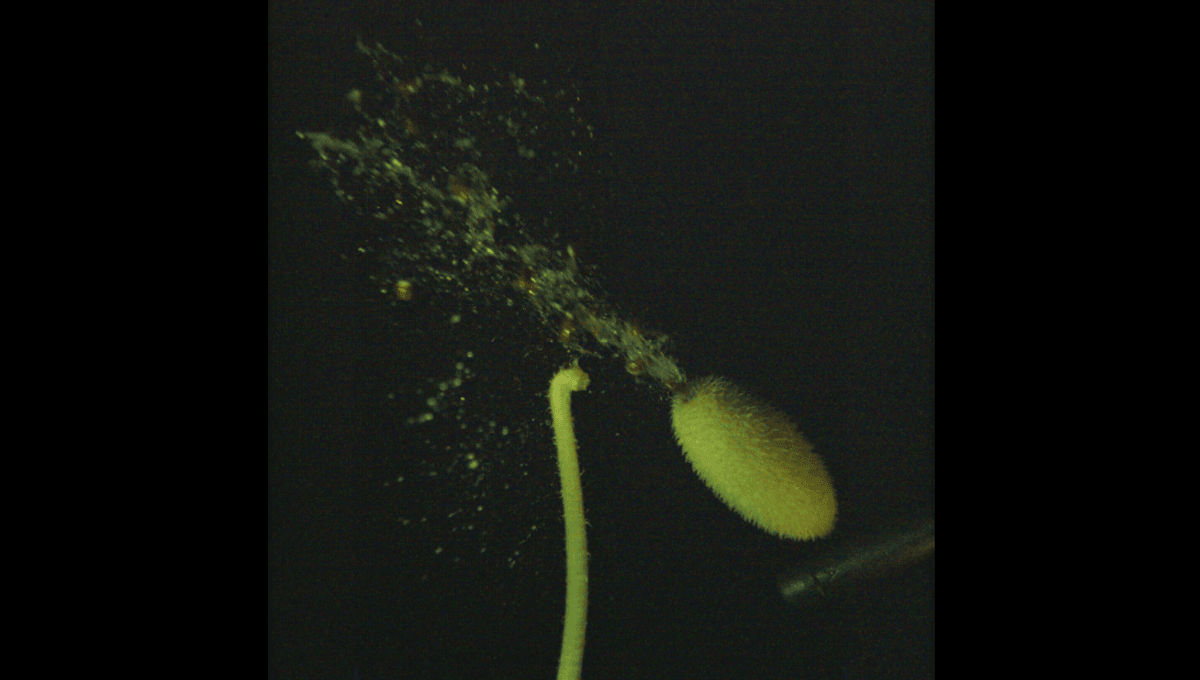
Squirting Cucumbers: Nature's Seed-Launching Marvels

Scientists from the University of Manchester and the University of Oxford have uncovered the unique seed dispersal mechanism of the squirting cucumber (Ecballium elaterium), which uses fluid pressure to launch its seeds up to 10 meters away. This process involves the fruit engorging with mucilaginous fluid, altering the stem's angle for optimal launch, and a rapid recoil that propels the seeds. This adaptation reduces competition among offspring and has been studied since ancient times, with the findings published in PNAS.

science1 year ago

Scientists Uncover the Mystical Properties of Baseball's 'Magic Mud'

Researchers at the University of Pennsylvania have scientifically quantified the unique properties of baseball's 'magic' mud, used on every Major League Baseball game ball. The study, published in the Proceedings of the National Academy of Sciences, confirms that the mud enhances ball performance by improving spreadability, grip, and stickiness, debunking the notion that its use is merely superstitious. The findings highlight the mud's irreplaceable qualities compared to synthetic alternatives and suggest broader applications for natural materials as lubricants.

health1 year ago

"Health Risks of Hair Relaxers Exposed"

A New York Times investigation, driven by the shared experiences of Black women, reveals the dangers of chemical hair relaxers, linking them to reproductive health issues and cancers. The report highlights the work of Black women epidemiologists and the significant findings of the Sister Study, which associated hair straightening products with a higher risk of uterine cancer. The article underscores the lack of stringent regulation by the FDA compared to the European Union.

health1 year ago

"Intermittent Fasting Linked to Higher Cardiovascular Death Risk, Study Finds"

A study tracking 20,000 US adults for up to 18 years found that those practicing the 16:8 intermittent fasting method had a 91% higher risk of death from cardiovascular disease compared to those who ate over a 12 to 16-hour period. The research suggests that while intermittent fasting may offer short-term benefits, it could have long-term adverse effects, warranting further investigation into diet quality and other factors.

environment1 year ago

"Earth Warming at Record Rate, Study Confirms"

A new study by 57 scientists reveals that Earth is warming at a record rate, primarily due to human activities, but finds no evidence of climate change accelerating beyond increased fossil fuel use. Last year's unprecedented heat was largely attributed to carbon dioxide buildup, with minor contributions from natural factors like El Nino. The study warns that continued fossil fuel use could soon push global temperatures past the critical 1.5 degrees Celsius threshold, leading to severe ecological and weather-related impacts.

science1 year ago

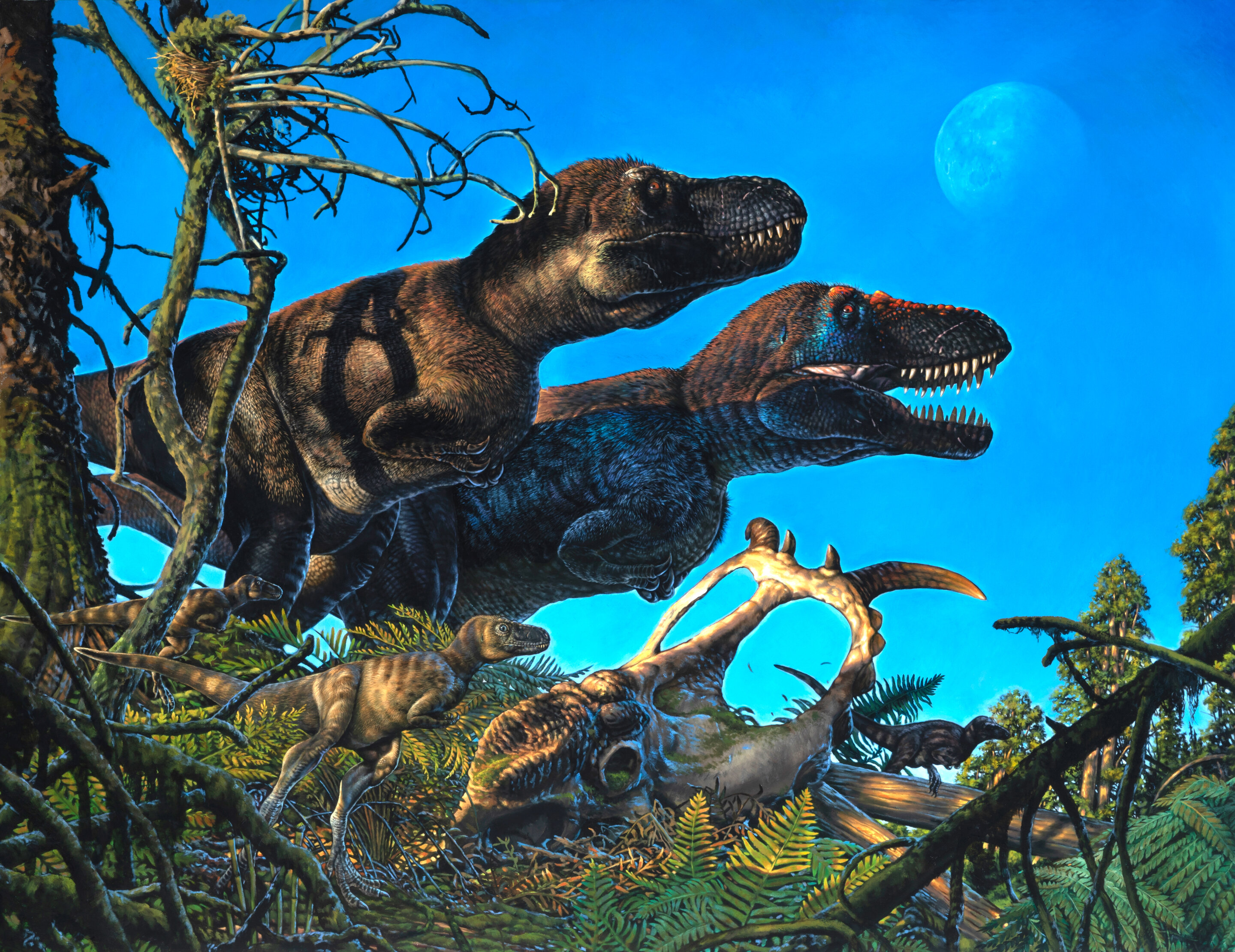
"Dinosaur Research Refutes Bergmann's Rule"

A new study led by scientists at the University of Alaska Fairbanks and the University of Reading challenges Bergmann's rule, which suggests that animals in cooler climates tend to be larger. The study, which included data from the fossil record of dinosaurs and modern mammals and birds, found that latitude was not a predictor of body size in these species. The researchers argue that scientific rules should apply to fossil organisms in the same way they do modern organisms, emphasizing the importance of understanding evolutionary roots to comprehend modern ecosystems.

science-and-environment1 year ago

"Climate Change's Impact on Earth's Rotation and Timekeeping"

Earth's rotation, which has been speeding up due to dynamics in the planet's liquid outer core, is now slowing down due to the impact of global warming on the polar ice caps. This is likely to delay the need for a deleted leap second until 2028 or 2029. The redistribution of mass from the poles to the world's oceans is causing the slowdown, counteracting the previous speed-up. This unprecedented event, caused by changes in the Earth's rotation, could have significant implications for precise timekeeping in today's interconnected world.

science-and-environment1 year ago

"Climate Change's Impact on Global Timekeeping: Melting Polar Ice Slows Earth's Rotation"

The melting of polar ice due to climate change is affecting global timekeeping, according to a recent scientific study. The loss of ice is causing a shift in the Earth's axis, which in turn impacts the planet's rotation. This has led to changes in the length of a day, affecting the accuracy of timekeeping systems.

science1 year ago

Unveiling the Secrets of Earth's Magnificent Star Dunes

Scientists have conducted the first comprehensive study of a star dune, revealing the internal structure and formation process of these pyramid-shaped sand formations. The study focused on the Lala Lallia star dune in eastern Morocco, showing that it took about 900 years for the dune to form, accumulating roughly 6,400 metric tons of sand annually. Star dunes, which make up just under 10% of Earth's desert dunes, are the tallest and are formed in areas with complex wind regimes. The researchers' findings provide insight into identifying ancient star dunes in the geological record and highlight the awe-inspiring landscapes they create.

science-and-environment1 year ago

"Doomsday Glacier: Melting in Antarctica Since the 1940s"

A new study reveals that West Antarctica's Thwaites Glacier began rapidly receding in the 1940s, much earlier than previously thought, and its synchronous retreat with the neighboring Pine Island Glacier suggests external oceanographic and atmospheric drivers played a significant role. The study's findings underscore the challenges of reversing the consequences of naturally occurring weather events, exacerbated by human activity, and highlight the potential catastrophic consequences of the "doomsday glacier's" hypothetical collapse.

science1 year ago

"Unraveling the Mystery: How Passing Stars Altered Earth's Orbit"

A new study published in The Astrophysical Journal Letters suggests that a chance encounter with a passing star 56 million years ago may have caused the Earth's orbit to change, leading to a significant rise in temperature during the Paleocene-Eocene Thermal Maximum. The study's authors, planetary scientist Nathan Kaib and astrophysicist Sean Raymond, propose that passing stars can make detailed predictions of Earth's past orbital evolution highly uncertain, potentially impacting the planet's climate. While rare, such encounters can have significant effects on planetary orbits and climate.