Tag

Passing Star

All articles tagged with #passing star

science1 year ago

"Unraveling the Mystery: How Passing Stars Altered Earth's Orbit"

A new study published in The Astrophysical Journal Letters suggests that a chance encounter with a passing star 56 million years ago may have caused the Earth's orbit to change, leading to a significant rise in temperature during the Paleocene-Eocene Thermal Maximum. The study's authors, planetary scientist Nathan Kaib and astrophysicist Sean Raymond, propose that passing stars can make detailed predictions of Earth's past orbital evolution highly uncertain, potentially impacting the planet's climate. While rare, such encounters can have significant effects on planetary orbits and climate.

astronomyplanetary-science1 year ago

"Unraveling the Mystery: How Passing Stars Altered Earth's Orbit Millions of Years Ago"

New research suggests that a chance encounter between the Solar System and a passing star around 56 million years ago may have altered Earth's orbit, potentially contributing to a significant climate change event known as the Paleocene-Eocene Thermal Maximum. The study's simulations show that such encounters could have disrupted planetary orbits, leading to changes in Earth's climate. This finding highlights the importance of considering stellar encounters in understanding the long-term evolution of the Solar System and its potential impact on Earth's climate.

space2 years ago

Surviving a Passing Star: The Solar System's Odds

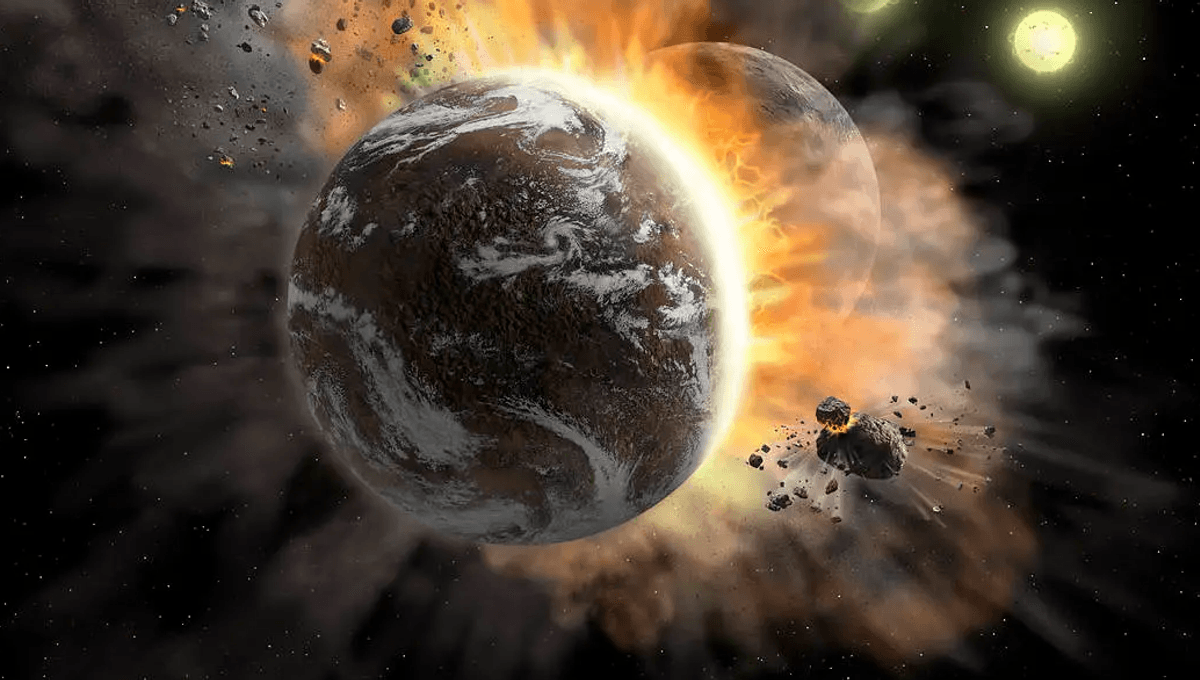
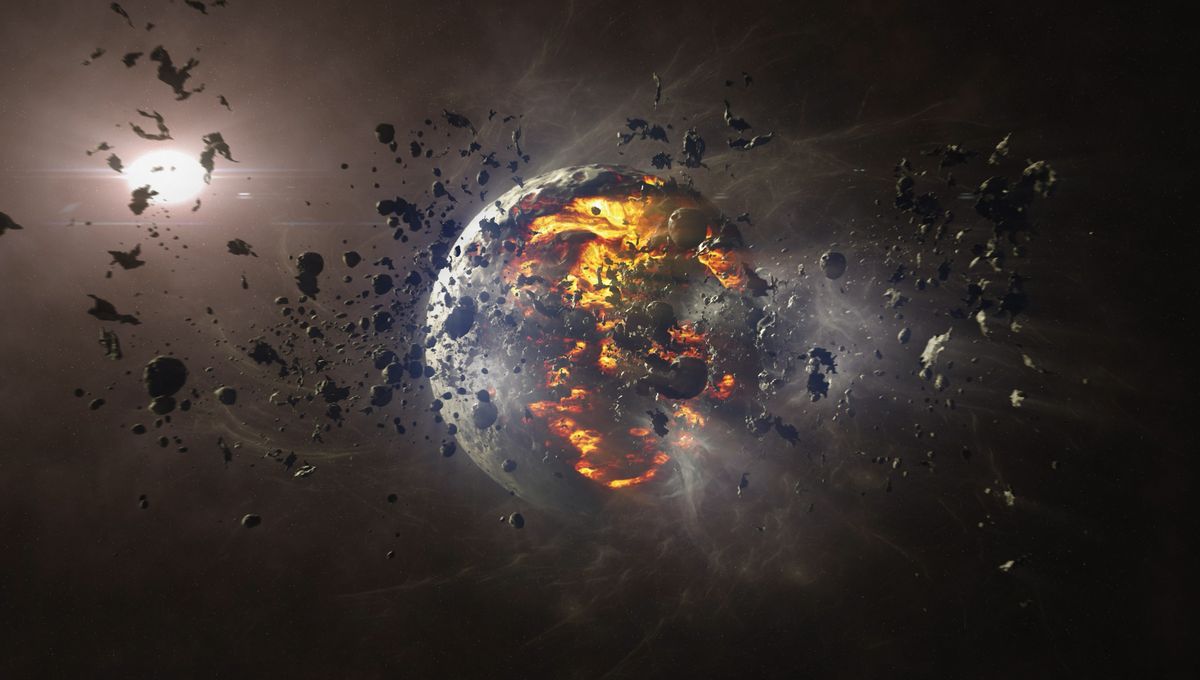
The odds of a passing star causing devastation in our solar system are relatively low, with a 95% chance of no planets being lost. However, in the remaining 5% of scenarios, there is a possibility of collisions and catastrophic effects. Mercury is most likely to collide with the Sun, followed by Mars colliding with the Sun or Venus colliding with another planet. Earth could potentially be pushed into a collision course with another planet or even the Sun. While there is a small chance of Earth being thrown into a wider orbit, prolonging its habitability, the overall likelihood of such a cataclysmic scenario remains very small.