Tag

Plant Biology

All articles tagged with #plant biology

science7 days ago

Winter's Hidden Role in Earth's Survival

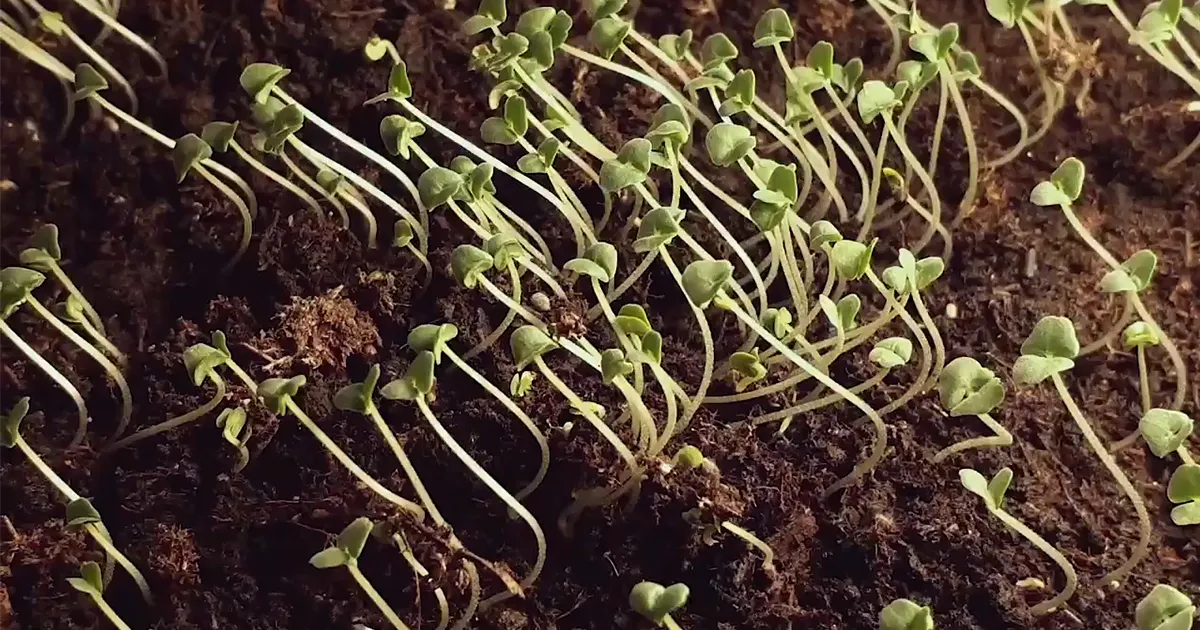
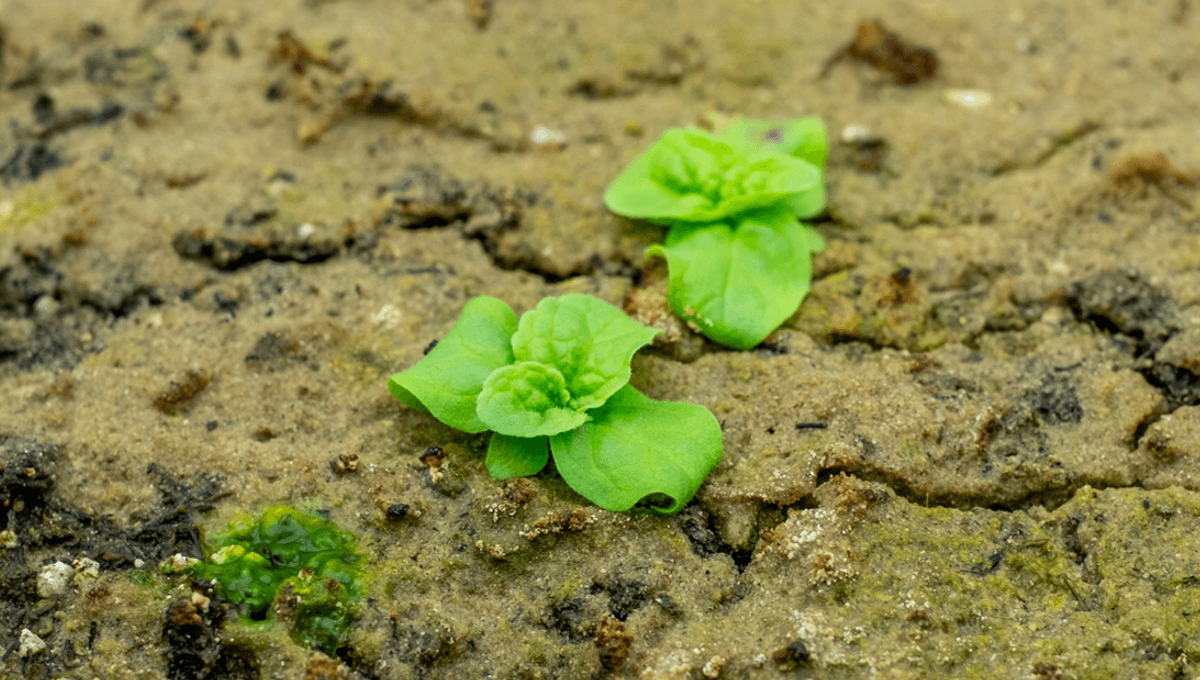
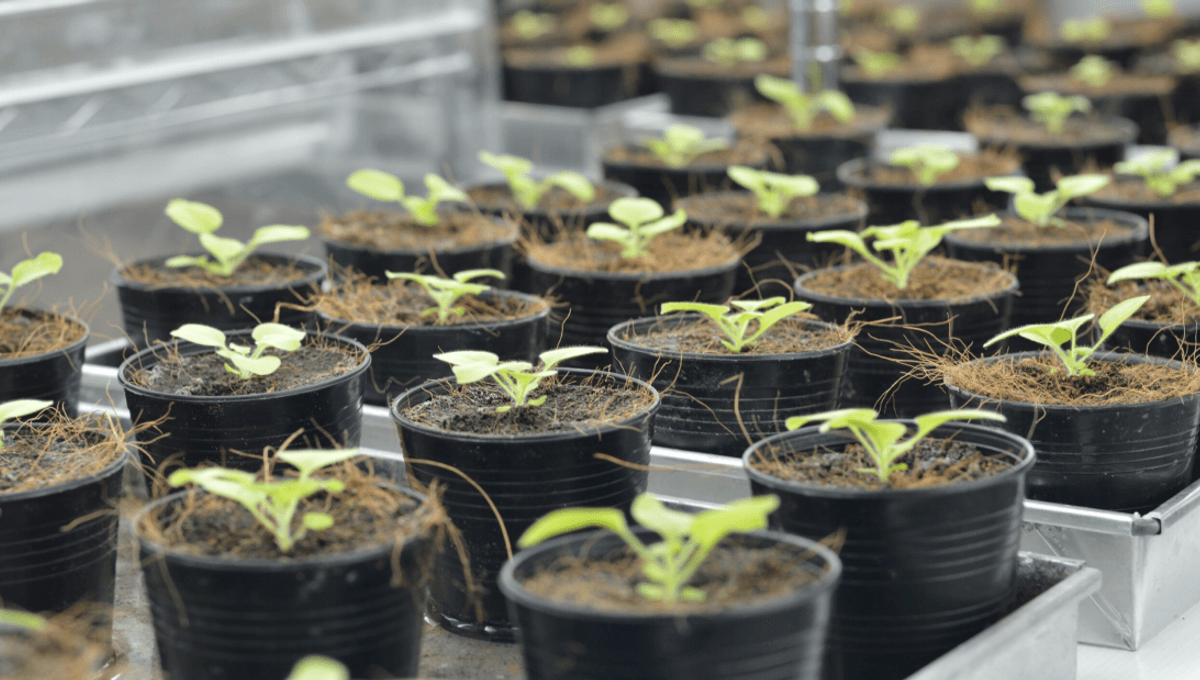
The article discusses how the decline in winter cold and frost days due to climate change disrupts key biological processes in plants and pests, affecting agriculture and ecosystems. Cold is essential for plant vernalization, pest control, and ecological balance, but warming winters threaten these functions, leading to potential crop failures and ecological shifts. Scientists are exploring ways to mimic or stabilize cold responses in plants through genetic and epigenetic techniques to adapt to a changing climate.
science1 year ago

Squirting Cucumbers: Nature's Seed-Launching Marvels

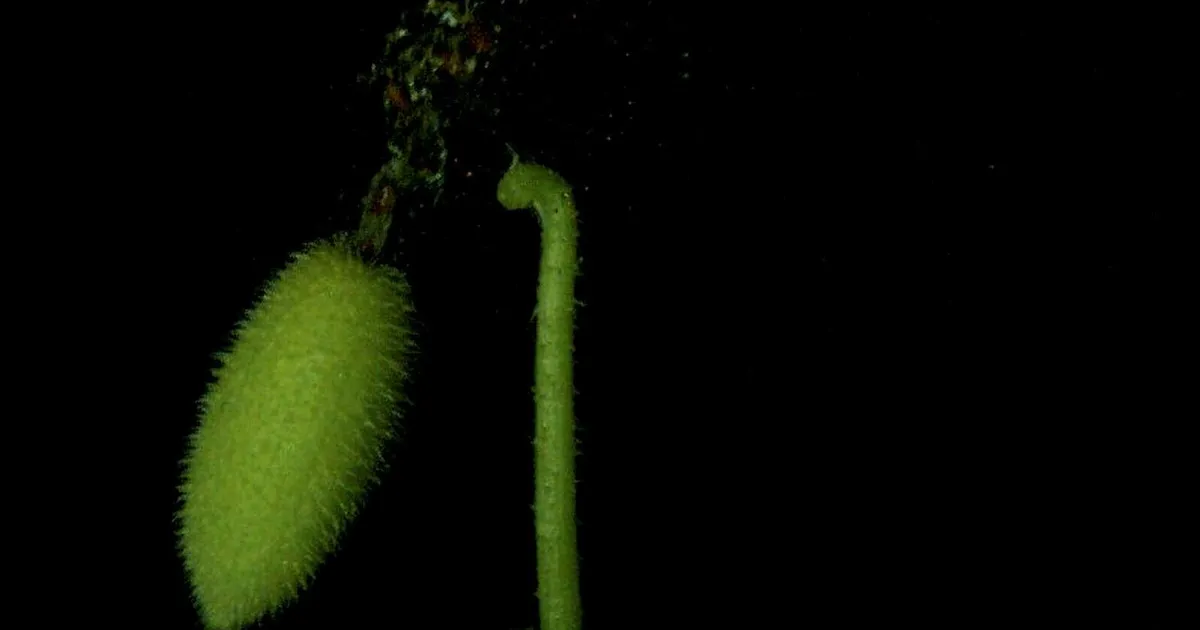
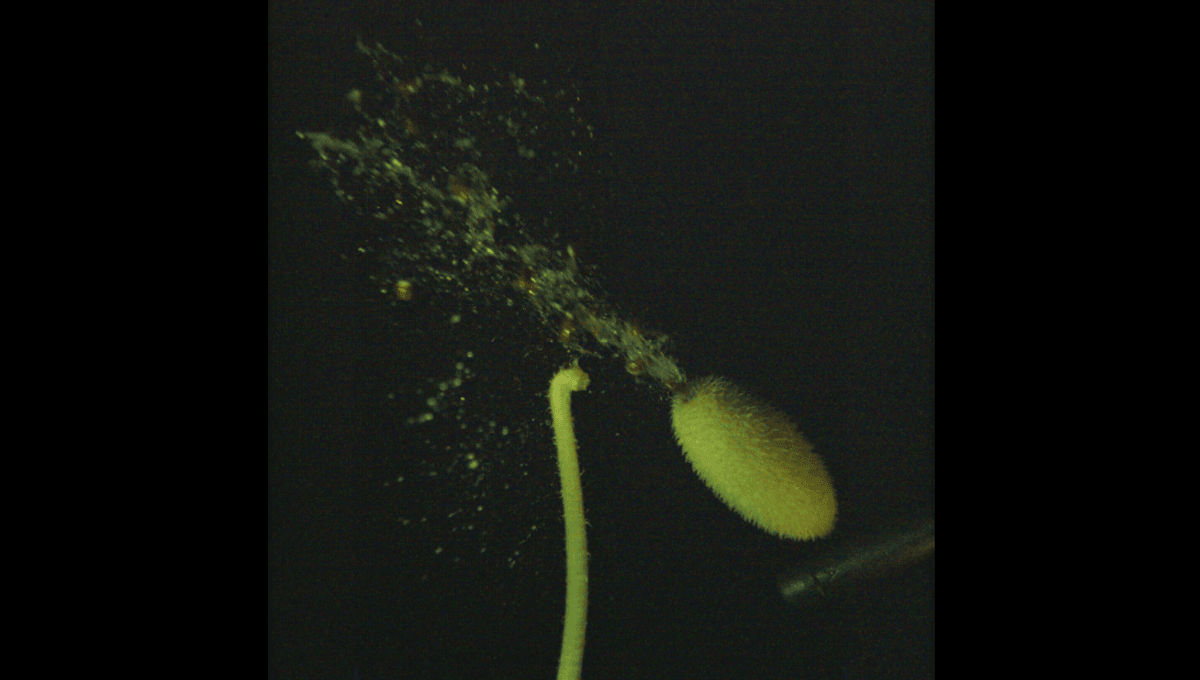
Scientists from the University of Manchester and the University of Oxford have uncovered the unique seed dispersal mechanism of the squirting cucumber (Ecballium elaterium), which uses fluid pressure to launch its seeds up to 10 meters away. This process involves the fruit engorging with mucilaginous fluid, altering the stem's angle for optimal launch, and a rapid recoil that propels the seeds. This adaptation reduces competition among offspring and has been studied since ancient times, with the findings published in PNAS.

science1 year ago

Unveiling the Explosive Seed Launch of Squirting Cucumbers

Researchers have uncovered the dynamics behind the squirting cucumber's explosive seed dispersal, the fastest known in the plant kingdom. The plant, native to the Mediterranean, uses a high-pressure jet of slime to eject seeds up to 12 meters away, minimizing competition and aiding species spread. The study, involving high-speed filming and mathematical modeling, reveals that the fruit's rotation and pressurized fluid redistribution are key to its unique dispersal mechanism.

science1 year ago

Tiny Fern Boasts World's Largest Genome

Researchers have discovered that the fern Tmesipteris oblanceolata from New Caledonia has the largest genome of any known organism, containing over 50 times more DNA than humans. This finding, published in the iScience journal, surpasses the previous record held by Paris japonica and has significant implications for understanding plant biology, evolution, and adaptation in the face of climate change and biodiversity loss. The study involved an international team and highlights the complexity and diversity of plant genomes.

science1 year ago

"Unusual Roots: The Zombie Leaves of a Fern"

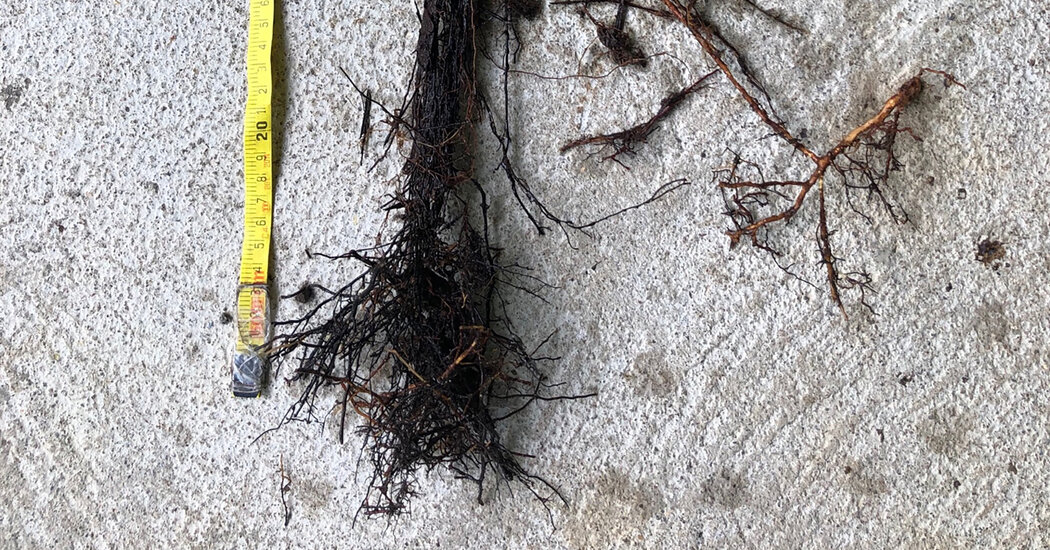
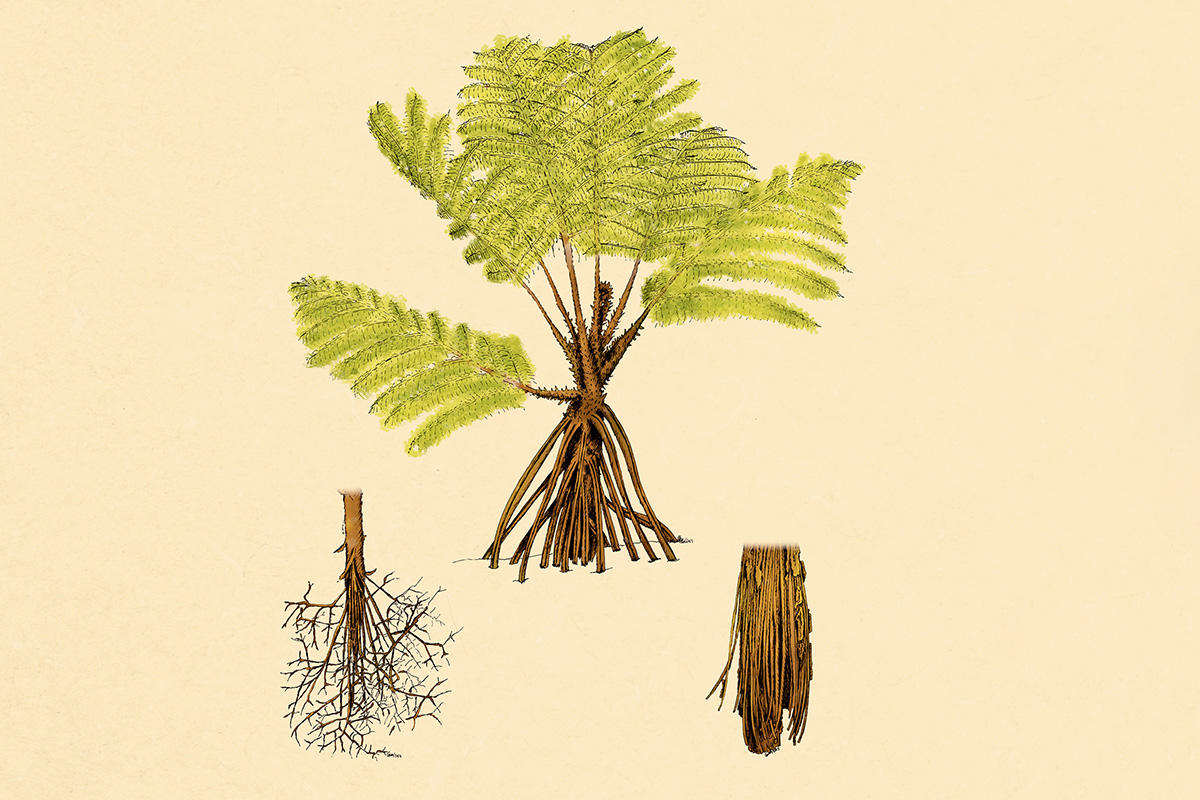
In the rainforests of Panama, scientists discovered a tree fern species, Cyathea rojasiana, that transforms the decaying tissue of its leaves into a new source of nutrients by sprouting unusual roots from the remnants of its dead or dying fronds. This unique process allows the plant to avoid rotting and provides it with a new way to anchor in the soil and obtain nutrients, making it the first known plant species to exhibit this behavior.

science1 year ago

"Plants Use Cell Gaps to Seek Light"

Researchers have discovered that plants, specifically the weed Arabidopsis, use air channels between their cells to scatter light and create a gradient, allowing them to sense the direction of light and grow towards it. This mechanism, based on the phenomenon of refraction, enables plants to "see" with their whole bodies, bypassing the need for discrete organs like eyes. The discovery sheds light on a long-standing mystery in plant biology and could have implications beyond understanding how plants sense light direction.

science1 year ago

"Zombie Tree Fern: Turning Dead Leaves into New Roots"

Scientists have discovered that the Panamanian tree fern, Cyathea rojasiana, has the unique ability to transform its deceased leaf fronds into root-like structures, a phenomenon dubbed "zombie leaves." This adaptation allows the fern to draw nutrients back into the main plant by reversing the flow of water. The discovery sheds light on the plant's ability to thrive in nutrient-poor volcanic soils and highlights the extraordinary diversity of plant adaptations in resource-poor environments.

science-and-technology2 years ago

"Space Salad Health Risks for Astronauts Revealed in New Study"

Researchers at the University of Delaware have found that lettuce and other leafy green vegetables grown in space are more susceptible to bacterial infections, particularly Salmonella, compared to those grown on Earth or under gravity simulations. The study raises concerns about the potential for foodborne illness outbreaks aboard the International Space Station, as the microgravity environment allows pathogens to invade plants more easily. The research suggests that solutions such as sterilized seeds and genetic modifications may be necessary to ensure the safety of space-grown produce for astronauts.

science-and-technology2 years ago

"Study Finds Eating Salad in Space May Not Be Healthy"

New research from the University of Delaware suggests that growing lettuce in space may not be as healthy as previously thought, as plants grown under simulated microgravity conditions were found to be more prone to infections from Salmonella. The study revealed that the plants' stomata, tiny pores used for breathing, remained open when exposed to bacteria, making them vulnerable to invasion. This raises concerns about foodborne illness outbreaks on the International Space Station and highlights the need for further research and potential solutions, such as sterilized seeds and genetic modifications to prevent stomata opening in space environments.

science-and-technology2 years ago

"Study Finds Salad Not Recommended for Space Travel"

Researchers at the University of Delaware have found that lettuce grown under simulated microgravity conditions, similar to those on the International Space Station, is more susceptible to infections from Salmonella. The study raises concerns about the potential for foodborne illness outbreaks in space and the need for better understanding of how bacterial pathogens react to microgravity. The research suggests that solutions such as using sterilized seeds and tweaking plant genetics may be necessary to ensure the safety of space-grown produce for astronauts on long-duration missions.

science-and-agriculture2 years ago

Quinoa Research Debunks Century-Old Theory of 'Water Balloons'

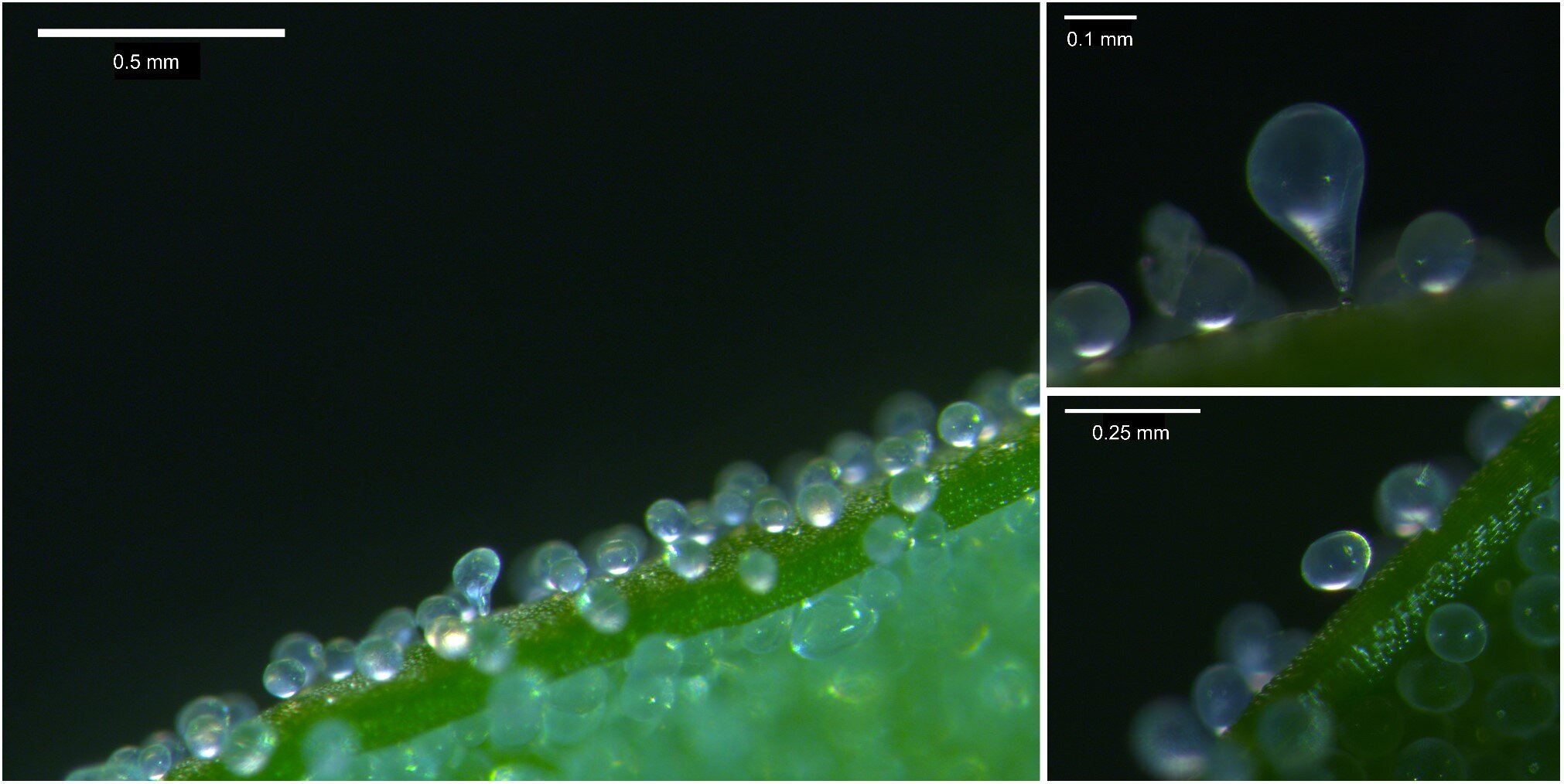
Research from the University of Copenhagen has debunked a 127-year-old theory about the function of bladder cells on the surface of quinoa plants. Previously believed to protect against drought and salt, the study found that bladder cells actually serve as a barrier against pests and diseases. The discovery could lead to the development of more resilient quinoa varieties and wider cultivation of this sustainable crop worldwide.

science2 years ago

"Unveiling the Secrets of a 144-Year-Old Seed Experiment"

Scientists have resurrected hybrid seeds from a secretive 144-year-old experiment conducted by botanist William J. Beal. The experiment involved burying 20 glass bottles filled with 50 seeds in sand to study seed viability. While most species lost viability within 60 years, a high percentage of plants from the Verbascum genus were still able to grow. DNA sequencing confirmed the presence of a hybrid plant, suggesting a mix-up during the experiment's preparation. The study's findings have implications for rare species conservation and ecosystem restoration.

science-and-technology2 years ago

Harnessing Communication: Talking to Plants Through Light

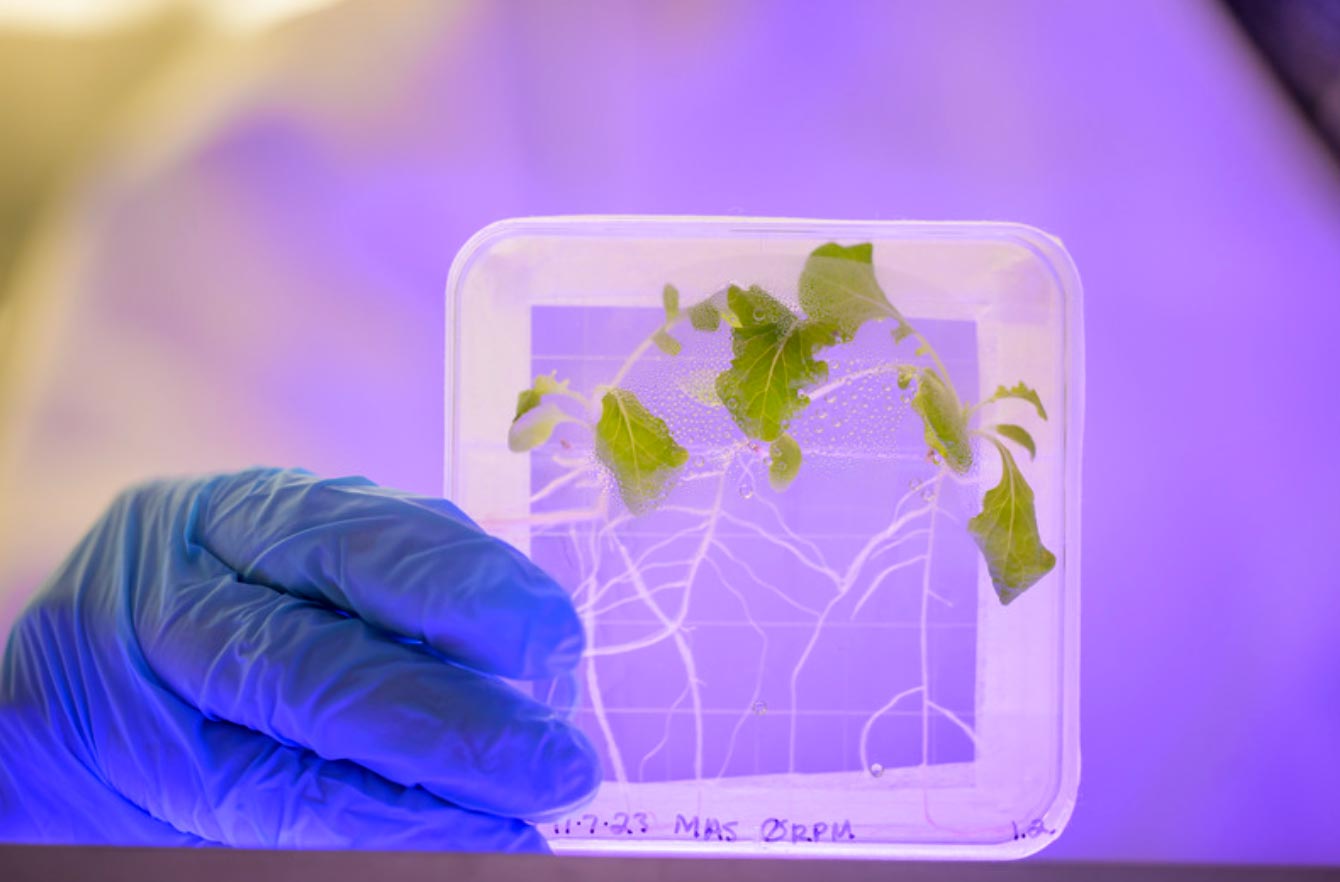
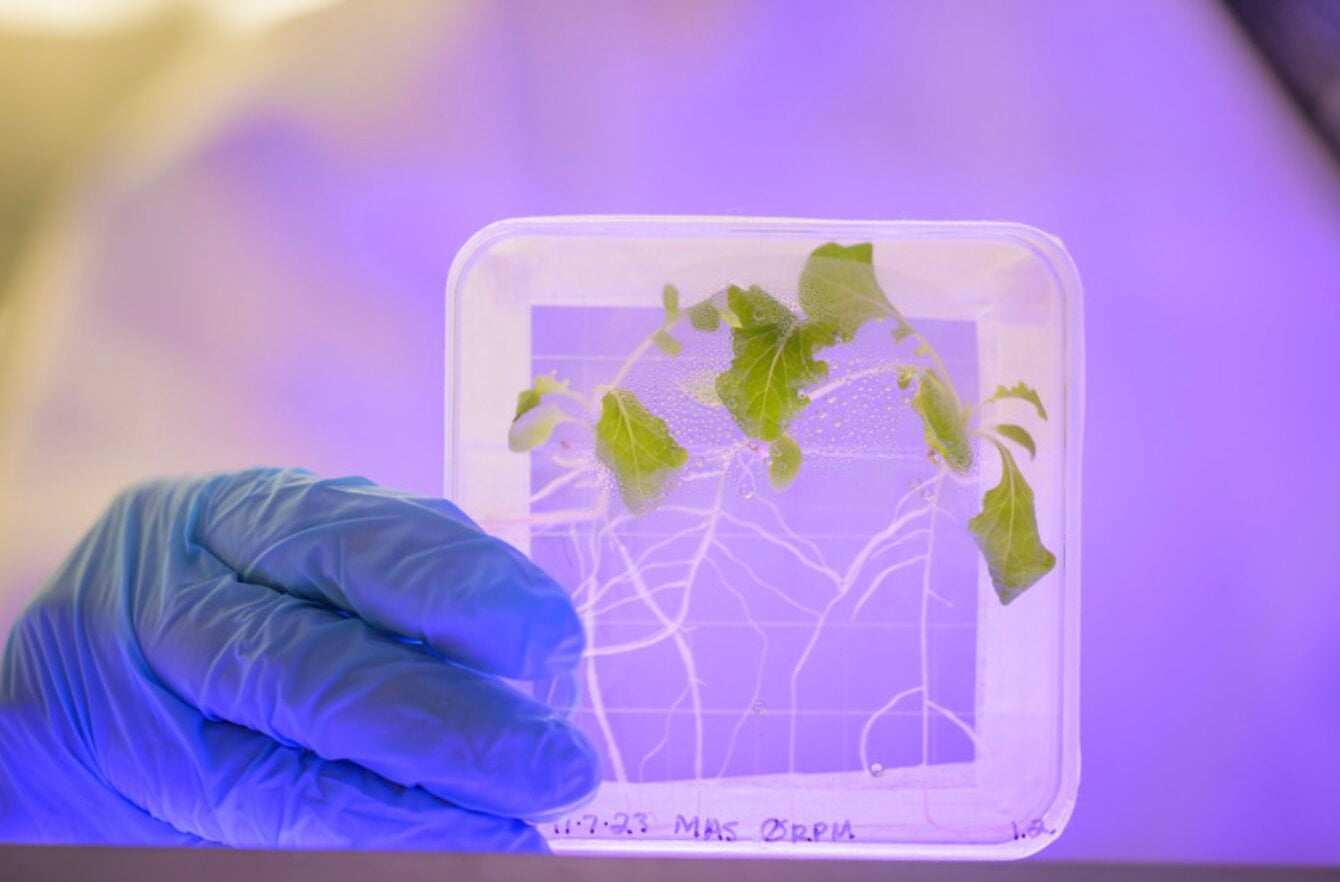
Scientists are using light-based messages to communicate with plants and activate their natural defense mechanisms. By warning plants of impending dangers such as disease outbreaks or pest attacks, plants can adjust their growth patterns or conserve water, leading to more efficient and sustainable farming practices. The researchers used a technology called Highlighter to manipulate gene activation in plants using light, a process known as optogenetics. This breakthrough opens up possibilities for studying plant biology and improving crop traits through precise light conditions.

science2 years ago

Mapping Venus Flytrap's Electrical Pulses with Bioelectronic Technology

Researchers have successfully mapped the electrical signals that trigger the deadly movement of Venus flytraps for the first time. Using thin-film sensors and electrodes, the team measured and recorded the electrical impulses generated by the plant's sensory hairs. The study revealed that the signals propagate at a constant speed from tripped sensory hairs, triggering the trap to close. Surprisingly, the researchers also found spontaneous electrical signals originating from unstimulated hairs. Further research is needed to understand the function of these signals and how electrical impulses propagate in plants. Decoding these signals could provide insights into plant functioning and stress responses.