Tag

Sahara Desert

All articles tagged with #sahara desert

Satellite Images Reveal the Secrets of the Eye of the Sahara

Originally Published 1 month ago — by The Daily Galaxy

Featured image for Satellite Images Reveal the Secrets of the Eye of the Sahara
Source: The Daily Galaxy

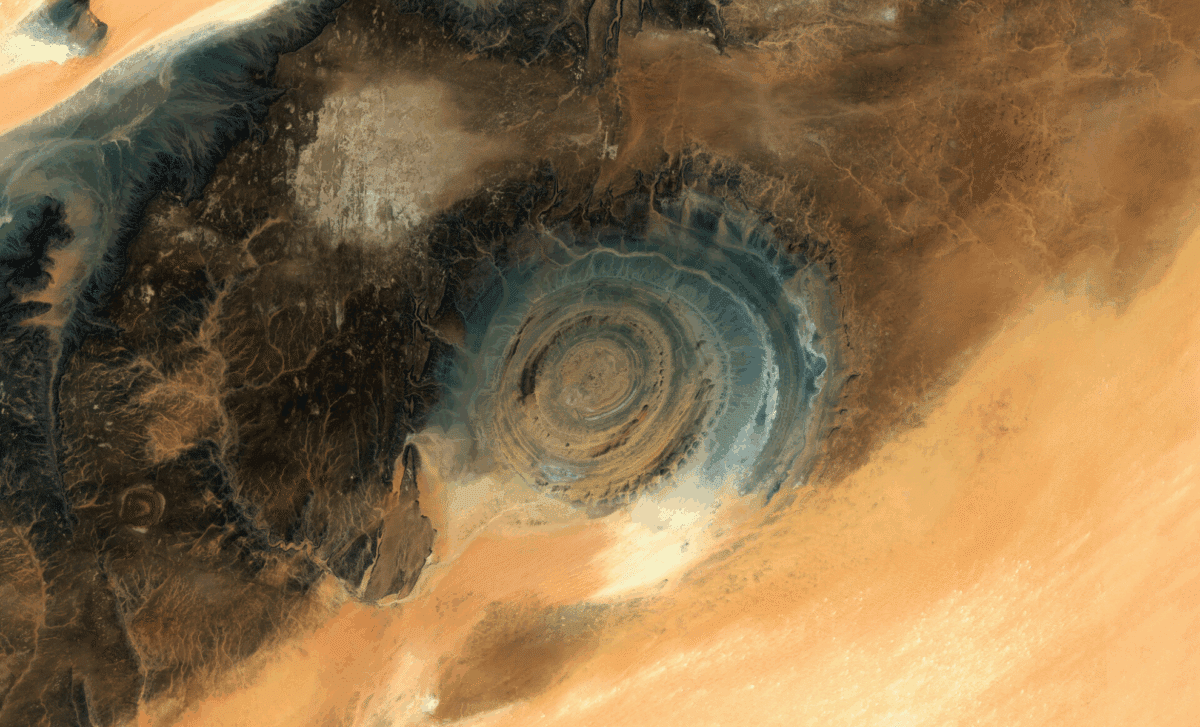
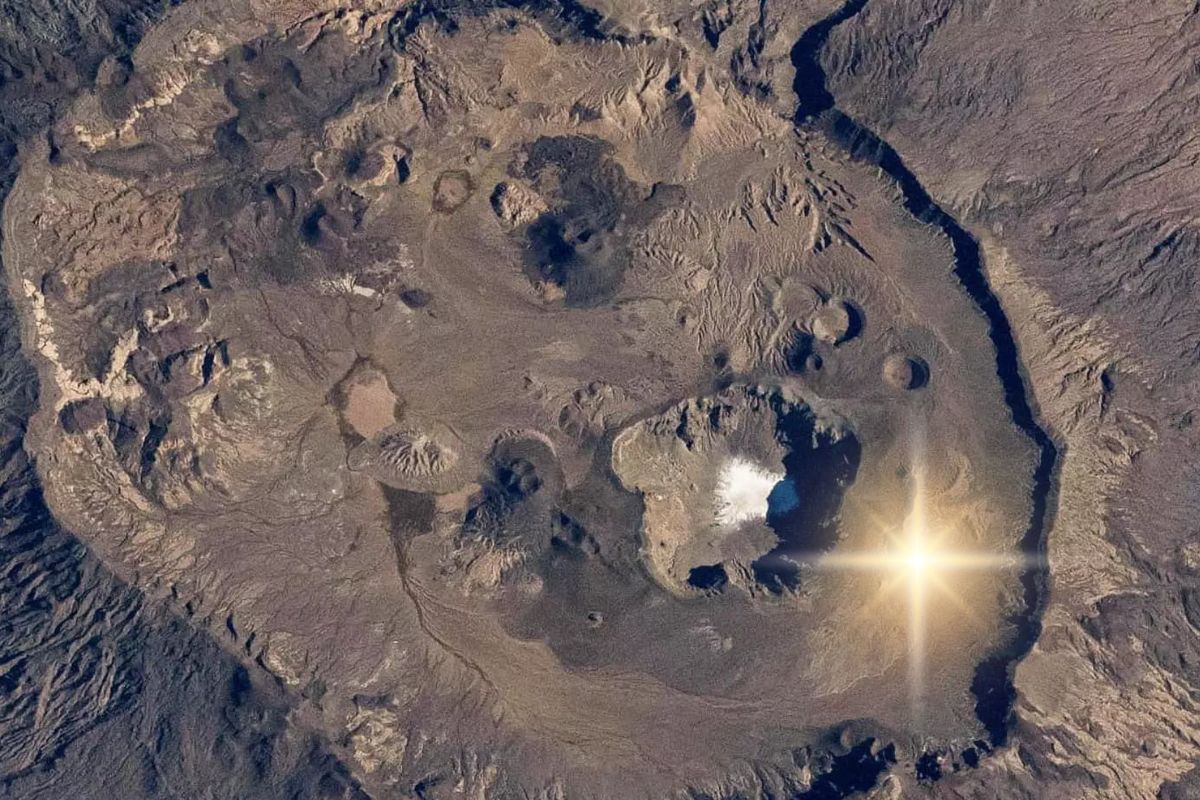
The 'Eye of the Sahara,' or Richat Structure, is a 50-kilometer-wide geological formation in Mauritania, visible from space and formed by ancient geological uplift and erosion. Recent satellite imagery from ESA reveals its layered sedimentary rocks, signs of erosion, and some desert life, providing valuable insights into Earth's geological history and ecosystem, showcasing ESA's role in Earth observation.

Space View of Saharan 'Star Dunes' and Borderland Terrain

Originally Published 3 months ago — by Live Science

Featured image for Space View of Saharan 'Star Dunes' and Borderland Terrain
Source: Live Science

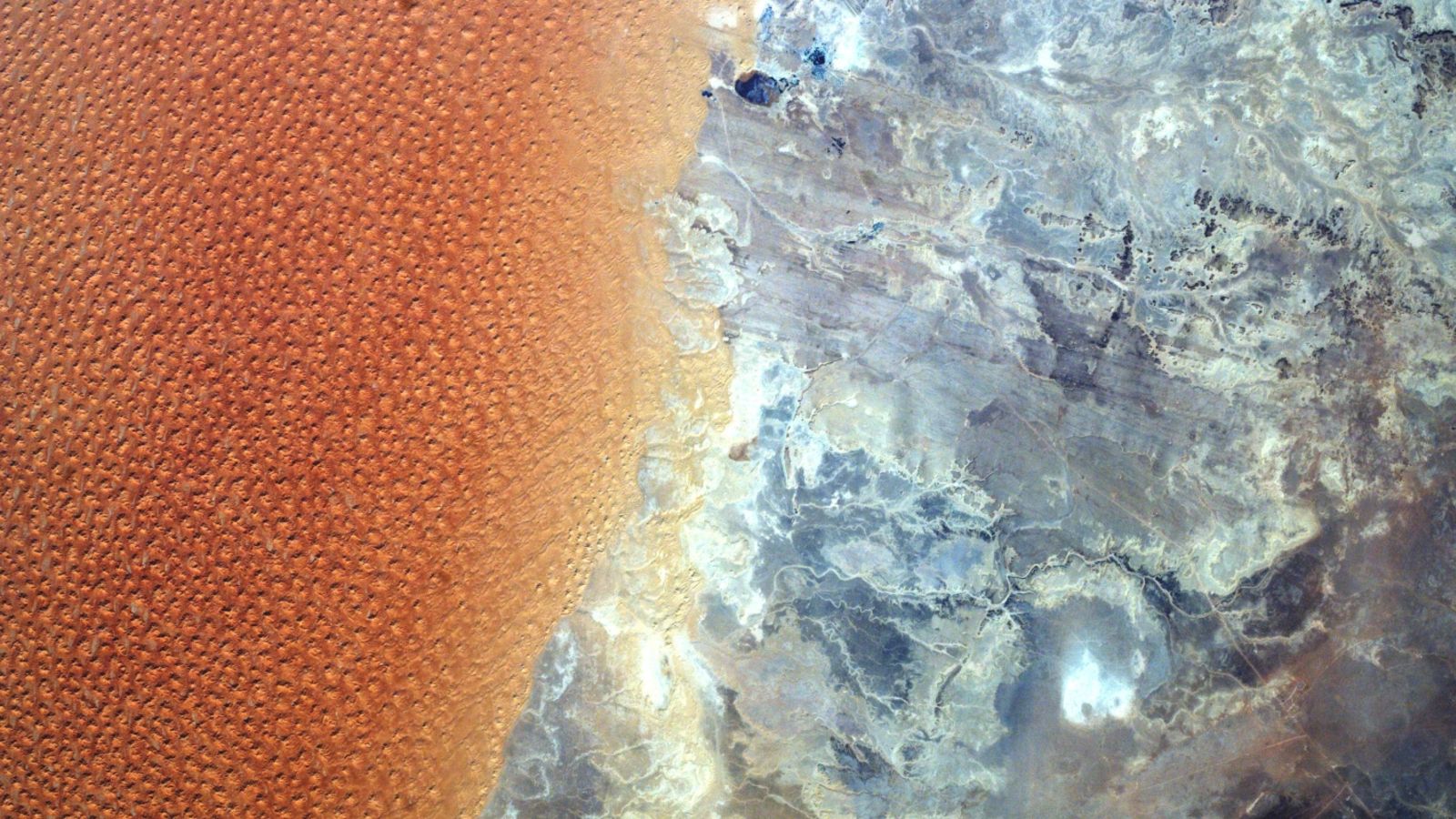
A satellite image captures the striking contrast between a field of 'star dunes' in Algeria and rocky terrain in Libya within the Sahara Desert, highlighting geological and ecological interactions shaped over millions of years, with the border between the two countries running through the scene.

Scientists Discover First Meteorites from Mercury on Earth

Originally Published 6 months ago — by CNN

Featured image for Scientists Discover First Meteorites from Mercury on Earth
Source: CNN

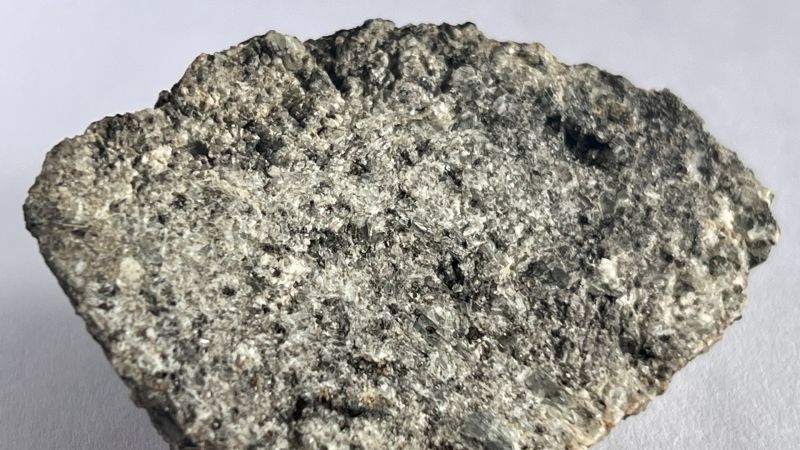
Scientists have found two meteorites in the Sahara that may originate from Mercury, potentially providing the first physical samples from the planet, though their exact origin remains uncertain due to age discrepancies and compositional differences. These findings could significantly enhance understanding of Mercury and the early solar system, especially with upcoming missions like BepiColombo.

Stunning Space Views: Sahara's Meteor 'Eye' and Earth's Impact Craters

Originally Published 1 year ago — by Livescience.com

Featured image for Stunning Space Views: Sahara's Meteor 'Eye' and Earth's Impact Craters
Source: Livescience.com

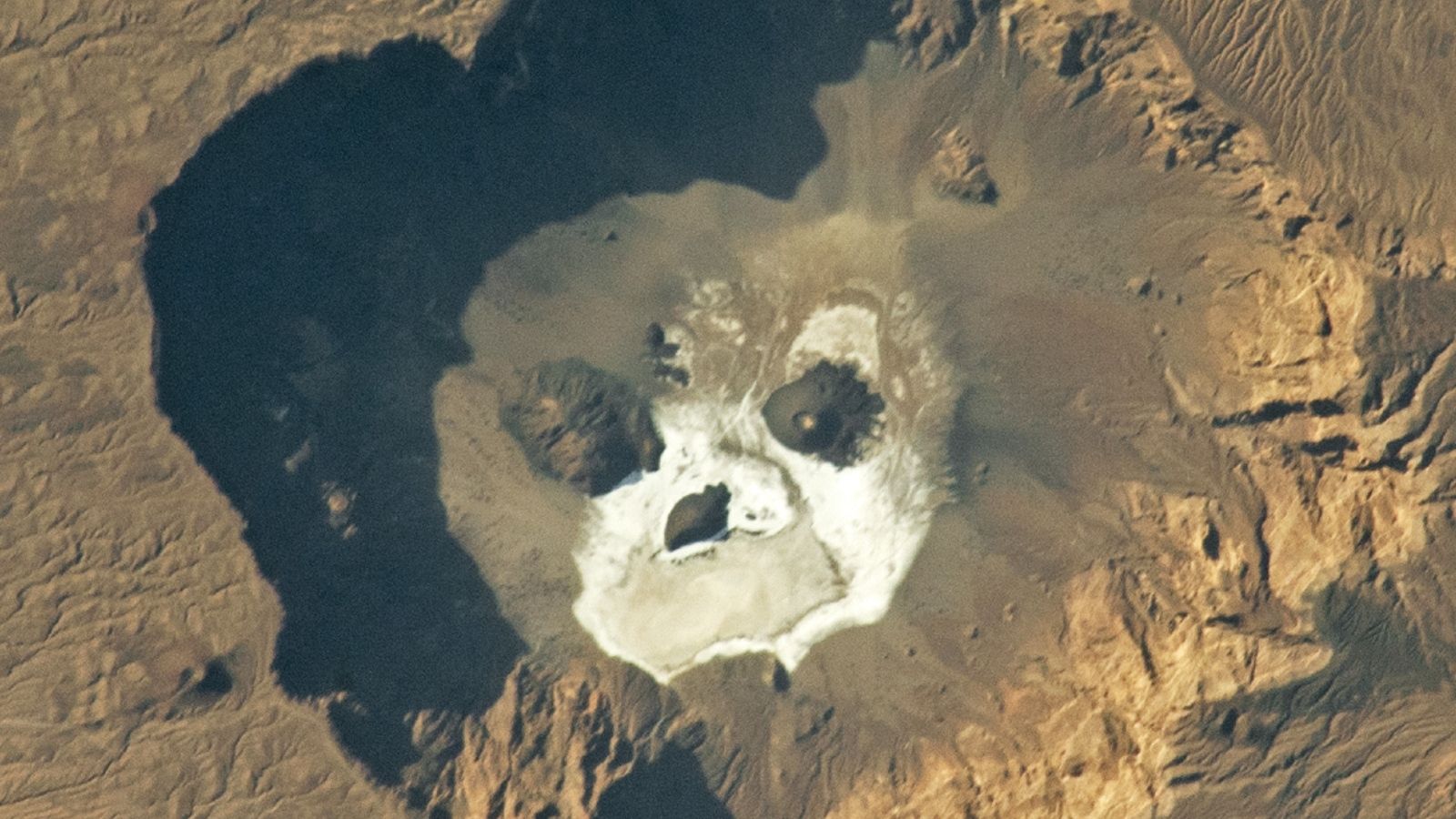
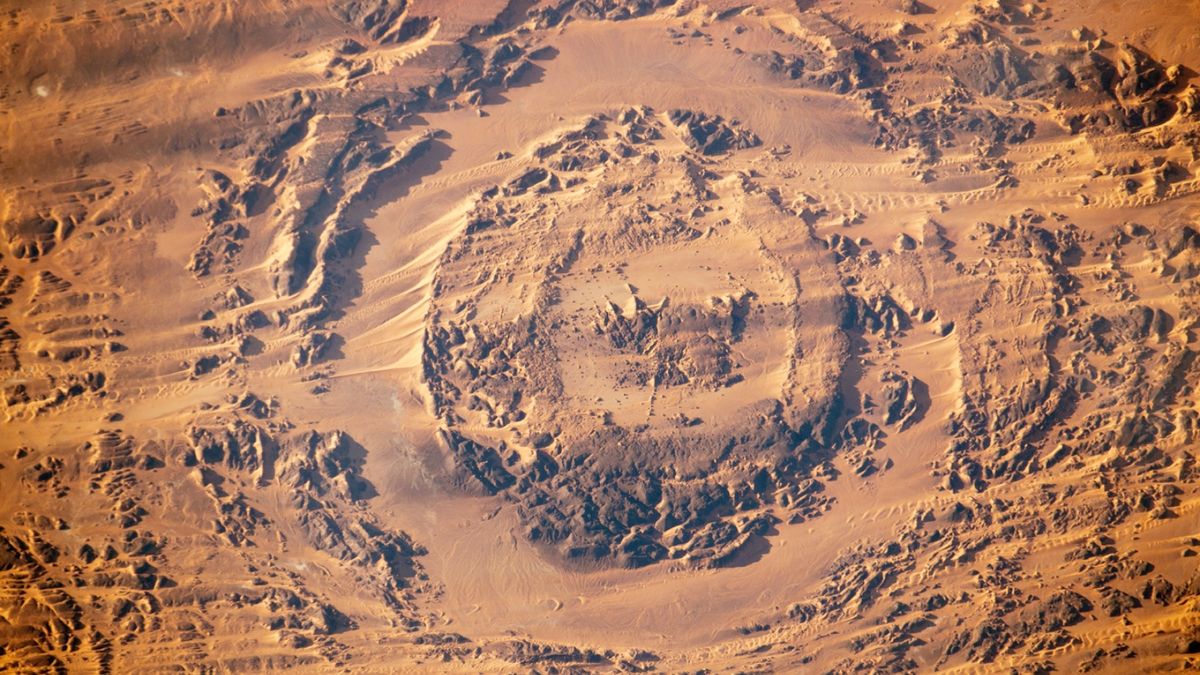
The Aorounga structure in the Sahara Desert, Chad, is an 8-mile-wide impact crater formed by a "city-killer" asteroid around 345 million years ago. Captured in a 2013 photo by an astronaut aboard the ISS, the crater's eye-like appearance is due to its two rings, with migrating sand dunes surrounding it. These dunes, known as barchan dunes, move significantly over time, as tracked by satellite images. The crater may be part of a "crater chain," with smaller craters nearby suggesting fragments of the original meteor impacted the area.

Unraveling the Enigma of the Sahara's Star Dune

Originally Published 1 year ago — by VOA Learning English

Featured image for Unraveling the Enigma of the Sahara's Star Dune
Source: VOA Learning English

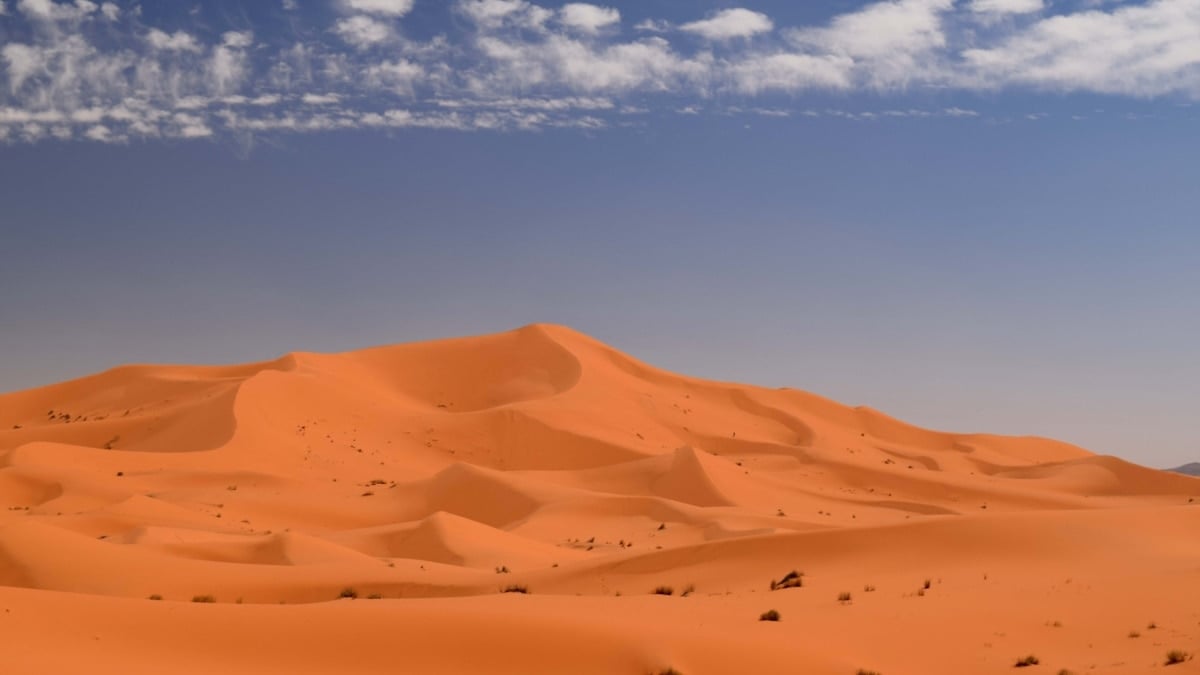
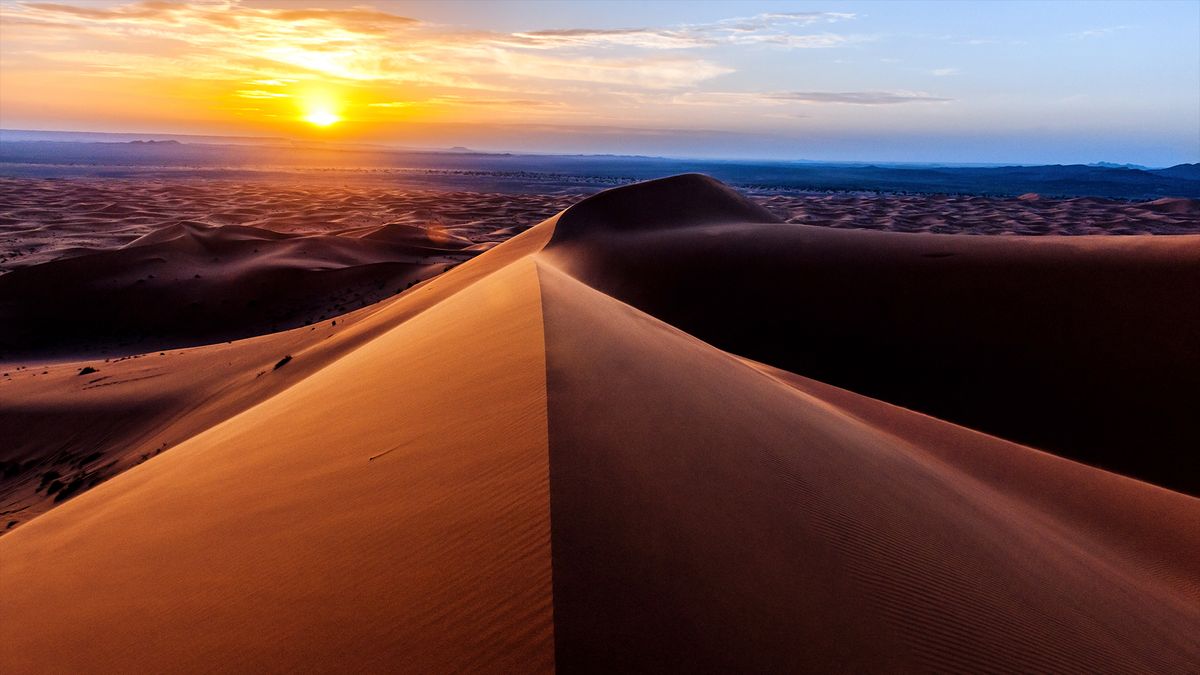
Researchers have used radar and other technologies to study a large star dune in eastern Morocco, uncovering details about its formation and development. The study, led by British researchers, used radar to examine the dune's structure and luminescence dating to estimate its age. The star dune is estimated to be about 13,000 years old and is moving at a rate of about 50 centimeters a year. Star dunes make up just 10 percent of all dunes in Earth's deserts and have also been observed on Mars and Saturn's moon Titan.

Unraveling the Enigma of the Sahara's Moving 'Star Dune'

Originally Published 1 year ago — by Livescience.com

Featured image for Unraveling the Enigma of the Sahara's Moving 'Star Dune'
Source: Livescience.com

A new study published in Scientific Reports reveals that the enormous star dune in Morocco's Erg Chebbi dune field formed in less than 1,000 years, defying expectations of its age. Using ground-penetrating radar and sand samples, researchers found that the dune is only 900 years old, with a history shaped by climate shifts in the Sahara. This discovery challenges the difficulty of identifying ancient star dunes and sheds light on the dynamic nature of desert landscapes.

Unveiling the Secrets of Earth's Enormous Moving Star Dunes

Originally Published 1 year ago — by CNN

Featured image for Unveiling the Secrets of Earth's Enormous Moving Star Dunes
Source: CNN

Scientists studying a star dune in the Sahara Desert have uncovered surprising insights into its age, growth, and movement. Using radar scans and sand grain analysis, they found that the dune's base formed around 13,000 years ago, with most of its growth occurring over the past 1,000 years. The research also addressed the mystery of the scarcity of ancient evidence of star dunes, suggesting that eroded parts of their preserved structures may have been previously identified as remnants of other dune types.

Unveiling the Secrets of Earth's Magnificent Star Dunes

Originally Published 1 year ago — by Reuters

Featured image for Unveiling the Secrets of Earth's Magnificent Star Dunes
Source: Reuters

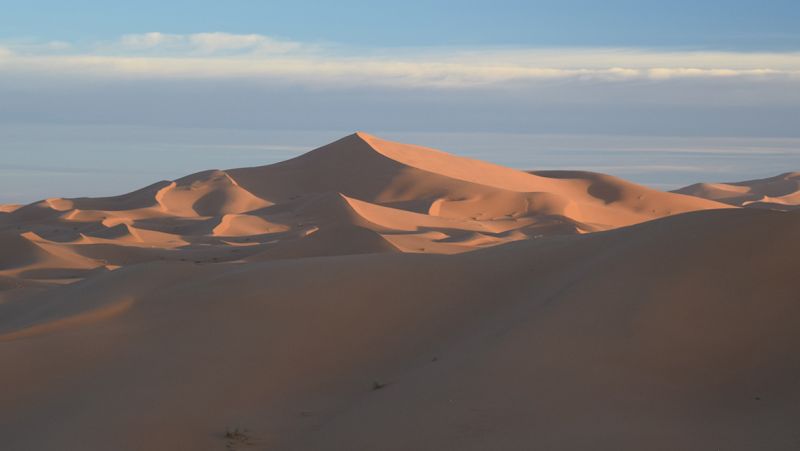
Scientists have conducted the first comprehensive study of a star dune, revealing the internal structure and formation process of these pyramid-shaped sand formations. The study focused on the Lala Lallia star dune in eastern Morocco, showing that it took about 900 years for the dune to form, accumulating roughly 6,400 metric tons of sand annually. Star dunes, which make up just under 10% of Earth's desert dunes, are the tallest and are formed in areas with complex wind regimes. The researchers' findings provide insight into identifying ancient star dunes in the geological record and highlight the awe-inspiring landscapes they create.

"Uncovering the Mystery of the Lost Chinguetti Meteorite: New Evidence and Search Strategies"

Originally Published 1 year ago — by Phys.org

Featured image for "Uncovering the Mystery of the Lost Chinguetti Meteorite: New Evidence and Search Strategies"
Source: Phys.org

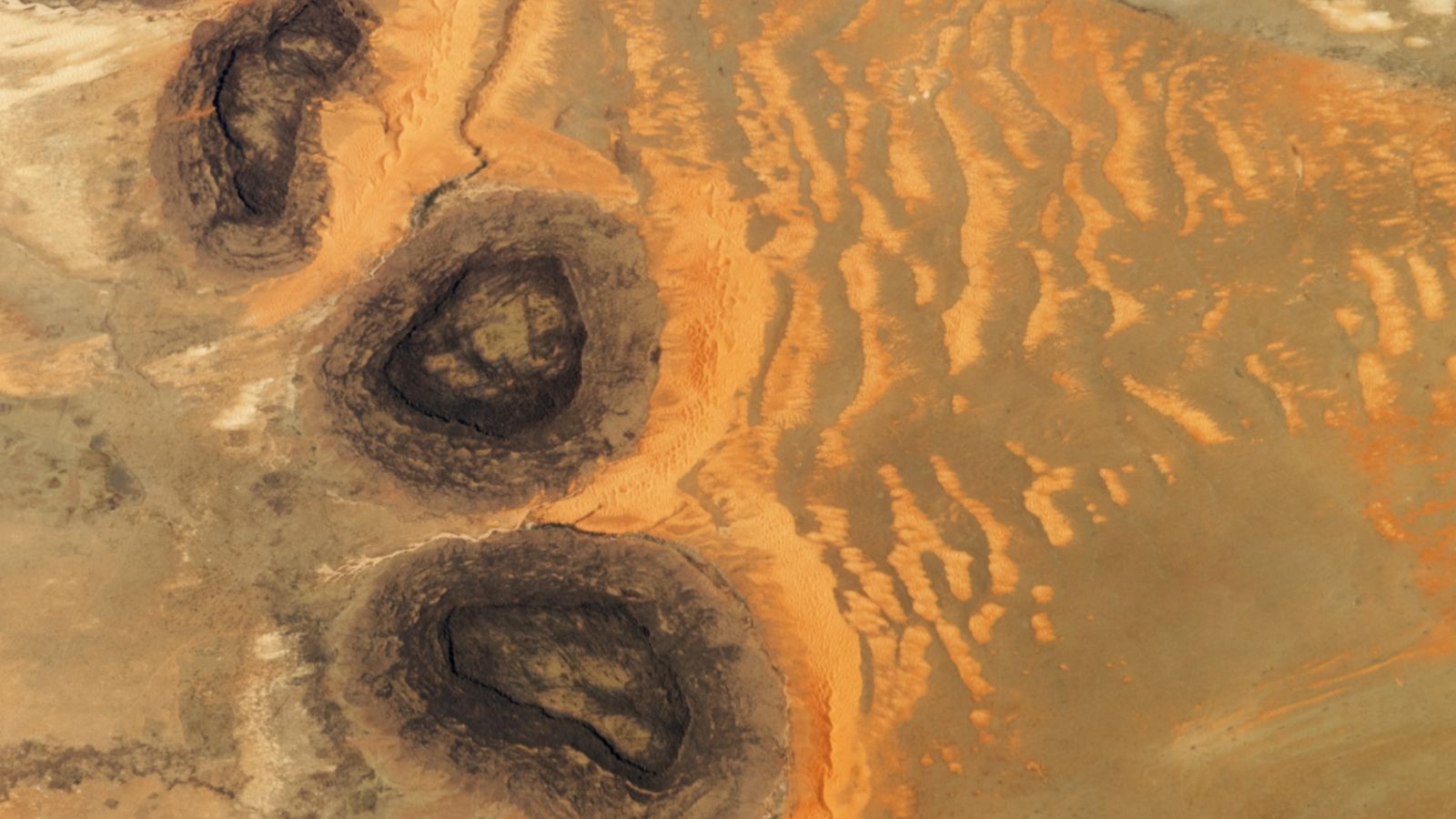
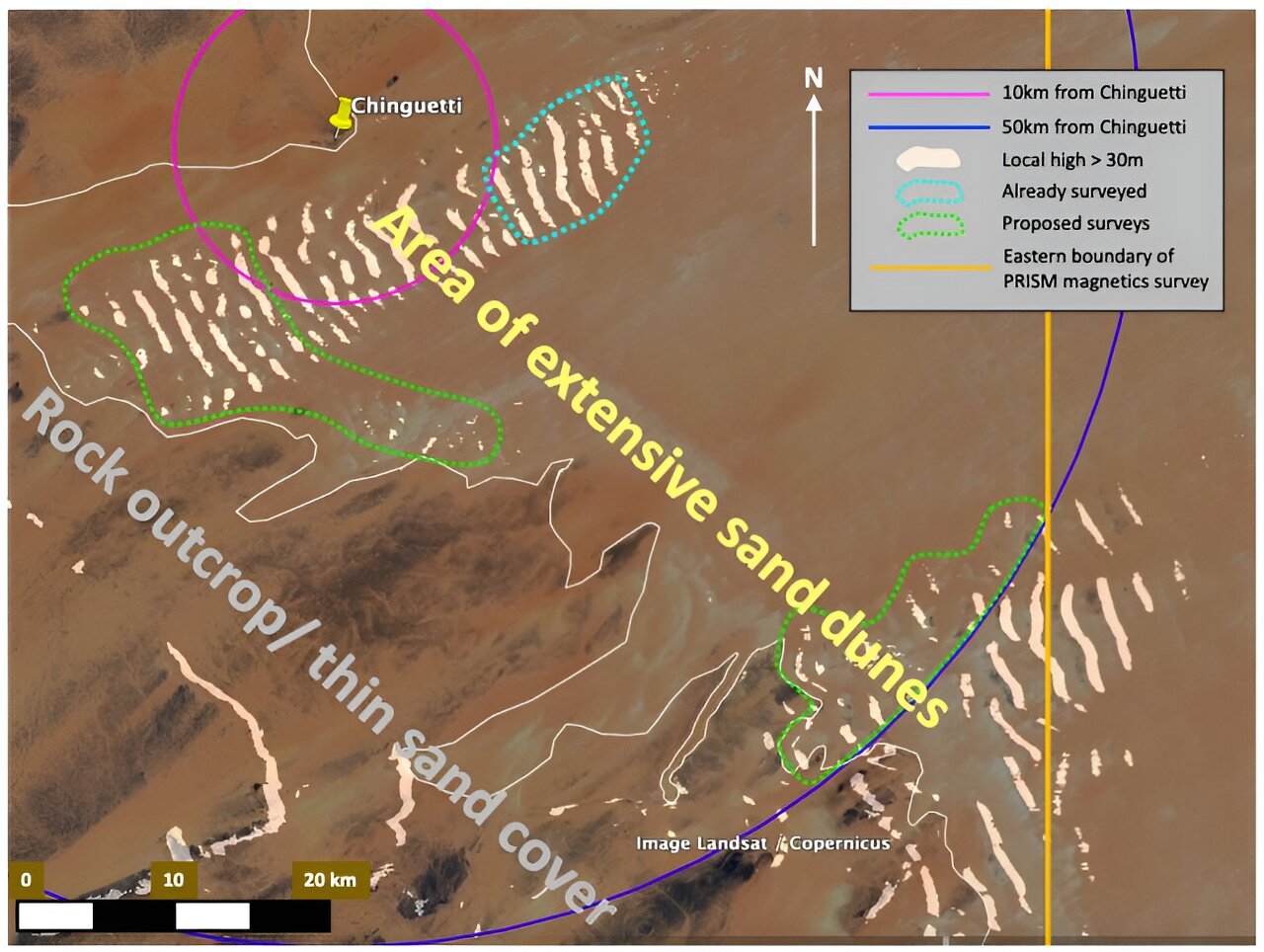
Physicists propose a new method to confirm the existence of the Chinguetti meteorite by suggesting a magnetometer-based survey of specific areas in the Sahara desert where it could potentially be located. The researchers re-evaluated existing evidence and identified two likely areas where the meteorite might be buried under sand dunes, emphasizing that previous searches may have been conducted in the wrong area. This approach offers a promising opportunity to finally solve the mystery surrounding the elusive Chinguetti meteorite.

"Sahara Desert: A Stunning Alien Landscape Captured by NASA"

Originally Published 1 year ago — by NDTV

Featured image for "Sahara Desert: A Stunning Alien Landscape Captured by NASA"
Source: NDTV

NASA's Johnson Space Center captured stunning footage of the Sahara Desert from space, showing sandstorms and cumulonimbus clouds covering the desert, giving it an "alien-looking planet" appearance. Internet users were mesmerized by the view, with one user commenting on the unique perspective it offers of Earth's diverse landscapes. The Sahara Desert, located in Northern Africa, is the largest hot desert in the world, known for its harsh climate and diverse landscapes.

"Exploring the Sahara Desert's Extreme Railway to an Iron Ore Mine"

Originally Published 1 year ago — by Daily Mail

Featured image for "Exploring the Sahara Desert's Extreme Railway to an Iron Ore Mine"
Source: Daily Mail

Mykolas Juodele embarked on a remarkable journey by freight-train hopping in the Sahara Desert on the Mauritania Railway, which transports iron ore across the desert. The 437-mile track links Nouadhibou city's port with the mines of Zouerat, and the journey takes between 16 and 20 hours one way. Passengers, including local shepherds and workers, endure the challenging ride, making the best of it by cooking, sleeping, and socializing. Mykolas was impressed by the resilience of his fellow passengers and left with a changed perception of Mauritania, finding the country and its people to be hospitable and accommodating despite its negative reputation.

"Uncovering Hidden Water Reserves: The Secret Beneath the Sand"

Originally Published 2 years ago — by nasa.gov

The Kufrah district in southern Libya, located in the Sahara Desert, holds a vast fossil aquifer and remnants of dried rivers beneath its arid surface. The region's farmland in Al Jawf is irrigated using water from the Nubian Sandstone Aquifer, which dates back thousands of years when the area had a more temperate climate. The Great Man-Made River, one of the world's largest irrigation projects, supplies 70 percent of Libya's water by transporting fossil water from the aquifer to major cities along the Mediterranean coast.