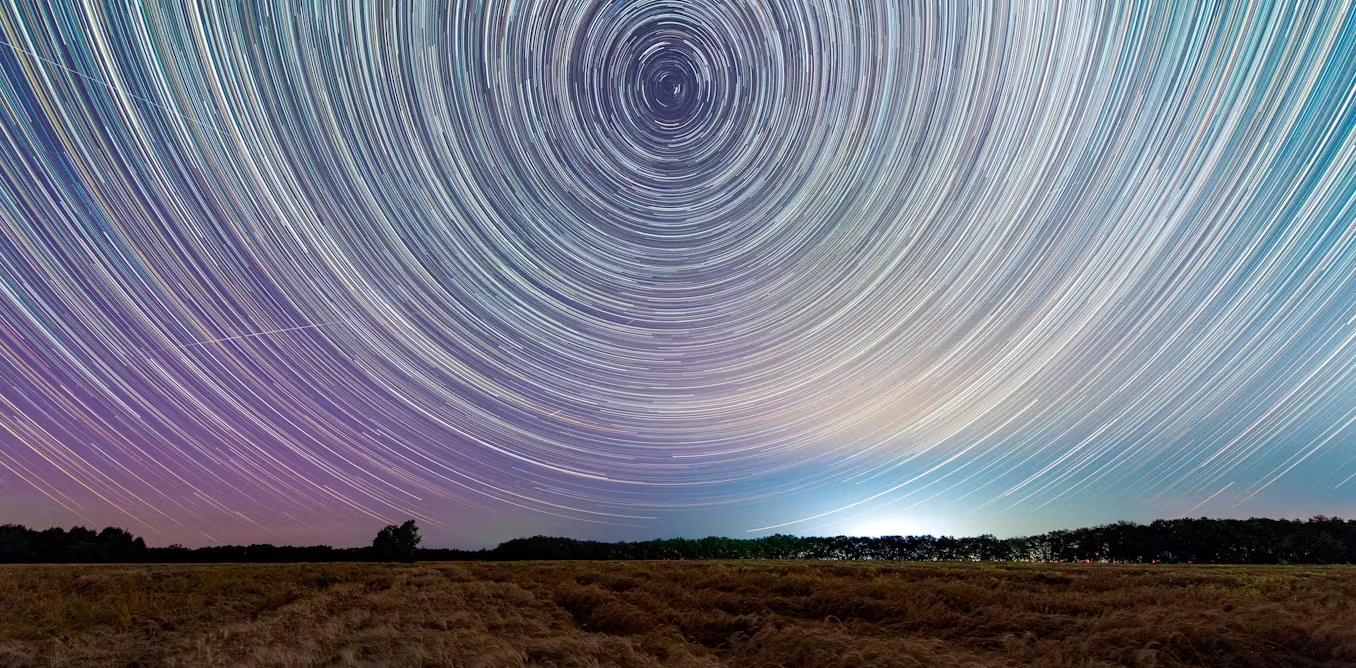
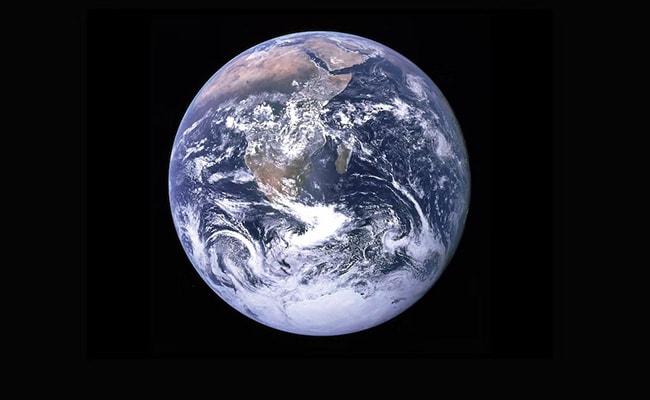
The article explains why we can't feel Earth's movement despite its high speeds, highlighting that Earth's steady, smooth motion and gravity keep us grounded, and that we observe Earth's movement through astronomical clues like day/night cycles and changing star positions.
The autumnal equinox marks the start of fall in the Northern Hemisphere, with day and night approximately equal in length, and is celebrated worldwide with festivals and cultural events. It also coincides with the spring in the Southern Hemisphere and includes a potential lunar eclipse for some regions.
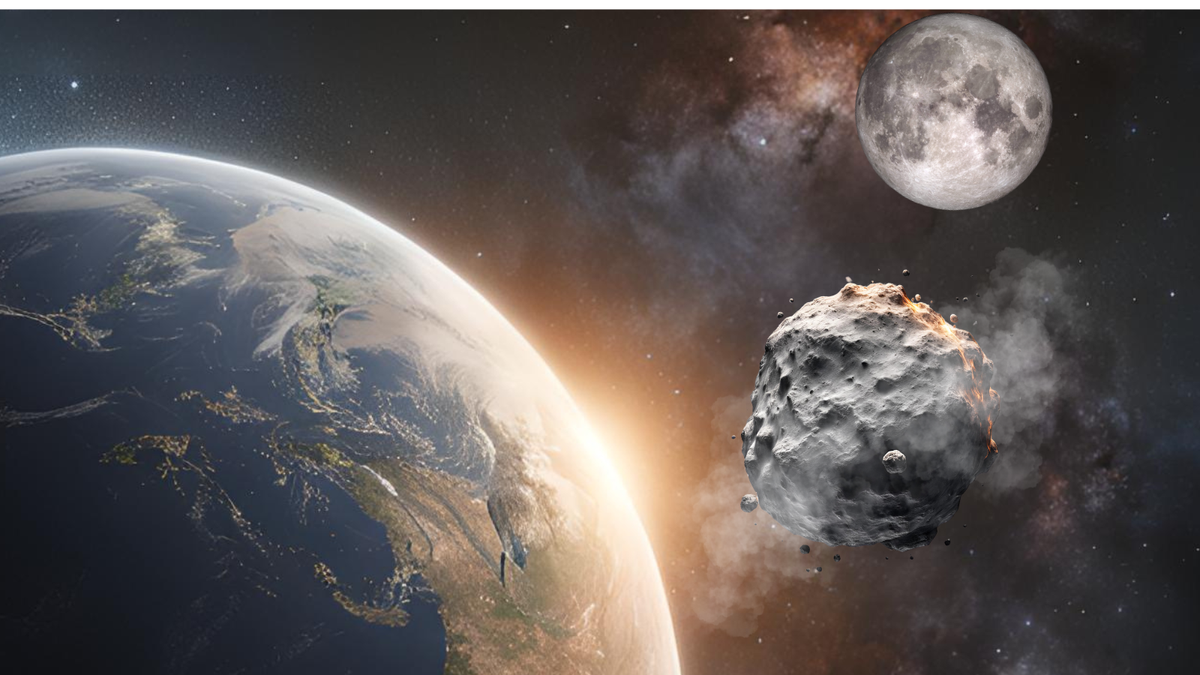
Earth's temporary 'second moon,' asteroid 2024 PT5, is believed to have originated from lunar material ejected during ancient collisions. This mini-moon, captured briefly by Earth's gravity, will leave on November 25, 2024, returning to the Arjuna asteroid belt. Its rapid rotation and spectral analysis support its lunar origin, suggesting it may be a fragment from the moon's surface. Such mini-moons are transient visitors, and ongoing surveys are expected to detect more in the future.
Research suggests that passing stars can alter Earth's orbit, limiting scientists' ability to study the links between past changes in Earth's orbit and climate. Simulations show that a star passing near the solar system can significantly affect Earth's path, shortening the forecasting time span from 77 million years to just 62 million years in the past. The study's findings have implications for understanding ancient climate changes and may impact future predictions of Earth's orbital evolution.
Leap years, which occur every four years, are a result of the Earth's orbit taking roughly 365.24219 days to complete, leading to the need for an extra day every four years to keep the calendar in sync with the solar year. The rules governing leap years are complex, with exceptions at the turn of centuries and the requirement for a year to be divisible by 400 to be a leap year. These adjustments are necessary to prevent the calendar from falling out of sync with the seasons due to the Earth's axial tilt, and to maintain accuracy in timekeeping.
Leap years exist because it takes 365.2422 days for Earth to orbit the sun, resulting in a quarter-day discrepancy each year. An animation by planetary scientist James O’Donoghue illustrates this, showing that without leap years, the calendar would drift over time. The current leap year system, established by Pope Gregory, includes exceptions to maintain accuracy, such as skipping leap years divisible by 100 unless they're also divisible by 400. While some propose a new calendar without leap days, the current chaotic calendar has its merits, and for now, we get an extra day this year due to the leap year system.
New research suggests that encounters between the sun and other stars have influenced Earth's orbit and climate over the eons, causing major climate events in the planet's history. These encounters have led to perturbations in the orbits of the solar system's giant planets, which in turn affect Earth's trajectory around the sun. The study reveals that these stellar encounters have made predictions of Earth's past orbital evolution highly uncertain, challenging previous models and suggesting a broader spectrum of orbital behavior than previously thought.
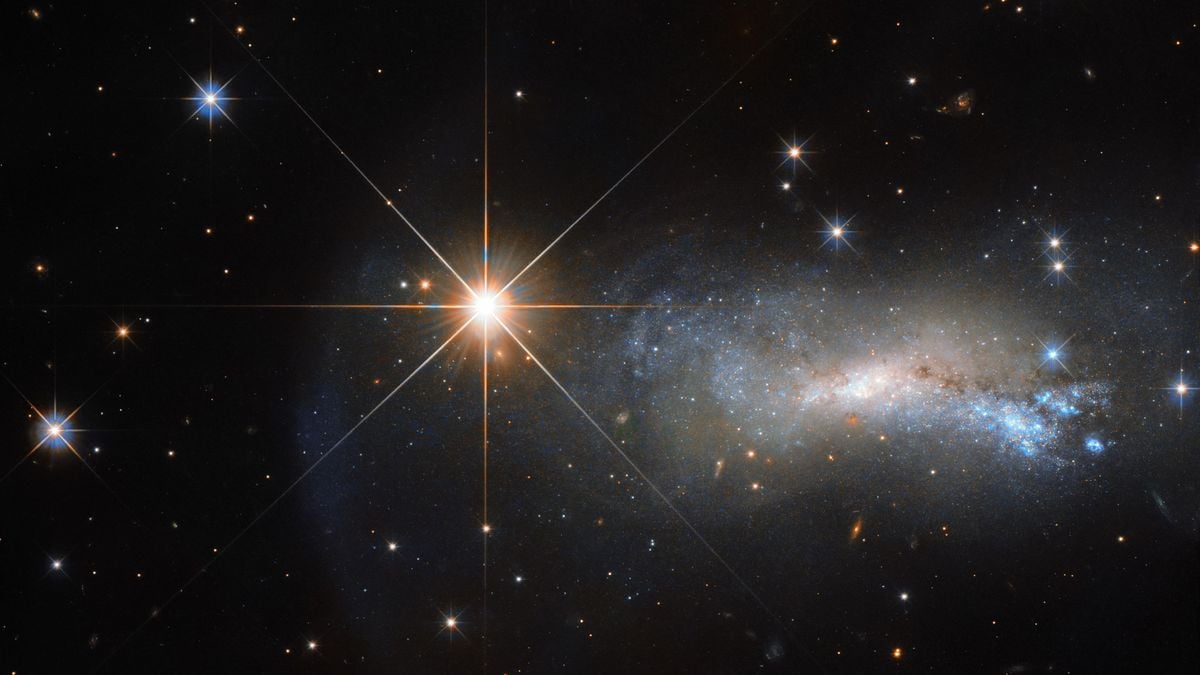
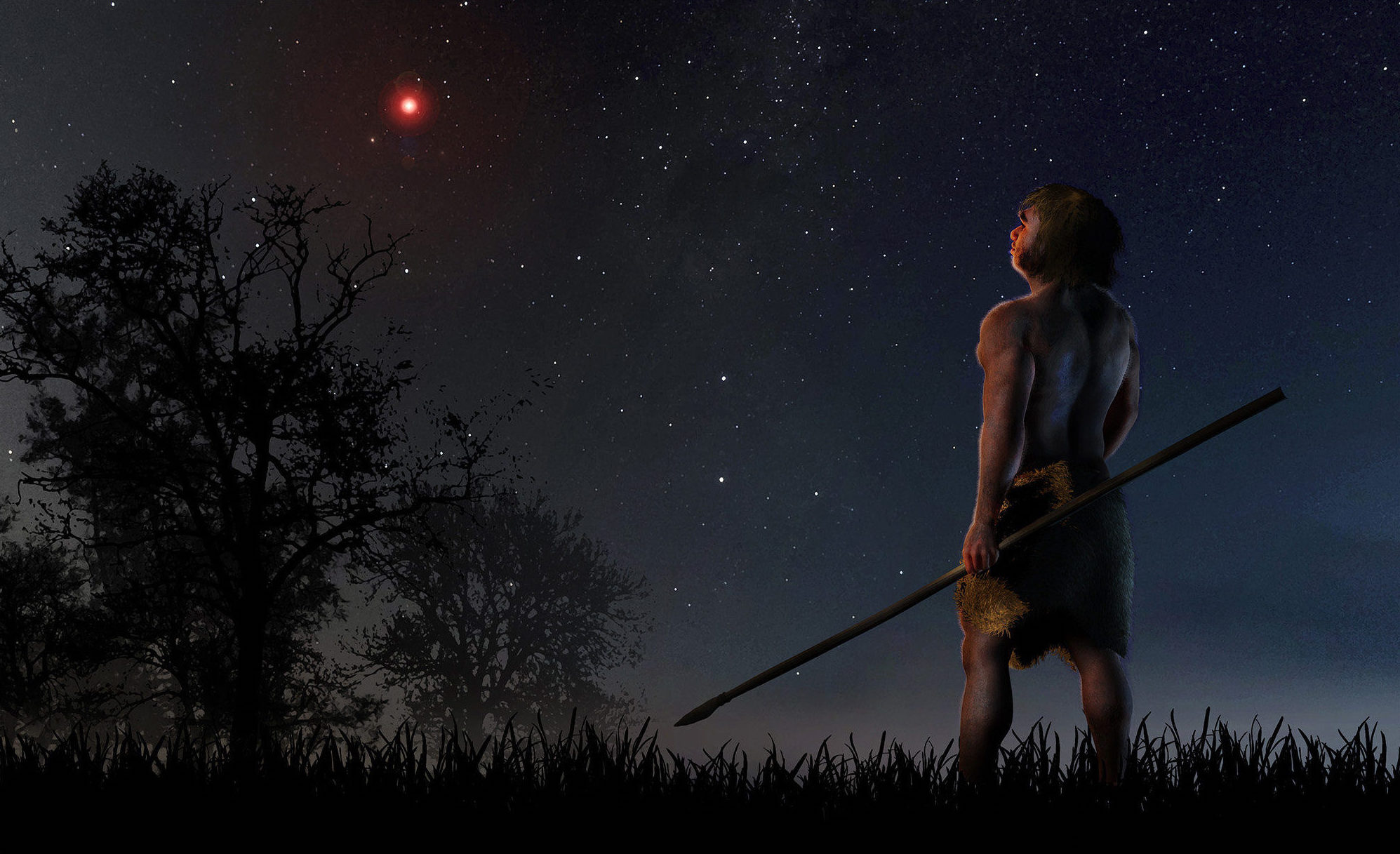
A recent study suggests that a passing star, HD-7977, which came within 31,000 astronomical units of the Sun nearly 3 million years ago, may have altered Earth's orbit. Researchers argue that such "stellar encounters" could have a significant impact on Earth's orbital and environmental evolution, potentially influencing climate fluctuations. These findings add uncertainty to understanding Earth's geological record and could have implications for explaining past climate anomalies, such as the Paleocene-Eocene Thermal Maximum.
A new study published in The Astrophysical Journal Letters suggests that a chance encounter with a passing star 56 million years ago may have caused the Earth's orbit to change, leading to a significant rise in temperature during the Paleocene-Eocene Thermal Maximum. The study's authors, planetary scientist Nathan Kaib and astrophysicist Sean Raymond, propose that passing stars can make detailed predictions of Earth's past orbital evolution highly uncertain, potentially impacting the planet's climate. While rare, such encounters can have significant effects on planetary orbits and climate.
A new study suggests that a passing star may have altered Earth's orbit 2.8 million years ago, leading to significant climate changes. The research, published in The Astrophysical Journal Letters, indicates that such events can have a profound impact on the long-term orbital evolution of planets, including Earth. The study's simulations predict that a Sun-like star passing by the Solar System could have influenced Earth's orbital eccentricity, potentially causing fluctuations in the planet's climate.
New research suggests that a chance encounter between the Solar System and a passing star around 56 million years ago may have altered Earth's orbit, potentially contributing to a significant climate change event known as the Paleocene-Eocene Thermal Maximum. The study's simulations show that such encounters could have disrupted planetary orbits, leading to changes in Earth's climate. This finding highlights the importance of considering stellar encounters in understanding the long-term evolution of the Solar System and its potential impact on Earth's climate.
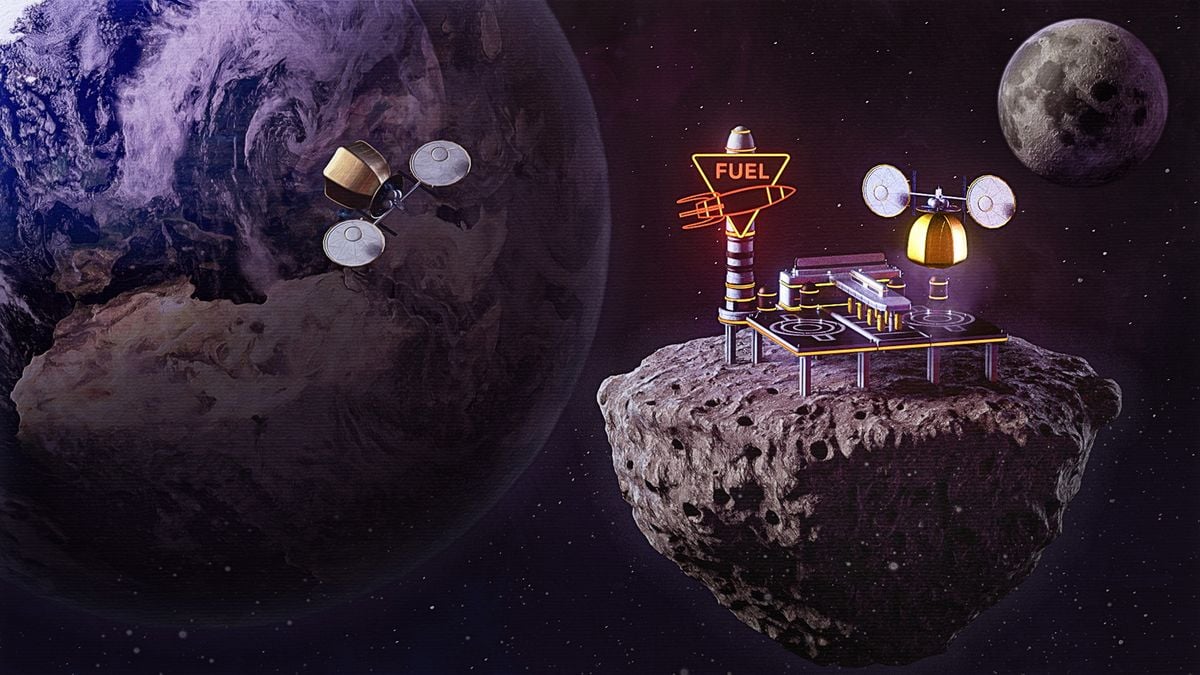
Minimoons, small transient satellites that orbit Earth for a brief time, have caught the attention of scientists as potential tools for future solar system exploration. These small bodies could serve as stepping stones for interplanetary missions, offering easier access and requiring less fuel than journeys to other cosmic bodies. Additionally, they may hold potential for testing technologies, including life support systems and asteroid mining operations. While challenging to detect, upcoming telescopes like the Vera C. Rubin Observatory and the NEO Surveyor could help uncover more minimoons and near-Earth asteroids, providing crucial insights into the mysteries of our solar system.
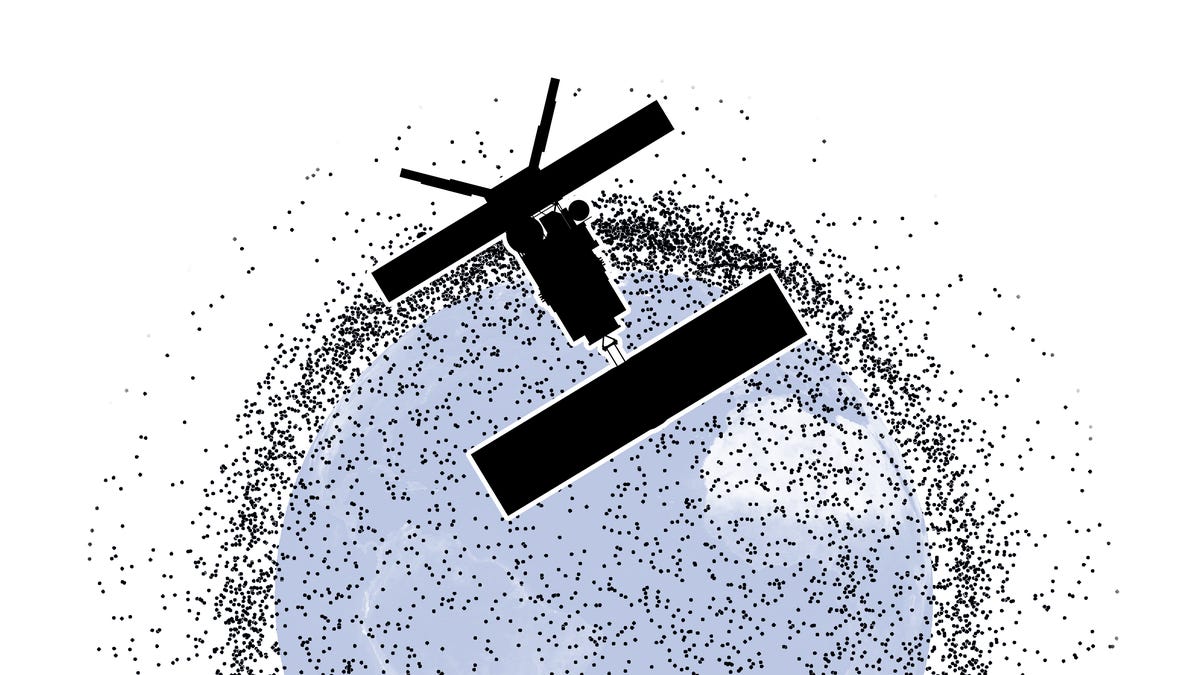
After 16 years in orbit, the defunct ERS-2 satellite is expected to crash back to Earth this month, with the European Space Agency predicting that any debris will likely land in a body of water due to Earth's surface being 70% water. The satellite, which has been slowly descending since its retirement in 2011, is about the size of a city bus and weighs over 5,000 pounds. The increasing amount of space junk in Earth's orbit, including defunct satellites and small fragments of rockets or satellites, poses a growing concern for space agencies.
Earth's orbit around the Sun is influenced by passing stars, affecting its climate and complicating paleoclimate studies. The gravitational tugs of stars like HD 7977 can significantly alter Earth's orbit, introducing uncertainties in paleoclimate conclusions. This challenges previous models linking Earth's eccentric orbit to events like the Paleocene-Eocene Thermal Maximum, suggesting that passing stars may have played a more significant role in shaping the planet's climate than previously thought.
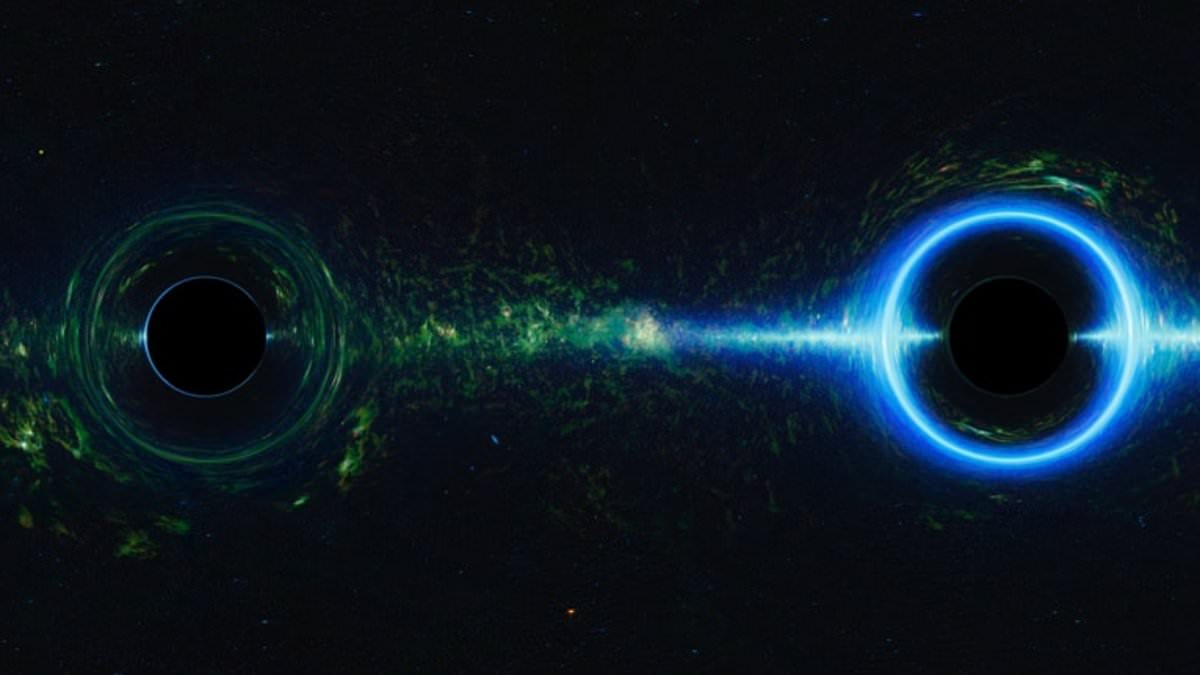
Scientists at MIT have proposed that ancient primordial black holes (PBHs) are passing by our solar system at least once every decade, causing gravitational wobbles that could alter Earth's orbit and distance from the sun. These PBHs, formed shortly after the Big Bang, are theorized to be the size of a microbe but with the density of an asteroid, potentially affecting the orbits of planets and moons. The study aims to gather evidence for the existence of dark matter, as PBHs could serve as a means to prove its long-theorized presence in the universe.