Tag

Salt

All articles tagged with #salt

Salt at the Table Linked to Shorter Life, Study Finds
health19 days ago

Salt at the Table Linked to Shorter Life, Study Finds

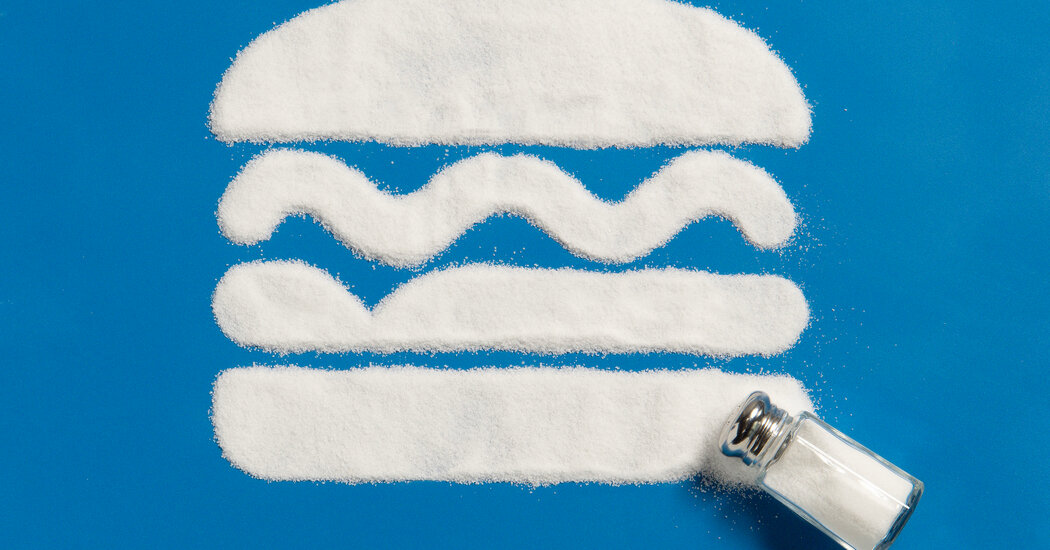
New research links adding salt to prepared foods with shorter life expectancy (about 1.5 years shorter for women and 2.28 years for men), while potassium-rich foods may mitigate some risk. Other studies tie high salt intake to higher diabetes risk, and lowering sodium can improve blood pressure and memory in some cases. The American Heart Association advises aiming for 1,500 mg or less of sodium per day (no more than 2,300 mg). Since much sodium comes from packaged foods, reading labels and flavoring with herbs is recommended; common high-sodium items include bread, pizza, poultry, dressings, and canned/frozen meals. Those with heart-disease risk should be especially vigilant.
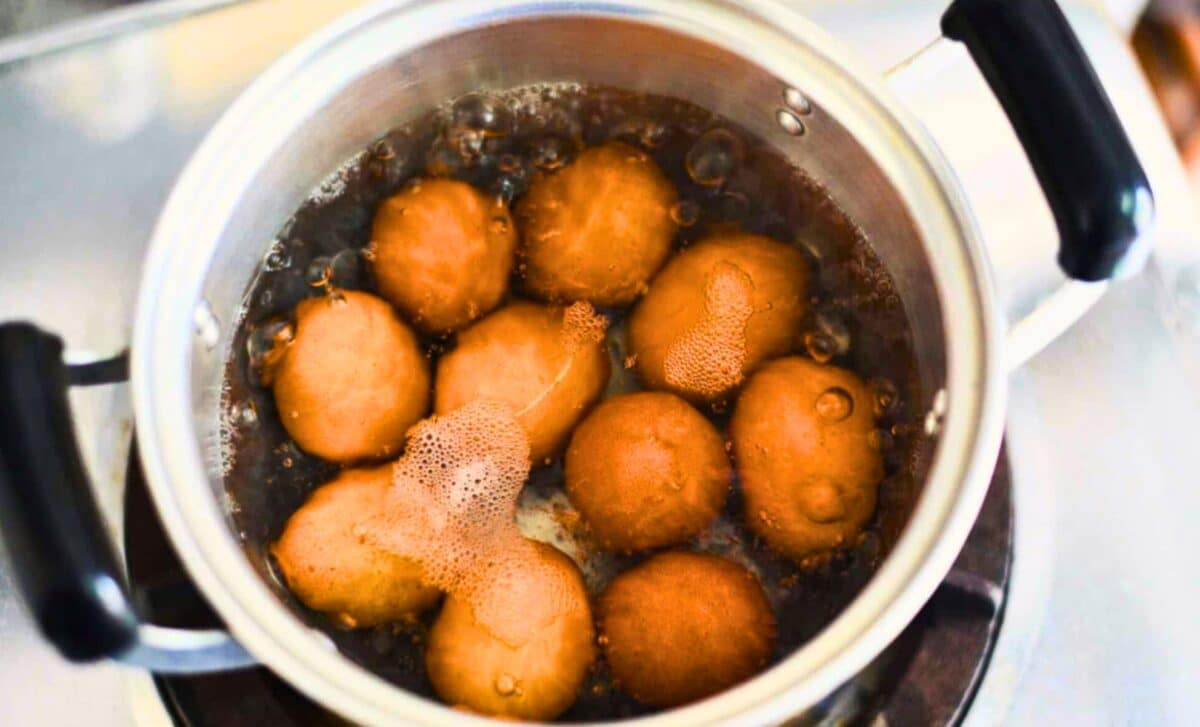

The Hidden Benefits of Adding Salt When Boiling Eggs
food-science4 months ago

The Hidden Benefits of Adding Salt When Boiling Eggs

Adding salt to boiling water for eggs doesn't make peeling easier but helps prevent egg whites from leaking out if the shell cracks, by speeding up protein coagulation and forming a protective seal, according to recent scientific research. The real factors influencing peelability are egg age, cooking method, and immediate cooling, not salt. Salt's role is primarily as a safeguard during cooking, not a shortcut for peeling.

Understanding Thirst: Causes and Significance
science5 months ago

Understanding Thirst: Causes and Significance

The article explores the biological mechanisms of thirst and salt regulation in humans and animals, highlighting how different species, like hibernating ground squirrels, suppress their thirst signals during certain conditions, and how taste and brain reward pathways influence salt intake. It emphasizes that thirst and salt needs vary widely across species and situations, with complex neural circuits involved in maintaining water and salt balance.

The Hidden Dangers of Salt Consumption
health7 months ago

The Hidden Dangers of Salt Consumption

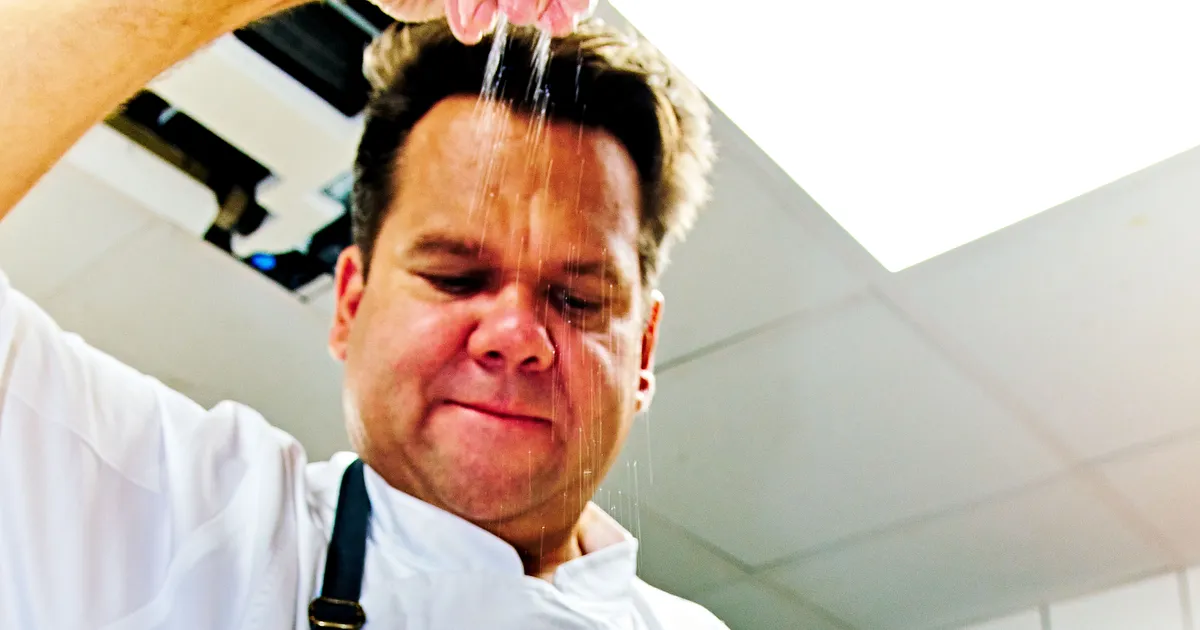
The article discusses the high levels of salt and sodium in restaurant foods, driven by chefs' desire for maximum flavor, and highlights the health risks associated with excessive sodium intake, including high blood pressure and cardiovascular disease. It emphasizes that restaurant dishes often contain more sodium than recommended daily limits, and reducing salt in restaurant cooking remains a challenge due to industry practices and consumer preferences.

"Boost Your Workout with This Simple Pantry Staple"
health-and-fitness1 year ago

"Boost Your Workout with This Simple Pantry Staple"

TikTok users are promoting a pre-workout snack of honey and salt for an energy boost and improved hydration. Dietitians explain that honey provides quick energy through simple carbohydrates, while salt replenishes electrolytes lost through sweat. Though not scientifically proven, this combination may benefit endurance athletes. However, it's important to consult a healthcare professional before trying it and to use quality ingredients like raw honey and pink Himalayan salt.

"Reducing Salt Intake Boosts Microbiome Health"
health1 year ago

"Reducing Salt Intake Boosts Microbiome Health"

Consuming high levels of sodium can harm the gut microbiome by reducing beneficial microbes and increasing harmful ones, leading to health issues like hypertension. Reducing salt intake can improve gut health, lower blood pressure, and enhance metabolic health. Most dietary sodium comes from processed foods, so opting for fresh foods and using salt substitutes can help manage sodium levels.

"Discovery of the Most Metal-Poor Extreme Helium Star by Astronomers"
astronomy1 year ago

"Discovery of the Most Metal-Poor Extreme Helium Star by Astronomers"

Using the Southern African Large Telescope (SALT), astronomers have discovered EC 19529−4430, the most metal-poor extreme helium star known to date, located in the Galactic halo about 15,500 light years away. The star's surface is primarily composed of carbon-nitrogen-oxygen-processed helium, and it is the coolest known carbon-poor and nitrogen-rich extreme helium star. Researchers believe it likely formed from the merger of two helium white dwarfs and will evolve into a core helium-burning EHe subdwarf.

"Reducing Sodium Intake for Better Health: New FDA Guidelines and Expert Advice"
health1 year ago

"Reducing Sodium Intake for Better Health: New FDA Guidelines and Expert Advice"

Experts emphasize that while sodium is essential for bodily functions, most people consume far too much, increasing their risk of high blood pressure and heart disease. Recent research has shown a clear pattern linking higher salt intake to elevated blood pressure, with federal guidelines recommending a limit of 2,300 milligrams per day. Despite past disagreements, recent studies have clarified the impact of sodium on health, highlighting the importance of moderating salt consumption for overall well-being.

"The Microbiome Menace: How Salty Foods Are Making People Sick"
health2 years ago

"The Microbiome Menace: How Salty Foods Are Making People Sick"

Excessive salt consumption, particularly from highly processed foods, has been linked to various health issues such as high blood pressure, heart disease, metabolic disorders, and obesity. Research suggests that salt may alter the gut microbiome, leading to increased blood pressure and weight gain. While salt lobbyists and the salt industry have historically influenced public health messaging, efforts to reduce dietary salt intake are gaining traction. Limiting consumption of processed foods and prioritizing unprocessed, plant-based options can help maintain a healthy balance of dietary sodium and potassium for a well-functioning gut microbiome.

"High Salt Intake Linked to 11% Increase in Kidney Disease Risk"
health2 years ago

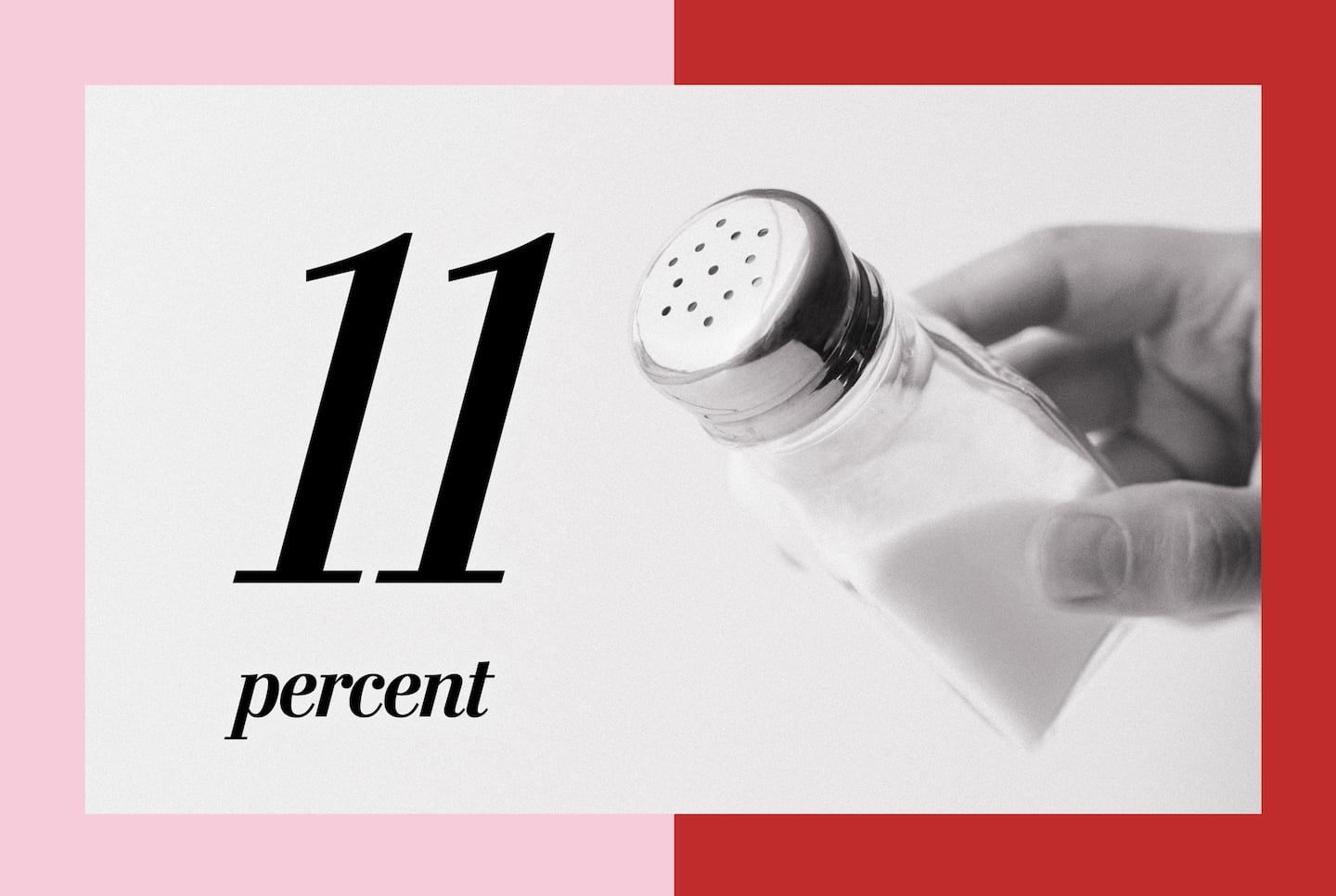
"High Salt Intake Linked to 11% Increase in Kidney Disease Risk"

Adding salt to meals can increase the risk of developing chronic kidney disease by up to 11 percent, according to a study involving 465,288 participants. The research, published in JAMA Network Open, tracked individuals aged 37 to 73 for over a dozen years and found that those who frequently added table salt to their food were more likely to develop kidney disease. The study suggests that reducing the frequency of adding salt to foods at the table could be a valuable strategy to lower the risk of chronic kidney disease in the general population.

"Avoiding the Salting Mistake for Perfect Steak Crust"
food-and-cooking2 years ago

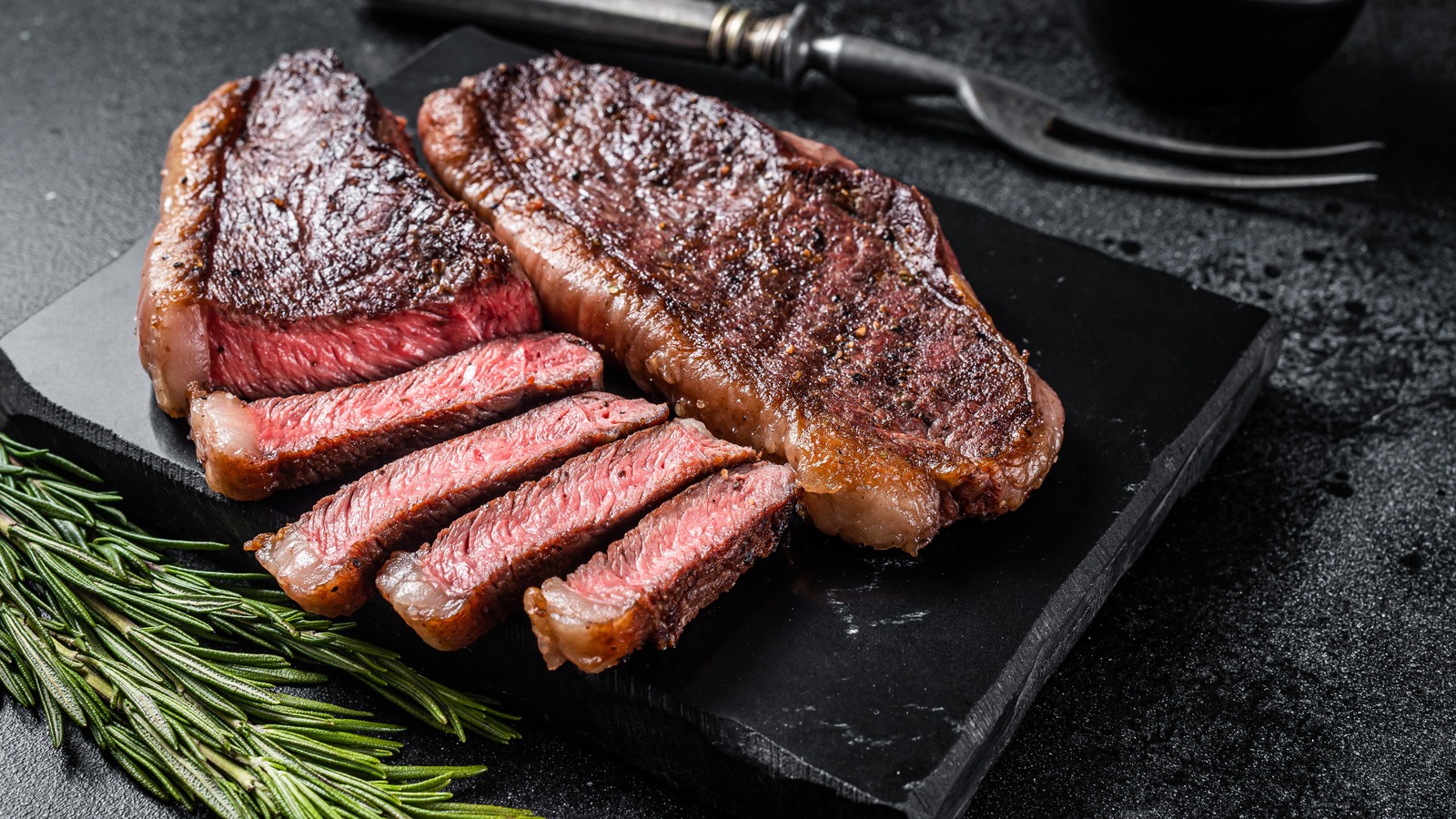
"Avoiding the Salting Mistake for Perfect Steak Crust"

Achieving a perfect crust on a steak involves understanding the role of salt and timing. Salting the steak draws out moisture, but waiting at least 40 minutes before cooking allows the brine to reabsorb, ensuring a juicy end product. Additionally, using a heavy hand with salt, cooking at a high temperature, and practicing with affordable cuts are essential for achieving a satisfying crust on a steak.

"Debate Brews as American Chemist Recommends Adding Salt to British Tea"
food-and-drink2 years ago

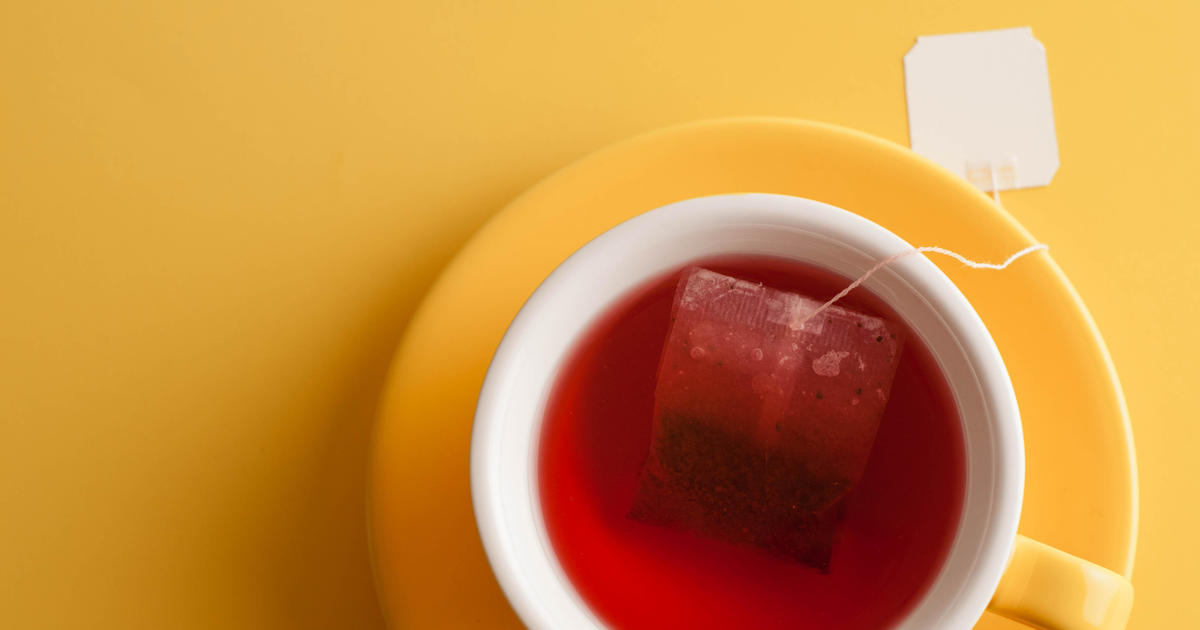
"Debate Brews as American Chemist Recommends Adding Salt to British Tea"

An American chemist's suggestion that adding a pinch of salt to a cup of tea could improve its flavor has caused a stir in Britain, with traditionalists expressing outrage and skepticism. The chemist, Michelle Francl, cited historical Chinese recommendations and the blocking of bitter receptors by sodium ions as the basis for her suggestion. While some tea purveyors in Brighton were open to the idea, many Brits remain unconvinced, with one columnist likening the experience to a pre-operation laxative.

"Salted Tea Stir: US Scientist's Recipe Sparks Uproar in UK"
food-and-drink2 years ago

"Salted Tea Stir: US Scientist's Recipe Sparks Uproar in UK"

American chemist Michelle Francl's suggestion to add a pinch of salt to tea in her new book "Steeped: The Chemistry of Tea" has sparked outrage in the U.K., with the American embassy getting involved to clarify that the idea is not official U.S. policy. Brits and social media users expressed disbelief at the proposal, while Francl defended her stance, citing historical and cultural precedents for adding salt to tea in other parts of the world. The controversy has reignited the debate over the "perfect" cup of tea and highlighted cultural differences in tea-making traditions.

"Controversial Tea Tip: US Scientist Recommends Adding Salt for Perfect Brew"
food-and-drink2 years ago

"Controversial Tea Tip: US Scientist Recommends Adding Salt for Perfect Brew"

US scientist Prof Michelle Francl recommends adding a pinch of salt to counteract the bitterness in tea, causing a stir in the UK. Her research, documented in her book "Steeped: The Chemistry of Tea," also suggests using loose leaves, stirring constantly, and avoiding microwaving. While her advice has drawn diplomatic attention, the US Embassy insists on microwaving tea, while the UK Cabinet Office stands by the traditional kettle method.