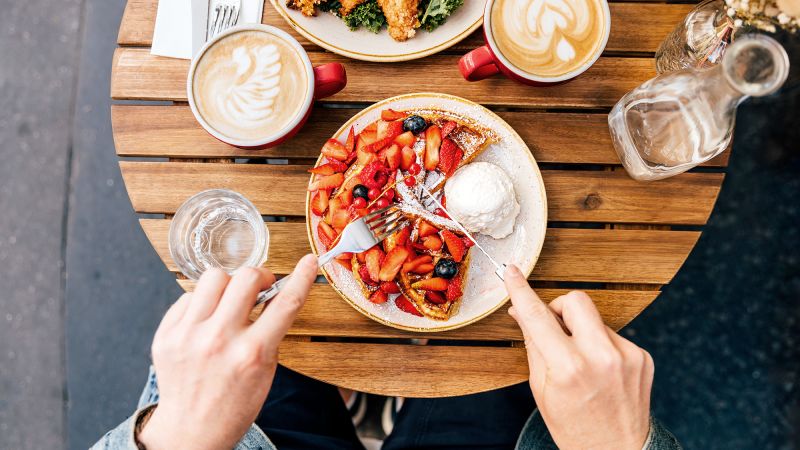
The article explores the differences in dining etiquette between American and European styles, focusing on how silverware is used and held, and emphasizes the importance of being adaptable and courteous when dining abroad, regardless of the specific customs.
The article explores how cultural, regulatory, and geopolitical factors shape the development and societal impact of AI companionship in the US and China, highlighting differences such as American AI girlfriends catering to heterosexual male fantasies and Chinese AI boyfriends targeting adult women, with concerns about addiction, social order, and demographic challenges influencing regulatory responses.
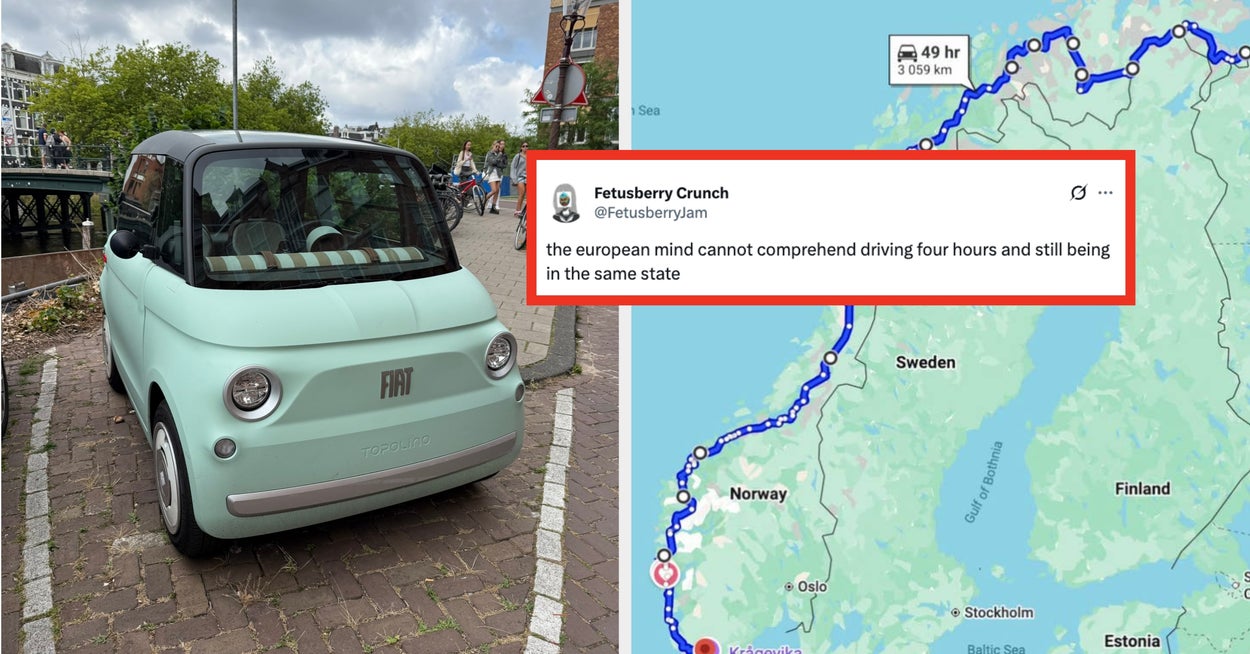
A humorous social media debate highlights the differences in driving distances and cultural perceptions between Americans and Europeans, with users from around the world sharing their own experiences and jokes about the vastness of travel and cultural misunderstandings.
Researchers studying Neanderthal bone tools and cut marks from two caves in Israel found evidence of distinct butchery techniques among different groups, suggesting that Neanderthals had varied food preparation preferences and cultural practices, even within the same region and time period.
A global study found that being extroverted, hedonistic, powerful, adventurous, open, and autonomous are the key traits associated with being perceived as 'cool,' though cultural differences influence how these traits are valued and the pursuit of coolness may have negative consequences. The study suggests that coolness is largely consistent across countries but may not be a trait worth actively chasing.
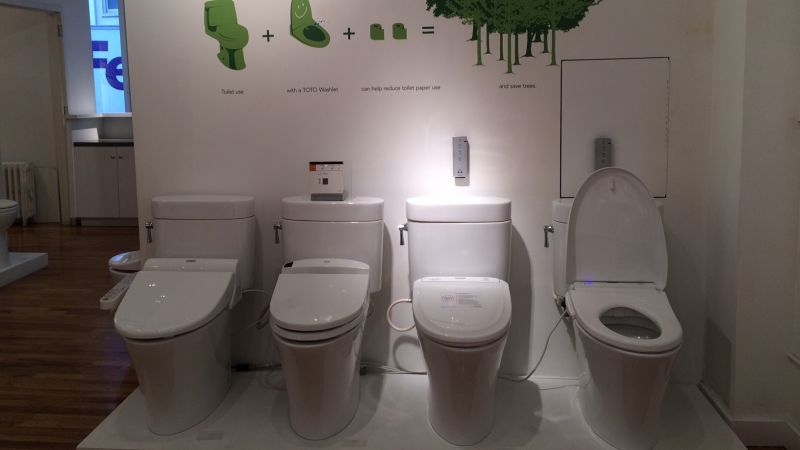
The article discusses the rise and cultural differences of Japanese-style bidets and hand-held sprayers across Asia, highlighting their functionality, installation, and cultural significance, while contrasting them with Western toilet practices and emphasizing the technological advancements in Japanese toilets.
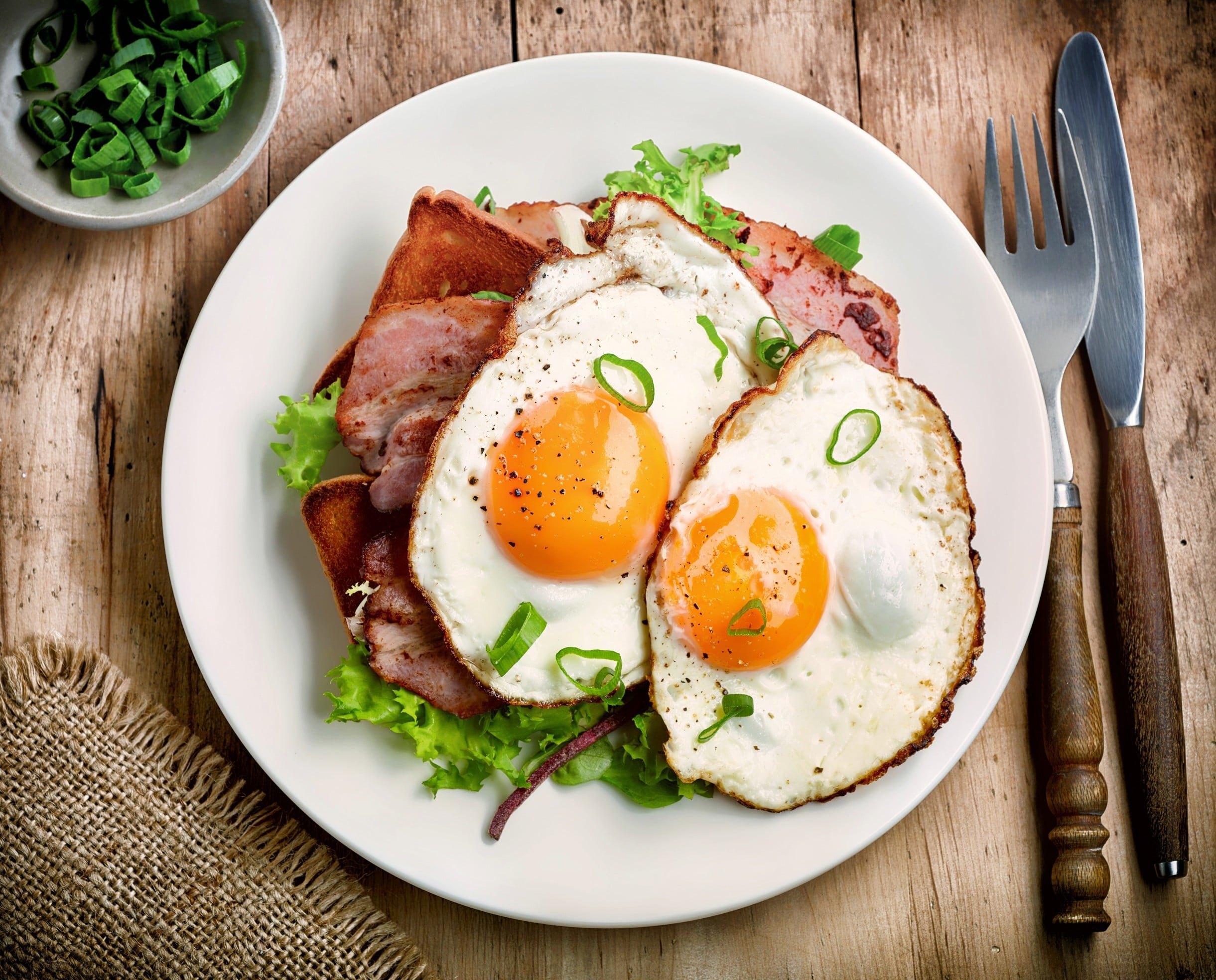
A study by Universitat Oberta de Catalunya and Columbia University highlights the impact of meal timing on glucose levels, suggesting that consuming over 45% of daily calories after 5 p.m. can increase glucose levels, posing health risks like type 2 diabetes and cardiovascular issues. The research, involving individuals with prediabetes or type 2 diabetes, found that late eaters had poorer glucose tolerance, regardless of calorie intake or body weight. The study emphasizes the importance of meal timing in cardiometabolic health and suggests focusing on consuming more calories during daylight hours.
90 Day Fiance's Mahmoud El Sherbiny expressed discomfort with his wife Nicole's clothing choices and public displays of affection upon arriving in America, citing cultural and religious reasons. Tensions escalated as Mahmoud also criticized Nicole's home decor and gift choices, leading to a reported altercation and subsequent arrest for domestic violence. Nicole later broke her silence on the arrest, sharing a post advocating to end violence against women in Muslim families.
The bidet industry experienced a significant surge in the US during the Covid-19 pandemic, with sales continuing to grow as Americans seek more sustainable and hygienic bathroom options. Bidet sales have increased by 20-30% annually, with a variety of options available, from basic attachments to high-end electronic models. The cultural stigma and association with luxury have hindered bidet adoption in the US, but as more people experience the benefits, the industry is working to establish bidets as a social norm.
New research finds that middle-aged Americans are much more likely to experience loneliness than their European counterparts, with cultural norms, social media use, declining social connections, and economic policies contributing to the disparity. Experts suggest that building community and social connections, such as through volunteering, fostering connections with neighbors, attending local events, and staying physically active, can help combat loneliness, but note that social safety nets and policies supporting work-life balance and caregiving could also play a crucial role in addressing this issue.
The difference in driving sides between the US and the UK dates back to historical and cultural factors, with the Conestoga wagon playing a key role in the US. While the US and most of Europe drive on the right, the UK and a few others drive on the left. The French revolutionary government and Napoleon influenced the switch to right-side driving in Europe, while the UK's preference for left-side driving was influenced by the prevalence of small carriages and individual horse riders. Driving on the opposite side can lead to serious consequences, so extra caution and reminders are recommended for those driving in a country with a different driving side.
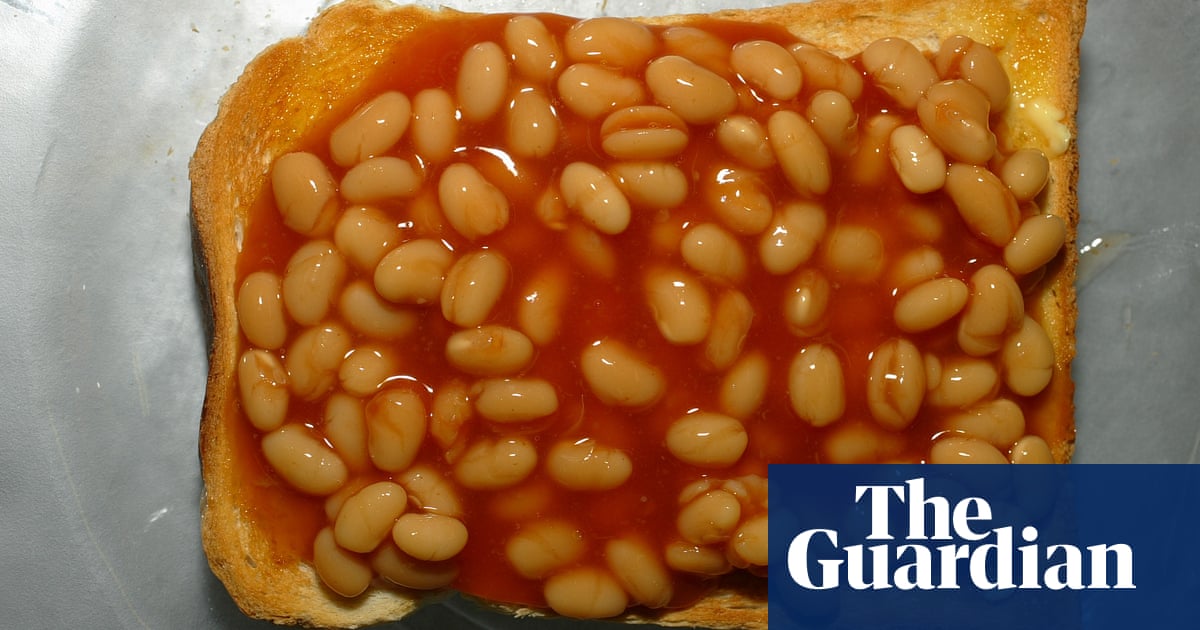
Baked beans in tomato sauce, popular in the British Isles, have not gained widespread popularity elsewhere, with some viewing them as a depressing or pitiable form of sustenance. Despite being cheap, delicious, and nutritious, they have not caught on outside the UK, prompting questions about cultural differences and food preferences.
A recent Twitter drama between the US and UK sparked a discussion about American things that puzzle British people, including using grades to describe age, sweet potato casserole, microwaving water for tea, calling it "math" instead of "maths," and the friendliness of Americans. The list also includes confusion about American habits such as toasting marshmallows, the use of "xx" in messages, and the way Americans tell non-Americans what specific state they're from.
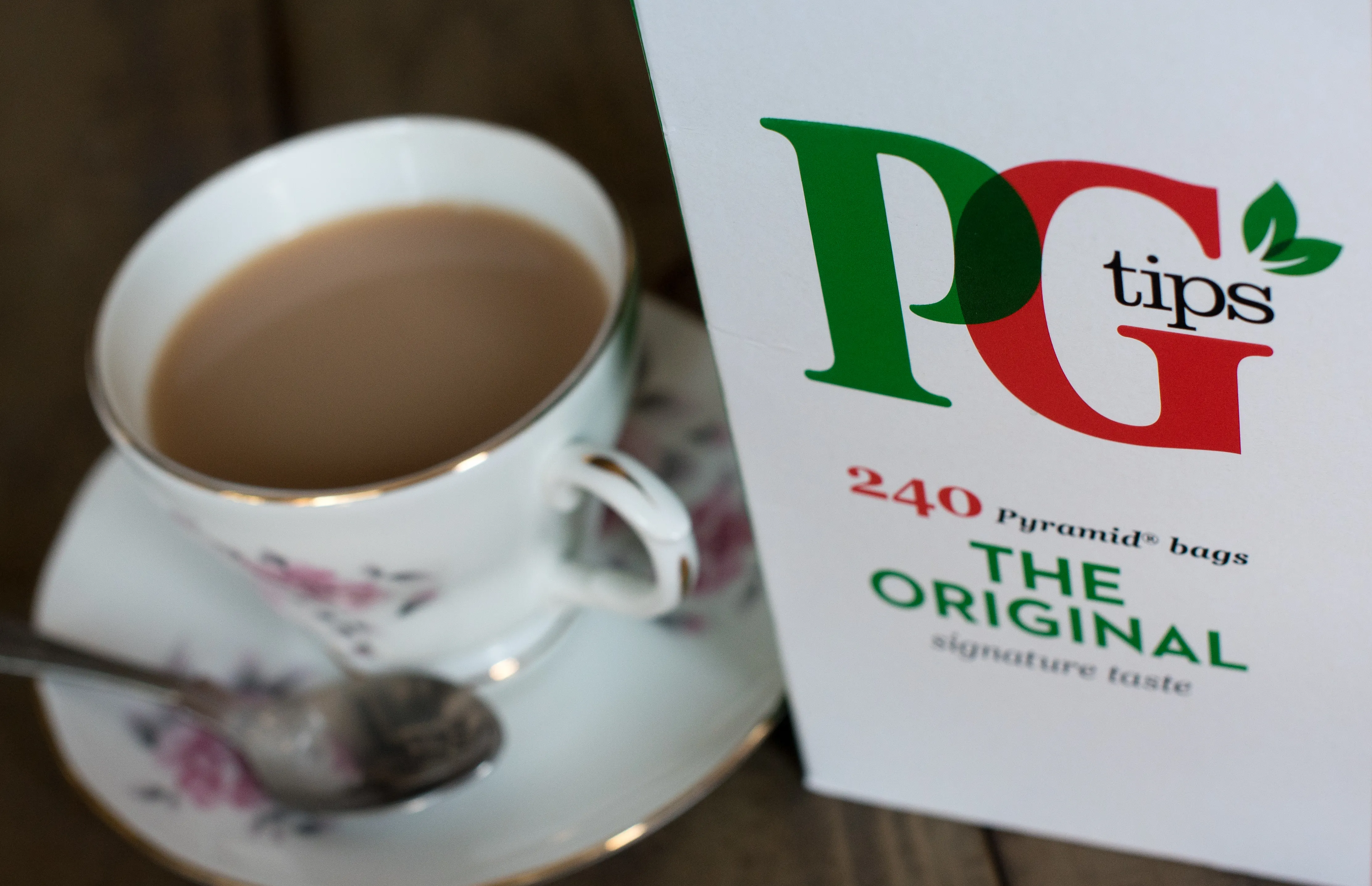
An American scientist's suggestion to add a pinch of salt to the perfect cup of tea has sparked outrage in the United Kingdom, prompting a diplomatic response from the U.S. Embassy in London. The controversy arose from Bryn Mawr College chemistry professor Michelle Francl's book, "Steeped: The Chemistry of Tea," which explores the chemical compounds in tea and offers advice on brewing. The debate over the "proper" way to make tea also involved actor Hugh Grant, who shared his own detailed instructions for the perfect cup, emphasizing the cultural significance and differences in tea-making traditions between the U.S. and the U.K.
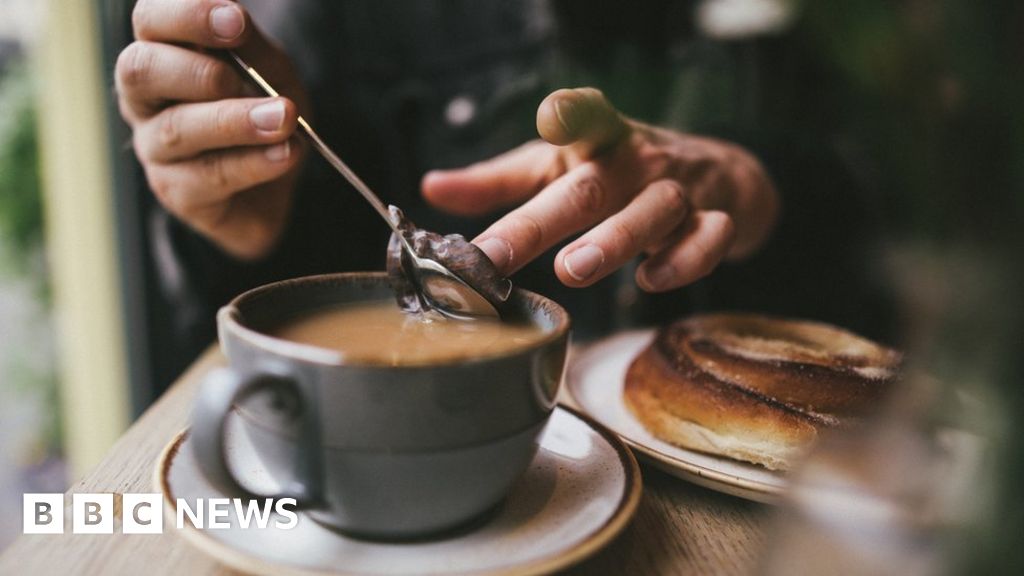
US scientist Prof Michelle Francl recommends adding a pinch of salt to counteract the bitterness in tea, causing a stir in the UK. Her research, documented in her book "Steeped: The Chemistry of Tea," also suggests using loose leaves, stirring constantly, and avoiding microwaving. While her advice has drawn diplomatic attention, the US Embassy insists on microwaving tea, while the UK Cabinet Office stands by the traditional kettle method.