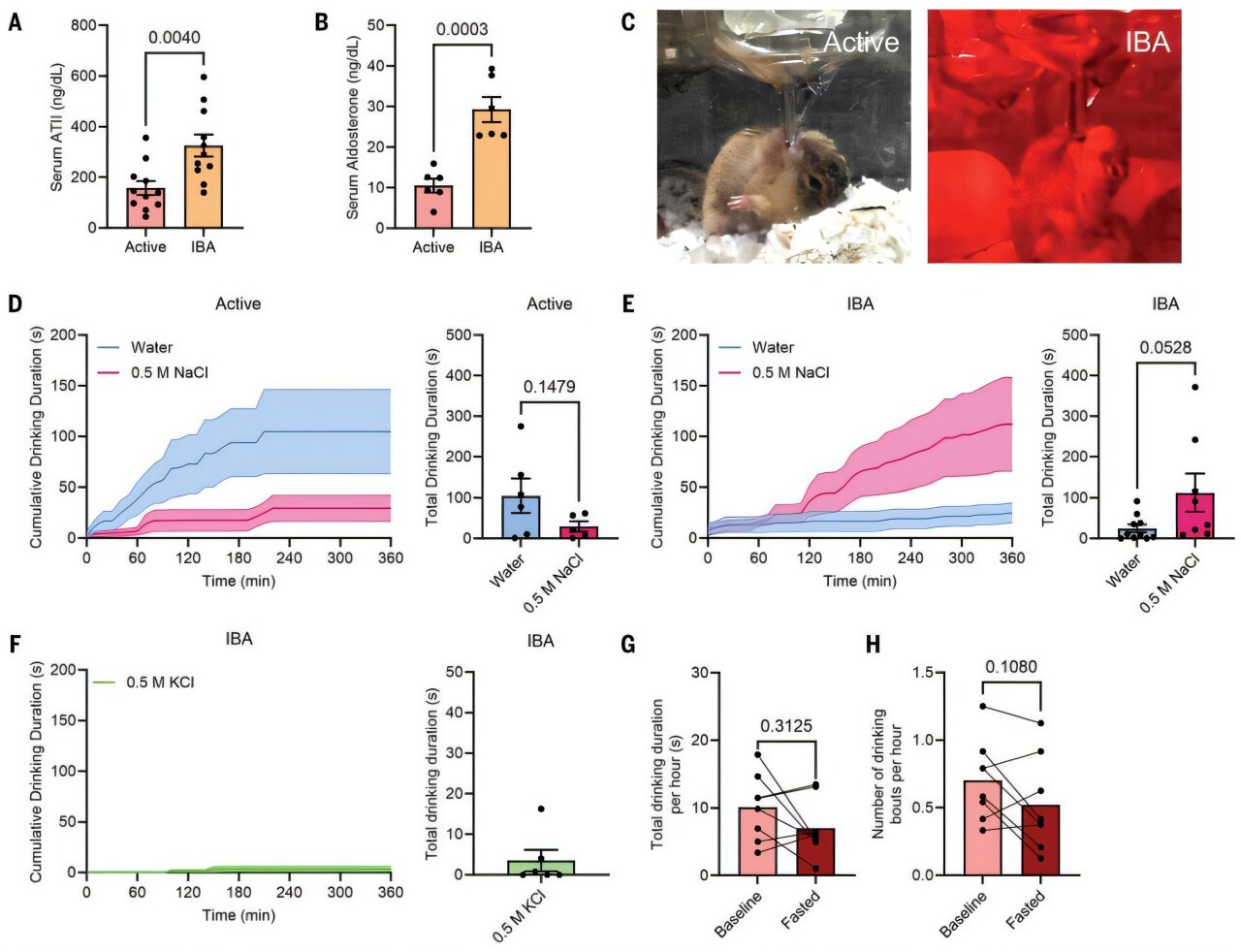
The article explores the biological mechanisms of thirst and salt regulation in humans and animals, highlighting how different species, like hibernating ground squirrels, suppress their thirst signals during certain conditions, and how taste and brain reward pathways influence salt intake. It emphasizes that thirst and salt needs vary widely across species and situations, with complex neural circuits involved in maintaining water and salt balance.
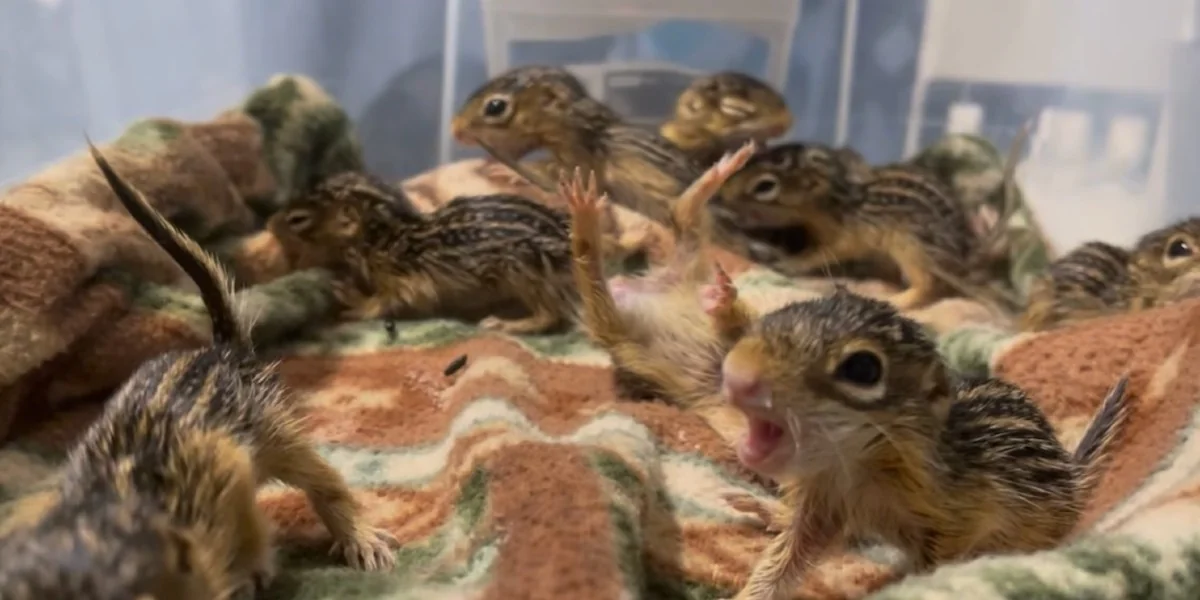
Nine baby thirteen-lined ground squirrels rescued from a backyard were initially very weak and scared, and they exhibited a unique freezing behavior as a defense mechanism when frightened. After receiving care at Oaken Acres Wildlife Center, they are recovering well and continue to display their adorable freeze responses, with plans for eventual release back into the wild.
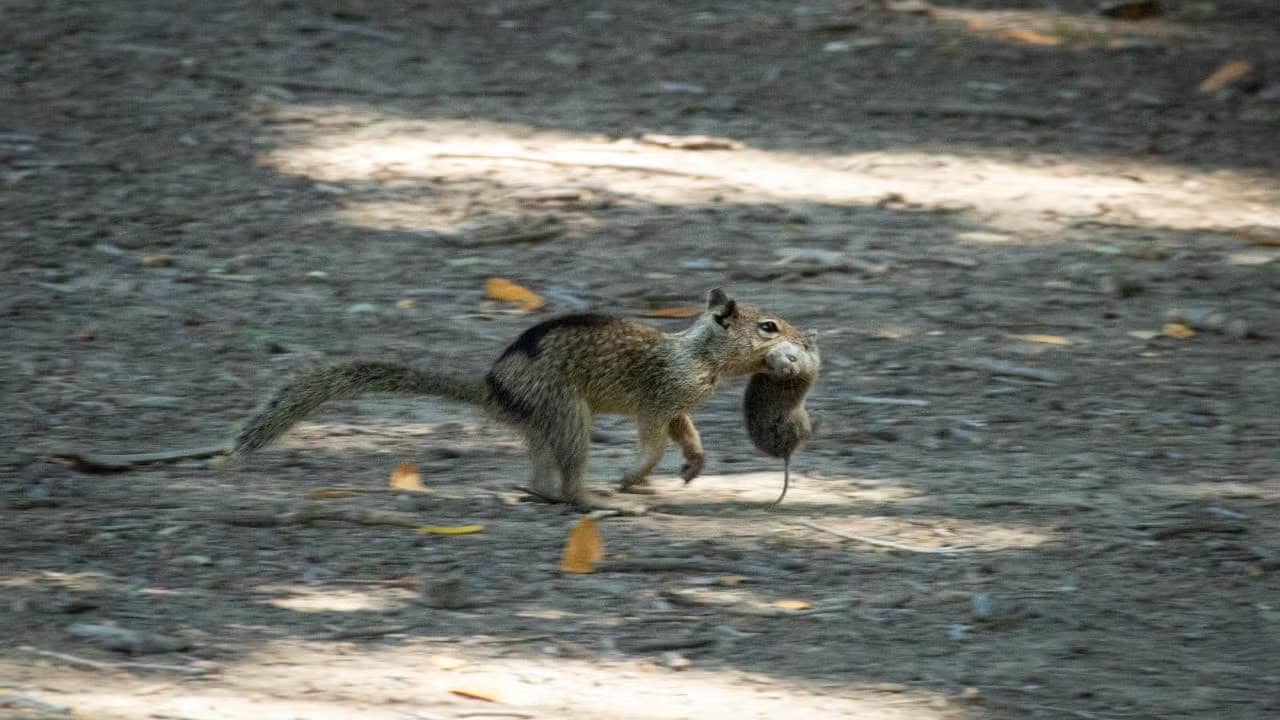
Scientists in California discovered that ground squirrels, previously thought to be herbivores, actively hunt and eat voles, revealing unexpected dietary flexibility that may help them adapt to changing environments and impact local ecosystems.
Researchers at Yale University have discovered how thirteen-lined ground squirrels manage to suppress thirst during their long hibernation periods. The squirrels maintain ion levels in their blood and use hormones as antidiuretics to conserve water. Despite being offered water during brief awakenings, the squirrels show no desire to drink, indicating a brain mechanism that prevents thirst signals from being processed. Understanding this mechanism could have implications for human space travel and medical procedures.