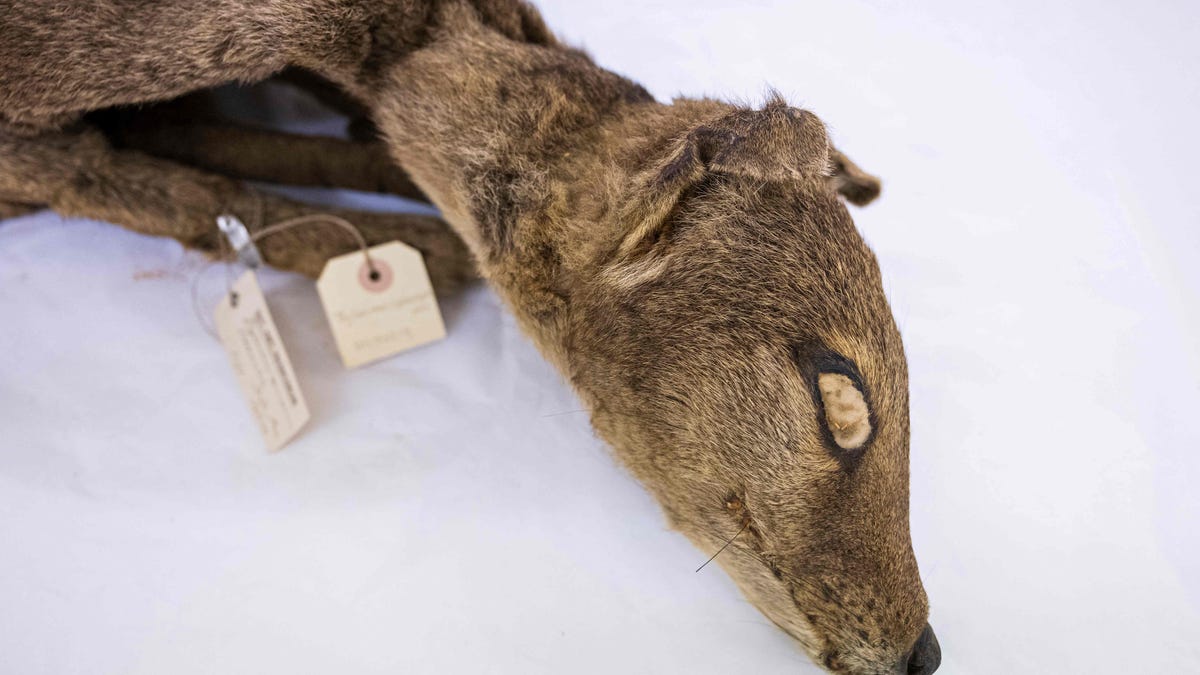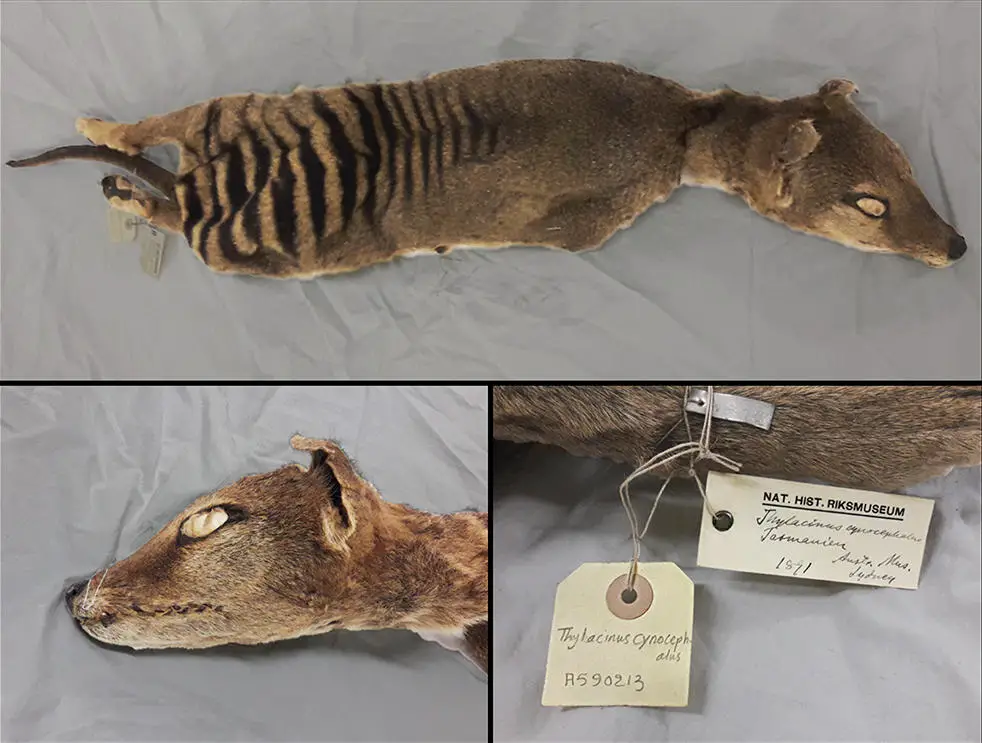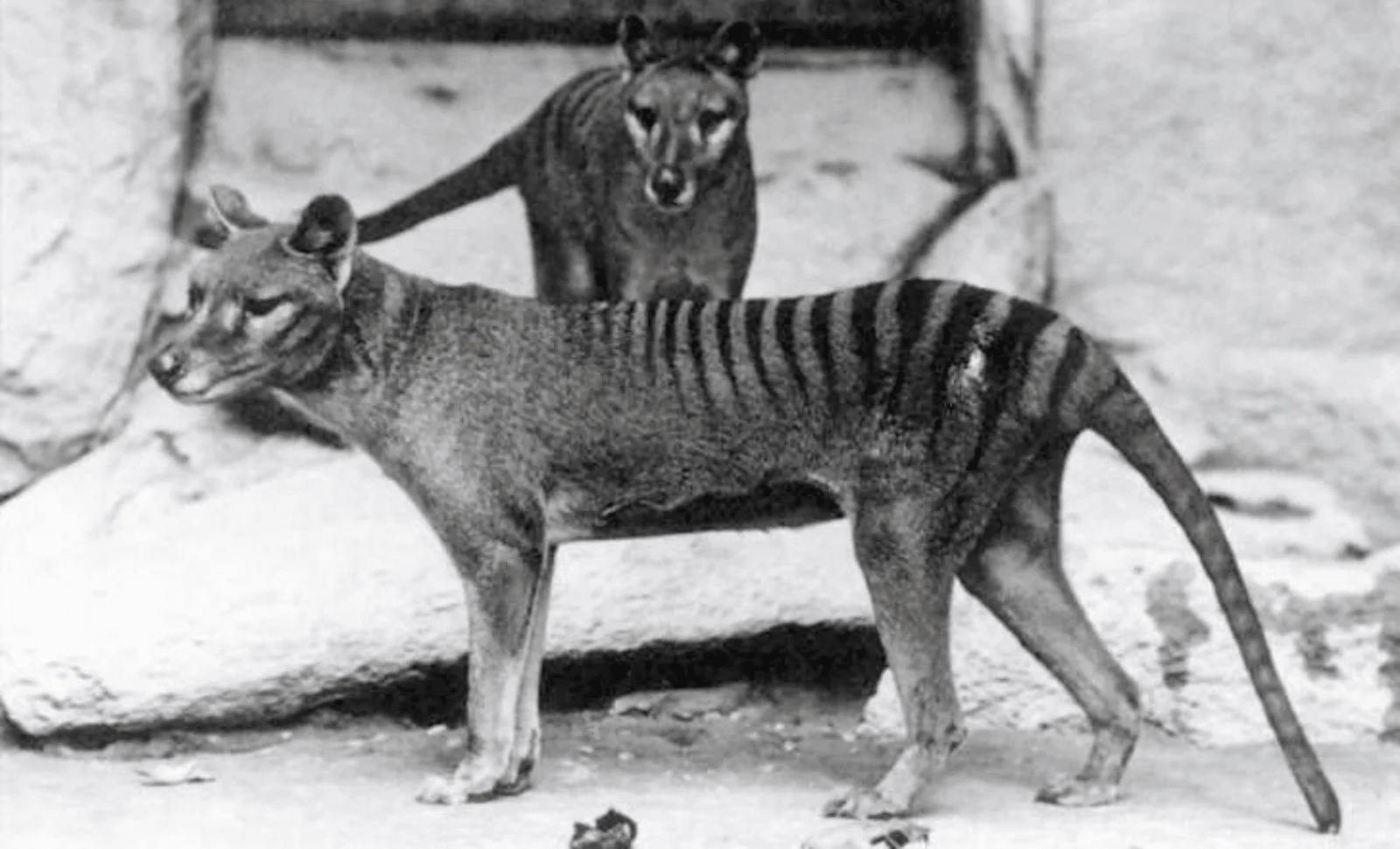
Scientists have successfully extracted and sequenced RNA from a 130-year-old preserved Tasmanian tiger, marking the first time ancient RNA has been recovered from an extinct mammal. This breakthrough provides new insights into the species' gene activity, tissue function, and potential viral interactions, opening new avenues for studying ancient biology and evolution.

Scientists have developed a new technique called Stereo-seq V2 that could potentially analyze preserved brain tissue at the cellular level, raising the possibility of understanding what makes Einstein's brain unique and exploring the biological basis of intelligence, although practical challenges remain.
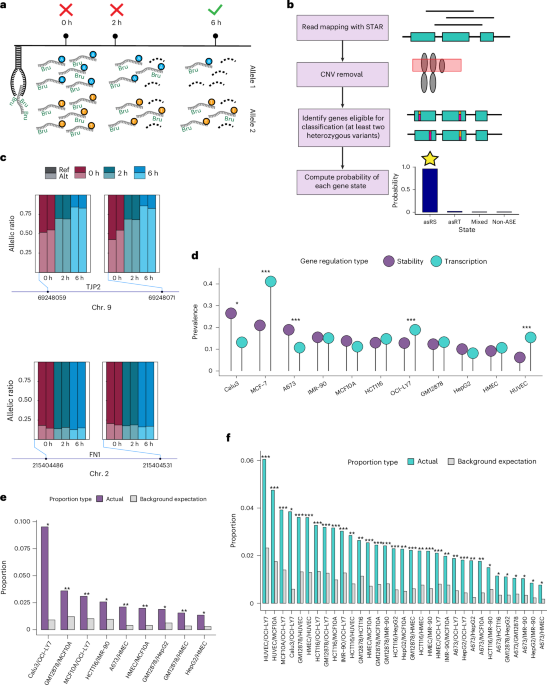
This study investigates how genetic variants affecting RNA stability influence complex traits and disease risk, utilizing extensive RNA sequencing data, eQTLs, and genome editing to identify functional variants and their roles in gene regulation and disease susceptibility.
Researchers used advanced RNA sequencing to map how exercise impacts specific brain cell types in a model of Alzheimer’s disease, finding that physical activity alters gene activity in microglia and neurovascular astrocytes, promotes neuron formation via the gene Atpif1, and these findings were validated in human brain tissue, offering new avenues for targeted Alzheimer’s therapies.
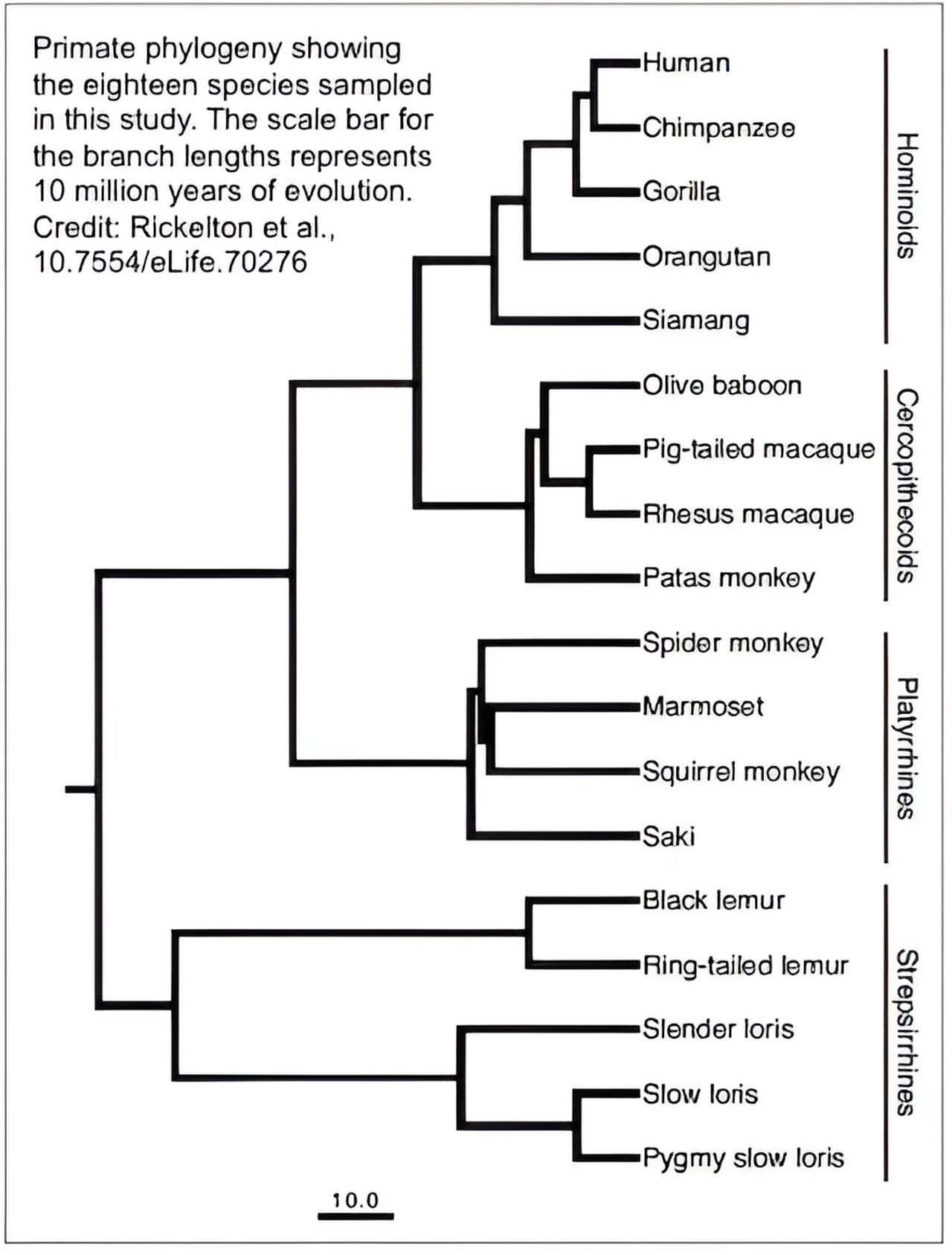
A comprehensive study led by researchers at the University of Massachusetts Amherst has investigated the relationship between gene expression and brain evolution across 18 primate species. By sequencing RNA transcripts from brain tissue samples of these species, the team identified significant variation in gene expression across different primate brains, particularly in regions related to cognition and metabolism. The study's findings may offer insights into the evolution of primate brains and provide potential avenues for understanding human neurodegenerative disorders.
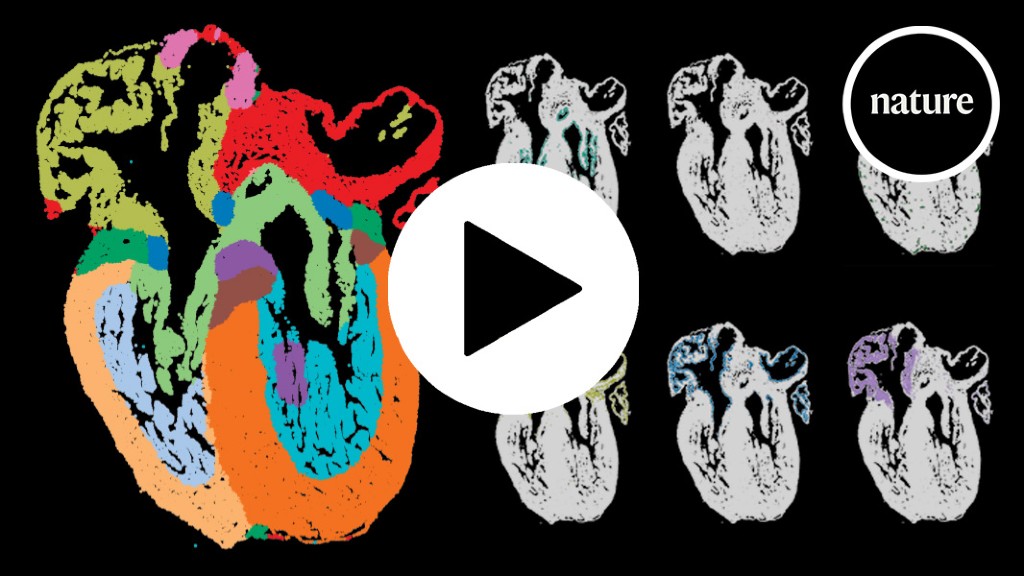
Researchers have utilized RNA sequencing and advanced imaging techniques to create a detailed map of the developing human heart, aiming to provide valuable insights into congenital defects, a leading cause of infant mortality. This comprehensive 'atlas' of the heart's cellular organization could pave the way for significant advancements in understanding and addressing heart-related health issues.
Researchers have identified potential therapeutic targets for progressive supranuclear palsy (PSP), an incurable brain disorder with symptoms similar to Parkinson's and dementia. By analyzing RNA sequencing data from over 400 brain samples, the study identified nearly 5,000 genes associated with PSP. Among the high-confidence genes, reducing levels of DDR2, KANK2, and STOM showed promise in reversing the disease. This research enhances understanding of PSP and other related neurological disorders, providing potential targets for future treatments. The next steps involve synthesizing small nucleic acid molecules to regulate the target genes and assessing their safety and efficacy in cell and animal models.
Scientists have made a breakthrough by isolating and decoding RNA molecules from an extinct Tasmanian tiger, raising hopes of one day resurrecting the species. The recovery and sequencing of RNA from the preserved thylacine marks the first time this has been achieved for an extinct species. This breakthrough could pave the way for reviving not only the Tasmanian tiger but also other long-lost species in the future. The study provides valuable insights into the genetic makeup and biology of the extinct animal. Other projects, such as the resurrection of the woolly mammoth and the dodo, are also underway using gene editing technology.
Scientists have successfully isolated and sequenced century-old RNA molecules from a preserved Tasmanian tiger specimen, marking the first-ever reconstruction of skin and skeletal muscle transcriptomes from an extinct species. This breakthrough has implications for reviving extinct species and studying pandemic RNA viruses. The research provides valuable insights into the genome and transcriptome regulation of the Tasmanian tiger, aiding efforts in de-extinction. The study also highlights the potential for uncovering and sequencing RNA molecules from other extinct animals and even RNA virus genomes in museum collections.
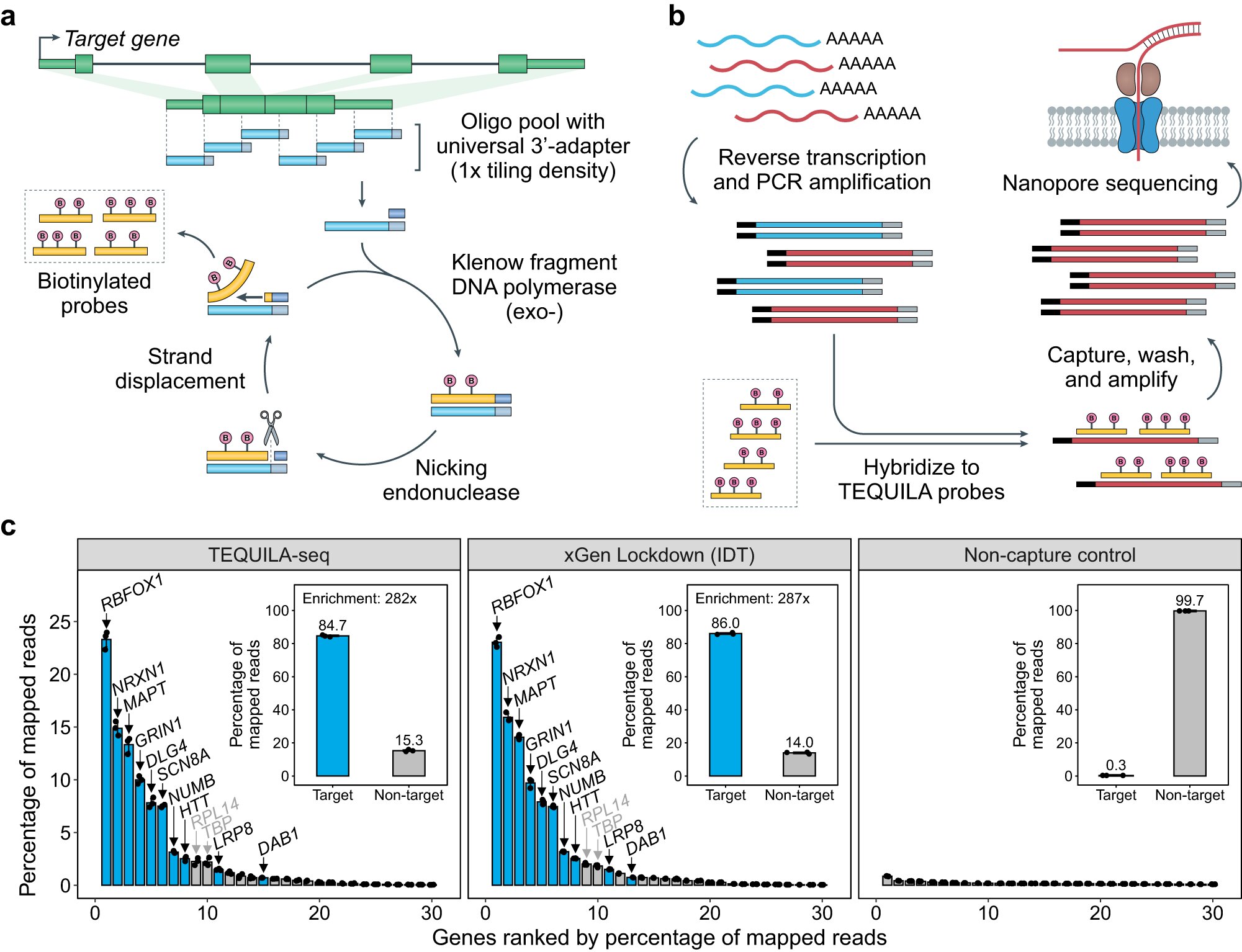
Researchers at Children's Hospital of Philadelphia (CHOP) have developed TEQUILA-seq, a versatile and low-cost technology for targeted sequencing of full-length RNA molecules. This technology allows for accurate accounting of transcript isoforms, which is crucial for understanding alternative splicing and its role in diseases like cancer. TEQUILA-seq utilizes a cost-effective method for synthesizing capture probes and can be adapted for different research and clinical purposes. It has the potential to accelerate the discovery of new diagnostics and treatments for various diseases.
A new study conducted on mice by researchers at the Weizmann Institute and the Max Planck Institute of Psychiatry has revealed sex differences in how the brains of males and females respond to stress. The study used RNA sequencing to analyze the cells of the paraventricular nucleus (PVN) of the hypothalamus, which coordinates the stress response. The researchers found that different types of cells in the PVN respond to stress in different ways, and there were sex differences in these responses. The study's findings may contribute to the development of sex-tailored therapies for stress-related psychiatric disorders.