Scientists tested the possibility of breaking Einstein's speed of light rule by examining high-energy gamma rays from distant cosmic sources. Their findings confirmed Einstein's predictions, setting tighter limits on potential violations of Lorentz invariance and advancing our understanding of fundamental physics, though the quest to unify quantum theory and gravity continues.
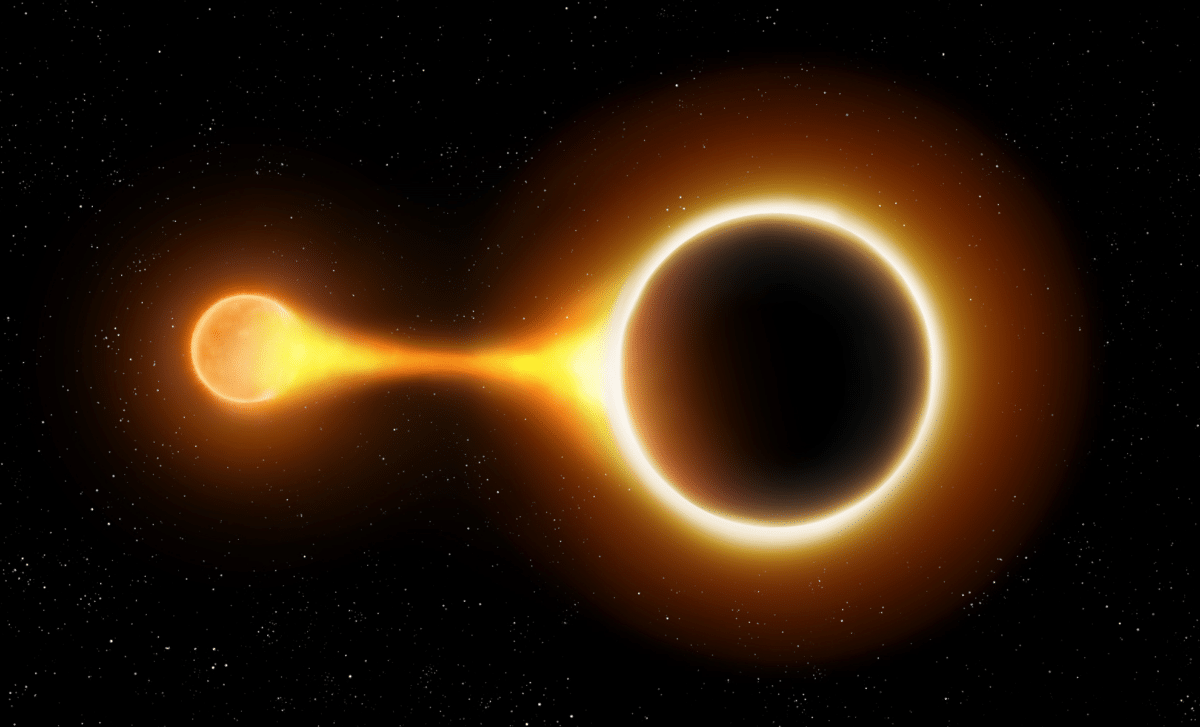
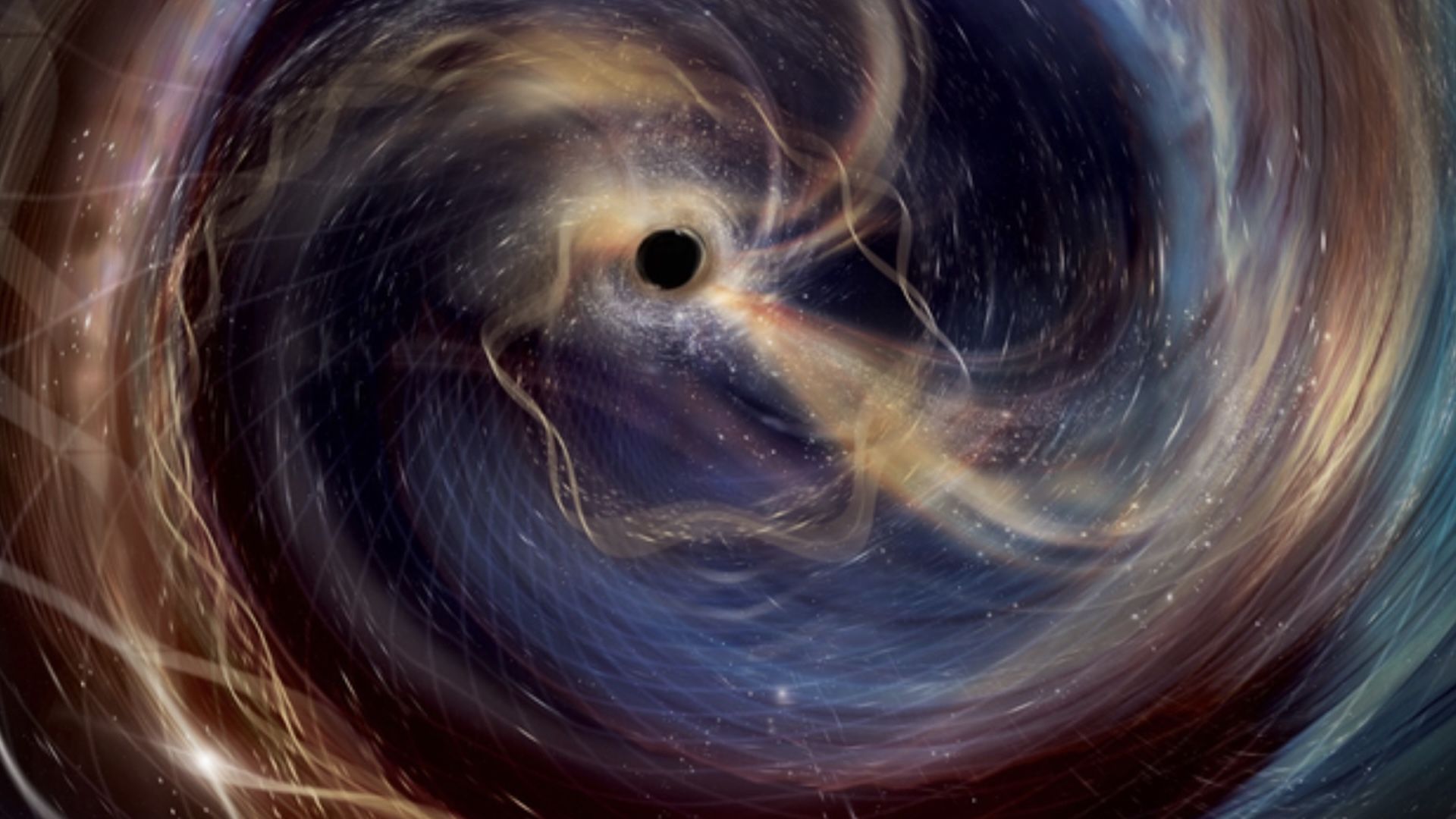
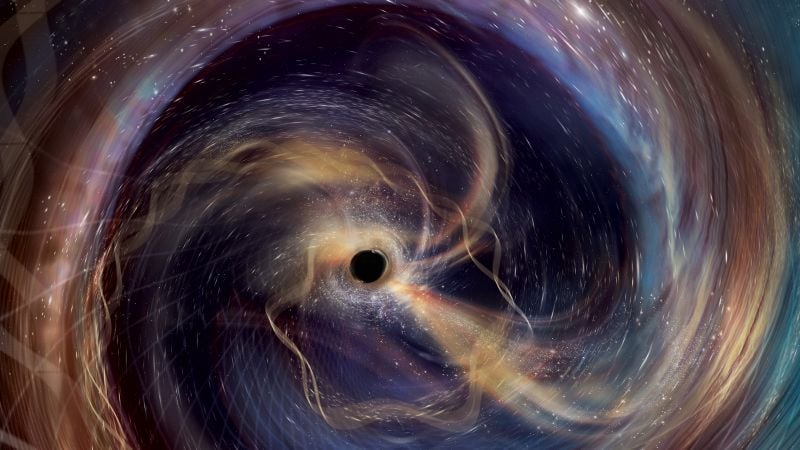
Astronomers have directly observed a spinning black hole twisting spacetime, confirming Einstein's prediction of frame-dragging through the detection of Lense-Thirring precession during a tidal disruption event, using X-ray and radio telescopes, deepening our understanding of black hole physics and spacetime dynamics.
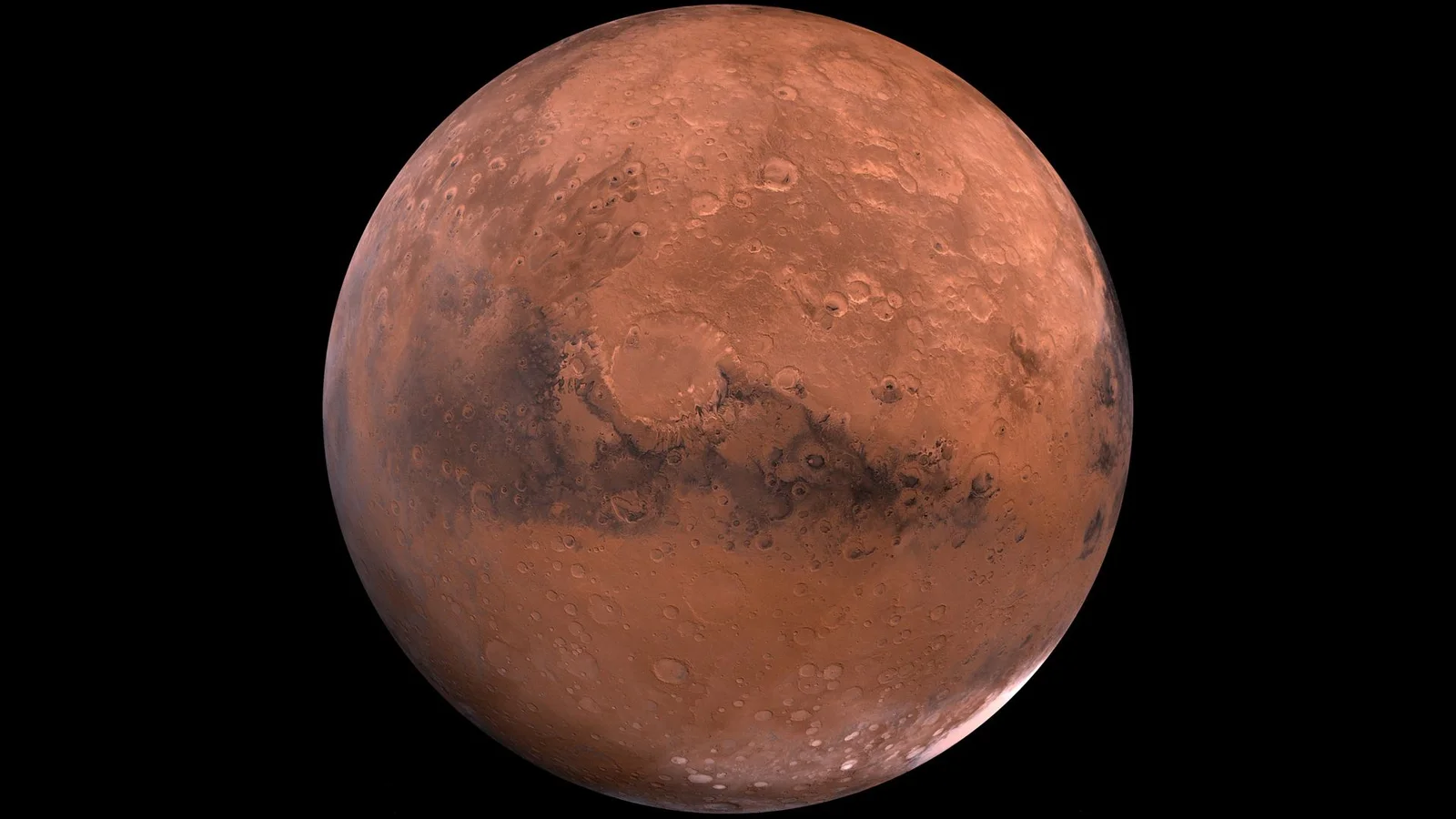
Due to Einstein's theory of general relativity, time passes slightly faster on Mars than on Earth by about 477 microseconds per day, influenced by differences in gravity and orbital dynamics, which has implications for future space navigation and communication systems.
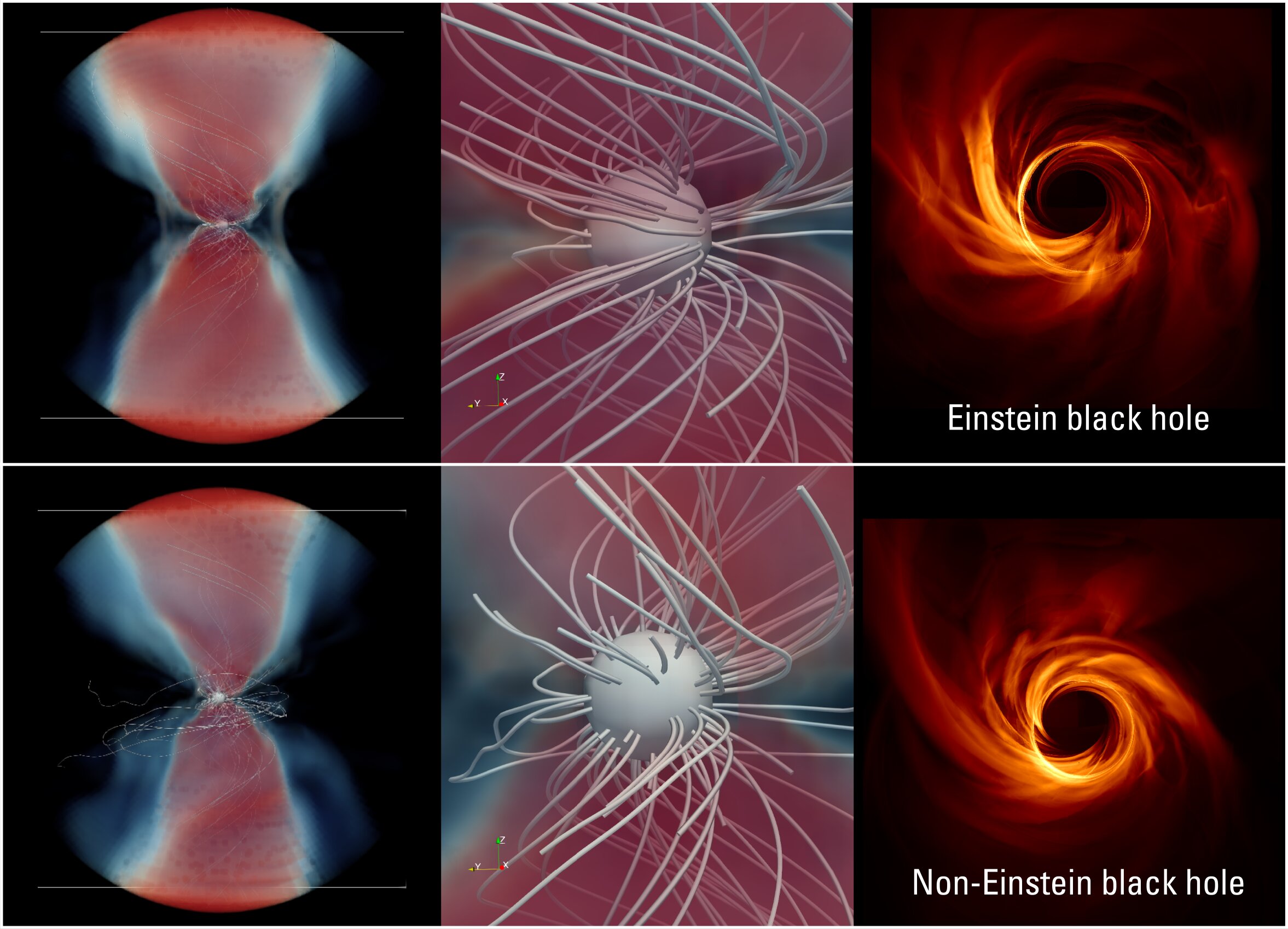
Scientists are developing new methods to distinguish between different types of black holes and test Einstein's theory of relativity using high-resolution images of black hole shadows, with future telescopes expected to improve the ability to detect deviations from current models.
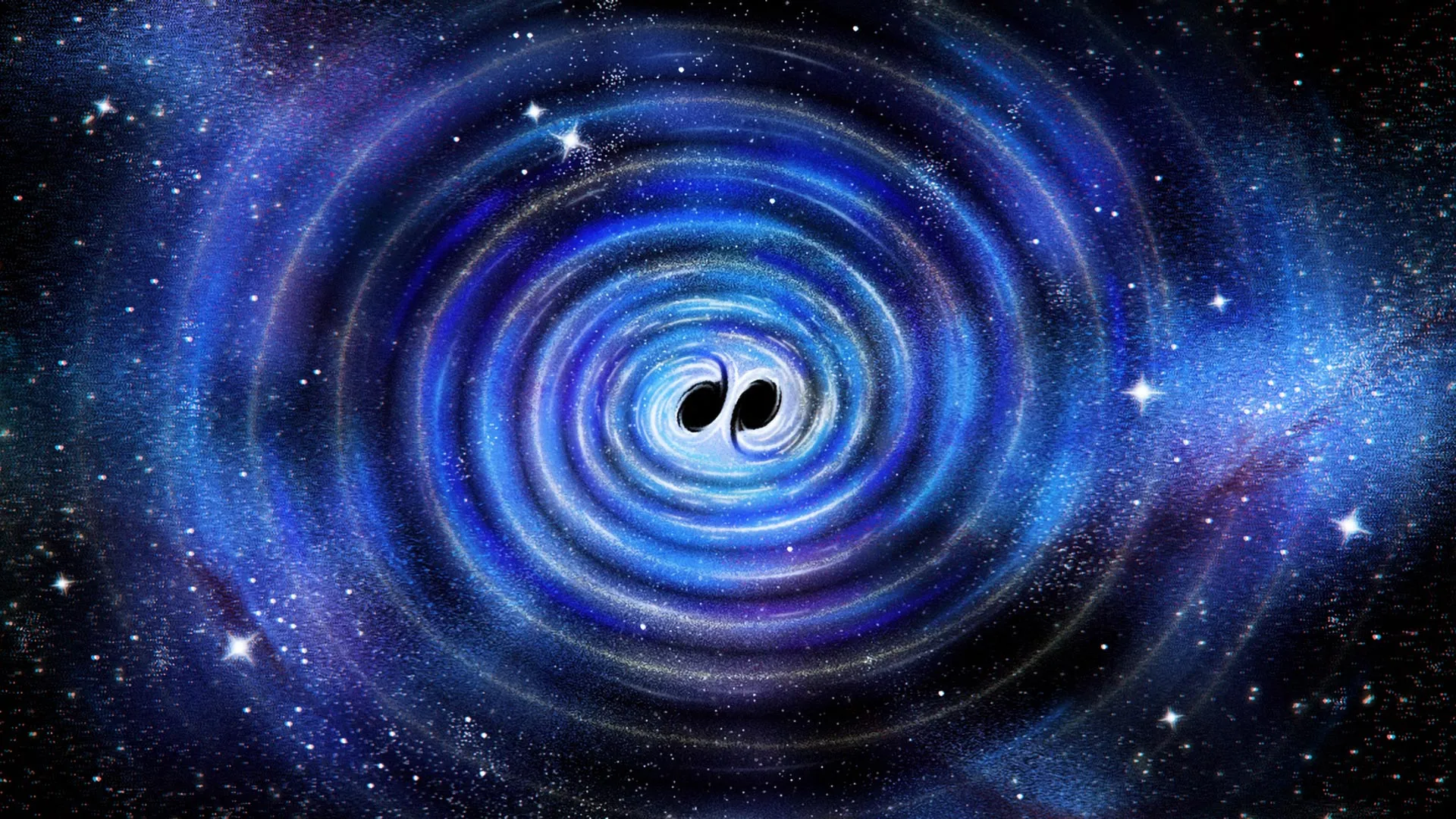
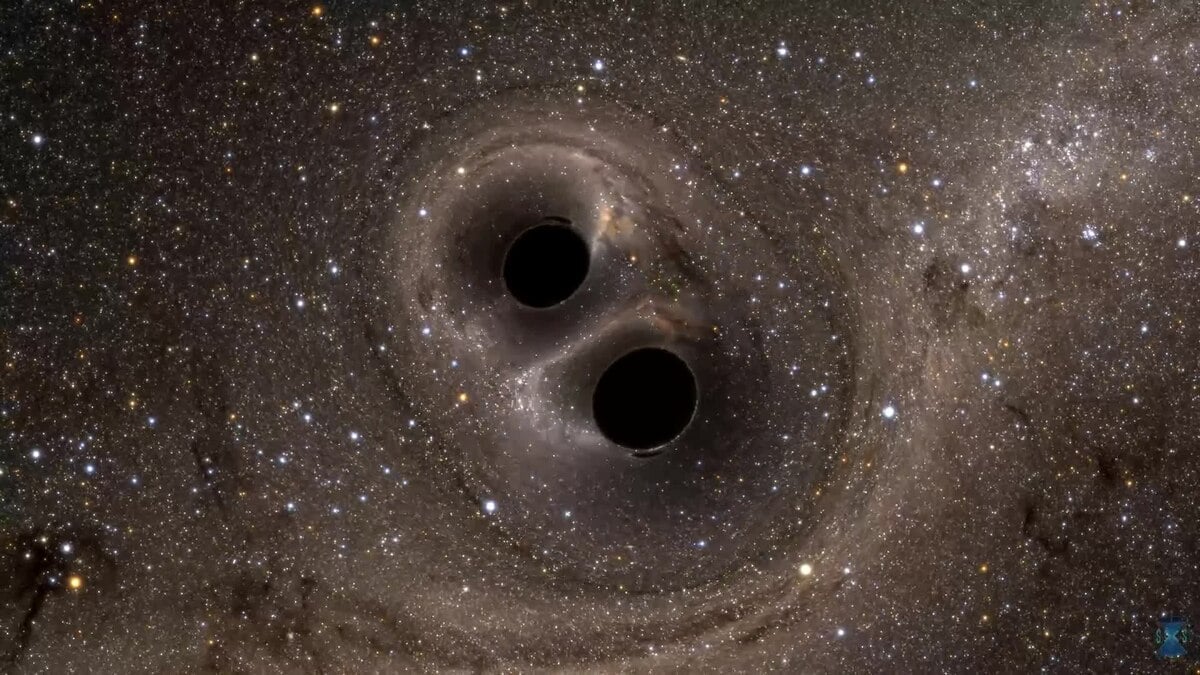
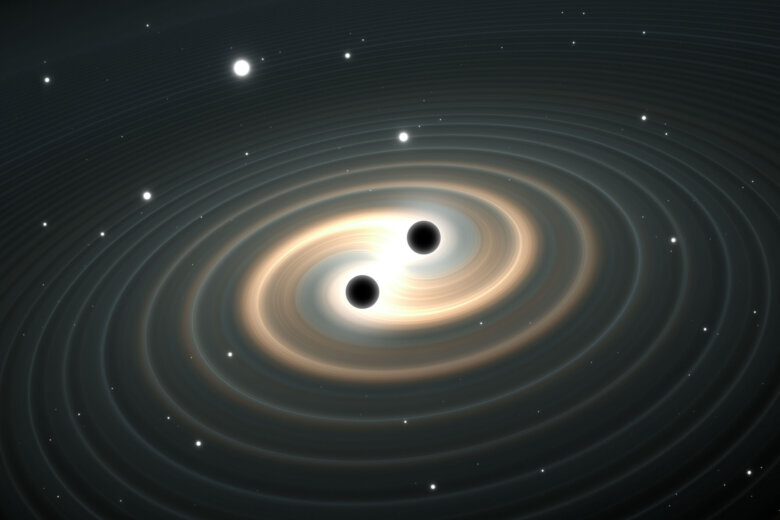
Scientists have detected two pairs of merging black holes, with the larger black holes in each pair likely being 'second-generation' black holes formed from previous mergers, providing evidence of hierarchical black hole formation and confirming Einstein's predictions through gravitational wave observations.
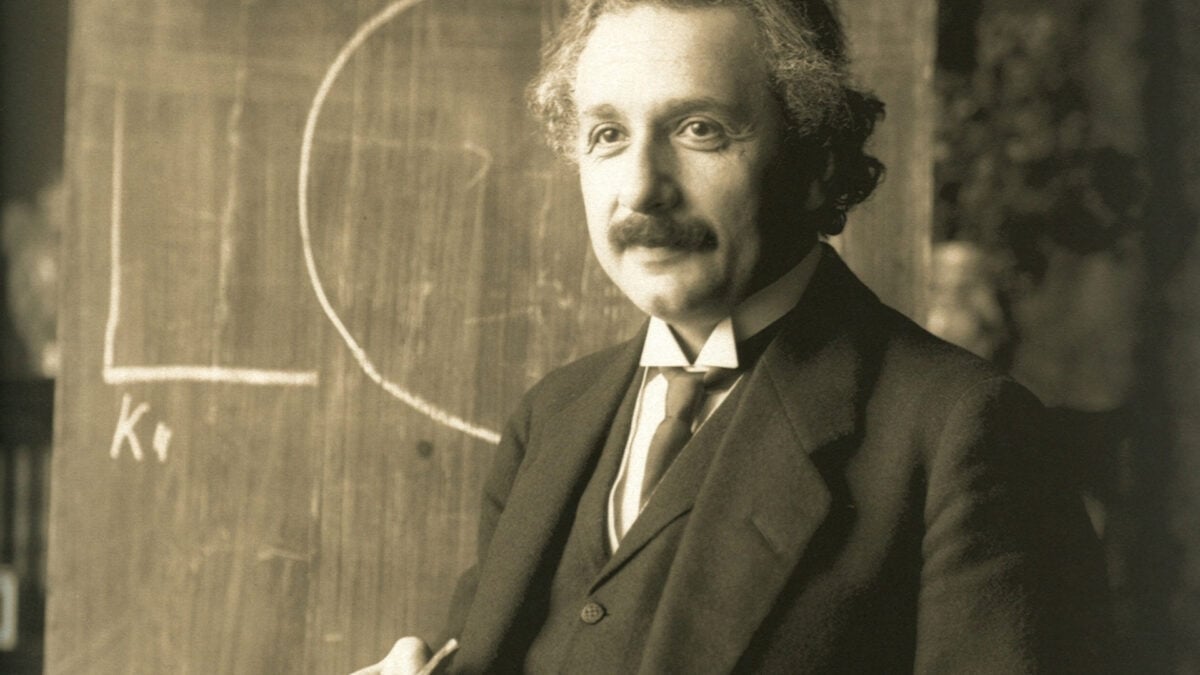
Albert Einstein, despite his groundbreaking contributions to physics, made several errors or had misconceptions, such as doubting the existence of gravitational waves and black holes, and attempting unification of forces without quantum mechanics. However, his willingness to revise his views and challenge established ideas significantly advanced scientific understanding, demonstrating his perceptive and cautious approach to exploring the universe.
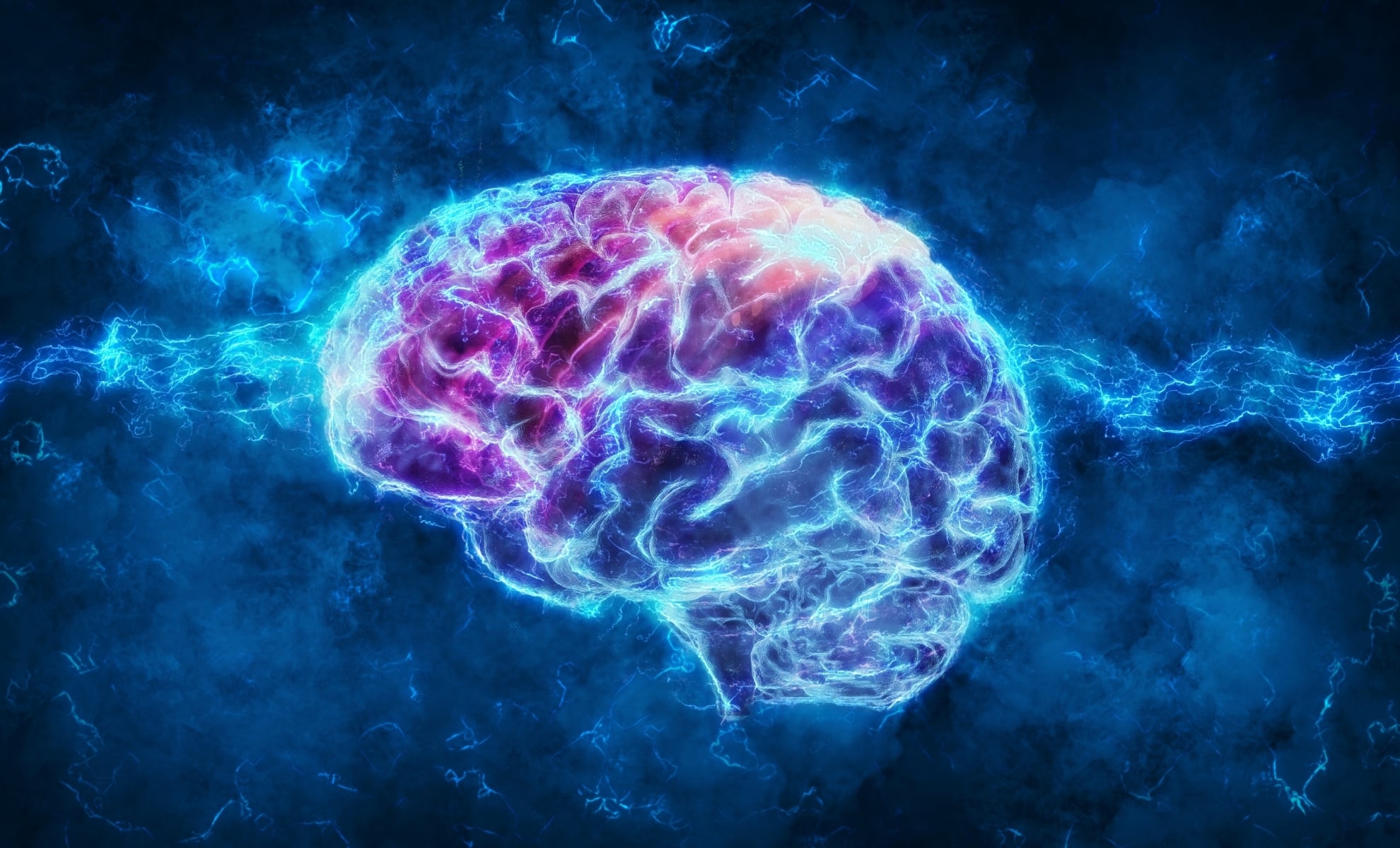
Scientists have developed a new technique called Stereo-seq V2 that could potentially analyze preserved brain tissue at the cellular level, raising the possibility of understanding what makes Einstein's brain unique and exploring the biological basis of intelligence, although practical challenges remain.
Recent black hole merger detections by LIGO provide the clearest evidence yet supporting Einstein's general relativity and Hawking's area theorem, confirming black holes are simple objects characterized by mass and spin, and offering insights into the fundamental nature of space-time and quantum physics.
New observations of black hole mergers by LIGO have confirmed key predictions of Einstein's general relativity, including the simplicity of black holes described by just mass and spin, and Hawking's area theorem, providing deeper insights into the nature of black holes and space-time.
A recent black hole merger detected by LIGO and other observatories provides the clearest evidence yet supporting Einstein's General Relativity, Hawking's area theorem, and Kerr's black hole model, confirming key predictions about black hole properties and their connection to fundamental physics, with future detectors promising even deeper insights.
It's been 10 years since the first detection of gravitational waves, a discovery that confirmed a prediction by Einstein and has since led to the development of multiple detection facilities worldwide, enabling regular observations of black hole mergers and advancing our understanding of the universe.
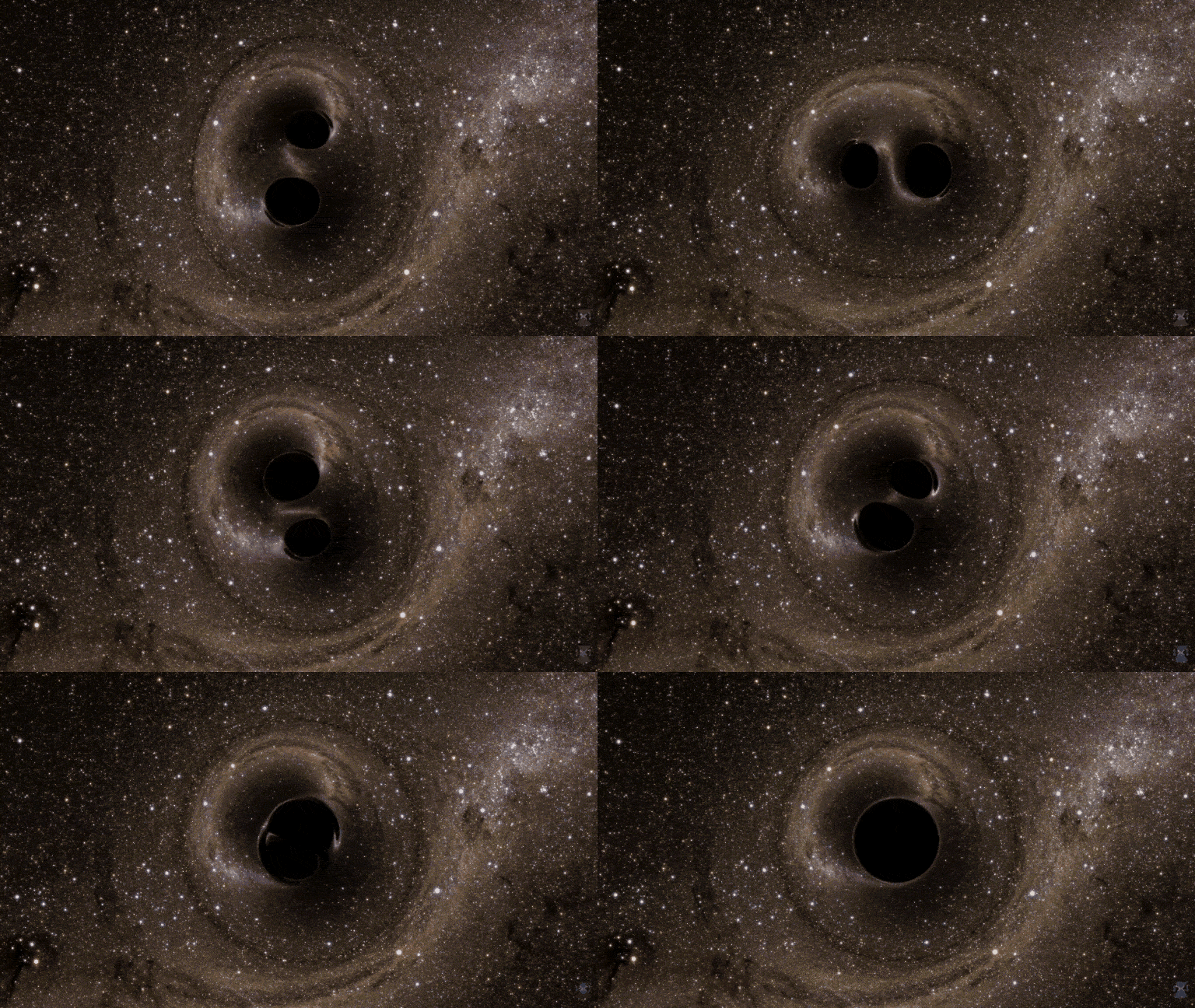
On September 14, 2015, scientists with LIGO detected gravitational waves for the first time, confirming Einstein's prediction and opening a new era in astrophysics by observing cosmic events like black hole mergers, which have since led to numerous discoveries about the universe.
Astronomers using advanced LIGO detectors observed a black hole collision that confirms predictions by Einstein and Hawking, providing new insights into black hole properties and the nature of spacetime.
A recent study suggests that the behavior of wide binary stars at very low accelerations cannot be fully explained by traditional Newton-Einstein gravity, potentially supporting Modified Newtonian Dynamics (MOND) as an alternative explanation, challenging current understanding of gravity and dark matter.
Recent gravitational wave data from black hole collisions supports Einstein's no-hair theory, indicating any additional 'hair' must be confined within 40 kilometers of the black hole, thus showing no significant deviations from current models and providing constraints on theories involving quantum effects near black holes.