Tag

Imaging Technology

All articles tagged with #imaging technology

science3 months ago

Breakthrough in Parkinson’s research: visualizing the disease's protein trigger

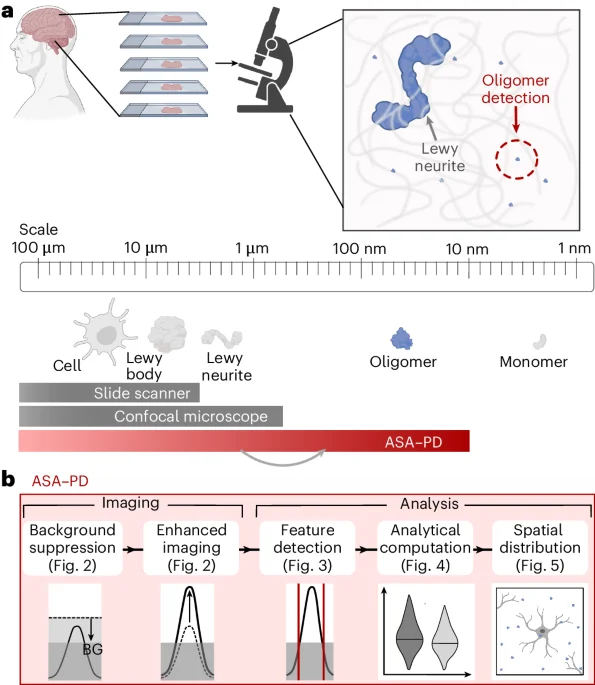
The article presents ASA–PD, a novel imaging platform that enables large-scale, high-sensitivity visualization and analysis of α-synuclein oligomers in post-mortem human brain tissue, revealing a disease-specific subpopulation of nanoscale assemblies associated with Parkinson's disease, and providing insights into their distribution, size, and potential role in disease progression.

science1 year ago

Ancient Earth Rocks: The New Frontier in Dark Matter Detection

Patrick Huber and his team at Virginia Tech are exploring a novel approach to detect dark matter by examining billion-year-old Earth rocks for tiny disruptions caused by dark matter particles. This interdisciplinary project combines physics, geology, and advanced imaging techniques, with significant funding from the NSF and NNSA. The research could not only confirm dark matter's existence but also lead to unexpected applications, such as portable nuclear monitoring devices.

science-and-technology1 year ago

"Unveiling the Intricate Map of Developing Human Heart Cells"

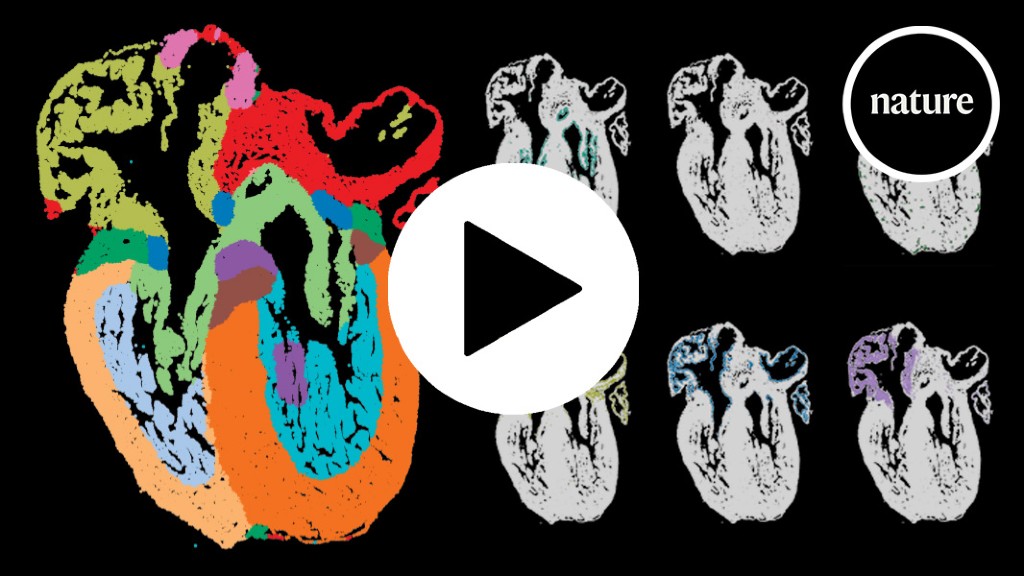
Researchers have utilized RNA sequencing and advanced imaging techniques to create a detailed map of the developing human heart, aiming to provide valuable insights into congenital defects, a leading cause of infant mortality. This comprehensive 'atlas' of the heart's cellular organization could pave the way for significant advancements in understanding and addressing heart-related health issues.

technology2 years ago

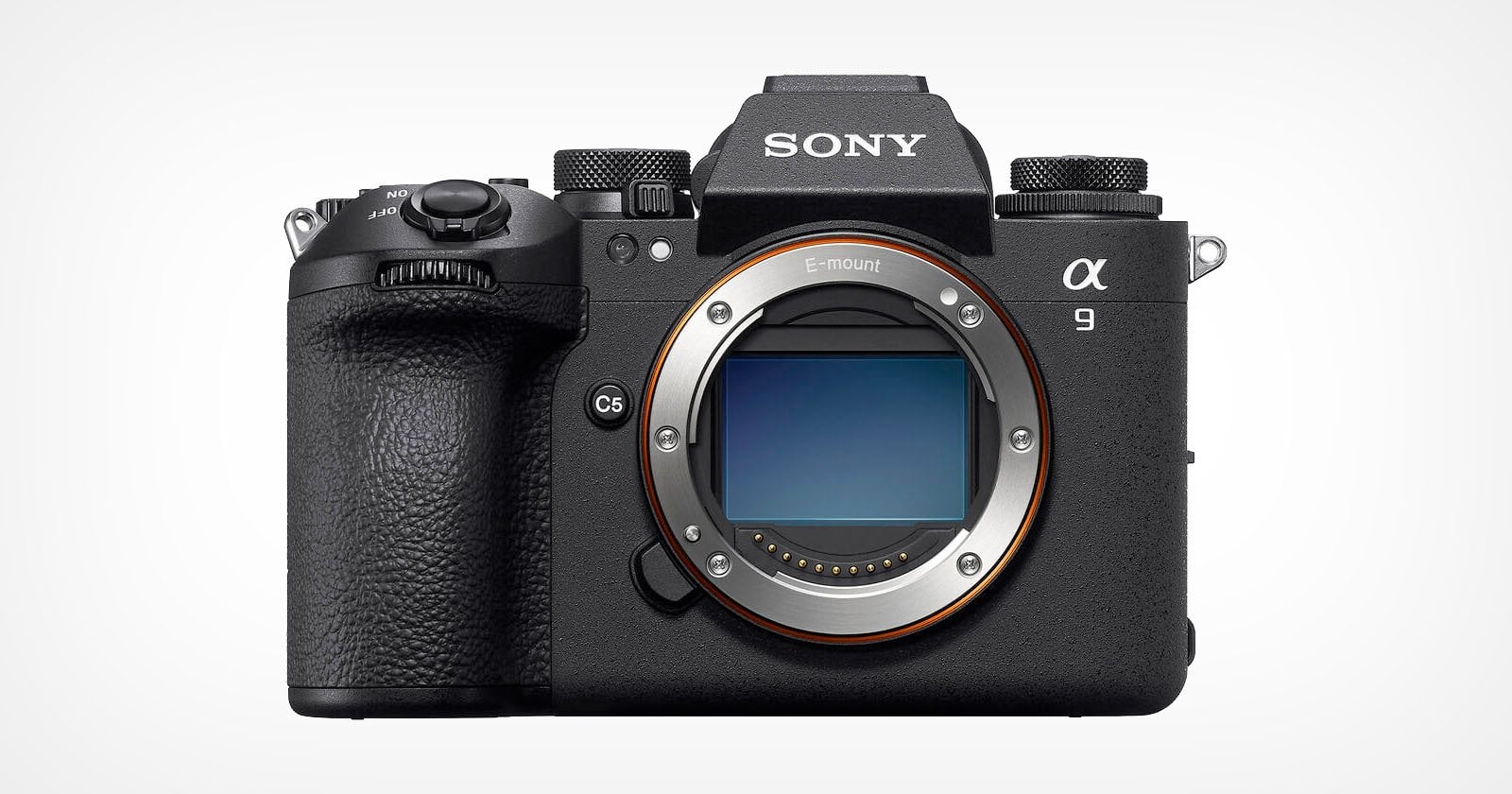
Sony Unveils A9 III: The Fastest Mirrorless Camera with Global Sensor

Sony has announced the a9 III, the world's first full-frame ILC (interchangeable lens camera) with a global shutter image sensor. The camera offers blackout-free shooting at 120 frames per second, real-time recognition autofocus with AI processing, and flash sync at any shutter speed. It features a 24.6-megapixel CMOS image sensor, 759-point autofocus system, 4K/120p video capability, and up to eight stops of image stabilization. The a9 III will be available next spring for $5,999.

science-and-technology2 years ago

Breakthrough: Scientists Develop Highest-Resolution Superconducting Camera with 400,000 Pixels

Scientists at NIST have developed the world's highest-resolution single-photon superconducting camera with 400,000 pixels, a 400 times increase compared to similar cameras. The camera, made up of grids of thin electrical wires cooled to near absolute zero, enables the capture of weak light signals for various applications, including biomedical imaging and astronomical observations. The novel readout structure allows for scalability, potentially leading to even larger cameras with higher resolution. The team plans to improve the camera's sensitivity to capture every incoming photon, opening up possibilities for low-light imaging and biomedical studies.

medical-technology2 years ago

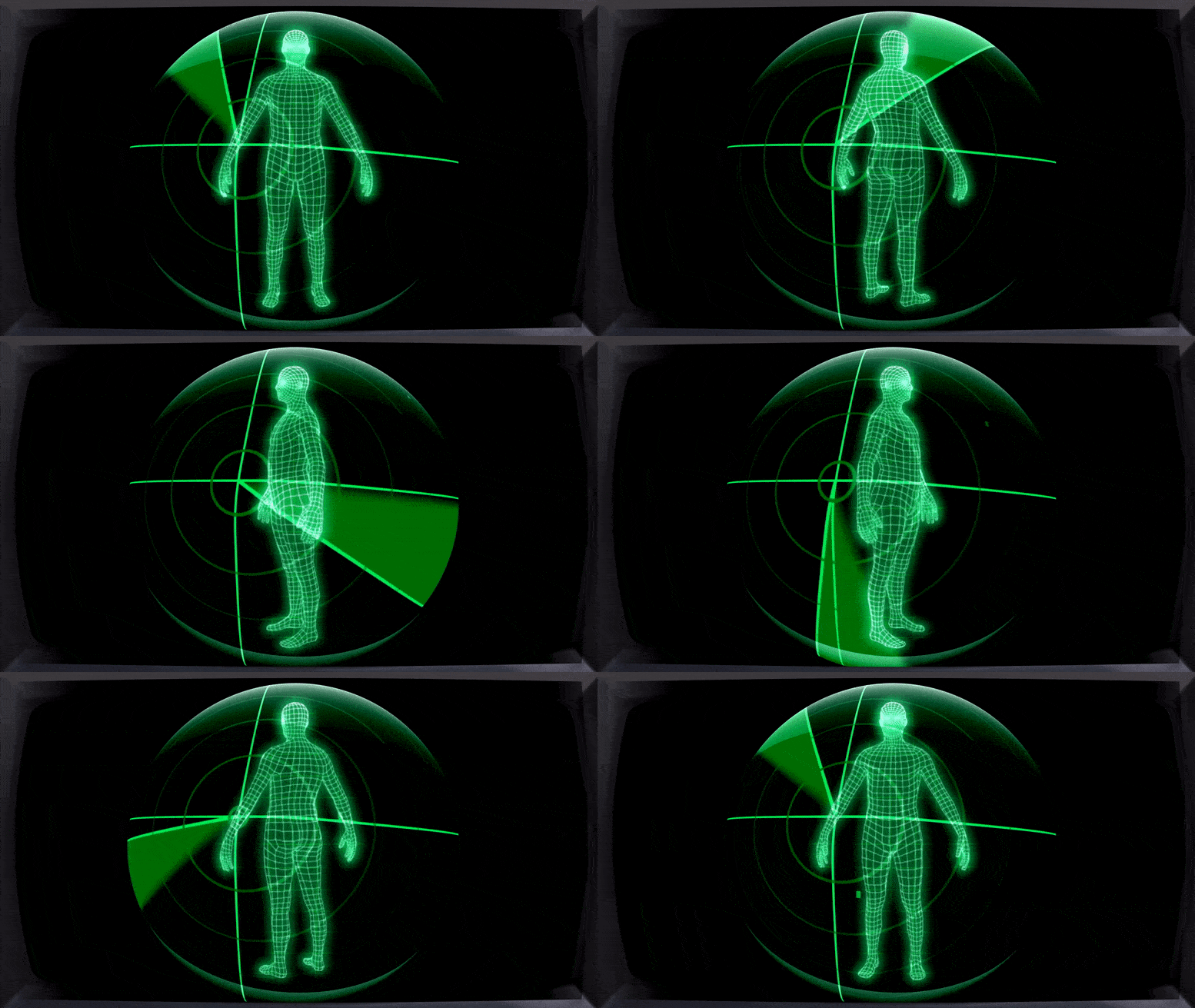
Revolutionary Radiation-Free Imaging Technique Offers Instant Inside Look at Human Body

Researchers from Julius-Maximilians-Universität Würzburg have developed a portable, radiation-free scanner using Magnetic Particle Imaging (MPI) that can visualize dynamic processes like blood flow in the human body. The scanner, based on the detection of magnetic nanoparticles administered as markers, offers a sensitive and fast alternative to traditional imaging techniques. The small and lightweight design of the scanner allows for easy mobility, making it a promising tool for radiation-free interventions. The researchers are now working on further improving the image quality and developing the technology for real-time endovascular interventions.

science-and-environment2 years ago

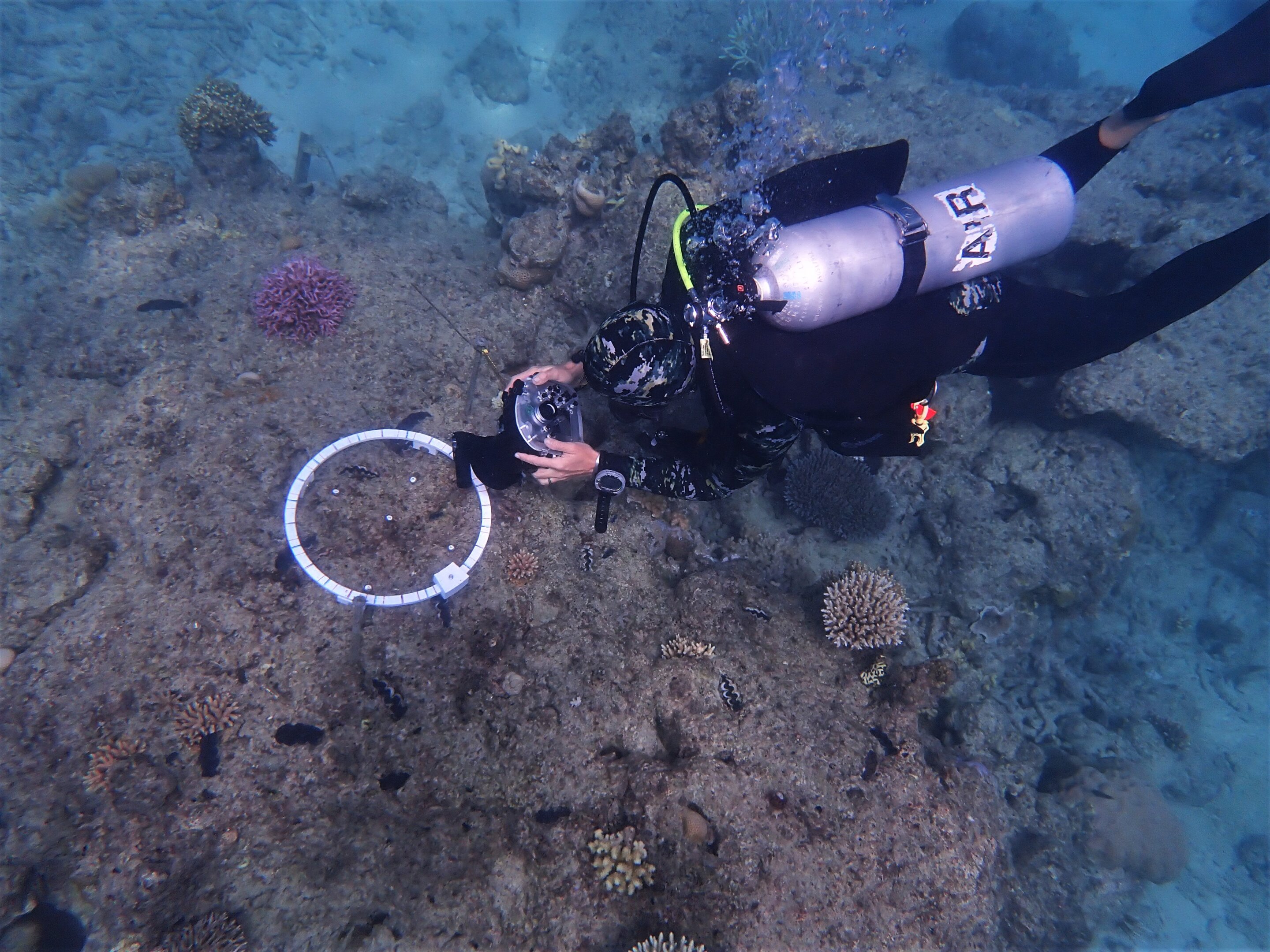
Revolutionizing Coral Monitoring on Great Barrier Reef with Advanced Imaging Technology

Scientists from Southern Cross University and CSIRO have successfully used underwater macrophotogrammetry to monitor and study the recruitment of corals and other sessile organisms on the Great Barrier Reef. This advanced imaging technique allows for the observation and tracking of organisms as small as 0.5 millimeters in their natural habitat, providing valuable insights into coral larval restoration interventions. The macrophotogrammetry method offers a cost-effective and non-invasive way to assess the success of coral restoration efforts and provides a permanent three-dimensional record of small reef areas. This technology has the potential to revolutionize marine ecological research and restoration efforts.

health-and-medicine2 years ago

Revolutionizing Cancer Therapy: Transparent Mice Shed Light on New Techniques

Scientists have developed a new scanning technique called wildDISCO that turns dead mice "transparent" by removing fat and pigment from their tissues, allowing for unprecedented detail when examining internal organs and tissues. This innovative method, which floods the body with fluorescent-tagged antibodies and creates a three-dimensional map, could significantly improve cancer drug development by identifying tiny groupings of cancer cells that would otherwise go unnoticed. While currently only usable in dead mice, the technology has the potential to enhance scanning techniques and improve drug specificity in the future.

science-and-technology2 years ago

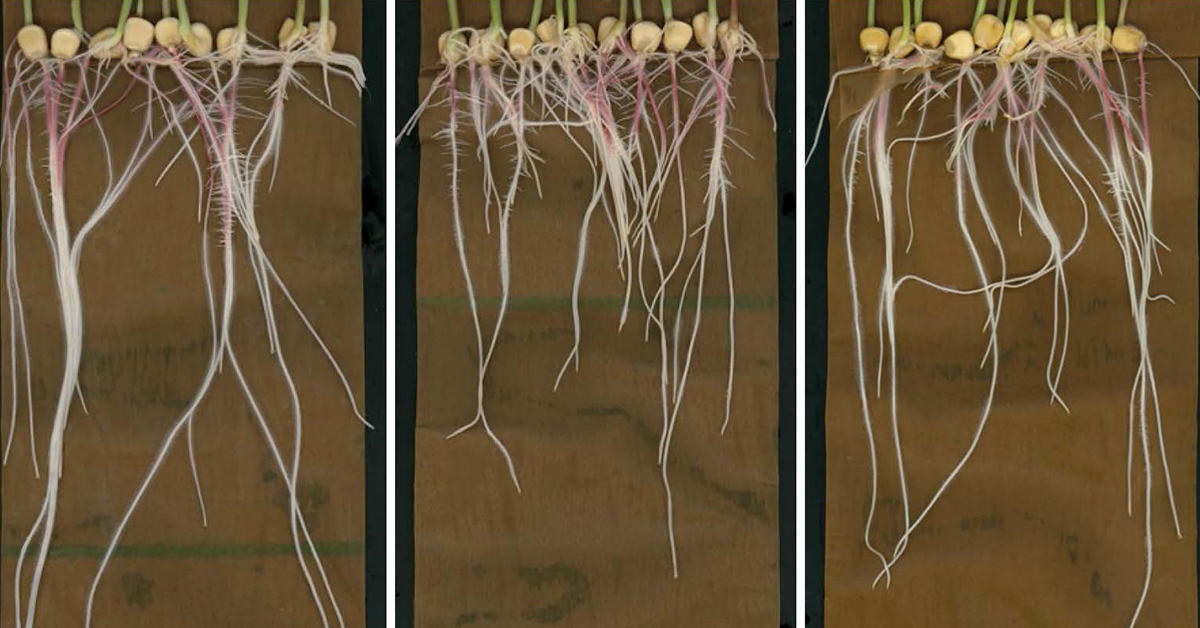
Uncovering the Secret World of Plant Roots through Chemical Cartography.

Researchers have used advanced imaging technology to develop a chemical "roadmap" of the distribution of critical small molecules along maize plant stem cells and their impact on the plant's development. The study's insights could provide key insights into how these essential root chemicals affect plant growth, which could be useful in conservation and making plants more sustainable, especially in agriculture. The study was funded by the National Science Foundation, the National Institutes of Health, the Hellman Foundation, the William E. McElroy Charitable Foundation, the Revelle Provost Summer Research Scholarship, and the Genentech Scholars Program.