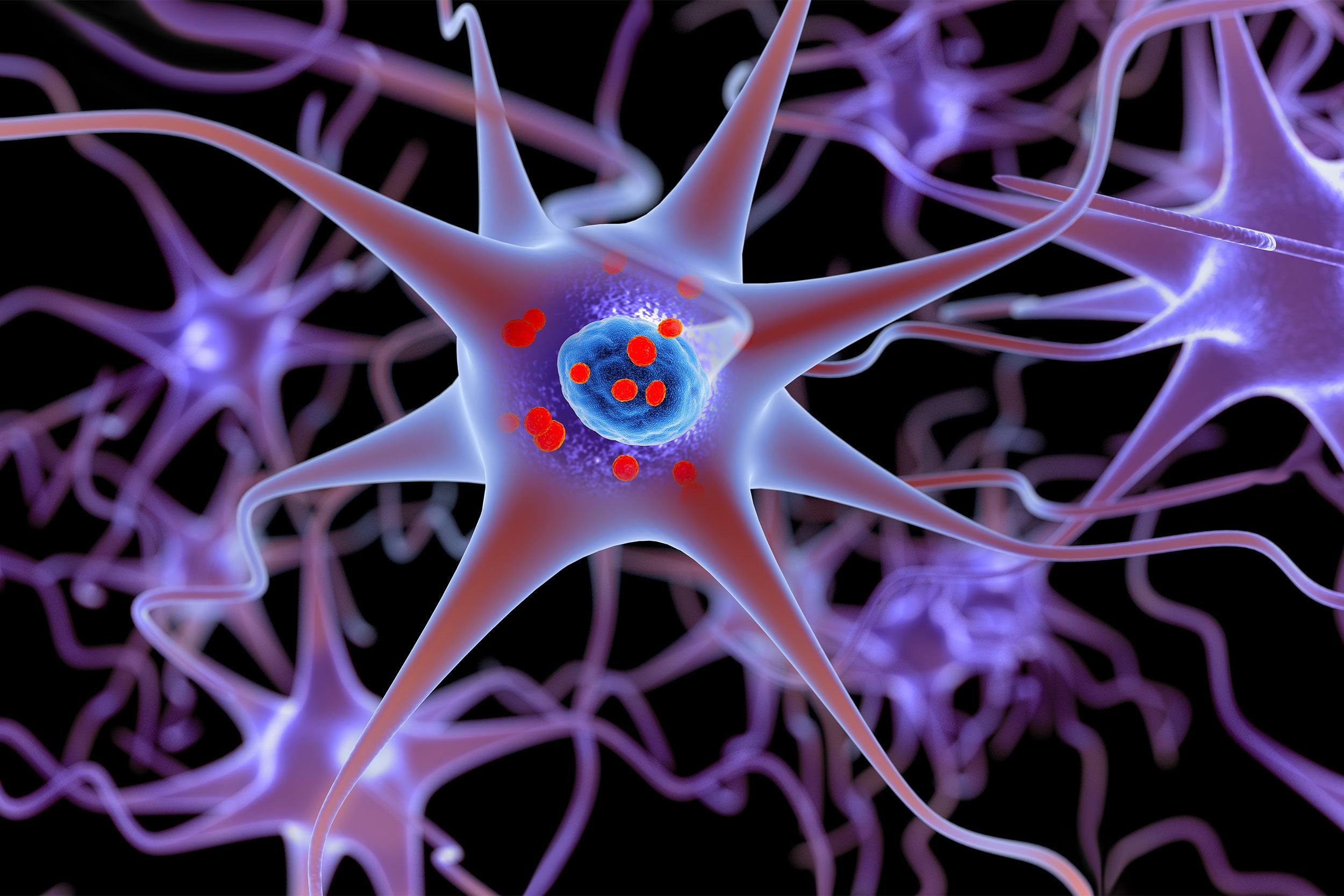
Parkinson's disease is rapidly increasing, affecting around a million Americans, with research focusing on early diagnosis and innovative treatments like stem cell therapy to potentially prevent or slow the disease's progression.
A study published in the British Journal of General Practice suggests that individuals over 50 who develop anxiety are more than twice as likely to be diagnosed with Parkinson’s disease compared to those without anxiety. Utilizing data from the IQVIA Medical Research Database, the study adjusted for various factors and found a significant association between new-onset anxiety and the later diagnosis of Parkinson’s. This finding highlights the potential of anxiety as an early indicator of Parkinson’s, emphasizing the need for further research to improve early detection and treatment strategies.
Researchers at the Salk Institute have discovered that synapses in the brain can store 10 times more information than previously thought, using a new method based on information theory. This breakthrough enhances understanding of learning, memory, and brain disorders, potentially advancing research on conditions like Alzheimer's disease.
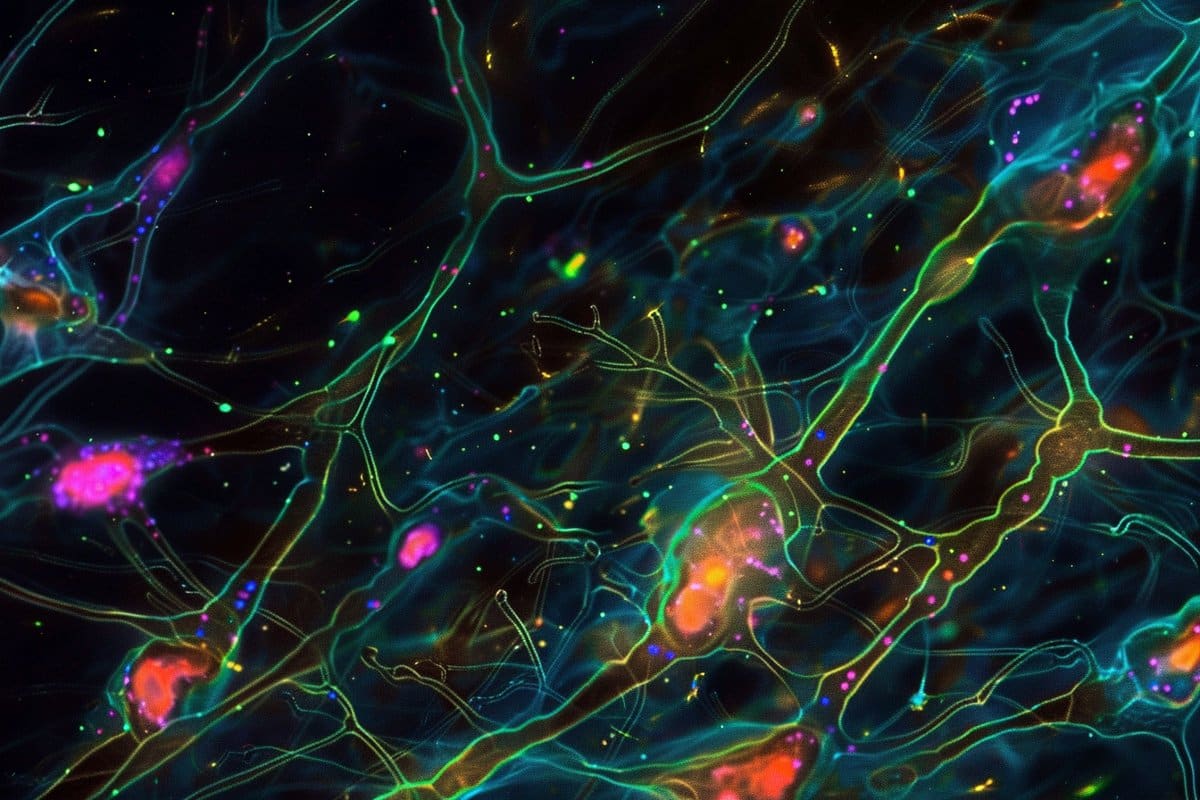
A new neuron labeling technology called NeuM has been developed, allowing for selective, high-resolution visualization of neuronal membranes and real-time monitoring of neuronal changes. This innovative technology overcomes the limitations of existing labeling methods by providing long-term tracking capabilities and high accuracy without reliance on gene expression or proteins. Expected to advance research and therapy development for neurodegenerative disorders like Alzheimer’s and Parkinson’s disease, NeuM marks a significant leap forward in understanding and treating previously deemed incurable conditions.
A comprehensive study led by researchers at the University of Massachusetts Amherst has investigated the relationship between gene expression and brain evolution across 18 primate species. By sequencing RNA transcripts from brain tissue samples of these species, the team identified significant variation in gene expression across different primate brains, particularly in regions related to cognition and metabolism. The study's findings may offer insights into the evolution of primate brains and provide potential avenues for understanding human neurodegenerative disorders.
A recent study presented at Discover BMB 2024 suggests a correlation between extended ingestion of reheated cooking oils and accelerated neurodegeneration, as evidenced by higher levels of neurotoxicity in rats fed diets high in such oils. The consumption of reheated oils disrupts the gut-brain-liver axis, leading to increased oxidative stress and inflammation, precursors to neurodegenerative conditions. Reheating oils at high temperatures leads to the formation of harmful compounds, impacting human health with elevated cholesterol levels, inflammation, and potential liver damage. Dietary interventions rich in omega-3 fatty acids, antioxidants, and probiotics are recommended to mitigate these risks.
A new study involving 131 researchers from over 100 different laboratories suggests that increasing brain acidity, linked to higher levels of the waste product lactate, may underlie a range of neurodegenerative and neuropsychiatric disorders such as depression, Alzheimer's, and epilepsy. The study, conducted in animal models, found a clear association between increased brain lactate levels and impaired working memory. While the impact of lactate on mental health remains uncertain, the findings open up new treatment avenues for various disorders, with future research focusing on developing tailored treatments for patient subgroups characterized by specific alterations in brain energy metabolism.
A skin biopsy test has shown high accuracy in detecting an abnormal form of alpha-synuclein, the pathological hallmark of Parkinson’s disease and related neurodegenerative disorders. The study, sponsored by the National Institutes of Health, demonstrated the reliability of this cutaneous method as a tool for more accurate diagnoses, potentially offering better care for patients. The research may also aid in accelerating drug development for these complex diseases.
Researchers have identified the DEK gene as potentially responsible for the degeneration of neurons vulnerable to Alzheimer’s Disease (AD), particularly in the entorhinal cortex, a critical area for memory formation. Manipulating DEK levels in experimental models led to increased tau accumulation and neuron degeneration, suggesting a novel therapeutic target. This collaborative effort signifies a crucial step towards understanding and combating the selective vulnerability seen in AD, offering hope for preventing memory loss and curtailing AD progression by protecting these neurons.
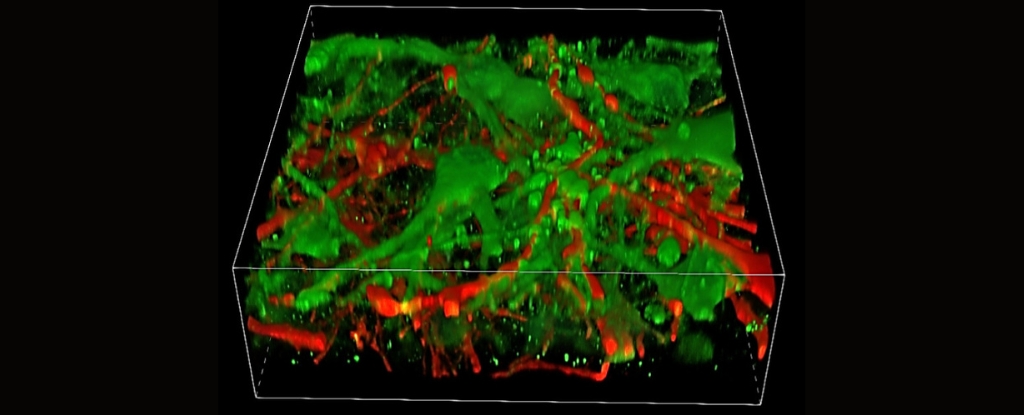
Researchers at the University of Wisconsin–Madison have successfully created the first functional 3D-printed brain tissue that mimics the development and connectivity of real human brain tissue. This breakthrough provides a new tool for studying brain cell communication and could lead to improved treatments for diseases like Alzheimer's and Parkinson's. The method is accessible to many labs and allows for easy maintenance and study using standard laboratory equipment. The 3D-printed tissue forms brain-like networks and can be used to study various neurological and psychiatric disorders, with potential applications in understanding brain development and neurodegenerative disorders.
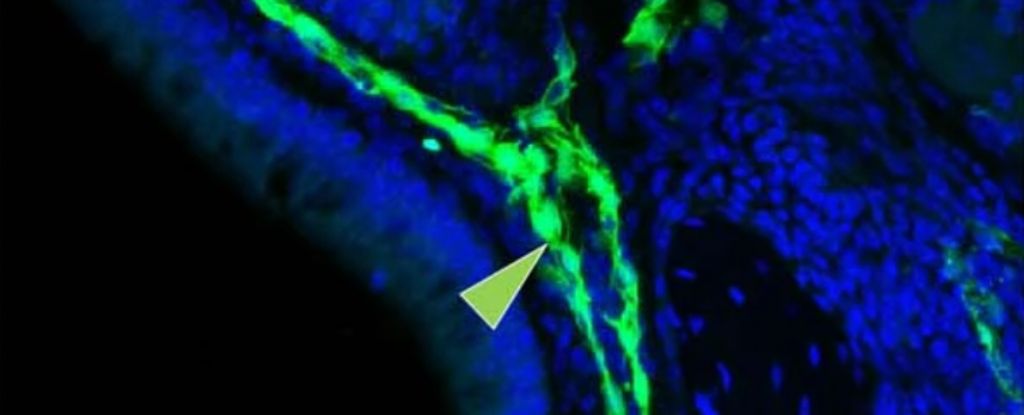
Scientists have discovered a previously unknown network of lymphatic vessels, called the nasopharyngeal lymphatic plexus, in mice and monkeys that connects the brain to the body's lymphatic system, potentially playing a crucial role in maintaining the health and function of the central nervous system. This discovery could have significant implications for understanding and treating conditions related to impaired cerebrospinal fluid (CSF) drainage, such as neurodegenerative disorders like Alzheimer's disease. The findings suggest that stimulating these vessels could improve their fluid-draining function, offering a potential target for neurodegenerative treatment.
Scientists in China are experimenting with a mutant COVID strain with a 100% kill rate in mice, but experts caution that the study is small and not peer-reviewed. Other diseases with 100% or near-100% fatality rates include Creutzfeldt–Jakob disease, fatal familial insomnia, kuru, Gerstmann–Sträussler–Scheinker syndrome, and rabies, each with its own unique characteristics and challenges for treatment and management.
Dr. Antonio Barbera, a former obstetrician-gynecologist living with multiple sclerosis, has launched the NeuroPong program in Fort Collins, Colorado, prescribing ping pong as a treatment for neurodegenerative diseases such as dementia and Parkinson's. The program gathers regularly to play ping pong, collecting data to determine the treatment's effectiveness and has expanded to other cities and partnered with universities. Barbera's goal is to demonstrate the positive impact of the program and provide a supportive environment for those with neurodegenerative disorders.
A recent review published in Nutrients explores the association between vitamin D supplementation and fatigue, highlighting its role in reducing oxidative stress and regulating neurotransmitter levels. The review presents evidence of vitamin D's involvement in various physiological processes and its potential influence on conditions such as neurodegenerative and cardiovascular disorders, rheumatological disorders, diabetes, fertility, fatigue-related conditions, and cancer. While there is mixed evidence from human cohort studies and insufficient data on its effect on fatigue, further research, including randomized controlled clinical trials, is needed to determine the causal effects of vitamin D supplementation on fatigue reduction.
Researchers have used single nucleus RNA sequencing to analyze genetic risks in microglia and astrocytes, two types of brain cells, and have identified their distinct roles in the progression of Alzheimer's disease (AD). Astrocytes were found to impact early stages of the disease, such as amyloid-β buildup, while microglia influenced later stages, including plaque and tau tangle accumulation and cognitive decline. These findings provide crucial insights for developing targeted therapies that specifically target the genetic risks associated with different cell types in the brain.