A global study finds that discrepancies between creatinine and cystatin C blood tests, used to assess kidney health, can predict higher risks of kidney failure, heart disease, and death, emphasizing the importance of using both tests together for accurate diagnosis and early intervention.

Experts warn that unvaccinated pets in Maine pose an increasing health risk, highlighting concerns about preventable diseases like Parvo, especially as pet vaccination rates decline.
Research shows that as men age, their sperm accumulate more mutations, some of which are harmful and linked to developmental disorders and cancers, increasing the potential health risks for their children. The study highlights the role of 'selfish' mutations that outcompete others in the testes, with mutation rates rising from 2% in men in their 30s to about 4.5% in men over 70, though not all mutations are necessarily passed on or harmful. Further research is needed to understand the full impact on offspring health.
A comprehensive study shows that even small daily intakes of processed meats, sugary drinks, and trans fats are linked to increased risks of diseases like type 2 diabetes, colorectal cancer, and heart disease, emphasizing the importance of limiting these foods for better long-term health.
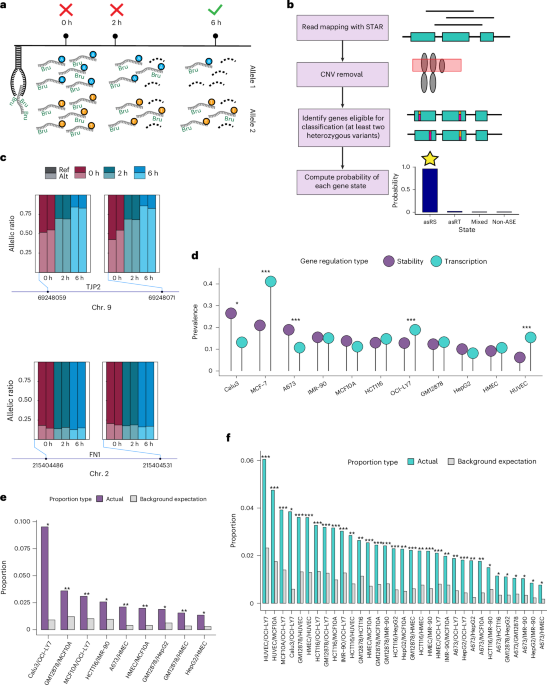
This study investigates how genetic variants affecting RNA stability influence complex traits and disease risk, utilizing extensive RNA sequencing data, eQTLs, and genome editing to identify functional variants and their roles in gene regulation and disease susceptibility.
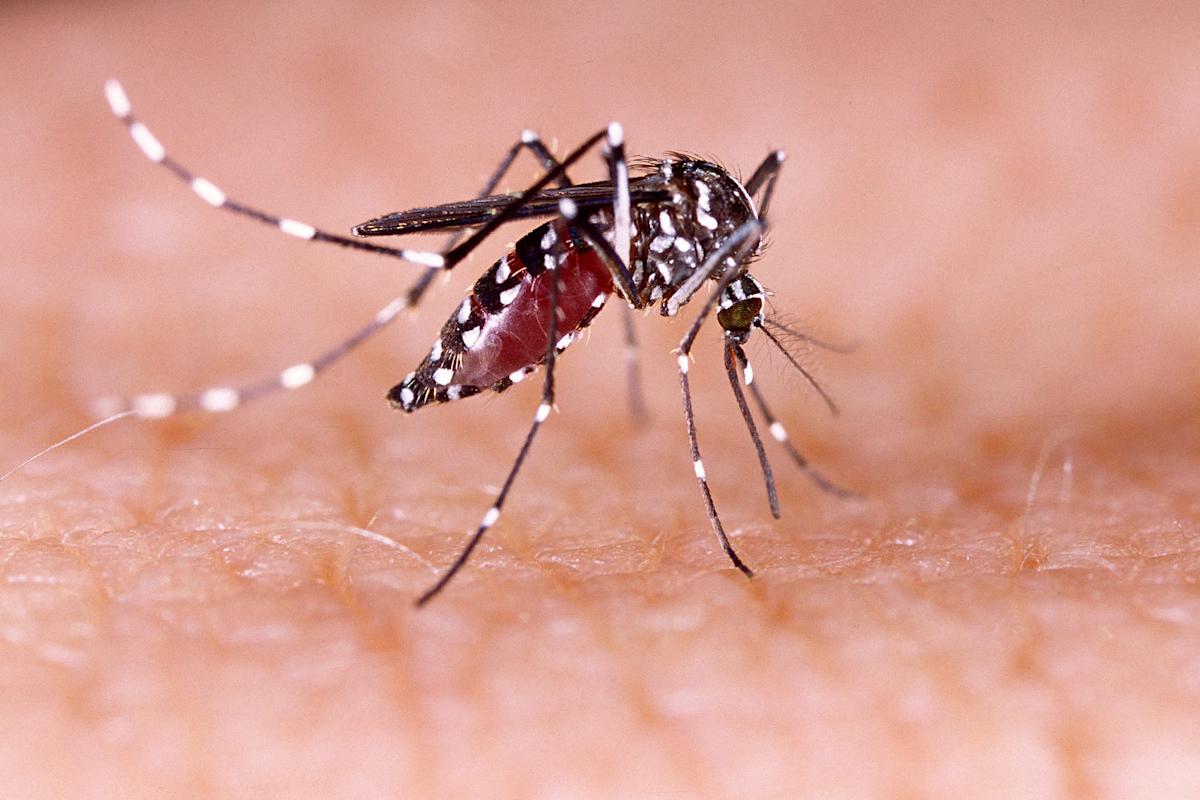
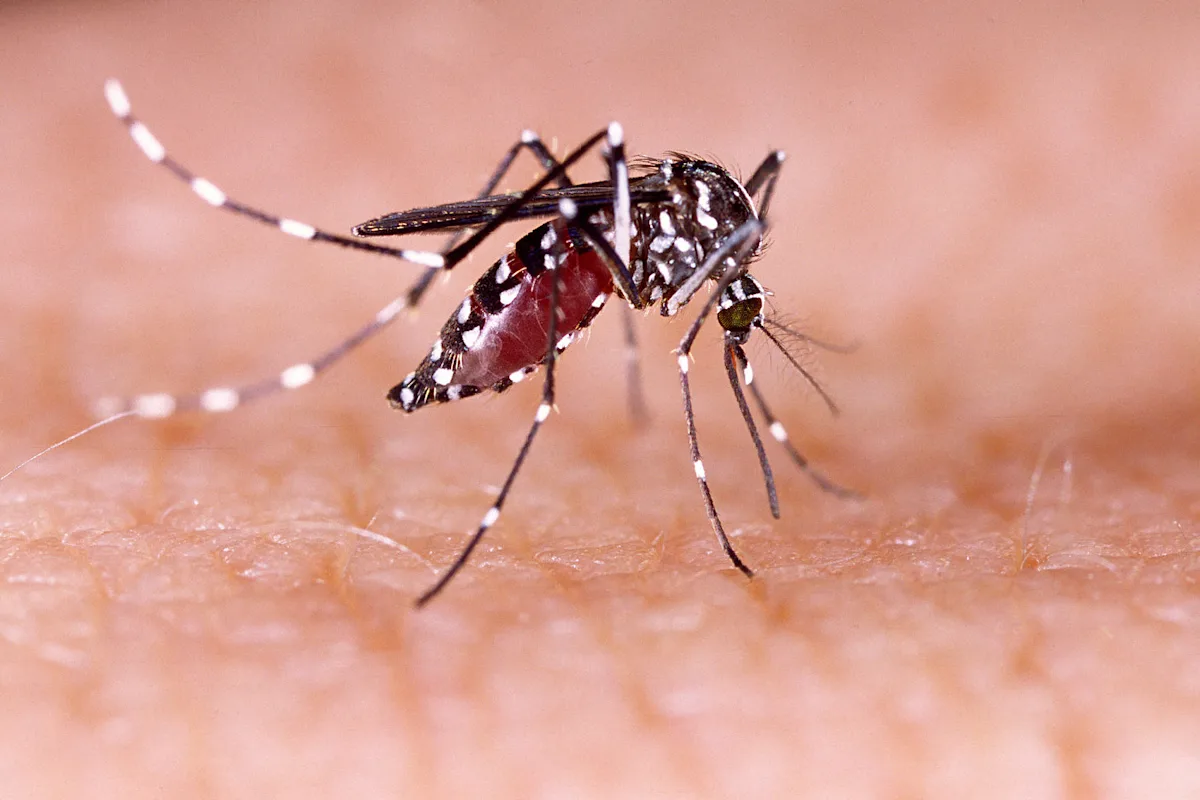
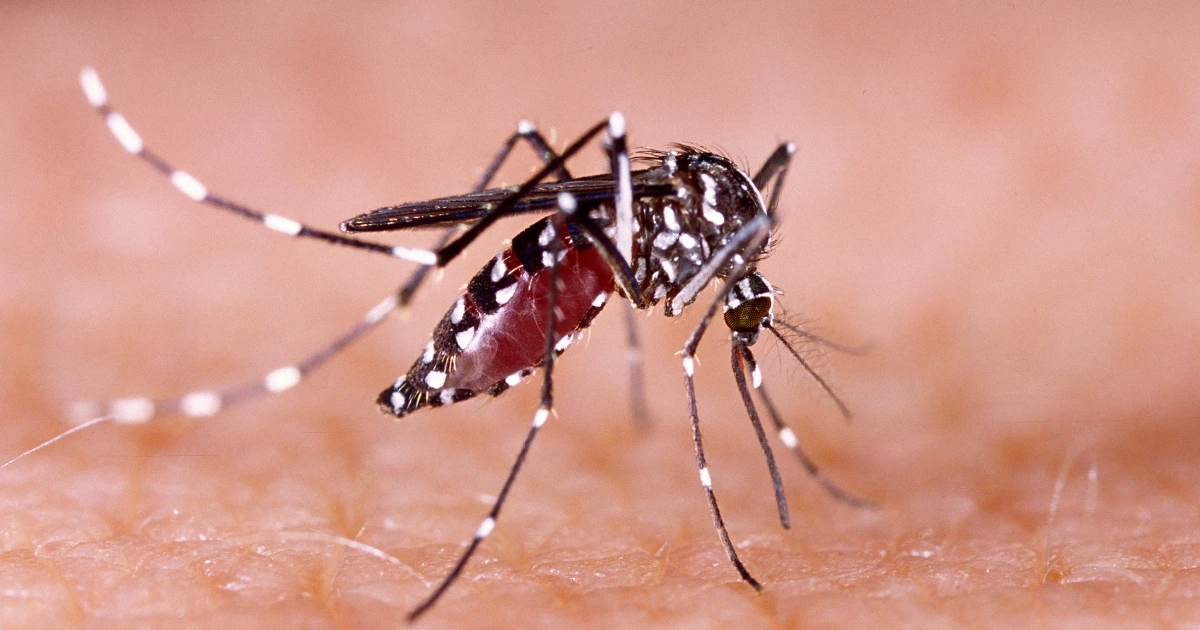
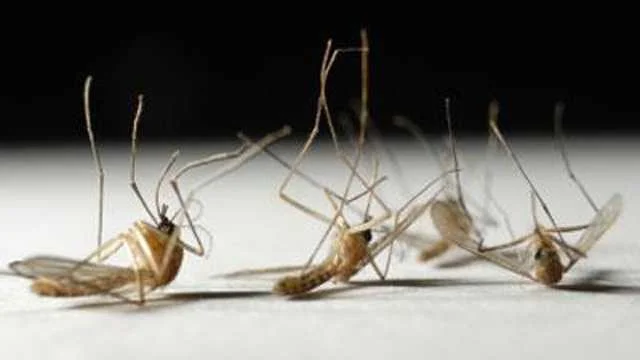
Las Vegas is experiencing an alarming increase in mosquito populations due to urban development, climate change, and insecticide resistance, raising concerns about the spread of mosquito-borne diseases like West Nile virus and dengue. The spread of aggressive Aedes aegypti mosquitoes, which breed in small water sources, is particularly concerning, and a lack of coordinated mosquito control efforts could exacerbate public health risks. Scientists warn that this situation is a warning sign of broader climate change impacts.
Las Vegas is experiencing a surge in mosquito populations due to urban development, climate change, and insecticide resistance, raising concerns about the spread of mosquito-borne diseases like dengue and West Nile virus. The situation is a warning sign of how climate change can expand mosquito habitats in desert regions, emphasizing the need for coordinated mosquito control efforts to protect public health.
Mosquito populations in Las Vegas are rapidly increasing due to urban development, climate change, and insecticide resistance, posing a significant public health risk with potential outbreaks of diseases like West Nile virus and dengue fever, highlighting the need for coordinated mosquito control efforts.
Doctors in the US are seeing a rise in tick bites and related ER visits, driven by environmental changes and increased awareness, highlighting the importance of prevention and quick removal to reduce disease risk, especially Lyme disease.
Recent research suggests that aiming for around 7,000 steps per day is associated with significant health benefits, including reduced risks of mortality, cancer, diabetes, cardiovascular disease, depression, and dementia, with diminishing returns beyond that number. The study challenges the popular 10,000-step goal, emphasizing that even modest increases in steps can substantially improve health, especially for those who are less active.
Scientists have developed a new brain MRI-based tool called DunedinPACNI that can predict an individual's rate of aging and associated health risks, potentially allowing earlier intervention for age-related diseases.
A comprehensive study in New Mexico reveals that residents are among the most at-risk populations for Valley fever, a lung-infecting disease caused by inhaling soil fungi, with higher risks in dusty, dry areas and rodent burrows; awareness and early treatment are crucial.
A meta-analysis from the University of Washington suggests that even small amounts of processed foods like meats, sugary drinks, and trans fats increase the risk of diseases such as type 2 diabetes, heart disease, and colorectal cancer, leading to recommendations to limit or avoid these foods, though some experts note the evidence quality is weak and more research is needed.
A new study indicates that there is no safe level of processed meat consumption, with even small amounts linked to increased risks of diseases like diabetes, cancer, and heart disease, emphasizing the importance of a balanced diet and moderation in intake of processed foods, sugary drinks, and trans fats.
West Nile virus has been detected in mosquitoes in Massachusetts for the first time this year, earlier than usual, with no current human or animal cases reported. The virus is transmitted by mosquito bites, and while most infected individuals are asymptomatic, those over 50 are at higher risk for severe illness. Surveillance remains crucial as the virus's activity is unpredictable.