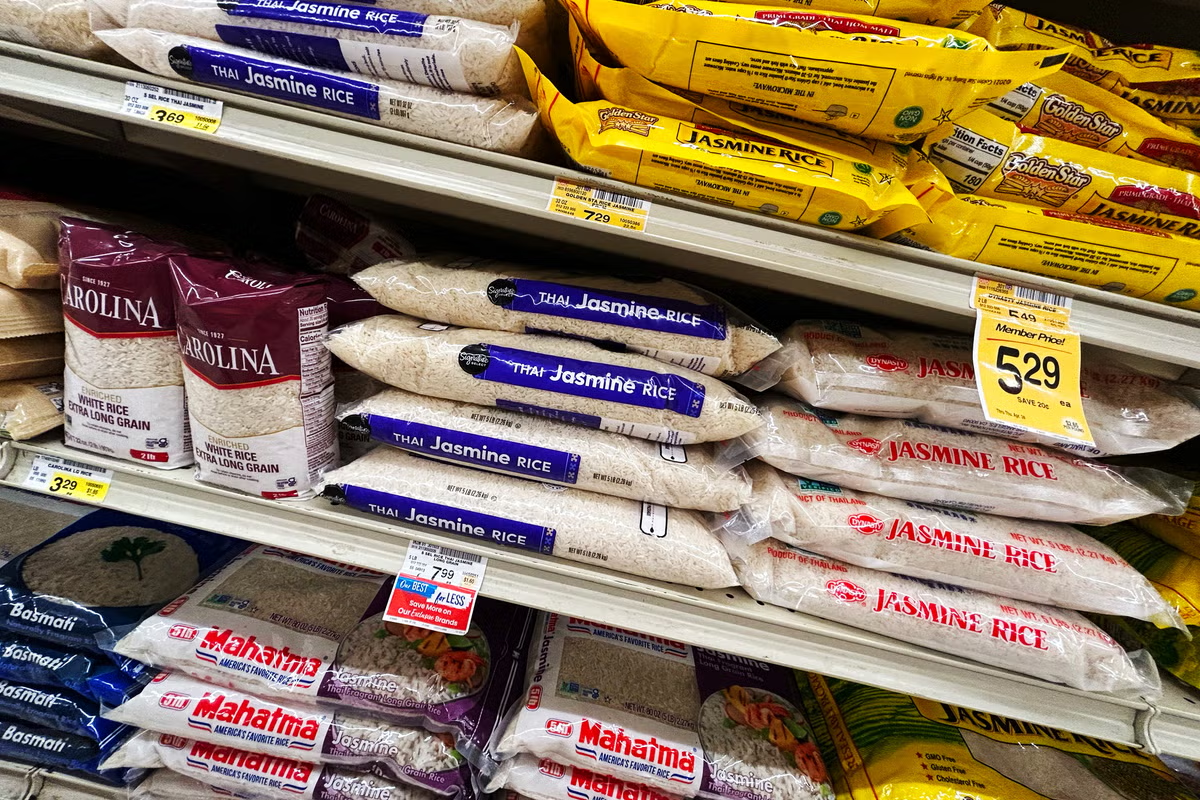
Chilling cooked starches like rice and potatoes can convert some starch into resistant starch, which may blunt blood sugar spikes and reduce cravings, potentially aiding weight loss; more research is needed, but practical tips include cooling carb-rich leftovers or serving cooled versions.
Resistant starch is a beneficial, under‑the‑radar fibre that feeds gut microbes and helps lower cholesterol, manage blood sugar, and curb appetite. The Times explains how to boost it in everyday foods: cook and then cool starch‑heavy items like pasta, potatoes and rice; enjoy overnight oats; opt for underripe bananas; include pulses and chickpea pasta; and even freeze and reheat bread to raise resistant starch. Citing studies on cancer risk reduction, weight loss, and improved insulin sensitivity, the piece also advises aiming for about 30g of total fibre daily, gradually increasing intake to avoid bloating, and consulting a dietitian if IBS symptoms arise. It also covers safe rice cooling to prevent toxins.
Freezing bread, via retrogradation, increases resistant starch which slows carbohydrate absorption and supports gut health. Refrigeration can raise resistant starch further but dries bread; freezing then toasting can lower glycemic responses. For health benefits, choose high-fiber breads and watch portions, though the overall impact is modest.
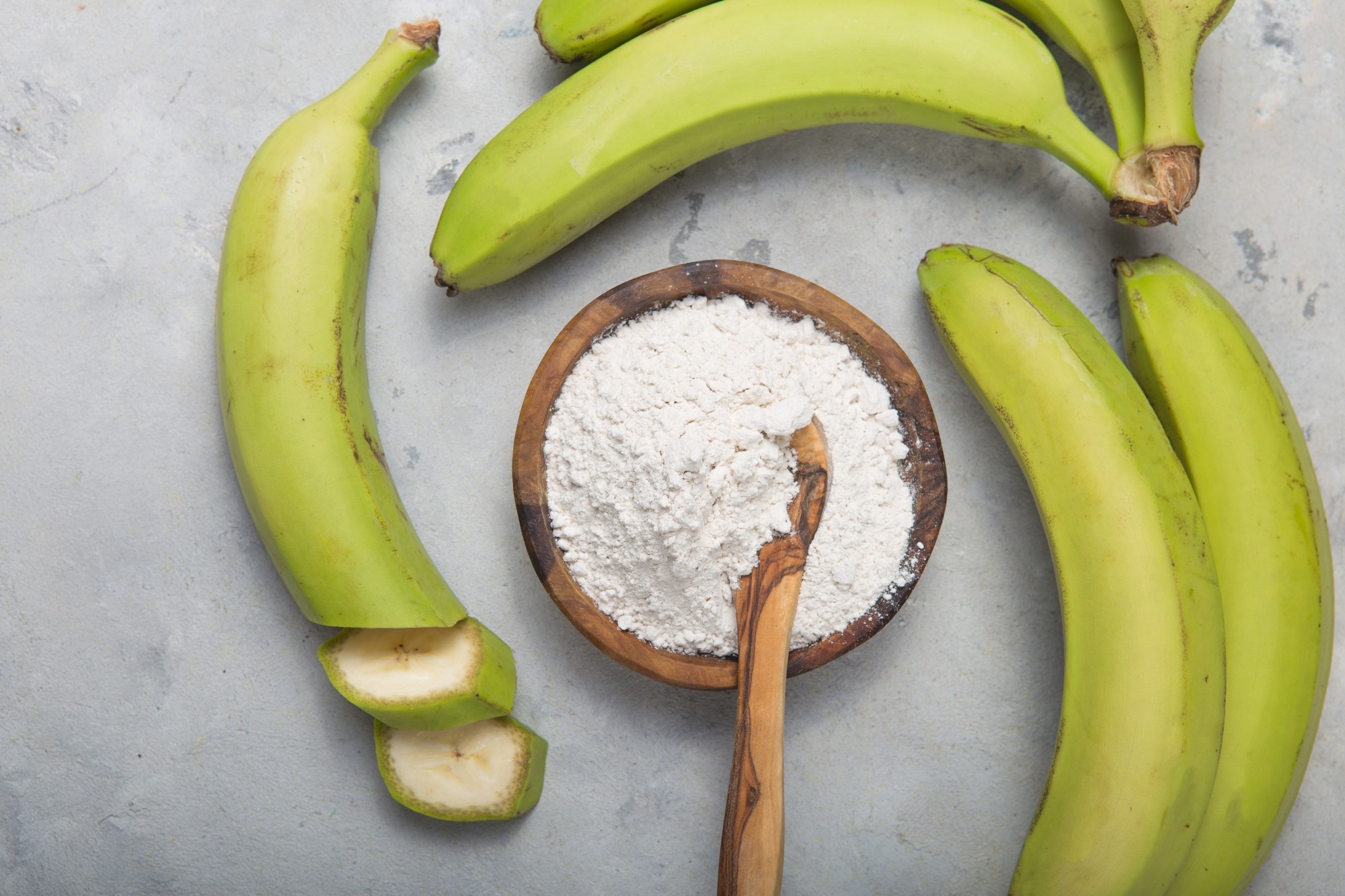
Bananas contain fiber and resistant starch that may help support bowel regularity, especially unripe bananas with higher resistant starch content. They are generally safe for most people and can be included in a balanced diet to aid digestion, but they are not a laxative. People with sensitive digestive systems should be cautious, and maintaining hydration and a high-fiber diet overall is recommended for preventing constipation.
Cooling certain foods like white rice, oats, potatoes, dill, pasta, beans, and bread increases their resistant starch content, which can help regulate blood sugar, improve gut health, and prevent chronic diseases.
A long-term study shows that consuming resistant starch, found in green bananas, oats, and pulses, can reduce the risk of various cancers in people with Lynch syndrome by over 60%, especially targeting hard-to-diagnose upper GI cancers, highlighting the potential of dietary changes in cancer prevention.
Health experts recommend consuming green bananas for their high-resistant starch, which benefits gut health and offers more dietary fiber than ripe bananas. The resistant starch in green bananas breaks down as they ripen, converting to simple sugars, and they also contain pectin, which can improve blood sugar control and digestive health. Dietitian Susie Burrell suggests using green banana flour in baking or adding banana peels to smoothies and recipes to boost nutritional intake, as they contain additional fiber, vitamins, and minerals.
Dr. Karan Rajan, a UK surgeon, suggests a clever hack to make white bread healthier by freezing it, defrosting it, and then toasting it, which can reduce the bread's glycemic index by almost double. Lowering the glycemic index leads to a more gradual rise in blood sugar levels and the formation of beneficial resistant starch. Dr. Rajan also recommends other ways to increase resistant starch intake, such as consuming green, unripe bananas and apple cores for improved gut health.
A recent study published in Nature Metabolism suggests that dietary supplementation with resistant starch can lead to weight loss and improved insulin sensitivity in overweight individuals by reshaping the gut microbiota. The study found that supplementation with resistant starch increased the abundance of Bifidobacterium adolescentis in the gut microbiome, which in turn led to improvements in insulin sensitivity through changes in secondary bile acid levels and reduced inflammation. This research offers a potential avenue for the treatment of metabolic disorders and sheds light on the role of the gut microbiome in weight management and metabolic health.
A small study found that taking a resistant starch supplement before meals led to weight loss, possibly due to its impact on gut health. The supplement, which costs about $1 per serving, resulted in an average weight loss of 6.2 pounds over eight weeks. Resistant starch is also naturally found in cooled cooked carbs like pasta, potatoes, and rice, and may help reduce blood sugar spikes. However, it may not be suitable for everyone, particularly those with irritable bowel syndrome.
A study investigated the impact of resistant starch (RS) on obesity and metabolic phenotypes in individuals with excess body weight. The 20-week trial demonstrated that RS intervention led to significant weight loss, reduced fat mass, improved glucose tolerance, and insulin sensitivity. The study also found that RS reshaped the gut microbiota, with certain species such as Bifidobacterium adolescentis and Ruminococcus bromii showing significant associations with the observed metabolic benefits. These findings suggest that RS intake may facilitate weight loss and improve metabolic health by reshaping the gut microbiota.
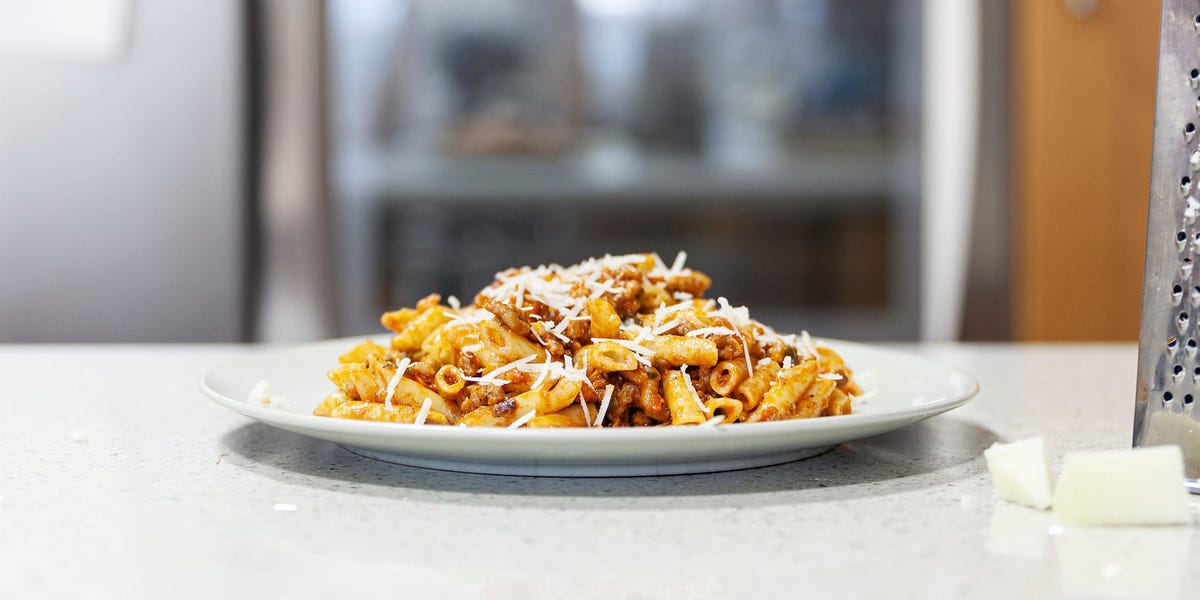
Eating carbohydrates like rice, potatoes, and pasta as leftovers, after they have been cooked and cooled, can have several health benefits. The starch molecules in these carbs change in structure when cooled, becoming resistant starch, which is more difficult to digest and leads to steadier blood sugar levels, increased fullness hormones, and fewer calories. Resistant starch also feeds healthy gut bacteria and has been linked to a reduced risk of certain cancers. However, reheating the cooled carbs may decrease the amount of resistant starch. Researchers are exploring ways to incorporate resistant starch into foods to enhance their nutritional value.
Cooking and cooling starchy foods like pasta and rice can transform their natural starches into resistant starches, which have been linked to various health benefits such as lower blood sugar, improved gut health, and reduced risk of certain types of cancer. Resistant starches are not easily digested and do not spike blood sugar levels like regular starch. Instead, they feed beneficial gut microbes, promote lower cholesterol and inflammation, and increase fiber content. Increasing resistant starch levels in foods like pasta, potatoes, and rice can be beneficial, especially for individuals with Type 2 diabetes or pre-diabetes.
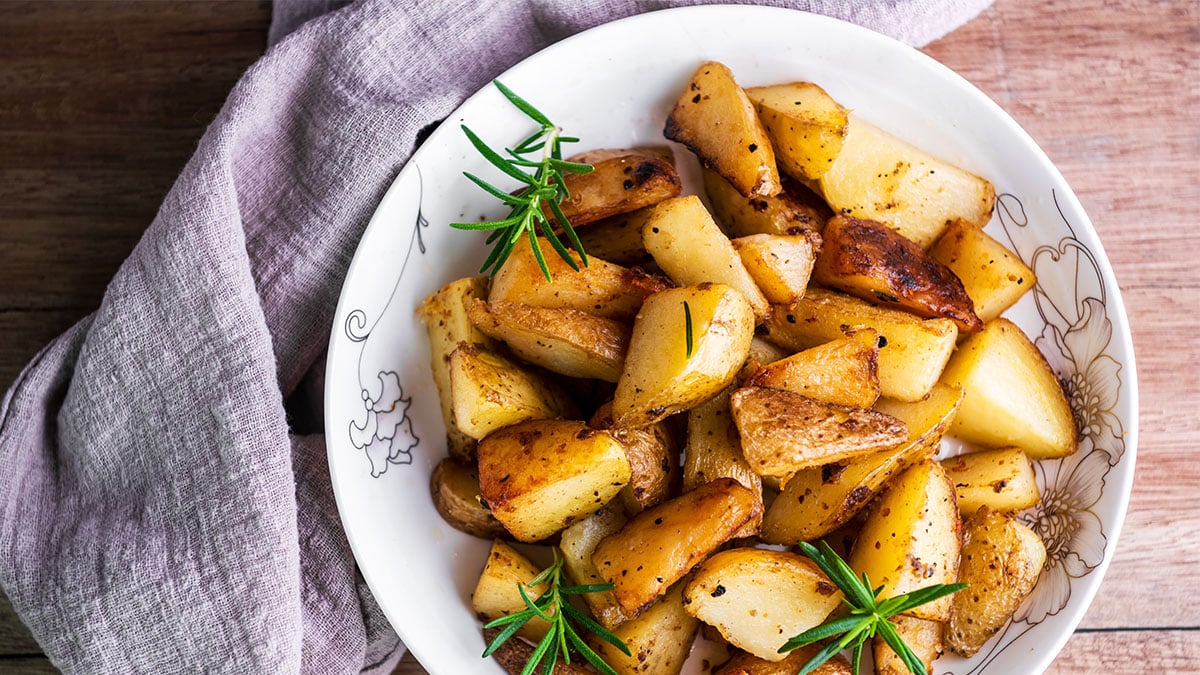
Potatoes, often criticized for their association with unhealthy forms like French fries, can actually aid in weight loss. They are naturally gluten-free, low in calories and fat, and packed with important nutrients. Potatoes contain resistant starch, a type of fiber that increases fat burning and weight loss. They also support gut health by promoting the growth of healthy bacteria and reducing inflammation. Popular diet plans are now incorporating potatoes, and there are various ways to include them in a healthy diet, such as baking, steaming, or enjoying them with the skins on. However, a potato diet may not be suitable for individuals with prediabetes or diabetes due to their high carb content.
A four-month randomized controlled trial involving 200 patients with non-alcoholic fatty liver disease (NAFLD) found that daily intake of resistant starch, a non-digestible fiber, can alter gut bacteria composition and reduce liver triglycerides and liver enzymes associated with liver injury and inflammation. Participants who received the resistant starch treatment had nearly 40% lower liver triglyceride levels compared to the control group, and these benefits were independent of weight loss. The study suggests that resistant starch could be an effective and affordable intervention for managing NAFLD.