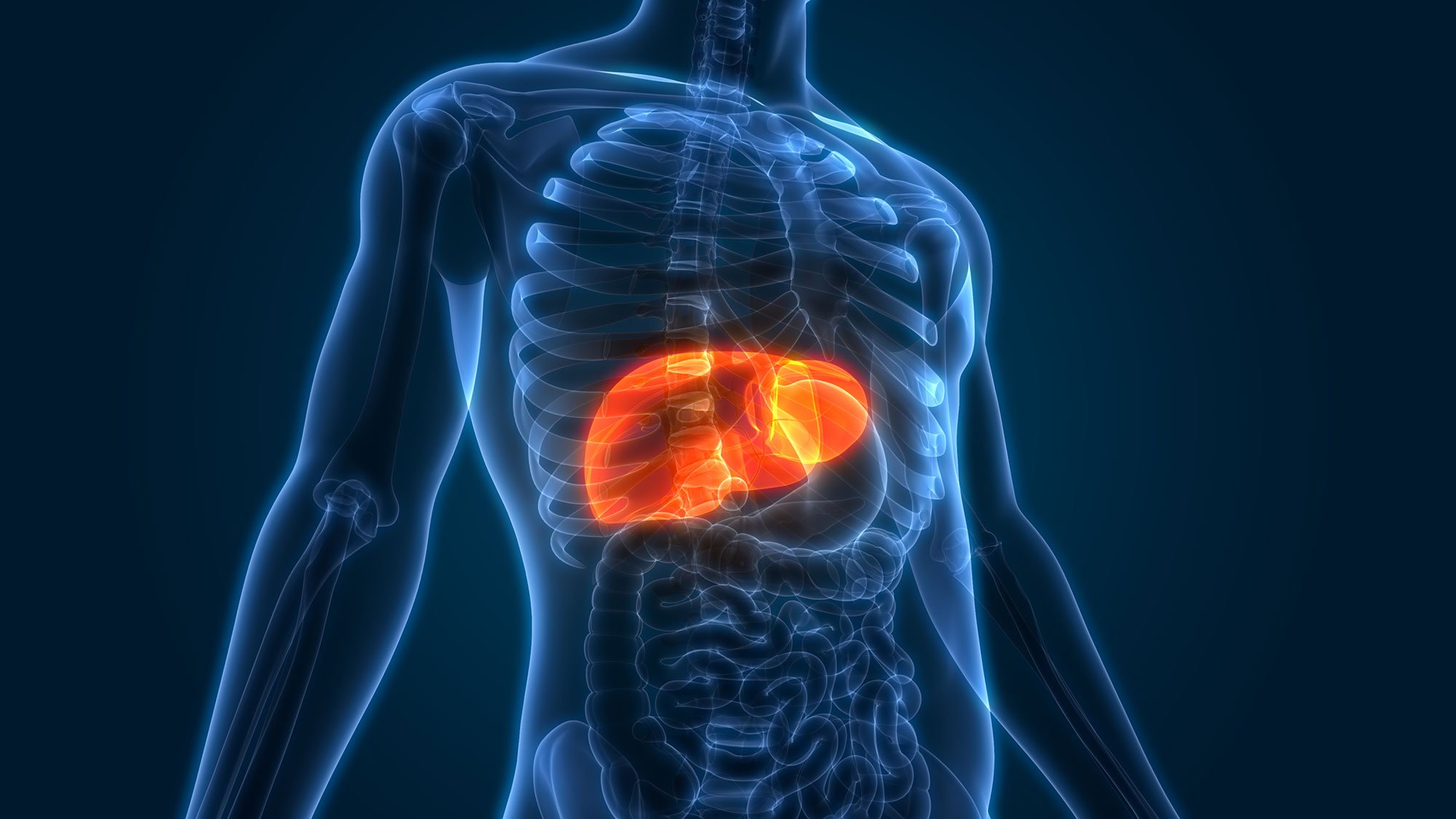
A high prevalence of fatty liver disease (84%) among Indian IT employees is linked to insulin resistance, high carbohydrate intake, and genetic factors, with sugar consumption—especially fructose—playing a key role in liver fat accumulation and inflammation, which can lead to serious liver and cardiovascular complications. Simply cutting calories or fat isn't enough; addressing insulin resistance and dietary habits is crucial.
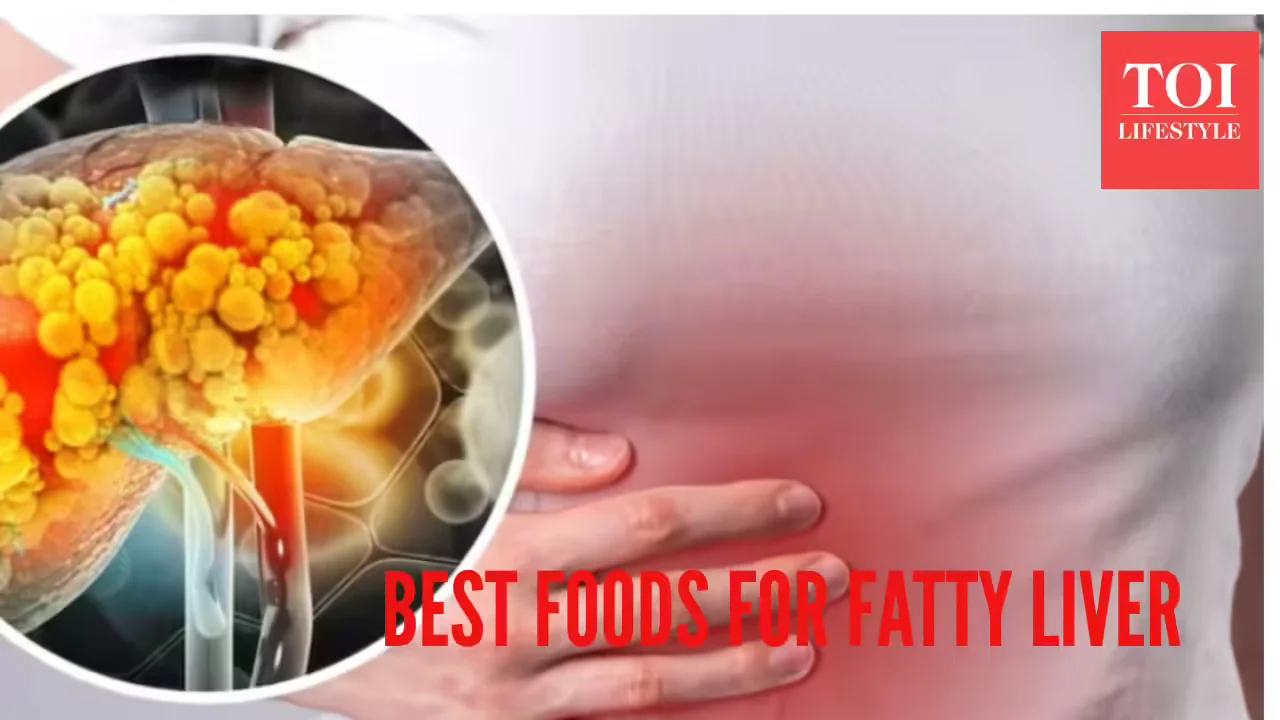
A top gastroenterologist reveals 10 foods that can help reverse fatty liver disease, including walnuts, extra virgin olive oil, tempeh, garlic, coffee, oats, green tea, cruciferous greens, avocados, and berries, which support liver detoxification, reduce fat accumulation, and improve liver function.
A doctor clarifies common misconceptions about fatty liver disease, emphasizing that it is not harmless but can be effectively managed through diet and lifestyle changes, not supplements, and highlights the risks of untreated fatty liver progressing to serious liver conditions.
A top gastroenterologist shares six tasty snacks—such as dates with walnuts, sauerkraut, mixed nuts with dark chocolate, apples with honey, avocado, and Greek yogurt with berries—that can help boost liver health and combat fatty liver disease, emphasizing the importance of good nutrition and probiotics.
A study in animal models suggests that a combination of two common heart medications, pemafibrate and telmisartan, may reverse fat accumulation in the liver, offering a potential new treatment for early-stage fatty liver disease (MASLD). However, further clinical research is needed before these drugs can be recommended for human treatment.
Researchers at the University of Barcelona found that the existing drugs pemafibrate and telmisartan, used separately and together, significantly reduce fat buildup in animal models of fatty liver disease, suggesting a potential new treatment approach, though human trials are still needed.
Researchers at the University of Barcelona have discovered that combining two existing drugs, pemafibrate and telmisartan, can significantly reduce liver fat accumulation and related cardiovascular risks in animal models of fatty liver disease, suggesting a potential new treatment approach, though human trials are still needed.
Gastroenterologist Dr. Pradip Vekariya highlights pedal edema, or swollen feet, as an early warning sign of fatty liver disease, emphasizing the importance of early detection to prevent disease progression and serious liver damage.
Scientists at UC San Diego have developed an investigational drug, ION224, that targets the root cause of severe fatty liver disease (MASH) by inhibiting the enzyme DGAT2, showing promising results in a Phase IIb trial with significant liver health improvements and no serious side effects, offering hope for a potential new treatment to halt or reverse disease progression.
A study from the University of Birmingham found that patients with non-alcoholic fatty liver disease (NAFLD) are three times more likely to have personality disorders, highlighting a potential link between liver health and mental health that could impact disease management and treatment strategies.
Researchers discovered that microRNA-93 promotes fatty liver disease by inhibiting SIRT1, but vitamin B3 (niacin) can suppress miR-93, offering a promising, already-approved treatment pathway for MASLD, a common liver condition affecting 30% of the global population.
Fatty liver disease, especially NAFLD, can manifest on your face through signs like puffiness, skin discoloration, acne, and itching, serving as early warning signals of underlying liver issues. Recognizing these signs can prompt timely medical evaluation and lifestyle changes to improve liver health.
Incorporating foods like green leafy vegetables, turmeric, amla, garlic, and flaxseeds into your diet can help support liver health and combat fatty liver disease, supported by various studies showing their benefits in reducing liver fat and improving liver function.
A study reveals that over 15 million people in the US, UK, Germany, and France are unaware they have the aggressive form of fatty liver disease (MASH), which can lead to serious health issues. Despite its prevalence, diagnosis rates are low, and experts call for increased screening and the use of new non-invasive diagnostic methods, along with potential treatments like weight loss drugs, to address this silent epidemic.