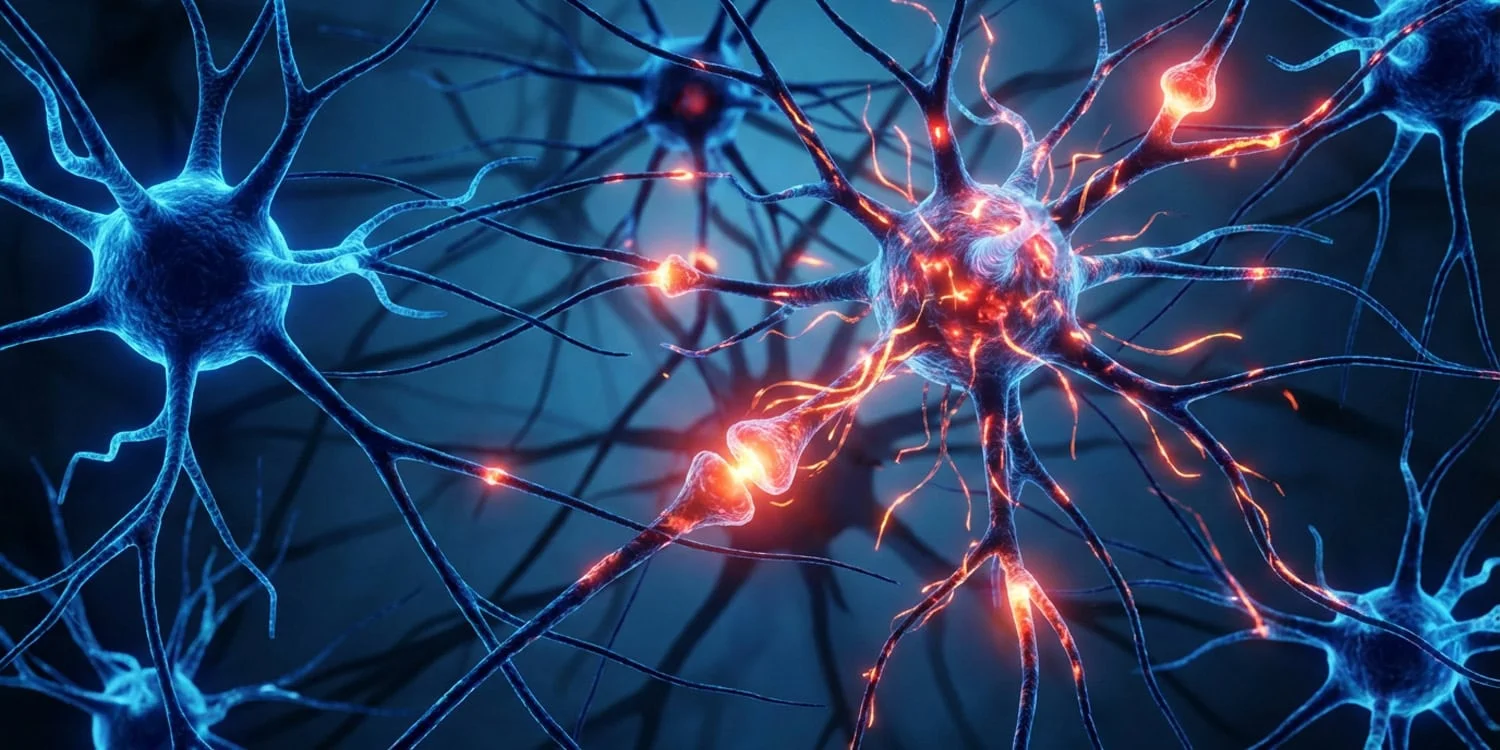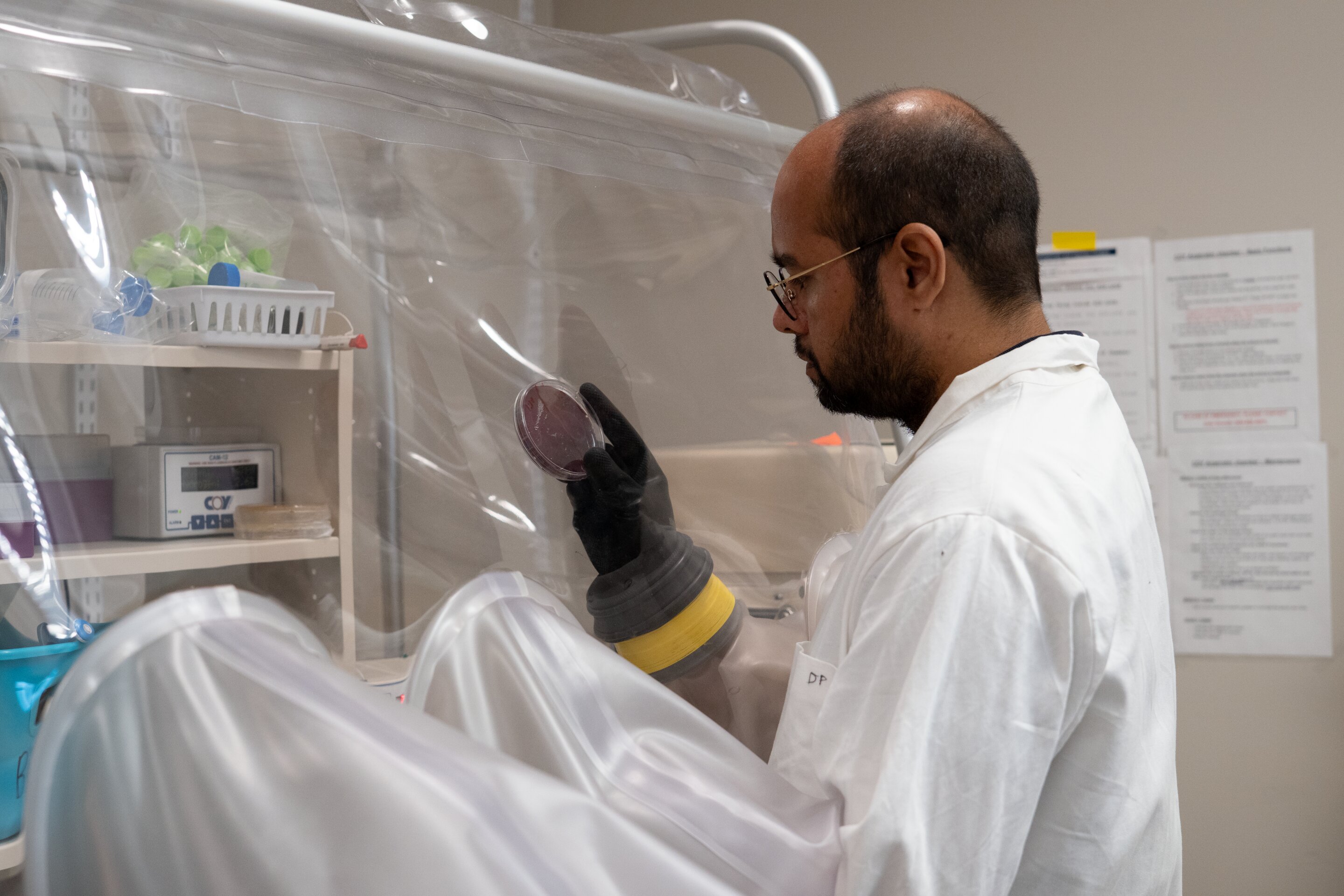
A study shows that eating refined diets lacking fiber for just three days can impair memory in aging rats, especially affecting the amygdala, with low fiber and butyrate levels linked to mitochondrial dysfunction and cognitive deficits, highlighting the importance of dietary fiber for brain health in older adults.
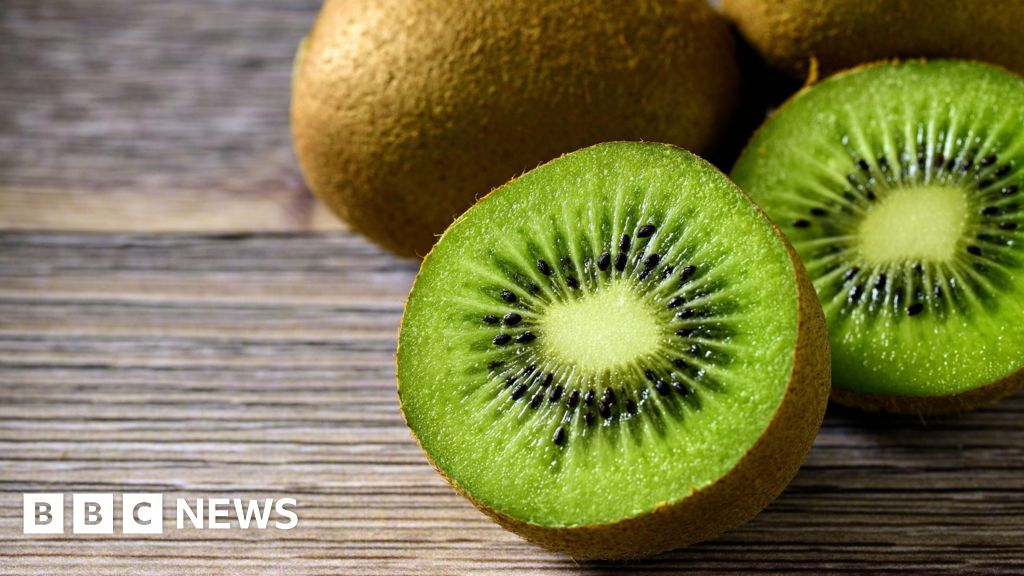
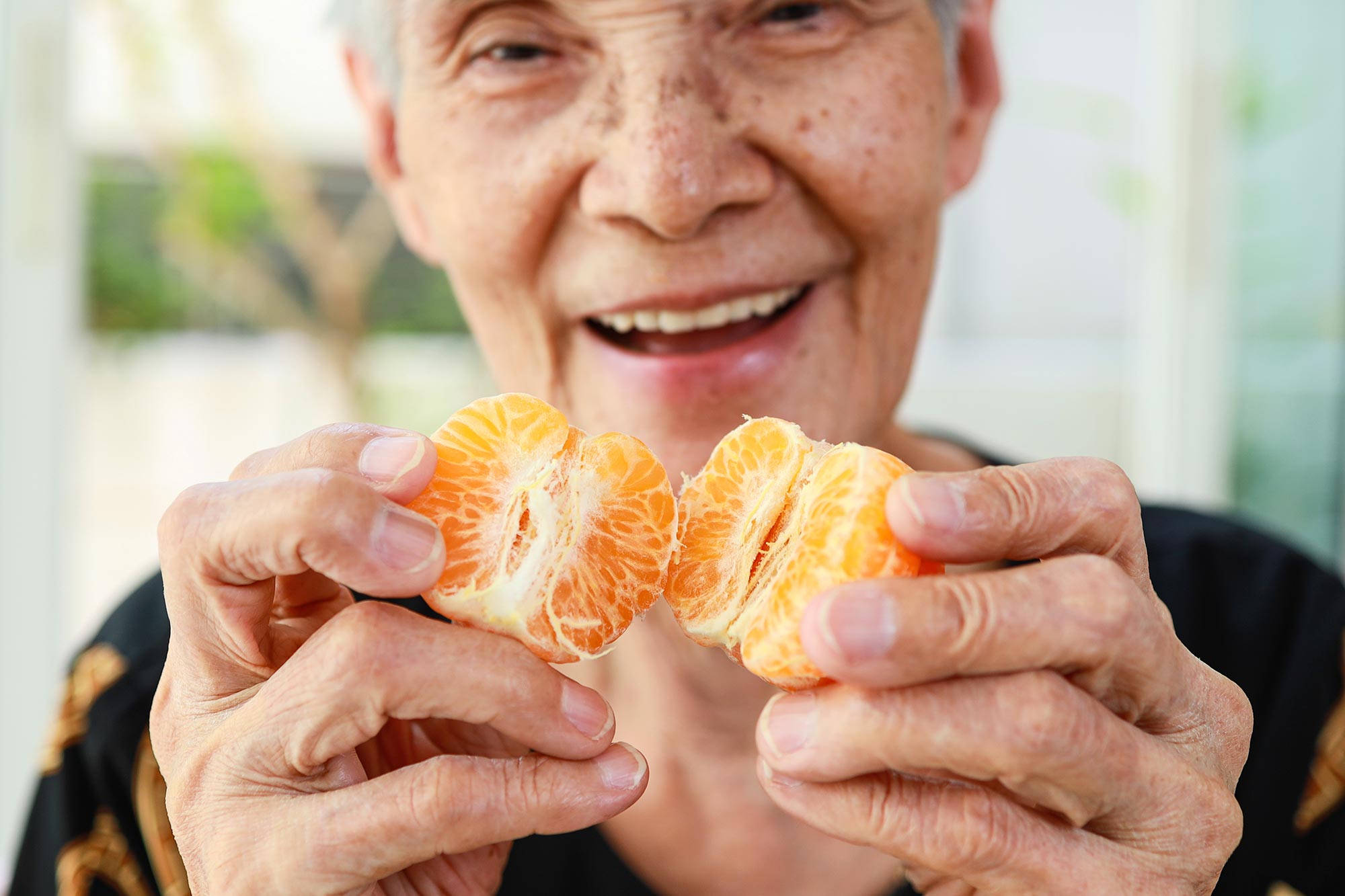
New health guidelines suggest that eating kiwis, drinking mineral water rich in magnesium, and consuming prunes can effectively relieve constipation, offering more diverse options than traditional high-fiber diets. The guidance emphasizes the importance of diet and hydration, supported by evidence from 75 clinical trials, to improve bowel health and quality of life.
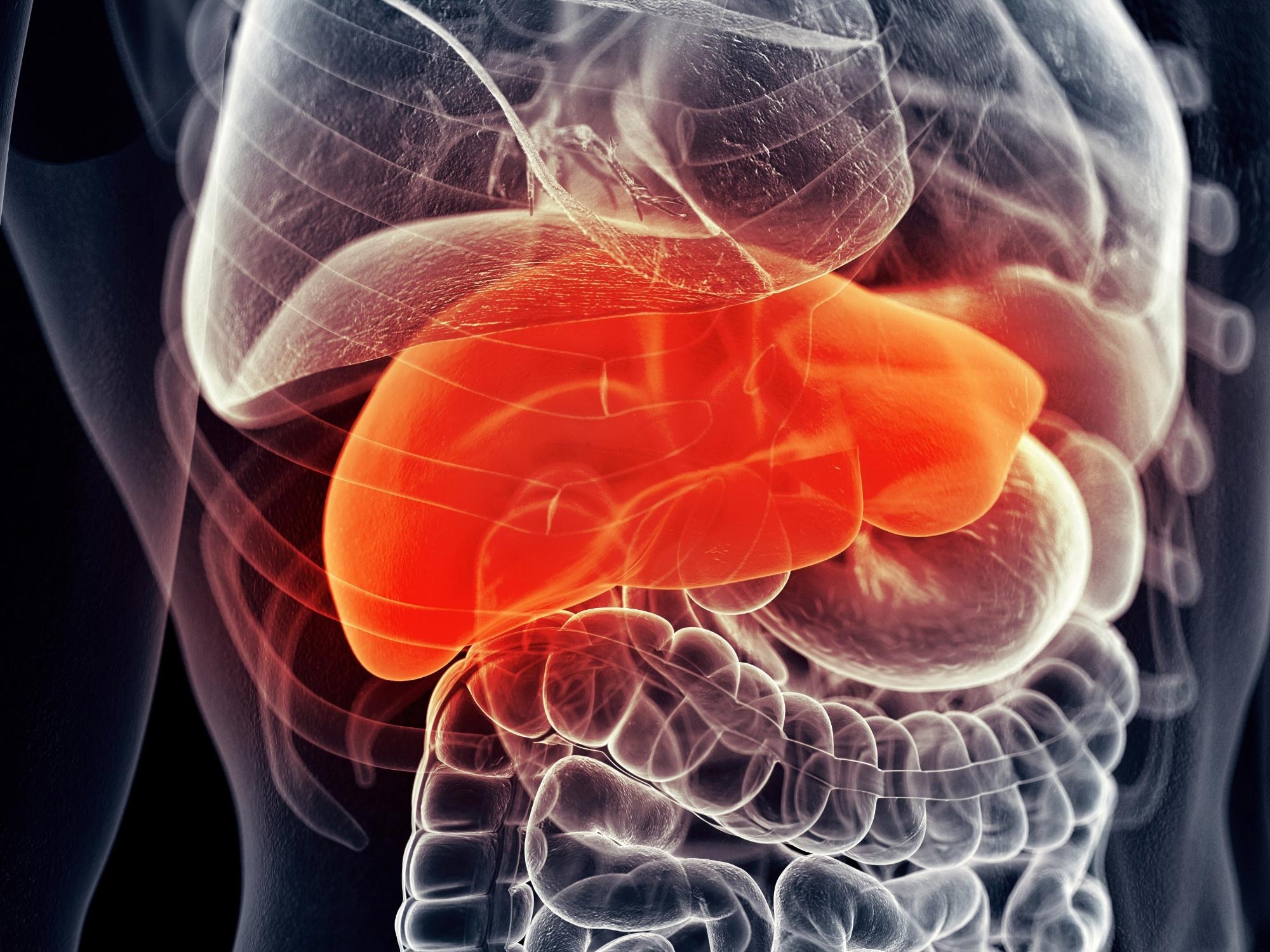
UC Irvine researchers found that consuming inulin, a vegetable-derived fiber, can reprogram gut bacteria to reduce fructose's harmful effects on the liver, potentially reversing fatty liver disease and insulin resistance, offering new avenues for nutrition-based disease prevention.
A study suggests that increasing dietary fiber, especially inulin, may help restore gut-immune balance, support the gut-brain axis, and potentially reduce the risk of Alzheimer's disease, though human trials are needed.
A study analyzing 17 research papers found that consuming about 20 grams of cruciferous vegetables like broccoli daily can reduce colon cancer risk by 17%, with benefits plateauing at around 40 grams per day. These vegetables contain compounds called glucosinolates that help detoxify the body and inhibit cancer growth. The findings support dietary recommendations to include more vegetables, especially within a healthy diet like the Mediterranean diet, to lower colon cancer risk.
Research from the University of British Columbia reveals that common cellulose-based food thickeners are digestible by gut bacteria when activated by natural polysaccharides, challenging previous assumptions that they pass through the digestive system unaltered.
New research suggests that Alzheimer's disease may originate from a toxin produced by gut bacteria, which can enter the brain and cause damage. The toxin, BF-LPS, leaks from the gut, crosses the blood-brain barrier, and triggers inflammation and neuron damage, but increasing dietary fiber can help reduce its production by balancing gut bacteria, potentially lowering Alzheimer's risk.
A new study suggests that consuming high-quality carbohydrates, especially dietary fiber from whole grains, fruits, and vegetables, is linked to healthier aging and increased longevity, challenging the negative perception of carbs and emphasizing the importance of diet quality.
A long-term study shows that consuming resistant starch, found in green bananas, oats, and pulses, can reduce the risk of various cancers in people with Lynch syndrome by over 60%, especially targeting hard-to-diagnose upper GI cancers, highlighting the potential of dietary changes in cancer prevention.
A study shows that consuming high-quality carbohydrates and dietary fiber in midlife is linked to better health and increased likelihood of healthy aging in women, emphasizing the importance of diet choices in midlife for long-term health benefits.
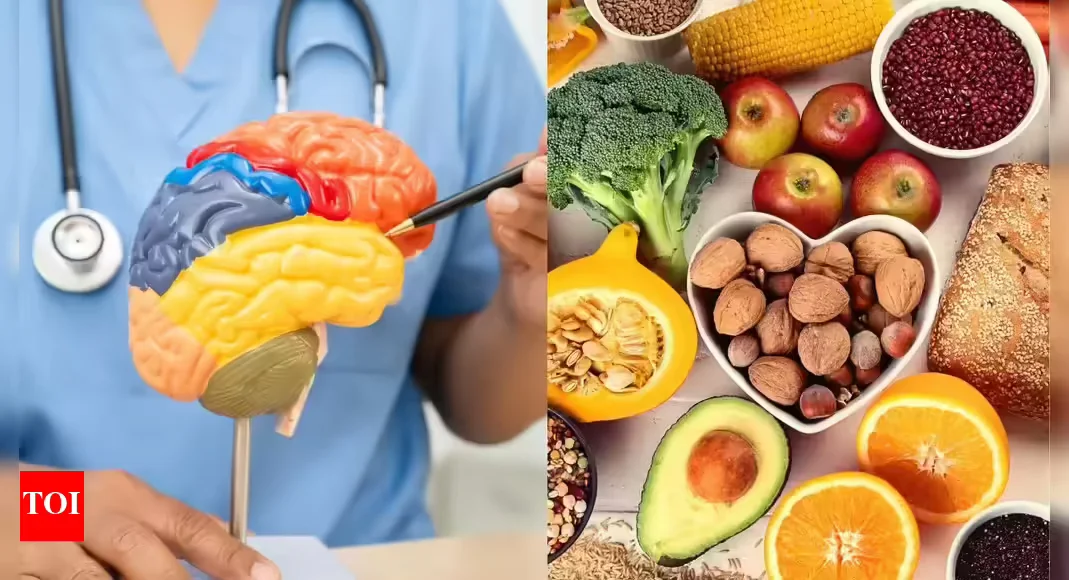
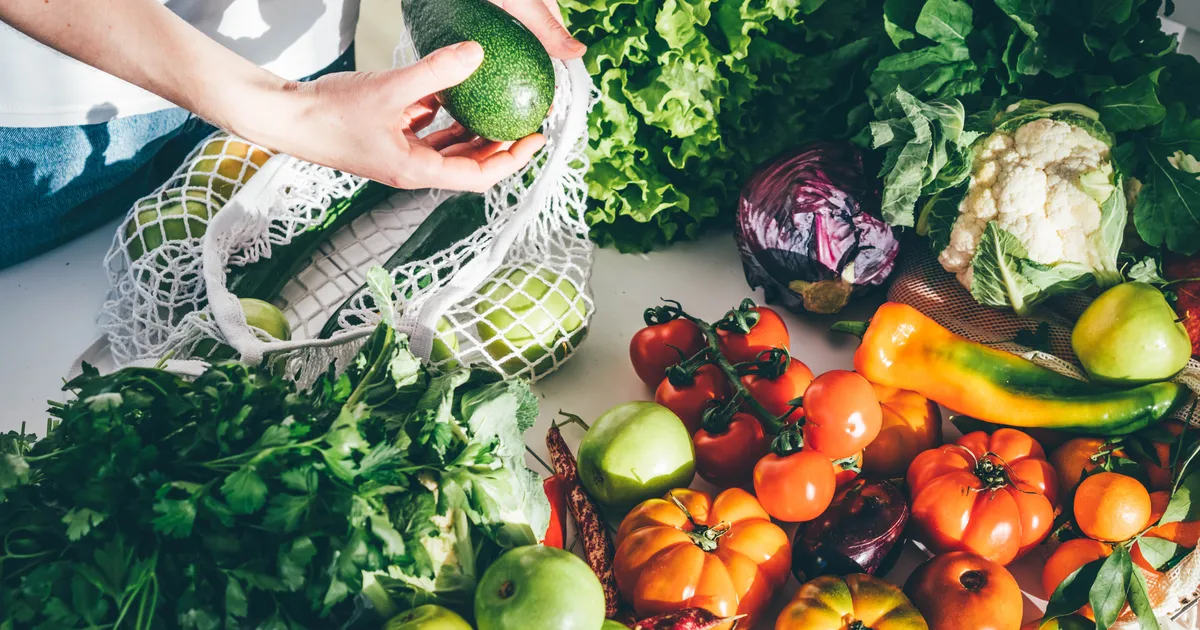
Consuming 25-30 grams of fiber daily from plant-based foods like fruits, vegetables, legumes, and whole grains can help prevent chronic diseases, support healthy aging, and promote overall health, according to experts.
Fiber supplements can aid constipation relief, but should not replace fiber-rich foods like fruits and vegetables. Experts recommend prioritizing dietary fiber, staying hydrated, and maintaining an active lifestyle to manage constipation. While supplements like psyllium husk can help, they should be introduced gradually to avoid digestive discomfort. Consulting a healthcare provider for personalized advice is also advised.
Dietary fiber is identified as the top nutrient to improve insulin resistance, according to dietitians. Fiber helps slow carbohydrate digestion, enhancing insulin sensitivity and blood sugar control. Foods rich in both soluble and insoluble fiber, such as beans, oats, and vegetables, are recommended. Incorporating more fiber into the diet, along with maintaining a balanced diet, regular physical activity, and stress management, can significantly reduce the risk of insulin resistance and type 2 diabetes.
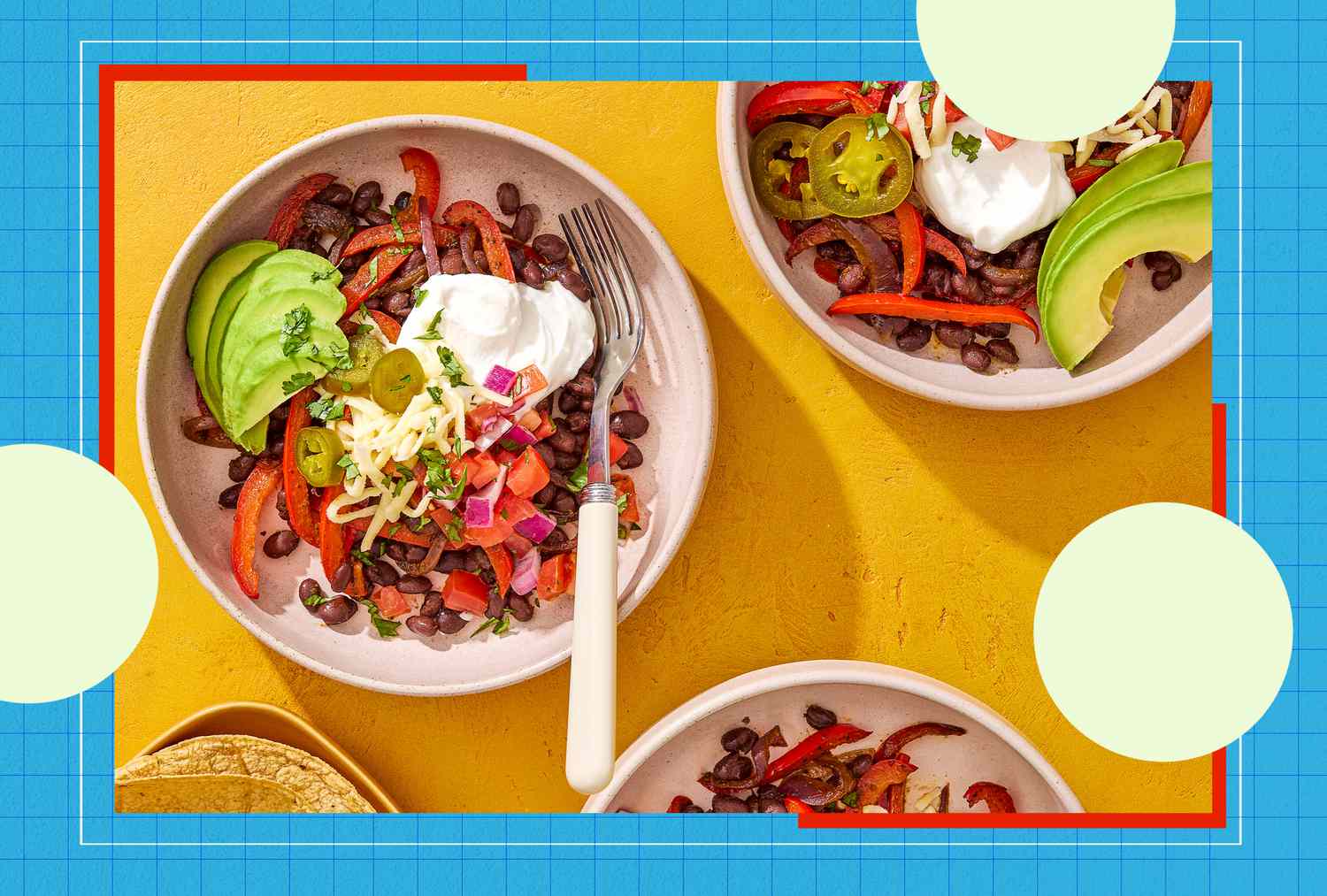
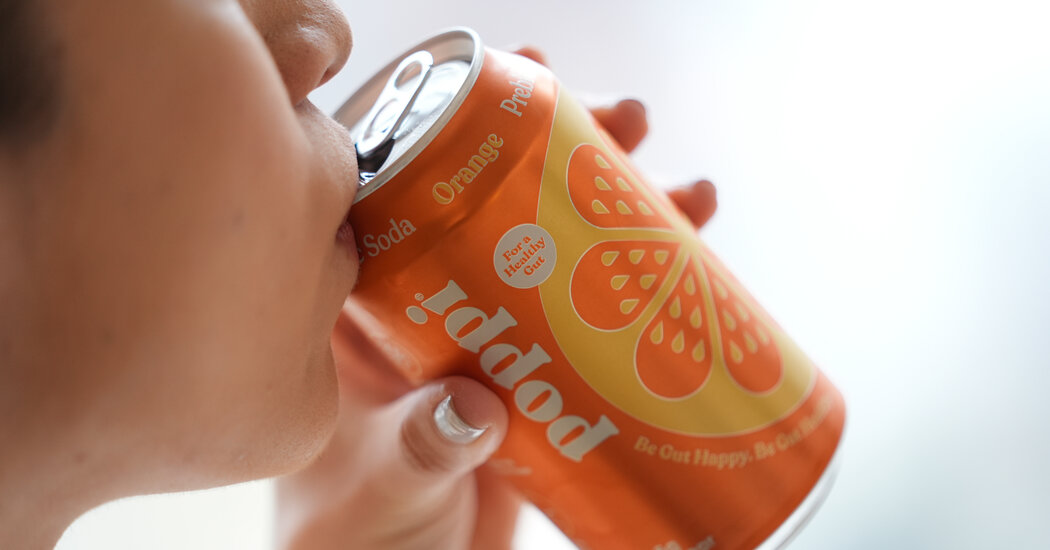
Prebiotic sodas like Poppi and Olipop claim to benefit gut health by containing dietary fibers that feed beneficial gut microbes. However, nutrition experts suggest that a high-fiber diet from natural foods like garlic, onions, and beans can provide similar benefits without the need for special sodas.
Health experts recommend consuming green bananas for their high-resistant starch, which benefits gut health and offers more dietary fiber than ripe bananas. The resistant starch in green bananas breaks down as they ripen, converting to simple sugars, and they also contain pectin, which can improve blood sugar control and digestive health. Dietitian Susie Burrell suggests using green banana flour in baking or adding banana peels to smoothies and recipes to boost nutritional intake, as they contain additional fiber, vitamins, and minerals.