Ecnoglutide, a new GLP-1 receptor agonist, demonstrated significant weight loss and improved cardiometabolic risk factors in a phase 3 trial involving overweight and obese adults, showing promise as a personalized obesity therapy with potential advantages over existing treatments.
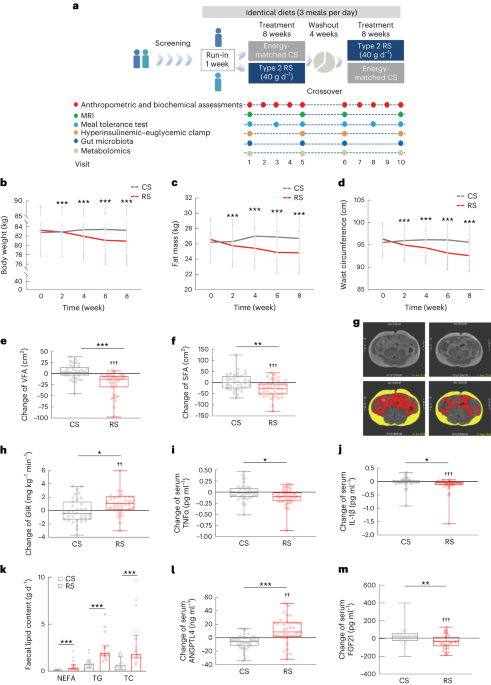
A study investigated the impact of resistant starch (RS) on obesity and metabolic phenotypes in individuals with excess body weight. The 20-week trial demonstrated that RS intervention led to significant weight loss, reduced fat mass, improved glucose tolerance, and insulin sensitivity. The study also found that RS reshaped the gut microbiota, with certain species such as Bifidobacterium adolescentis and Ruminococcus bromii showing significant associations with the observed metabolic benefits. These findings suggest that RS intake may facilitate weight loss and improve metabolic health by reshaping the gut microbiota.
Water fasting may lead to short-term weight loss, but the metabolic benefits, such as lower blood pressure and improved cholesterol, seem to disappear soon after the fast ends, according to a review of eight studies conducted by researchers at the University of Illinois Chicago. The studies showed that fasting for five to 20 days resulted in noticeable weight loss, but participants often gained back the weight once the fast ended. The metabolic benefits of fasting also quickly returned to baseline levels after participants resumed eating. The most common side effects of prolonged fasts were headaches, insomnia, and hunger, but there were no serious negative effects reported. The researchers recommend intermittent fasting as a more sustainable approach to weight management.